A Chicago furnace rarely chooses a convenient time to fail. It often starts with a bedroom that will not warm up, a system that runs without reaching the thermostat setting, or a sudden shutdown during a cold night. When you need furnace repair Chicago property owners can rely on, the goal is not simply to get heat back for the moment. It is to identify the cause, protect the people in the building, and make a repair that holds up through the rest of the heating season.
For homeowners, landlords, and small-business owners, knowing what to watch for can make an urgent situation less stressful. Some furnace problems need immediate attention. Others give you time to schedule a diagnostic visit before they become a no-heat emergency.
When Furnace Repair Is an Emergency
A complete loss of heat during cold weather deserves prompt professional attention, especially in homes with young children, older adults, tenants, or vulnerable pipes. A furnace that is running but producing cool air can be just as disruptive, since extended operation may not improve indoor temperature and may add unnecessary wear to the equipment.
Leave the building and contact emergency services if a carbon monoxide alarm sounds or anyone feels symptoms such as headache, dizziness, nausea, confusion, or unusual fatigue. Carbon monoxide has no reliable smell or color. Do not try to locate or repair the source yourself. Once the space has been cleared and it is safe to do so, an HVAC professional can inspect the heating system and venting components.
A strong gas odor also calls for caution. Avoid operating switches, appliances, or anything that could create a spark. Leave the area, contact the gas utility or emergency services from a safe location, and follow their instructions. Gas and electrical repairs are not a homeowner troubleshooting project.
Warning Signs Your Furnace Needs Service Soon
Not every furnace issue means the system is about to fail, but unusual behavior is worth addressing early. A repair visit is often simpler when the problem is caught before a component stops working entirely.
Uneven heat from room to room
If one floor is comfortable while another stays cold, the cause could be related to airflow, ductwork, thermostat settings, a blower issue, or system capacity. Older Chicago homes and multifamily buildings may also have insulation or zoning challenges that affect comfort. A technician should evaluate the full system rather than assume the furnace itself is the only factor.
New sounds or frequent cycling
Banging, rattling, squealing, grinding, or persistent clicking should not be ignored. These sounds can point to loose parts, a blower motor concern, ignition trouble, or another mechanical issue. Likewise, a furnace that turns on and off repeatedly may be dealing with airflow restrictions, thermostat communication problems, overheating, or a safety control concern.
Higher utility bills without a clear reason
Winter energy use rises when temperatures fall, but a sudden increase can signal a furnace that is working harder than it should. Dirty components, poor airflow, duct leakage, or a worn part can reduce efficiency. A professional inspection can separate a furnace problem from other causes, such as insulation gaps or an aging thermostat.
Yellow burner flames, soot, or moisture near the unit
A properly operating gas furnace typically has steady blue burner flames. Yellow or flickering flames, visible soot, or unexpected moisture around the furnace warrant a professional inspection. Combustion and venting issues affect more than comfort. They can affect household safety and should be assessed without delay.
What a Professional Furnace Diagnostic Should Include
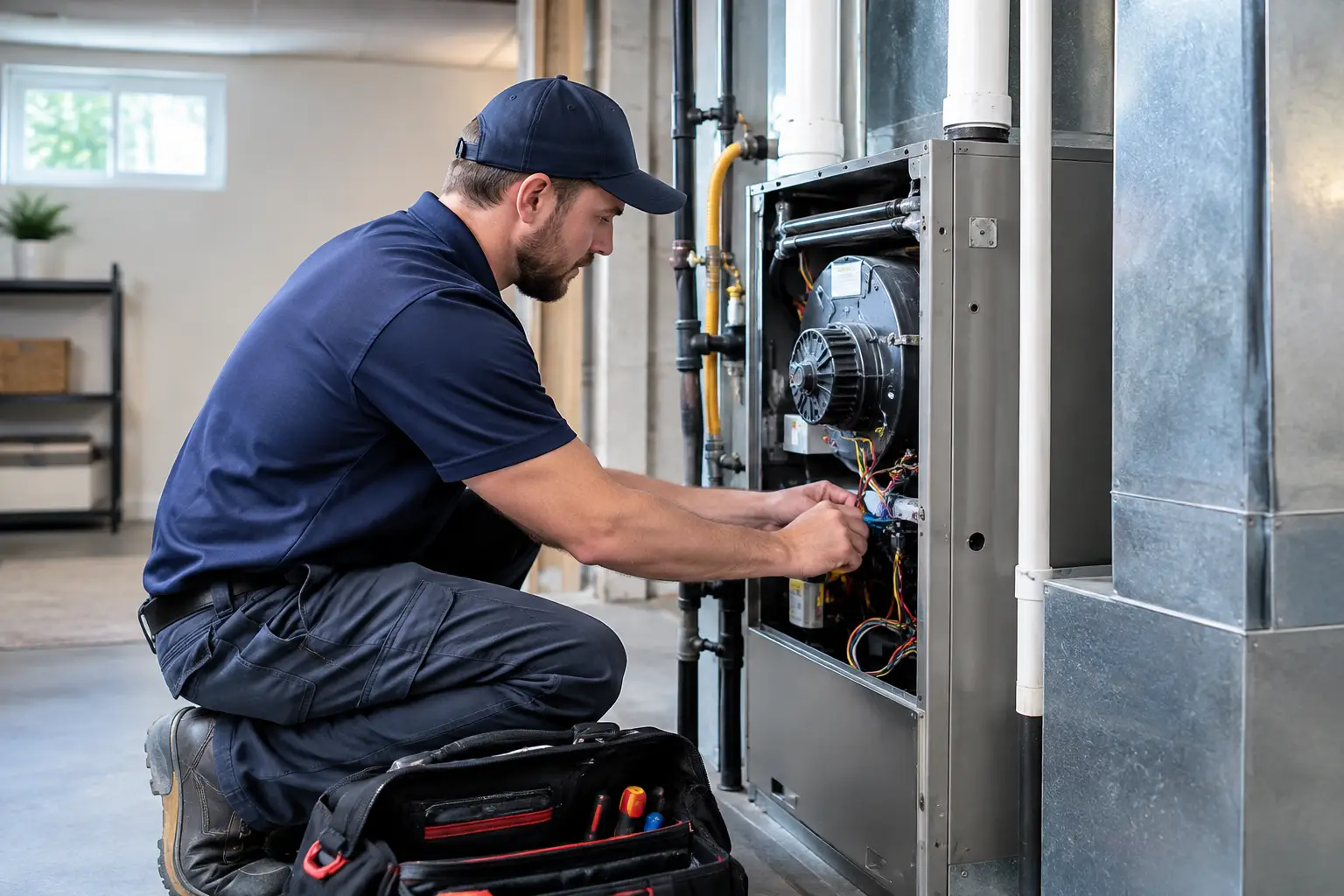
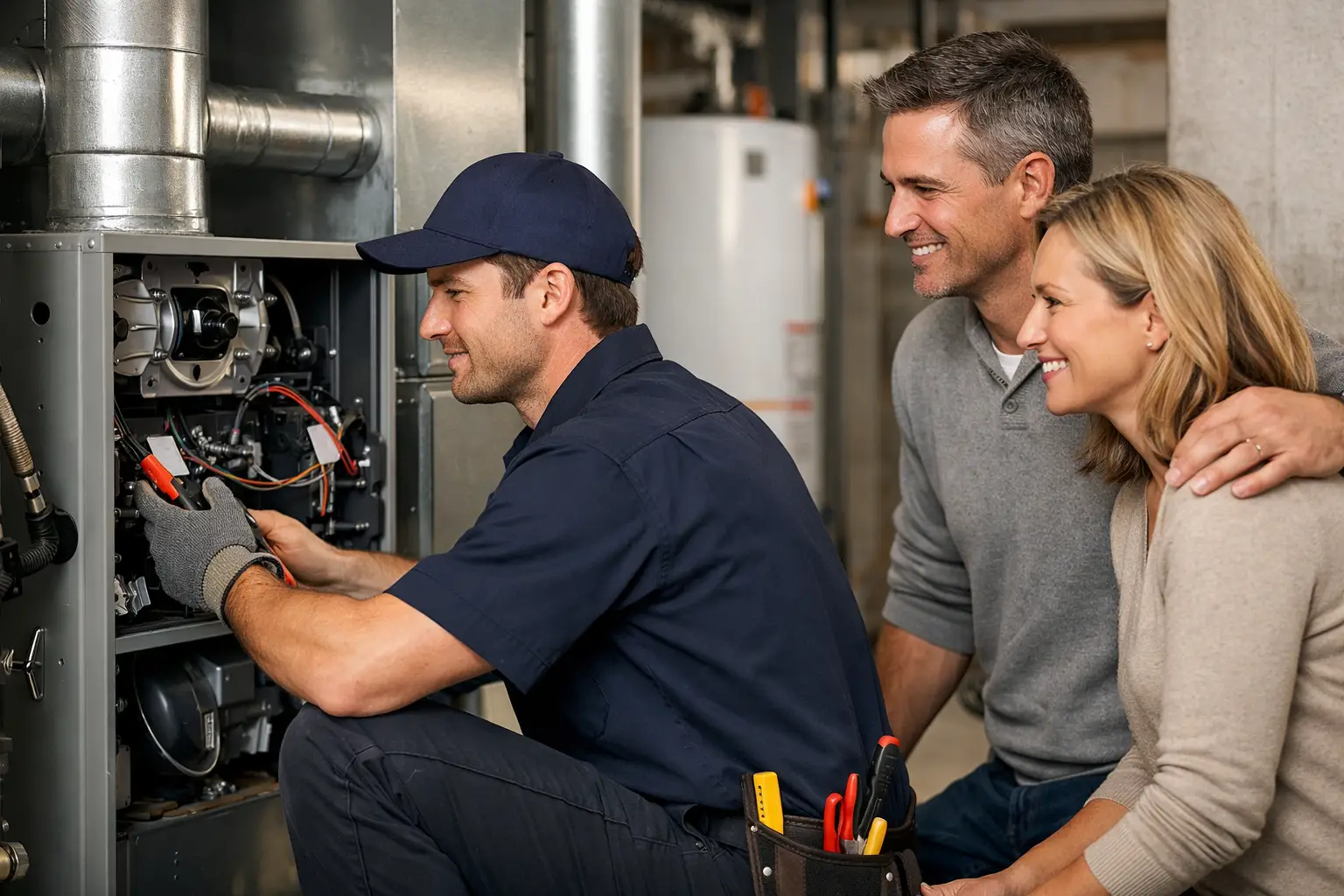
Good furnace repair begins with a careful diagnosis, not a rushed parts swap. The technician should listen to what you have noticed, inspect the equipment, test relevant controls and safety systems, and explain the findings in plain language.
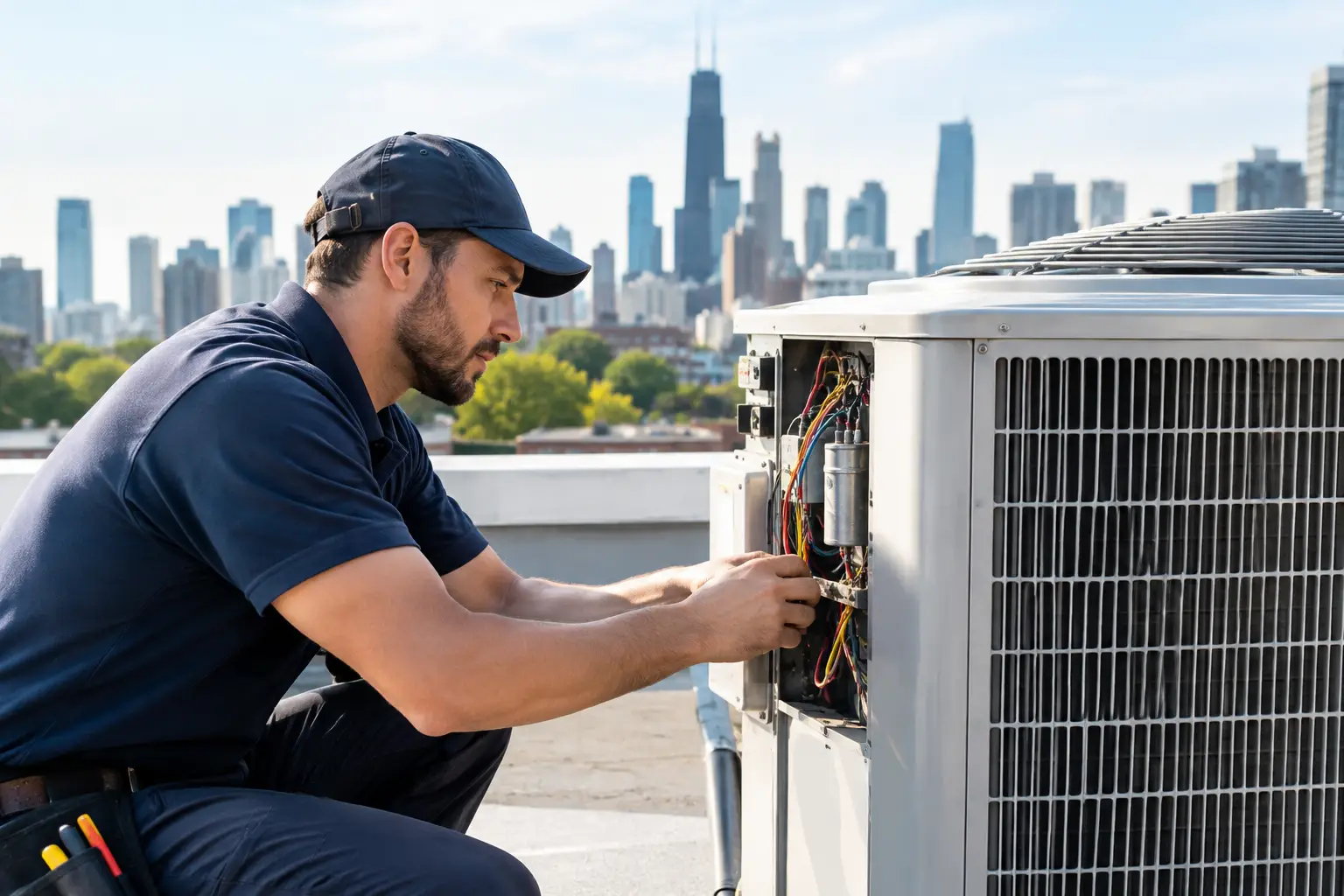
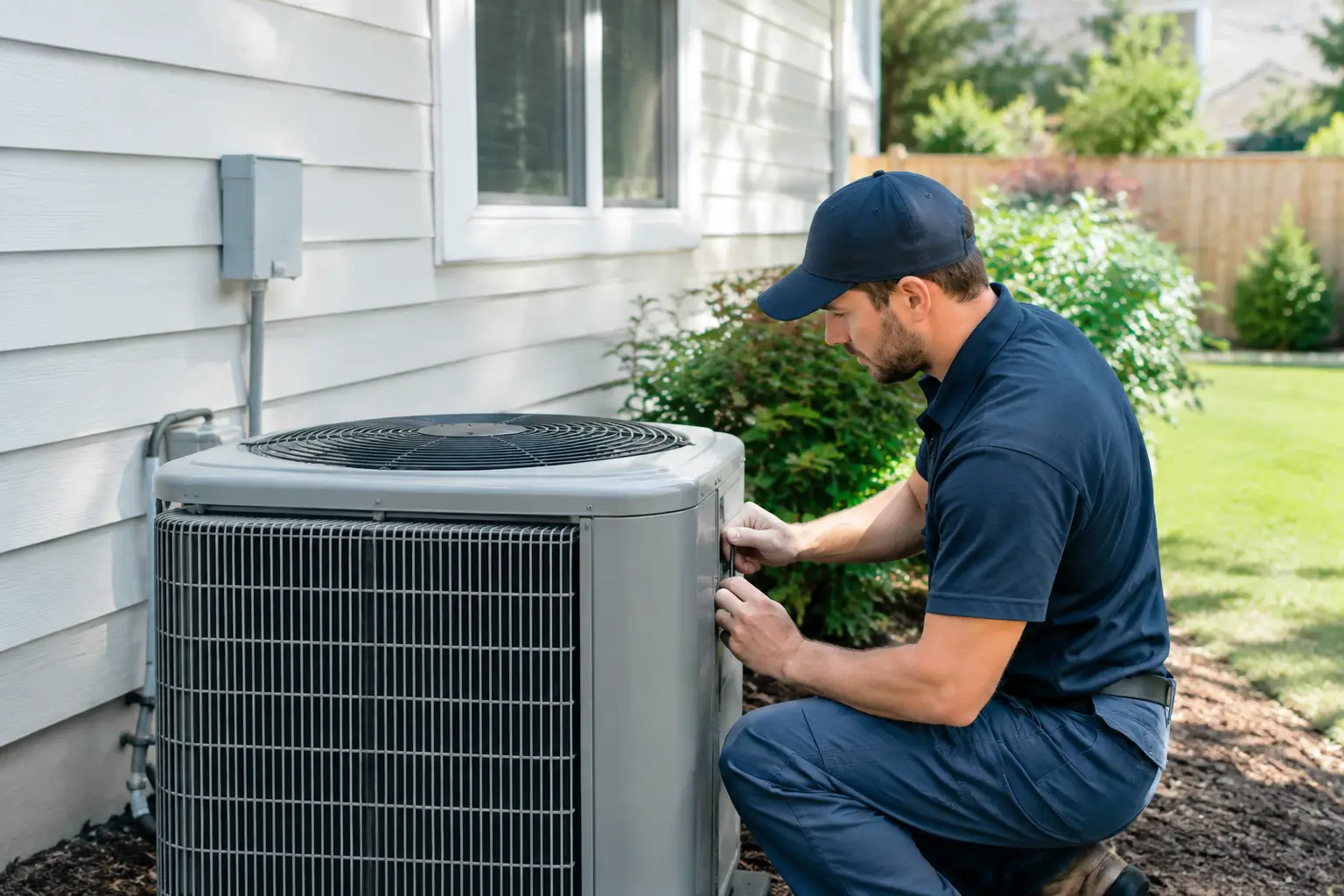
Depending on the furnace and the symptoms, the visit may include evaluating ignition and flame-sensing components, the blower assembly, filters and airflow, electrical connections, thermostat operation, condensate drainage on high-efficiency units, and venting. The technician should also look for signs of overheating, short cycling, water damage, or wear that could lead to a future breakdown.
The best recommendation depends on the problem. A worn igniter or faulty sensor may be a straightforward repair. A more involved issue, particularly on an older system with a history of breakdowns, may justify a conversation about replacement. You deserve to understand both options, the expected benefit of each, and why one path may be more practical for your property.
Repair or Replace? The Right Answer Depends
Replacing a furnace solely because it needs a repair is not always necessary. Many systems can provide reliable service after a properly completed repair and routine maintenance. On the other hand, repeatedly repairing a unit with declining performance can become frustrating and costly over time.
Age matters, but it is not the only factor. Consider the frequency of service calls, condition of major components, efficiency, comfort problems, availability of replacement parts, and whether the furnace is correctly sized for the building. For landlords and business owners, downtime, tenant comfort, and the condition of connected equipment also matter.
A transparent HVAC company should not use a service call to pressure you into a replacement. It should give you a clear assessment of the immediate repair, explain any longer-term concerns, and let you make an informed decision. If replacement is appropriate, proper sizing and installation quality are as important as the equipment itself.
How to Protect Your Furnace Between Service Visits
There are a few safe, practical habits that support reliable operation. Keep the area around the furnace clear so air can circulate and technicians can access the equipment. Replace or check the filter on the schedule recommended for your system and household conditions. A home with pets, construction dust, or high occupancy may need more frequent filter attention.
Pay attention to changes rather than waiting for a full breakdown. Make a note of unusual noises, error messages, cycling patterns, rooms that stay cold, and the dates when problems occur. That information helps a technician diagnose intermittent issues more efficiently.
Annual heating maintenance is also a practical investment before winter arrives. It gives a trained technician an opportunity to clean and inspect key components, confirm safe operation, address developing wear, and help the system run more efficiently. Maintenance cannot prevent every failure, but it can reduce avoidable surprises and extend the useful life of many furnaces.
What to Expect From Furnace Repair in Chicago
Cold weather raises the stakes for every heating call. A reliable service experience should begin with clear communication about the problem and continue with an orderly diagnostic process. Your technician should respect your home or business, protect the work area, explain recommendations without jargon, and provide honest upfront pricing before work begins.
NATE-certified, licensed, and insured technicians bring valuable training and accountability to furnace service. Just as important, they should take ownership of the details: identifying the actual cause of the failure, completing the repair carefully, testing operation afterward, and leaving the job site clean.
Shad Heating & Cooling provides residential and light commercial heating service with a focus on safe repairs, clear options, and lasting comfort. Whether your furnace has stopped working or is showing early warning signs, scheduling service before conditions worsen can help protect your property and the people inside it.
A furnace should be quiet, dependable, and easy to forget about when the temperature drops. If yours is asking for attention, a qualified inspection now can be the difference between a manageable repair and a disruptive winter emergency.
Written by the Shad Heating & Cooling team
Furnace Repair FAQ
Why is my furnace running but not heating the house?
The cause may involve the thermostat, airflow, ignition, blower, safety controls, or a fuel-related issue. A professional diagnosis is the safest way to determine why the system is not producing or distributing heat properly.
Should I turn my furnace off if it is making loud noises?
If the noise is severe, includes grinding or banging, or is accompanied by burning smells, repeated shutdowns, or poor heating, turn the system off and arrange professional service. Do not open panels or attempt electrical or gas-related repairs.
How often should a furnace be maintained?
Most furnaces benefit from professional maintenance once a year, ideally before the heavy heating season. Regular service can identify wear, support efficiency, and help reduce unexpected breakdowns.
Can a dirty filter cause furnace problems?
Yes. A clogged filter can restrict airflow, contribute to overheating, reduce comfort, and make the system work harder. Use the correct filter type and replace it according to the manufacturer guidance and your home’s conditions.