A furnace failure on a cold Chicago night is more than an inconvenience. Indoor temperatures can fall quickly, pipes may be at risk, and a small mechanical problem can become a safety concern if it is ignored. Emergency furnace repair starts with protecting the people in the building, recognizing warning signs, and getting a qualified technician involved when the system cannot safely restore heat.
The right next step depends on what the furnace is doing – or not doing. A unit that simply will not start calls for a different response than one producing burning smells, loud banging, or a carbon monoxide alarm. Knowing the difference helps homeowners, landlords, and business owners act calmly without taking unsafe chances.
When Furnace Trouble Is an Emergency
A complete loss of heat during freezing weather deserves prompt attention, especially in homes with children, older adults, pets, or residents with health concerns. The same is true for rental properties and small commercial spaces where people depend on a safe indoor environment.
Some symptoms require more than a standard repair appointment. Leave the building and seek emergency help if a carbon monoxide alarm sounds, anyone feels dizzy, nauseated, confused, or unusually tired, or you suspect a gas leak. If you smell gas, do not use light switches, appliances, phones, or open flames inside the property. Exit the area, then contact the gas utility or emergency services from a safe location.
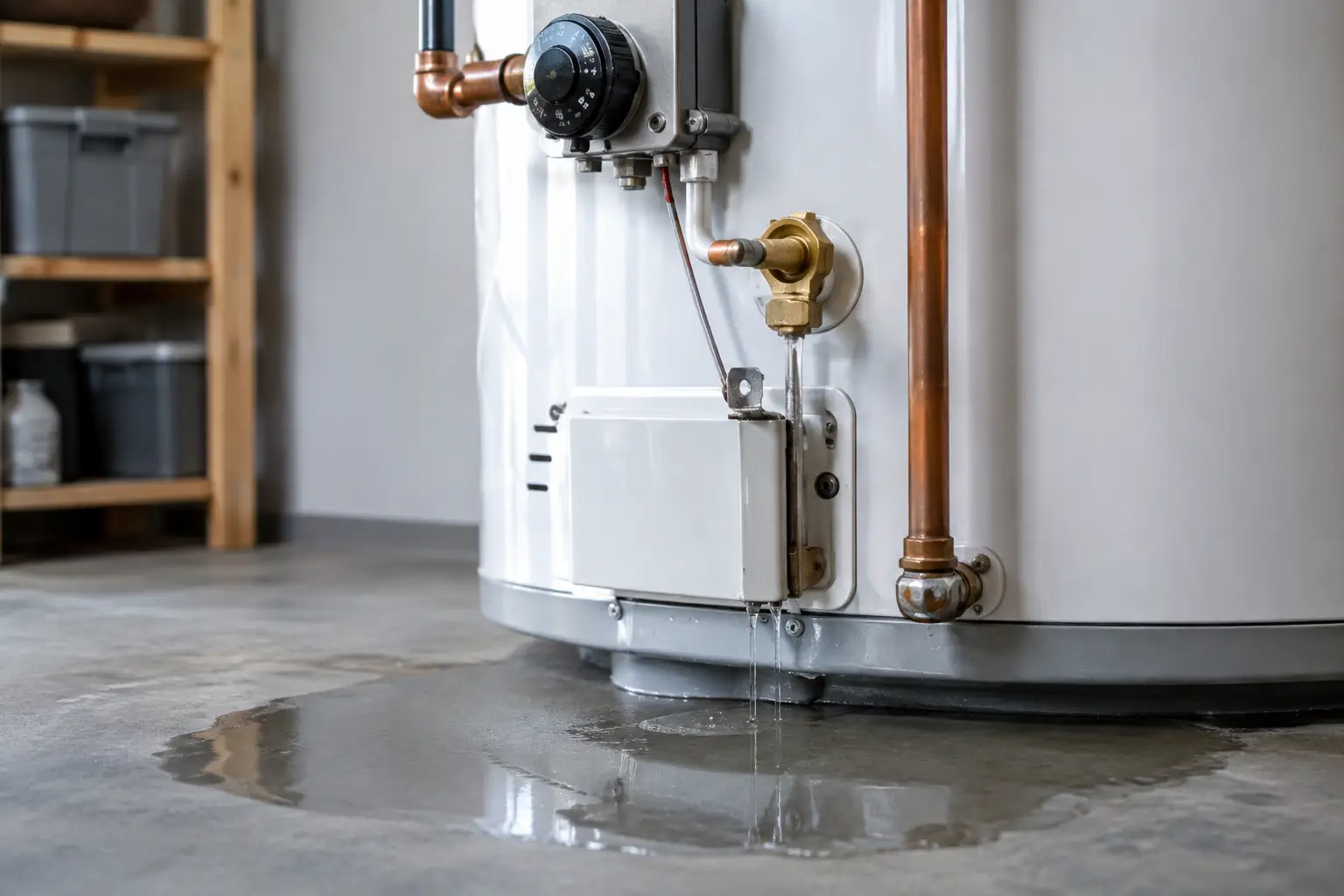
A strong burning smell, smoke, sparks, repeated electrical tripping, or visible water around the furnace also merits immediate attention. Turn the system off if it can be done safely and avoid restarting it until a trained professional has inspected it. Furnaces combine fuel, electricity, combustion, and moving parts. A temporary workaround is not worth creating a larger repair or safety risk.
Safe First Steps Before You Call
Once everyone is safe and there are no signs of a gas leak or carbon monoxide issue, a few basic observations can help make the service visit more efficient. Check that the thermostat is set to heat and set above the current room temperature. Confirm the furnace switch and breaker have not been turned off. If the system uses a standard air filter, look for a visibly packed or blocked filter.
You can also note what happened before the heat stopped. Did the furnace begin making a new noise? Did it cycle on and off repeatedly? Is air coming from the vents but staying cool? Are certain rooms warm while others are cold? These details help narrow the diagnosis without asking you to handle gas lines, internal wiring, or combustion components.
If the furnace has a display or indicator light, write down any visible error code. Do not repeatedly reset the equipment in an effort to force it to run. Repeated resets can mask a fault, put extra strain on components, or delay identification of the underlying problem.
While waiting for service, close curtains, keep exterior doors shut, and gather household members into the warmest safe area of the home. Use only properly rated portable heaters according to their instructions, keeping them clear of bedding, furniture, rugs, and other combustible materials. Never use an oven, stove, grill, or outdoor fuel-burning appliance to heat an indoor space.
Common Reasons a Furnace Stops Heating
Furnace problems can look similar from the thermostat, but their causes vary. A NATE-certified technician should test the system rather than guess, because the correct repair depends on the sequence of operation and the condition of each safety control.
Ignition and flame-sensing problems
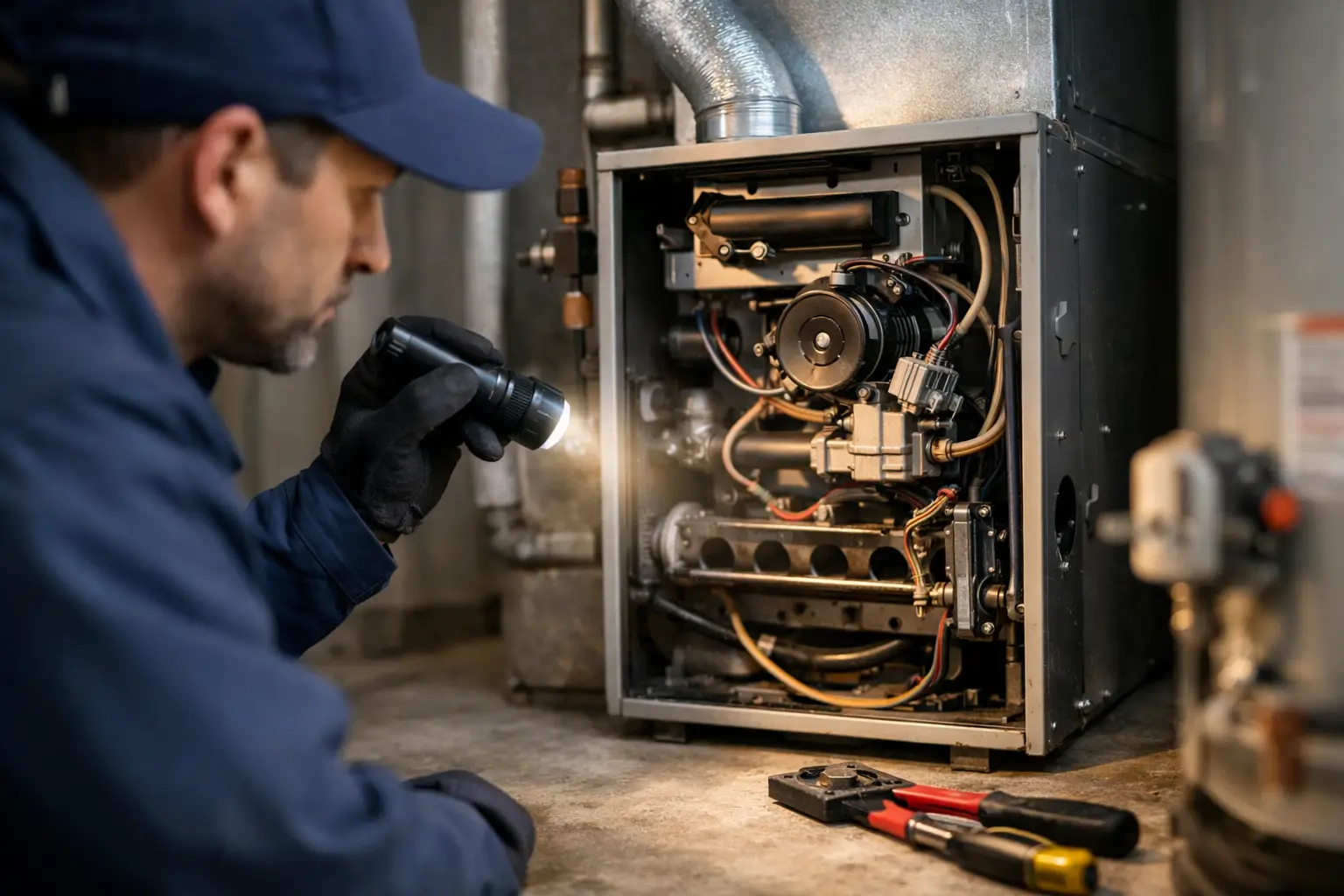
Modern gas furnaces rely on an ignition sequence to light the burners and verify a stable flame. A failed igniter, dirty flame sensor, gas supply issue, or malfunctioning control can interrupt that sequence. The unit may start its cycle and then shut down before warm air reaches the rooms.
Airflow restrictions and overheating
A severely clogged filter, blocked return air path, or blower issue can restrict airflow. In some cases, the furnace overheats and its safety limit shuts the burners down. Replacing an ordinary filter is a reasonable maintenance task, but recurring overheating needs professional diagnosis. The problem may involve airflow design, a blower motor, ductwork, or another component that should not be overlooked.
Thermostat, electrical, or control failures
A thermostat can lose power, develop a wiring issue, or fail to communicate properly with the heating equipment. Furnaces also depend on breakers, switches, control boards, pressure switches, and safety devices working in the proper order. What appears to be a furnace failure may be a control problem, but it takes testing to confirm it.
Condensate and venting concerns
High-efficiency furnaces produce condensate that must drain correctly. A blocked drain, frozen exterior termination, or venting issue can cause a safety shutdown. In winter, snow and ice around exterior vent pipes can be a concern. You may visually check whether outdoor openings are plainly blocked by snow, but avoid dismantling venting or attempting repairs. Proper venting is critical to safe combustion.
What Professional Emergency Furnace Repair Should Include
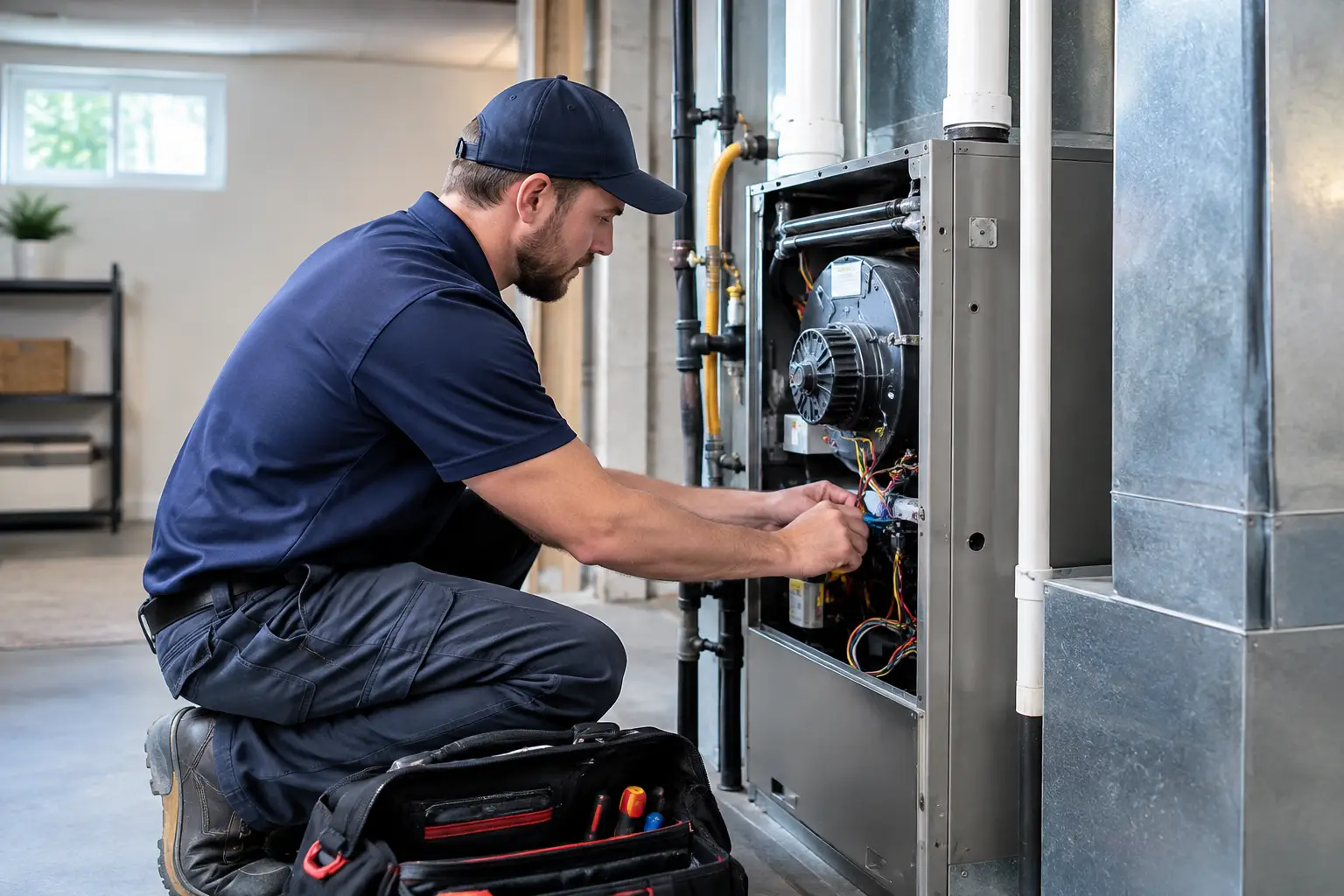
Emergency service should bring clarity, not pressure. A technician should listen to what happened, inspect the system safely, and explain the findings in plain language. The goal is to identify why the furnace stopped operating, confirm whether it can be repaired safely, and outline practical next steps before work begins.
A careful diagnosis may include checking electrical operation, ignition performance, airflow, safety controls, venting, condensate drainage, and visible signs of wear. The technician should also consider the furnace’s age, repair history, condition, and expected reliability after the repair. A single failed part in an otherwise sound system may support a straightforward repair. Frequent breakdowns, corrosion, major heat exchanger concerns, or mounting repairs can change that conversation.
Replacement is not automatically the right answer because a furnace is old. Repair can be the responsible choice when it restores safe, dependable operation and the system has useful service life left. On the other hand, continuing to repair an unreliable unit can be more disruptive for a homeowner or property manager over time. The best recommendation is specific to the equipment and supported by clear findings, not a one-size-fits-all sales pitch.
At Shad Heating & Cooling, the focus is on transparent recommendations, honest upfront pricing, and repair work that supports lasting comfort rather than a short-lived fix. Clean workmanship matters during an urgent visit, too. A heating emergency should not leave you with unanswered questions or a mess in the mechanical area.
Avoiding the Next Heating Emergency
Not every furnace failure can be predicted. Electrical components can fail suddenly, and severe weather can expose a problem that was not obvious during mild conditions. Still, regular maintenance gives a technician the opportunity to spot worn parts, restricted airflow, drainage issues, combustion concerns, and performance changes before they become a no-heat call.
Schedule maintenance before the coldest stretch of the season when possible. Change filters on an appropriate schedule for the home, especially if there are pets, construction dust, or higher indoor-air-quality needs. Keep supply and return vents clear, avoid closing off too many rooms, and make sure carbon monoxide alarms are installed and tested according to manufacturer instructions.
For landlords and property owners, a maintenance plan can also make winter operations more predictable. Documenting service history, responding to unusual tenant reports early, and addressing uneven heating can reduce the chance that a manageable issue turns into an after-hours emergency.
A furnace that loses heat deserves prompt, informed care. Protect the building, avoid risky repairs, and choose a technician who explains the cause and the options clearly. Reliable comfort is built through safe decisions at the moment of failure and thoughtful maintenance once the heat is back on.
Written by the Shad Heating & Cooling team
Emergency Furnace Repair FAQs
Should I turn my furnace off if it is blowing cold air?
If there are no burning smells, gas odors, or carbon monoxide concerns, you can turn it off and contact a qualified HVAC technician. Do not keep cycling it repeatedly in an attempt to restore heat.
Is a carbon monoxide alarm related to my furnace?
It can be. Treat every carbon monoxide alarm as an emergency: leave the building, get to fresh air, and contact emergency services or the gas utility from outside.
Can a dirty filter cause a furnace to stop working?
Yes. A heavily clogged filter can restrict airflow and contribute to overheating or shutdowns. If problems continue after installing the correct clean filter, professional diagnosis is needed.
When should I consider furnace replacement instead of repair?
Consider replacement when repairs are frequent, safety-related components are compromised, or the furnace cannot provide dependable performance. A technician can explain the condition of your specific system and the trade-offs clearly.