A furnace that starts, runs briefly, and shuts off before your home feels warm is doing more than testing your patience. If you are asking why furnace keeps turning off, the answer may be as simple as restricted airflow or as serious as a safety-control issue. In Chicago winter weather, repeated shutdowns can leave a home uncomfortable quickly, so it is worth addressing the pattern early rather than waiting for a complete breakdown.
Some shutdowns are normal. A properly operating furnace cycles off once it reaches the thermostat setting, then starts again later as the temperature drops. The concern is short cycling: the furnace turns on, runs for only a few minutes, shuts down, then repeats the process without adequately heating the space. Short cycling wastes energy, adds wear to key components, and can point to a problem that needs professional attention.
Why a Furnace Keeps Turning Off Before Heating the Home
Furnaces are designed with several safety controls. When one detects overheating, poor combustion, venting trouble, or another unsafe condition, it may shut the burners down to protect your home and the equipment. That is a good safeguard, but it is not a condition to ignore.
Restricted airflow can cause overheating
A dirty air filter is one of the most common reasons for a furnace to shut down early. When the system cannot pull enough return air through the filter, it may overheat. The high-limit safety switch then stops the burners until the furnace cools down. The cycle can repeat again and again.
A clogged filter is not the only airflow issue. Closed supply registers, blocked return grilles, collapsed or damaged ductwork, and a blower problem can create similar symptoms. Furniture, rugs, or storage items placed over return vents can also restrict the air the furnace needs to operate correctly.
Homeowners can safely check whether the filter looks dirty and whether return and supply vents are open and unobstructed. Use the filter size and type recommended for your system. Installing a filter that is too restrictive can reduce airflow even if it is clean.
The flame sensor may be dirty or failing
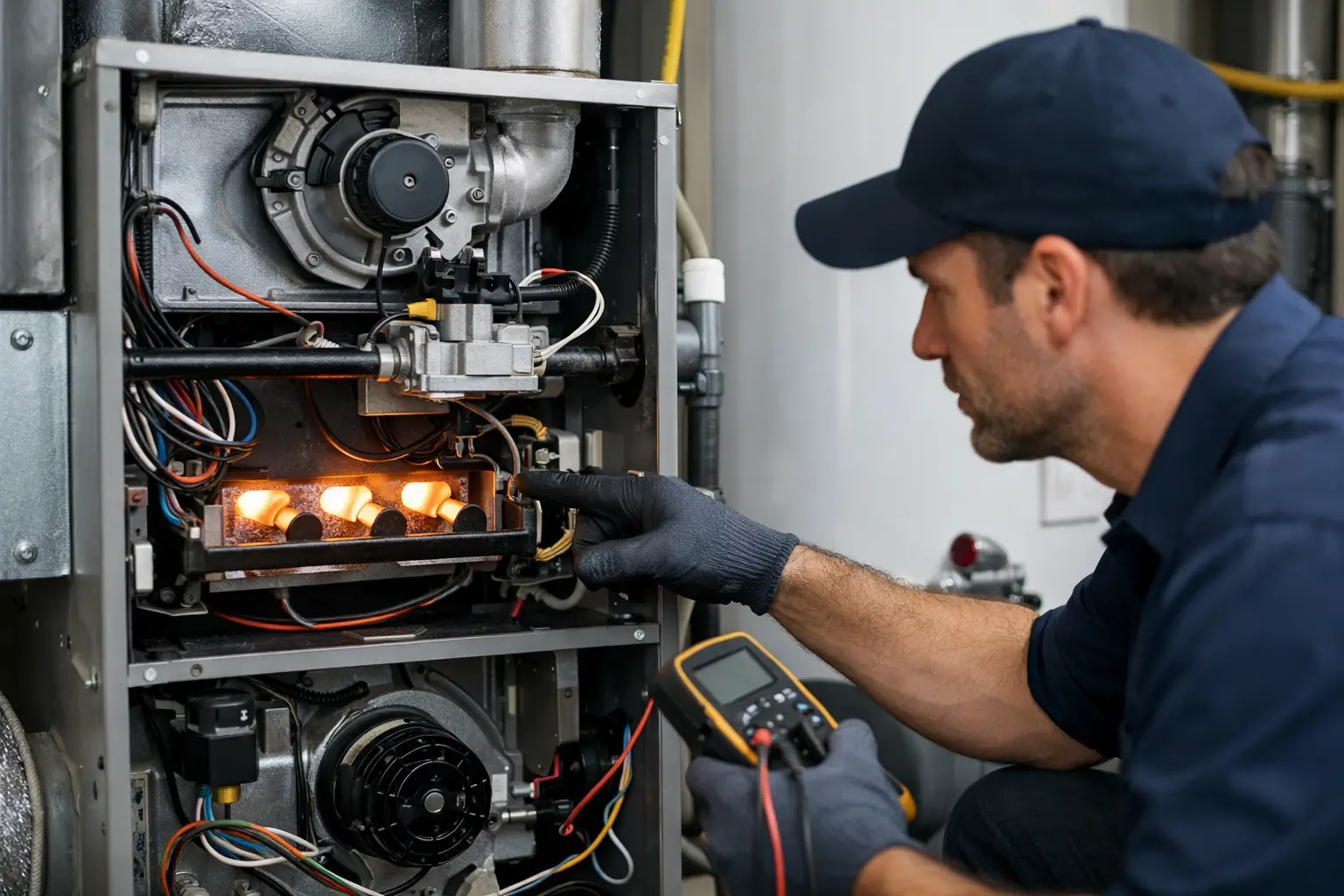
On many gas furnaces, the burners ignite and a flame sensor confirms that a steady flame is present. If the sensor cannot verify the flame, the control board shuts off the gas supply within seconds. This prevents unburned gas from accumulating.
A furnace with this issue often starts normally, lights briefly, and then shuts down. It may try again several times before locking out. While a technician can clean or replace the sensor when appropriate, this is not a repair to improvise. Gas-fired equipment should be inspected carefully to confirm the sensor is the actual cause and that combustion is operating safely.
Thermostat issues can create false signals
Sometimes the furnace is not the root problem. A thermostat placed near a heat source, in direct sunlight, or next to a drafty exterior door can read the room temperature inaccurately. It may tell the furnace to stop before the rest of the home is comfortable.
Low batteries, incorrect settings, loose wiring, or a malfunctioning thermostat can also interrupt a heating call. Start with the basic checks: make sure the thermostat is set to Heat, the temperature setting is above the current room temperature, and the batteries are fresh if your model uses them. If the display is blank, cycles are inconsistent, or the thermostat seems unresponsive, an HVAC professional can determine whether the control or the furnace is at fault.
Venting or condensate problems can trigger a shutdown
High-efficiency furnaces rely on intake and exhaust pipes to bring in combustion air and vent gases outdoors. Snow, ice, leaves, nests, or other obstructions around exterior vent terminations can affect safe operation. Condensing furnaces also produce water during normal operation. A blocked condensate drain or a failed drain safety switch can stop the unit.
From outdoors, you can look for obvious snow or debris around the vent openings without disassembling anything. Keep the area clear and avoid placing objects near the pipes. Do not insert tools into the vents or attempt to alter venting connections. A technician should inspect internal pressure switches, drain lines, and venting components.
An oversized furnace may heat too quickly
A furnace that is too large for the space can raise the temperature near the thermostat very quickly and shut off before heat has circulated through the home. This is especially noticeable in homes with uneven temperatures between floors or rooms.
Oversizing is not always the explanation. Poor duct design, weak airflow, insulation gaps, and thermostat location can produce similar symptoms. A proper evaluation considers the home, duct system, insulation, and heating load instead of assuming a larger furnace is the answer. Replacing equipment without addressing the underlying cause can leave the same comfort problem in place.
A failing blower, control board, or safety switch may be involved
If the blower motor does not move enough air, the furnace can overheat and trip its limit switch. Electrical control issues can also cause intermittent operation, error codes, or shutdowns at random points in the heating cycle. A limit switch that repeatedly opens is a symptom to investigate, not a part to bypass or reset repeatedly.
The same principle applies to ignition failures and pressure-switch errors. Modern furnaces are built to stop operating when they cannot verify safe conditions. Repeatedly cycling power or overriding safety controls can make diagnosis harder and may create a safety risk.
What You Can Safely Check First
Before scheduling service, a few basic observations can help narrow down why your furnace keeps turning off. Check the thermostat setting and batteries, inspect the filter, confirm that registers and returns are not blocked, and look outside for visible snow or debris around furnace vent openings.
Then pay attention to the timing. Does the furnace shut off after a few seconds, after several minutes, or only after it has heated part of the home? Does the blower continue running after the burners stop? Are there flashing diagnostic lights on the furnace cabinet? These details give a technician a stronger starting point.
Avoid removing furnace panels while the system is operating. Do not work on gas lines, electrical components, burners, vent pipes, or internal switches. A furnace can involve high voltage, hot surfaces, combustion gases, and carbon monoxide risks, even when the symptom seems minor.
When to Turn the Furnace Off and Call for Help
Turn the system off and seek prompt professional service if you smell gas, notice burning or electrical odors, hear booming or unusual metal noises, see soot, or have a carbon monoxide alarm activate. Leave the home and contact emergency services or your gas utility if you suspect a gas leak or carbon monoxide hazard.
You should also schedule furnace repair if changing a dirty filter does not solve the short cycling, the unit locks out, or the home is not maintaining a safe indoor temperature. For landlords and property owners, an intermittent furnace should be treated as a maintenance priority. Short cycling can become a no-heat call when the system is working hardest.
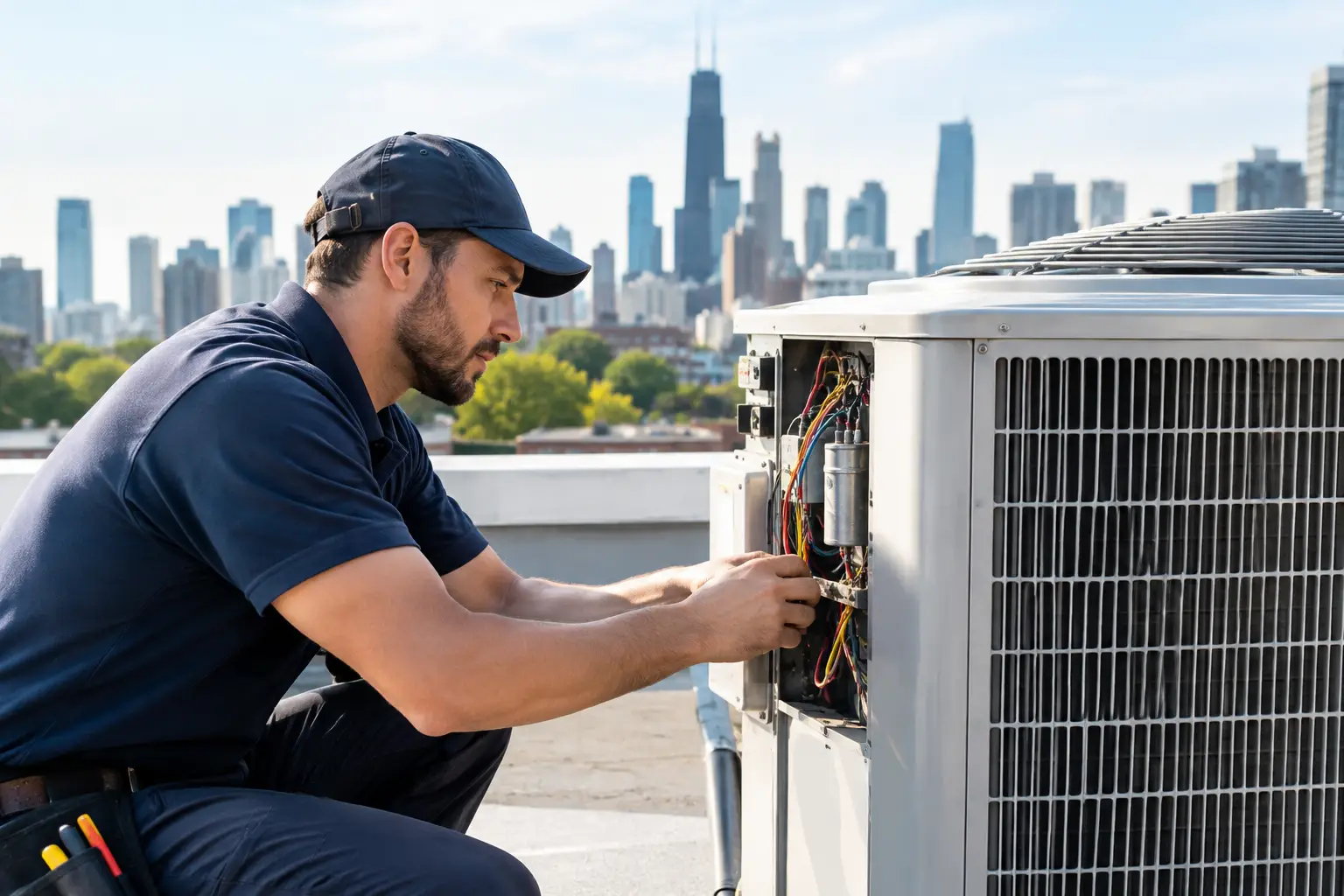
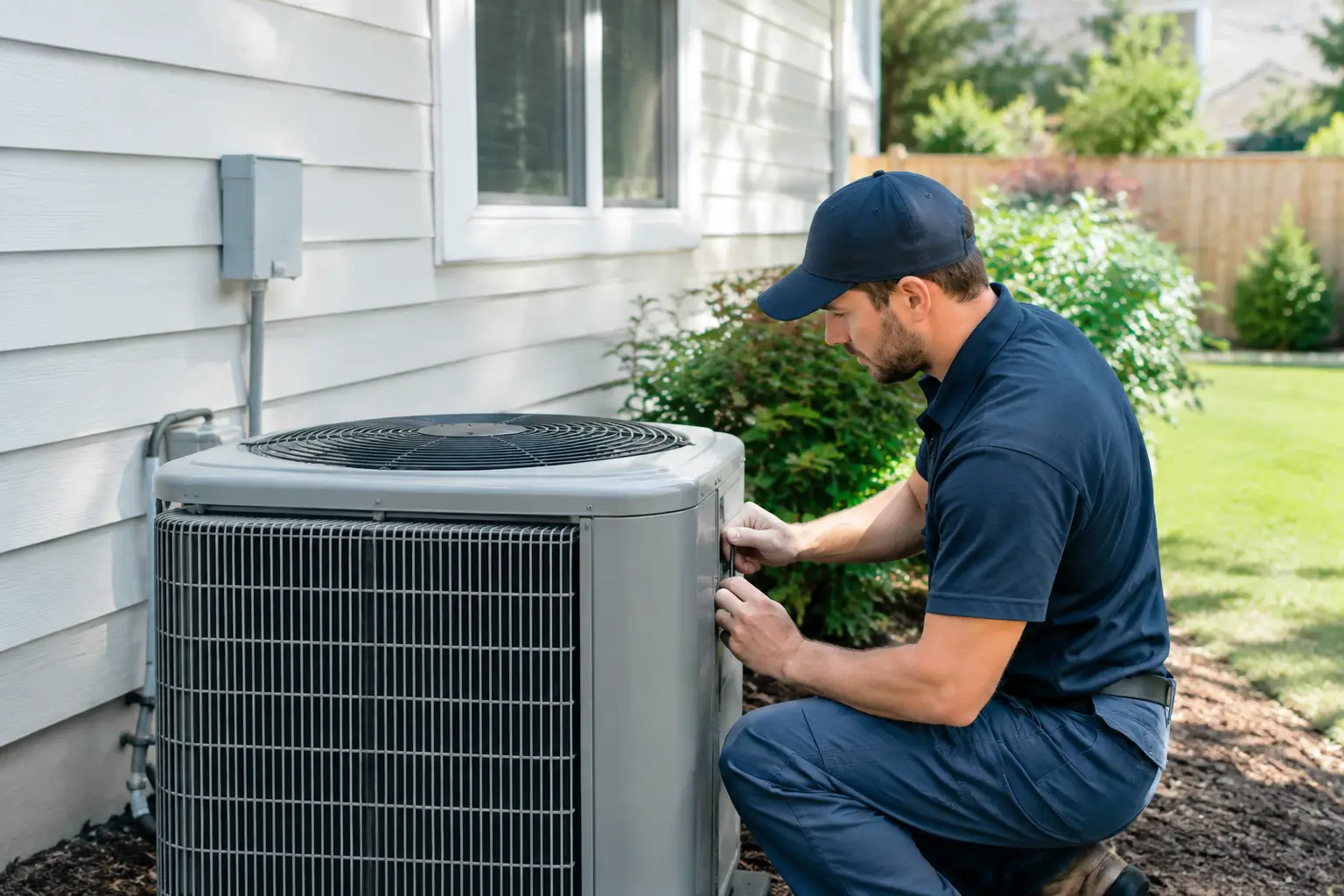
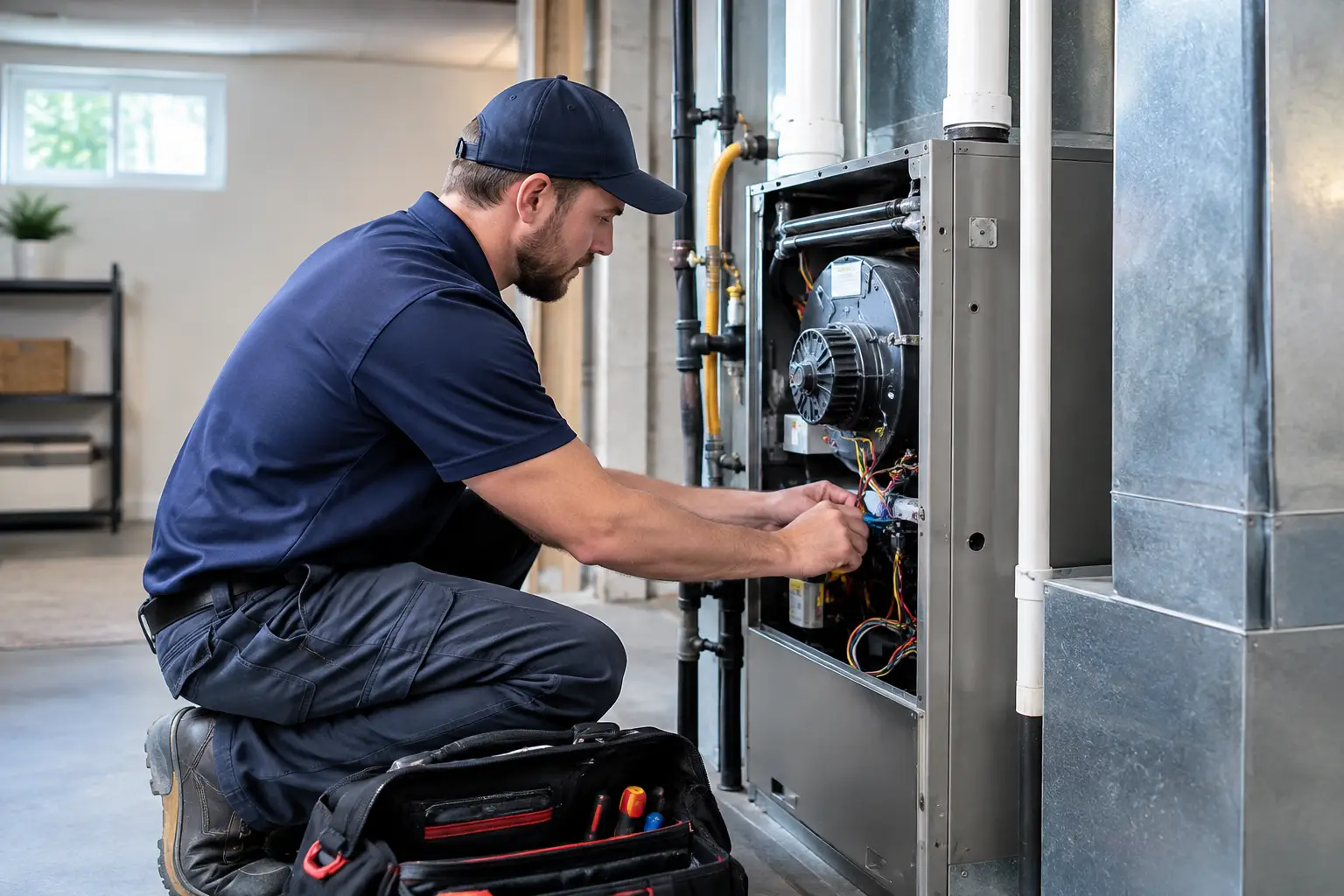
A qualified technician can inspect airflow, thermostat operation, combustion, ignition, venting, condensate drainage, electrical controls, and equipment sizing. The goal should be a clear diagnosis and a repair that supports reliable long-term operation, not a temporary workaround.
For homeowners who want fewer winter surprises, annual heating maintenance is a practical safeguard. A professional tune-up can identify dirty components, weak electrical connections, drainage concerns, and airflow restrictions before they turn into a cold-weather failure. Shad Heating & Cooling provides straightforward furnace diagnostics and repair recommendations focused on safe, lasting comfort.
When your furnace keeps cycling off, trust the safety controls to do their job, but do not let the problem linger. A timely inspection can protect your comfort, reduce unnecessary strain on the system, and help prevent a small issue from becoming a midwinter emergency.
Written by the Shad Heating & Cooling team
Frequently Asked Questions
Is it normal for a furnace to turn off and on?
Yes, normal cycling occurs when the thermostat reaches its set temperature. It is not normal if the furnace runs only a few minutes, repeats often, and does not heat the home adequately.
Can a dirty filter make a furnace shut off?
Yes. A dirty or overly restrictive filter can reduce airflow, cause overheating, and trigger the furnace’s high-limit safety switch.
Why does my furnace turn off after a few seconds?
A furnace that lights and shuts off within seconds may have a flame-sensing or ignition-related issue. A professional should inspect it because gas combustion is involved.
Should I keep resetting a furnace that shuts down?
No. One restart after a basic thermostat and filter check may be reasonable, but repeated resets can mask a safety issue. Schedule professional service if the shutdown continues.