





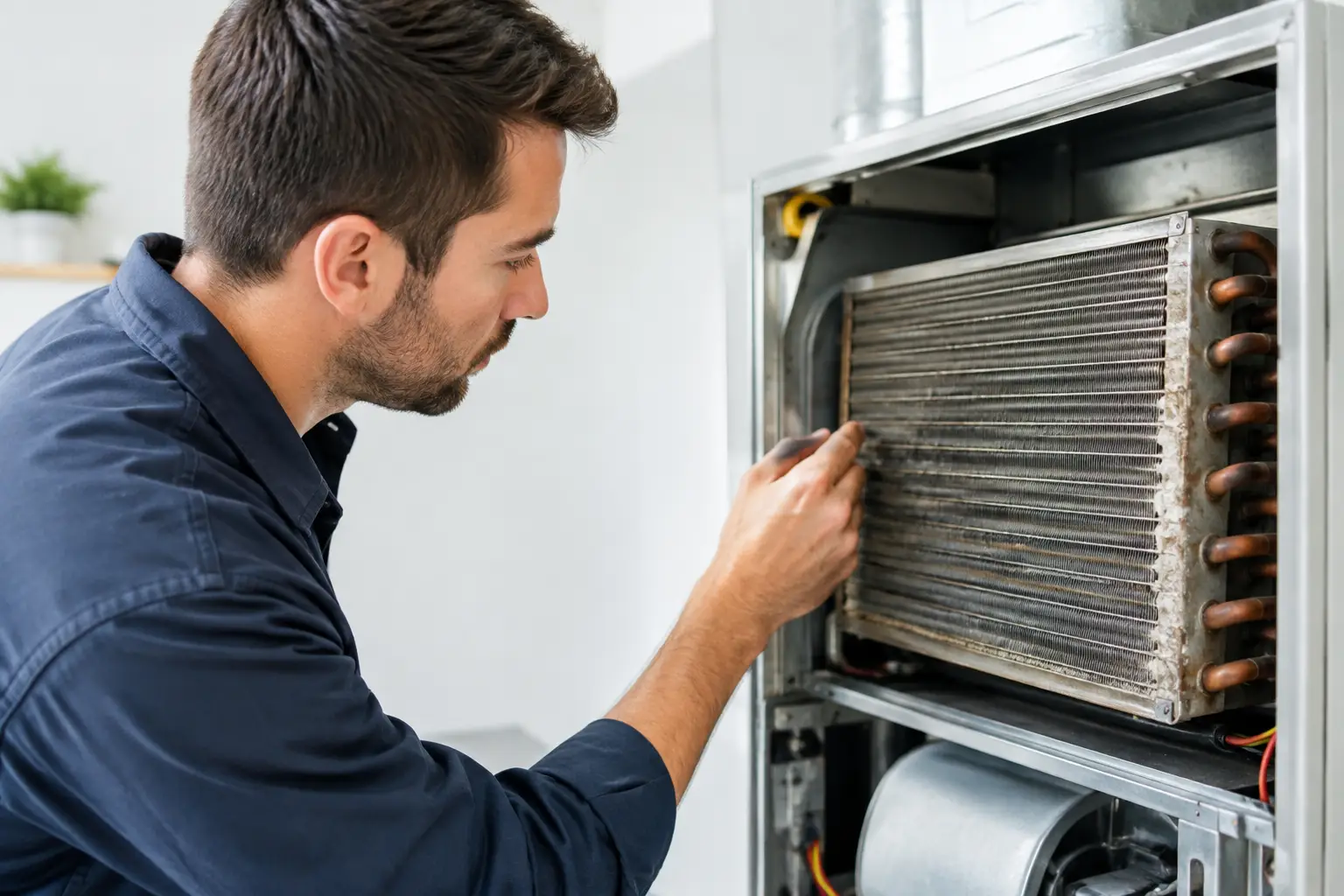

A Chicago air conditioner can sit quiet for months, then be asked to handle a stretch of humid 90-degree days without warning. An AC tuneup checklist helps you prepare before that first demanding heat wave exposes a weak part, a clogged filter, or a system that has been working harder than it should.
A good tuneup is not about finding reasons to replace equipment. It is about confirming that your system is safe, clean, properly operating, and ready to provide dependable comfort. Some items are simple homeowner maintenance. Others require a trained HVAC technician, especially anything involving electrical connections, refrigerant, motors, or system controls.
Your AC Tuneup Checklist Before Summer
Start with what you can observe safely. These quick checks can catch common airflow and comfort problems early, while giving a technician useful information if service is needed.
- Check and replace the air filter if needed. A dirty filter restricts airflow, can make rooms feel uneven, and may increase strain on the blower. Check the filter size and airflow direction before installing a replacement. Homes with pets, construction dust, or high summer use may need more frequent checks.
- Look at the outdoor unit. Remove leaves, grass clippings, loose debris, and stored items from around the condenser. The unit needs open space to release heat effectively. Avoid bending the coil fins or spraying components with a high-pressure hose.
- Inspect supply and return vents. Make sure furniture, rugs, drapes, or storage bins are not blocking registers. Closing too many vents to force cooling into one room can create airflow issues and does not reliably solve uneven temperatures.
- Test the thermostat. Set the thermostat to cooling and listen for the system to start normally. Confirm that the display is accurate, the programmed schedule fits your household routine, and the temperature begins moving in the right direction.
- Check the condensate drain area for visible water. Puddles, dampness, or water stains near the indoor unit deserve prompt attention. Air conditioners remove moisture as they cool, and a blocked drain can lead to water damage or a shutdown.
- Pay attention to sound, smell, and cycling. Rattling, grinding, repeated starts and stops, burning odors, or musty airflow are not normal tuneup findings. Turn off the system if you notice an electrical burning smell and arrange professional service.
These checks do not replace maintenance, but they can prevent a small issue from becoming an inconvenient breakdown on a hot weekend.
What a Professional AC Tuneup Should Include
A complete air-conditioning tuneup should be methodical, not a quick glance at the thermostat. The goal is to evaluate performance across the entire cooling system and identify concerns before they affect comfort, efficiency, or equipment life.
A qualified technician begins by asking how the system has been performing. Rooms that never cool evenly, longer run times, rising utility bills, humidity problems, and new noises all help narrow down where to look. Clear answers matter because the same symptom can have more than one cause. For example, a warm upstairs room may relate to ductwork, insulation, airflow settings, a thermostat location, or equipment capacity – not necessarily a failing air conditioner.
The technician should inspect the indoor and outdoor equipment, verify safe operation, and test key electrical components. This includes examining wiring and connections, checking the contactor and capacitor, evaluating the blower and condenser fan operation, and confirming that controls respond correctly. Electrical wear often develops gradually. Finding a weak component during planned maintenance may help avoid a no-cooling call later.
Airflow is another central part of the visit. The technician may evaluate the filter condition, blower performance, evaporator coil condition, return-air pathways, and supply temperature. Restricted airflow can reduce cooling output and increase operating stress. It can also contribute to frozen coils, short cycling, or rooms that feel stuffy even while the system is running.
The outdoor coil needs attention as well. Dirt and debris limit the system’s ability to move heat outdoors. A technician can assess coil condition and clean it appropriately when needed, while checking that the condenser fan and surrounding area support proper heat transfer.
A professional tuneup also includes checking the condensate system. In Chicago’s humid summer weather, air conditioners can produce substantial moisture. The drain line, pan, and related safety switches should be inspected for blockage risk or signs of leakage. This is a practical step that protects both comfort and the area around your indoor equipment.
Finally, the technician should measure system performance and assess refrigerant operation. Refrigerant is not a fuel that should simply be topped off each season. If a system is low, it may indicate a leak or another underlying issue that needs a proper diagnosis. Refrigerant work requires the right training, tools, and procedures, so this is not a homeowner maintenance task.
Signs Your System Needs More Than a Tuneup
Maintenance can correct some common problems, but it cannot solve every issue. If your AC has been unreliable, a tuneup may identify a repair need rather than provide an immediate cure. That is why an honest inspection should separate routine maintenance from recommended repairs and explain the reason for each recommendation.
Schedule service promptly if your system blows warm air, trips a breaker, leaks water, makes loud mechanical noises, gives off a burning smell, or cannot keep up with normal cooling demand. Frequent cycling, ice on refrigerant lines, weak airflow, and unusually high indoor humidity also call for a professional evaluation.
Age and repair history matter, too. An older system can still be worth maintaining if it is operating safely and reliably. But when repairs become frequent, energy use rises, or comfort remains inconsistent after appropriate repairs, it may be time to discuss replacement options. A trustworthy contractor should explain the trade-offs clearly, including repair scope, expected reliability, efficiency opportunities, and whether the equipment suits the building.
Timing Matters for Chicago Properties
The best time for an AC tuneup is before consistent cooling weather arrives, typically in spring. Scheduling early gives you more flexibility and allows time to address a discovered issue without the pressure of a heat emergency. It is also useful for landlords and small-business owners who need to prepare multiple units or occupied spaces before summer complaints begin.
That said, maintenance is still worthwhile later in the season. If the system is running longer than usual, cooling unevenly, or showing warning signs, do not wait for the calendar to reset. A midseason check can help protect comfort and limit further strain.
For many homes, annual professional maintenance is appropriate. Systems exposed to heavy use, pet hair, cottonwood debris, renovation dust, or challenging airflow conditions may benefit from closer attention. The right schedule depends on the equipment, home, and how it has performed – not a one-size-fits-all sales pitch.
How to Get More Value From the Visit
Before the appointment, make a short note of what you have noticed: rooms that run hot, changes in noise, thermostat concerns, water near the equipment, or times of day when the system struggles. Mention recent renovations, new occupants, or changes to how a space is used. Those details help the technician investigate efficiently.
During the visit, ask what was inspected, what was found, and what should be monitored. You should receive a clear explanation in plain language, not vague warnings or pressure to approve work you do not understand. Shad Heating & Cooling approaches tuneups as an opportunity to protect long-term reliability, with clean workmanship and straightforward recommendations based on the condition of your system.
A well-maintained air conditioner cannot prevent every future repair, but it gives you better information and fewer surprises. That is valuable whether you own a single-family home, manage a rental property, or keep a small business comfortable for customers and staff.
Written by the Shad Heating & Cooling team
Frequently Asked Questions
How often should I schedule an AC tuneup?
Most central air-conditioning systems should receive professional maintenance once a year, preferably before the cooling season. More frequent attention may make sense for heavily used or problem-prone systems.
Can I run my AC with a dirty filter?
It may still run, but restricted airflow can reduce comfort and place unnecessary strain on the system. Check the filter regularly and replace it when it is visibly dirty or according to the filter manufacturer’s guidance.
Does an AC tuneup include refrigerant?
A technician should assess refrigerant performance as part of a complete inspection. Refrigerant should not be added routinely unless testing shows a specific issue that requires diagnosis and repair.
What should I do if my AC stops cooling during a heat wave?
Check the thermostat setting and filter, then contact a qualified HVAC professional if the system still is not cooling normally. Acting early helps protect your home, tenants, customers, and equipment from a longer interruption in comfort.