

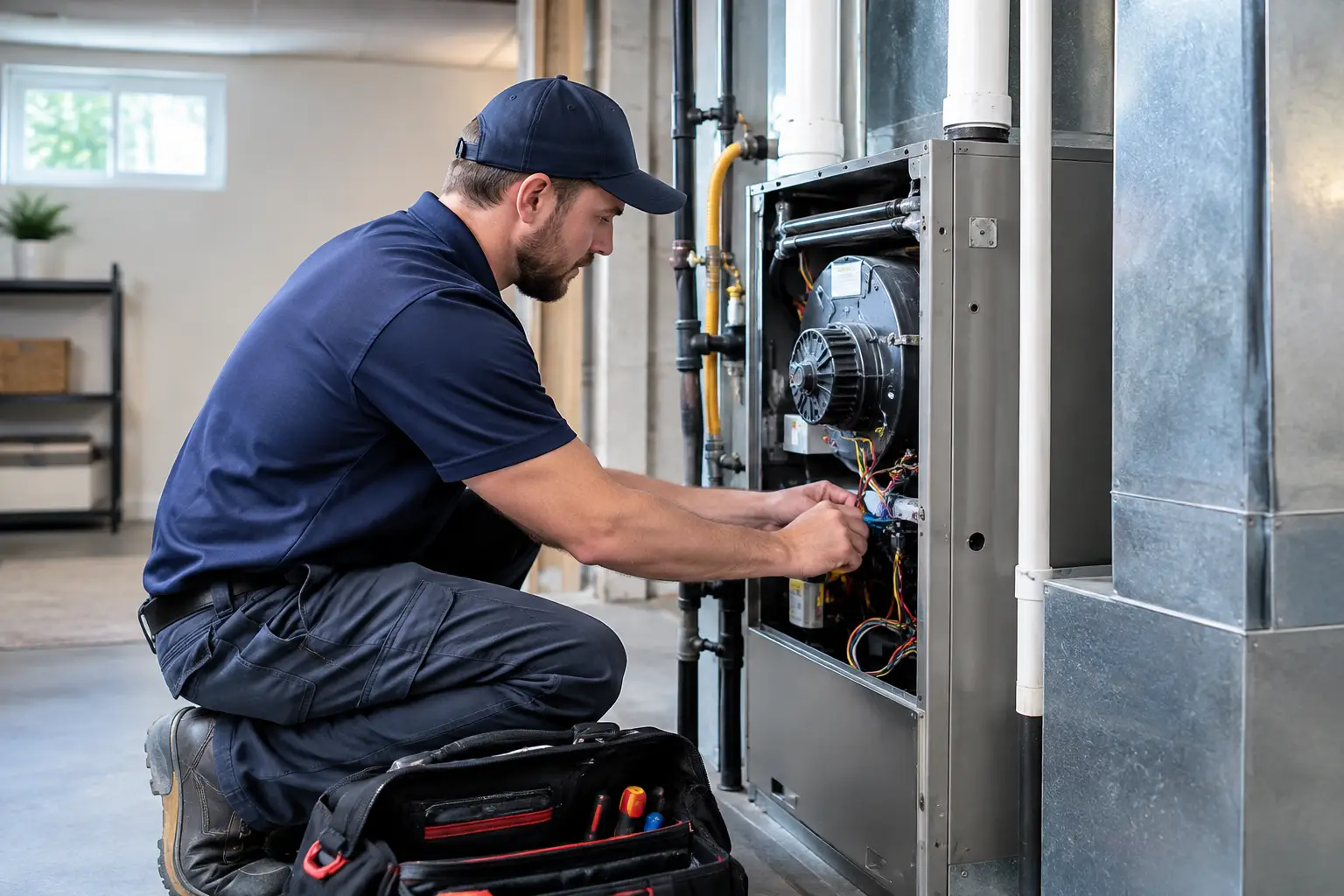

A home that used to cool comfortably but now runs for long stretches without reaching the thermostat setting may have more than a minor AC problem. AC refrigerant leak repair addresses a sealed-system issue that can reduce comfort, raise energy use, and place added strain on expensive equipment. Simply adding refrigerant may restore cooling for a while, but it does not solve the source of the loss.
For Chicago homeowners, landlords, and small-business owners, a refrigerant leak can be especially frustrating during a humid summer stretch. The right response is a careful diagnosis, a clear explanation of the condition of the system, and a repair recommendation built around lasting performance rather than a temporary recharge.
What Refrigerant Does in Your Air Conditioner
Refrigerant is the fluid that carries heat out of your indoor space. As it moves through the AC system, it absorbs heat indoors and releases it outside. Unlike fuel, refrigerant is not supposed to be used up during normal operation. A properly sealed air conditioner should maintain its refrigerant charge for years.
When the level is low, the system cannot move heat effectively. Your AC may still produce some cool air, but it will work harder and longer to do it. That extended run time can increase utility costs and contribute to wear on components such as the compressor.
A refrigerant issue is not always a leak. Incorrect charging from prior service, a damaged coil, or another system problem can create similar symptoms. That is why testing matters before any repair decision is made.
Signs You May Need AC Refrigerant Leak Repair
Low refrigerant often causes a pattern of comfort and performance problems rather than one obvious failure. If your air conditioner is running but the home feels warmer or more humid than usual, it is worth scheduling an inspection.
Common signs include weak or lukewarm air from supply vents, cooling cycles that run much longer than normal, ice or frost on refrigerant lines or the indoor coil, and rising electric bills without a clear change in usage. You may also notice that certain rooms never catch up, even though the system seems to run continuously.
Ice is a particularly important warning sign. It can look like proof that the AC is working extra hard, but frozen equipment usually indicates that airflow or refrigerant pressure is outside its normal operating range. Continuing to operate the system in that condition can lead to additional damage. Turn the cooling system off and arrange for a qualified HVAC technician to assess it.
Hissing or bubbling noises near refrigerant lines can also point to a leak, although sound alone is not enough to confirm one. Many HVAC concerns have overlapping symptoms, including dirty filters, blower problems, thermostat issues, duct leakage, and drain complications.
Why Recharging Alone Is Not a Lasting Fix
It is understandable to want the fastest way to get cool air back. In some situations, restoring the refrigerant charge is part of the proper repair process. But when refrigerant has escaped from a sealed system, the leak should be located and evaluated first whenever possible.
A recharge without leak repair can become a repeat expense, especially if the leak is growing. The system may cool temporarily, then gradually lose capacity again. It can also leave the compressor operating under conditions that shorten its service life.
Professional refrigerant handling also matters for safety and environmental responsibility. Refrigerant must be recovered, handled, and charged using proper equipment and procedures. This is not a component homeowners or property managers should attempt to repair themselves.
How a Professional Diagnoses a Refrigerant Leak
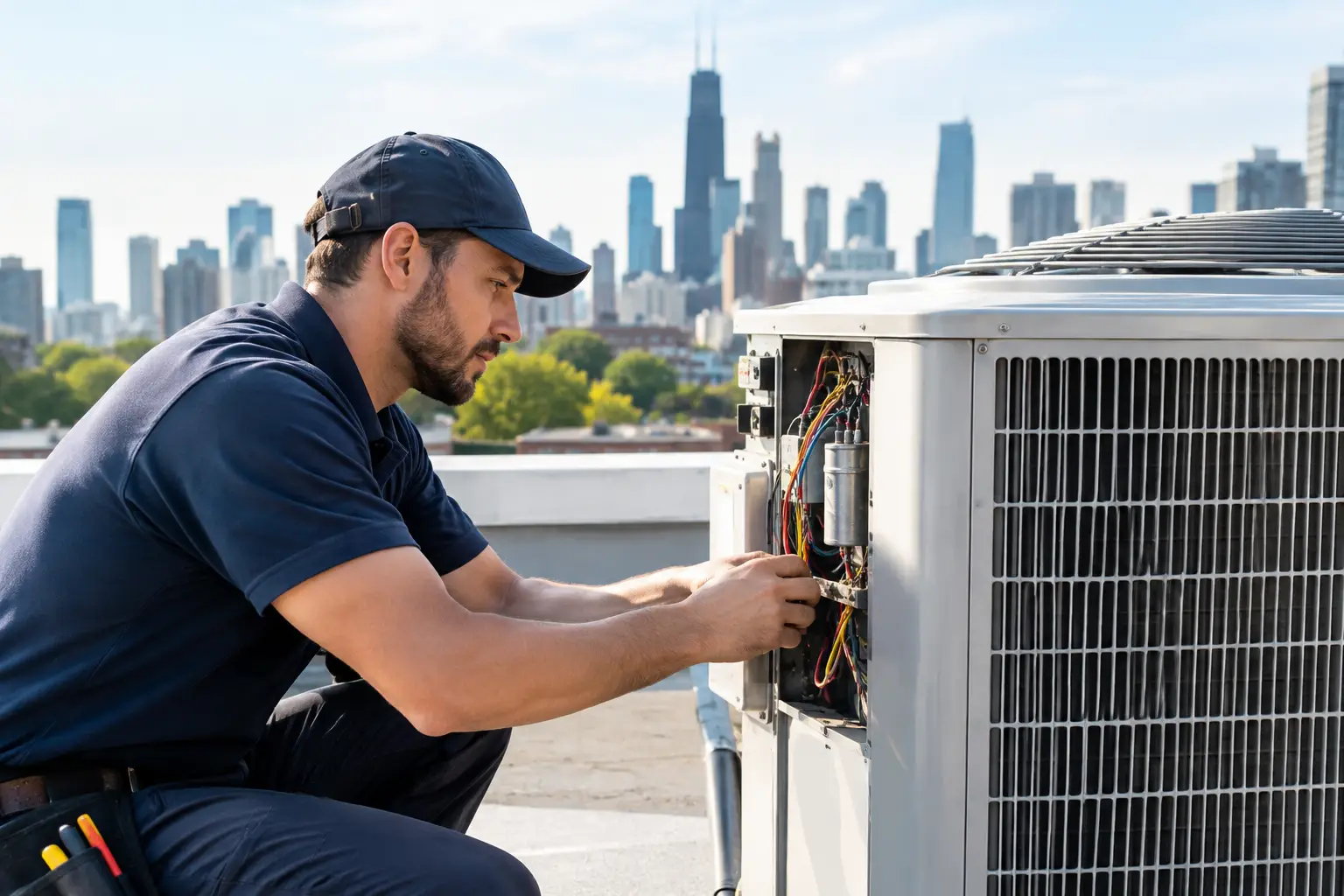
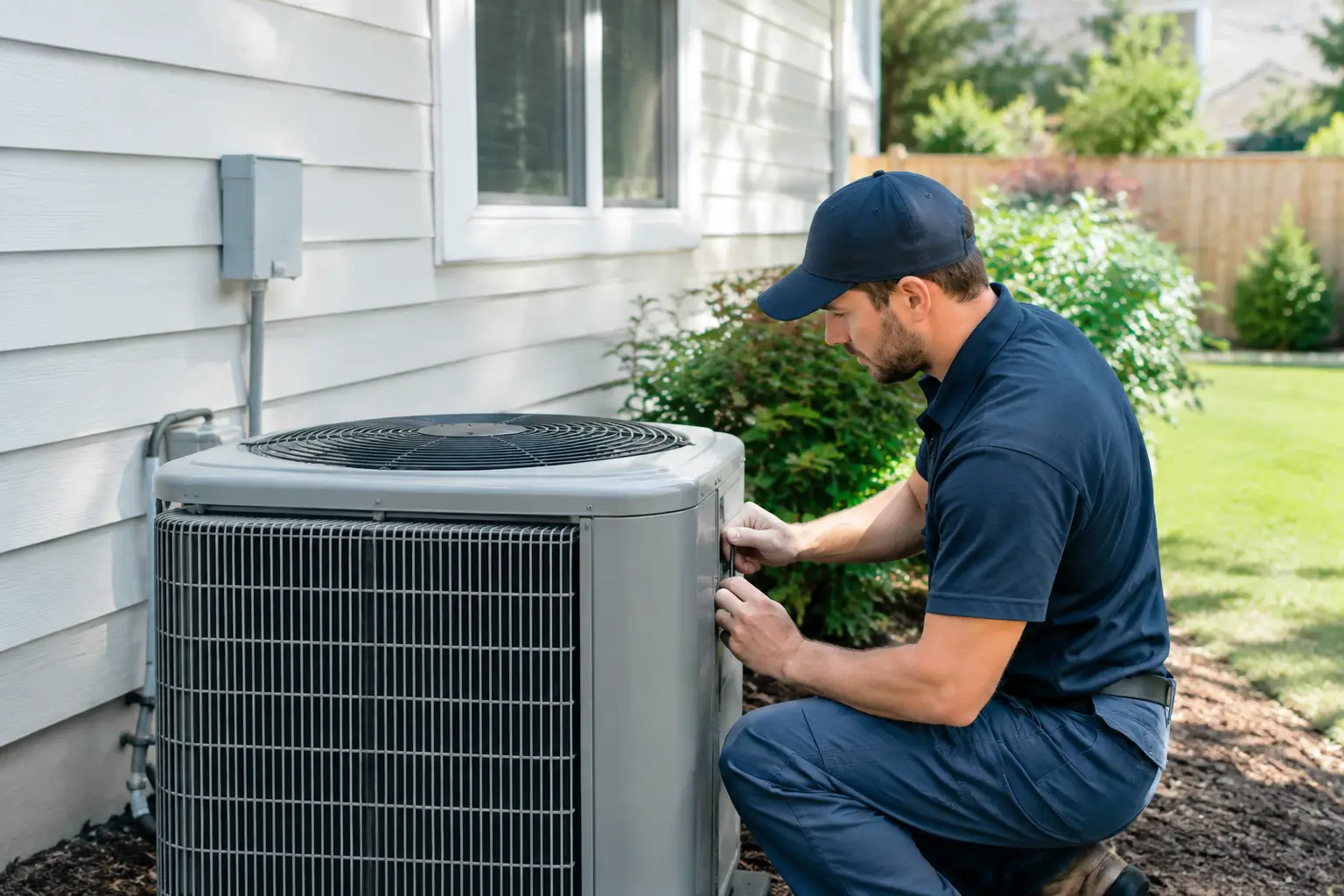
A thorough service visit should begin with listening to the symptoms you have noticed and checking the overall condition of the equipment. A technician will inspect the indoor and outdoor units, review airflow, measure operating pressures and temperatures, and look for signs of oil residue or corrosion around possible leak points.
Depending on the system and the suspected location of the leak, the technician may use electronic detection equipment, approved leak-detection solutions, pressure testing, or other diagnostic methods. The goal is not merely to confirm that the charge is low. It is to determine whether a leak is present, where it is located, and whether the repair makes practical sense for the age and condition of the unit.
At Shad Heating & Cooling, clear findings matter. You should understand what was found, what repair is recommended, and what other options are reasonable before work begins. Honest upfront pricing and straightforward explanations give you the information needed to make a confident decision.
Repair Options Depend on the Leak Location
Not every refrigerant leak has the same repair path. A damaged connection or accessible section of refrigerant line may be repairable. A leak in an evaporator coil, condenser coil, or a hard-to-reach area can involve more extensive work.
The age of the system is part of the decision. If an otherwise reliable air conditioner has a repairable leak and its major components are in good condition, repair may offer good value. If the system is older, has a history of repairs, uses an older refrigerant type, or has a failed coil alongside other wear concerns, replacement may be worth considering.
There is no one-size-fits-all answer. A responsible contractor should not push replacement when a sound repair is available, and should not recommend repeated repairs when they are unlikely to protect your long-term comfort or budget. The best recommendation weighs repair scope, system condition, efficiency, expected reliability, and your plans for the property.
What to Expect During the Repair Process
Once the repair approach is approved, the technician will safely address the leak or replace the affected component as needed. The system should then be tested to verify that it holds properly before refrigerant is added to the manufacturer’s specifications. Final operating checks help confirm cooling performance, temperature split, airflow, and drain operation.
Clean workmanship matters here. Refrigerant repairs can require access to indoor equipment, outdoor units, and line connections, so technicians should protect the work area and leave it clean when the job is complete. Before they leave, they should explain what was repaired and any maintenance steps that will help protect the system going forward.
For rental owners and small commercial spaces, documentation is equally useful. Knowing what was repaired, the system’s condition, and any developing concerns helps with maintenance planning and avoids surprises during peak cooling season.
Can Maintenance Prevent Refrigerant Leaks?
Maintenance cannot prevent every leak. Coil corrosion, vibration, age, and physical damage can affect even well-maintained equipment. However, regular AC maintenance gives a technician an opportunity to identify unusual operating readings, frozen components, damaged insulation, drainage issues, and developing wear before comfort problems become urgent.
Keeping airflow in good condition also protects the system. A clean filter, properly functioning blower, and unobstructed outdoor unit help the AC operate within its intended range. These steps do not repair a sealed-system leak, but they reduce the chance that another issue will mask it or make it worse.
If your system is no longer keeping up, do not assume it just needs more refrigerant. A careful diagnosis can prevent repeat breakdowns, protect major components, and help restore reliable comfort when Chicago heat and humidity arrive.
FAQ
Can I keep using my AC if refrigerant is low?
It is best to limit operation and schedule service. Running a low-charge system can reduce cooling, increase energy use, and strain the compressor.
How does a technician find an AC refrigerant leak?
Technicians use operating measurements and approved leak-detection methods to confirm the leak and identify its likely location before recommending repairs.
Is it better to repair or replace an AC with a refrigerant leak?
It depends on the leak location, repair scope, unit age, overall condition, and history of service. A professional inspection provides the clearest answer.
Will a maintenance visit detect low refrigerant?
Maintenance can reveal warning signs through performance checks, but a dedicated diagnostic visit may be needed to locate and confirm a leak.
Written by the Shad Heating & Cooling team