






A Chicago air conditioner can sit unused for months, then be asked to handle a sudden stretch of 85-degree heat and heavy humidity. That first hot week is when neglected systems often reveal weak capacitors, clogged drains, dirty coils, and airflow problems. AC seasonal preparation gives you time to address those issues before comfort becomes an emergency.
Written by the Shad Heating & Cooling team
A professional tune-up is not about finding work that does not need to be done. It is about verifying that the system is operating safely, efficiently, and reliably – then clearly explaining any concern before a repair moves forward. For homeowners, landlords, and small-business owners, that planning can reduce surprise breakdowns and help protect the useful life of the equipment.
Why AC Seasonal Preparation Matters in Chicago
Chicago summers place more demand on an air conditioner than the temperature alone suggests. Humidity makes indoor spaces feel warmer, and an AC system must remove moisture while cooling the air. If airflow is restricted, the drain system is not working properly, or the equipment is already struggling, indoor comfort can decline quickly.
Seasonal service is also valuable because many AC problems start quietly. A unit may still cool the home while using more energy than usual, cycling too often, or producing uneven temperatures between rooms. Catching a developing issue early is usually less disruptive than waiting for a failure during a heat wave, when service needs rise across the area.
For rental property owners, preparation supports more than comfort. It helps reduce resident complaints, protects property from condensate drainage issues, and creates a clearer maintenance record. Small businesses benefit for similar reasons: an uncomfortable shop, office, or customer area can affect employees and visitors long before the system stops completely.
What a Professional AC Tune-Up Should Cover
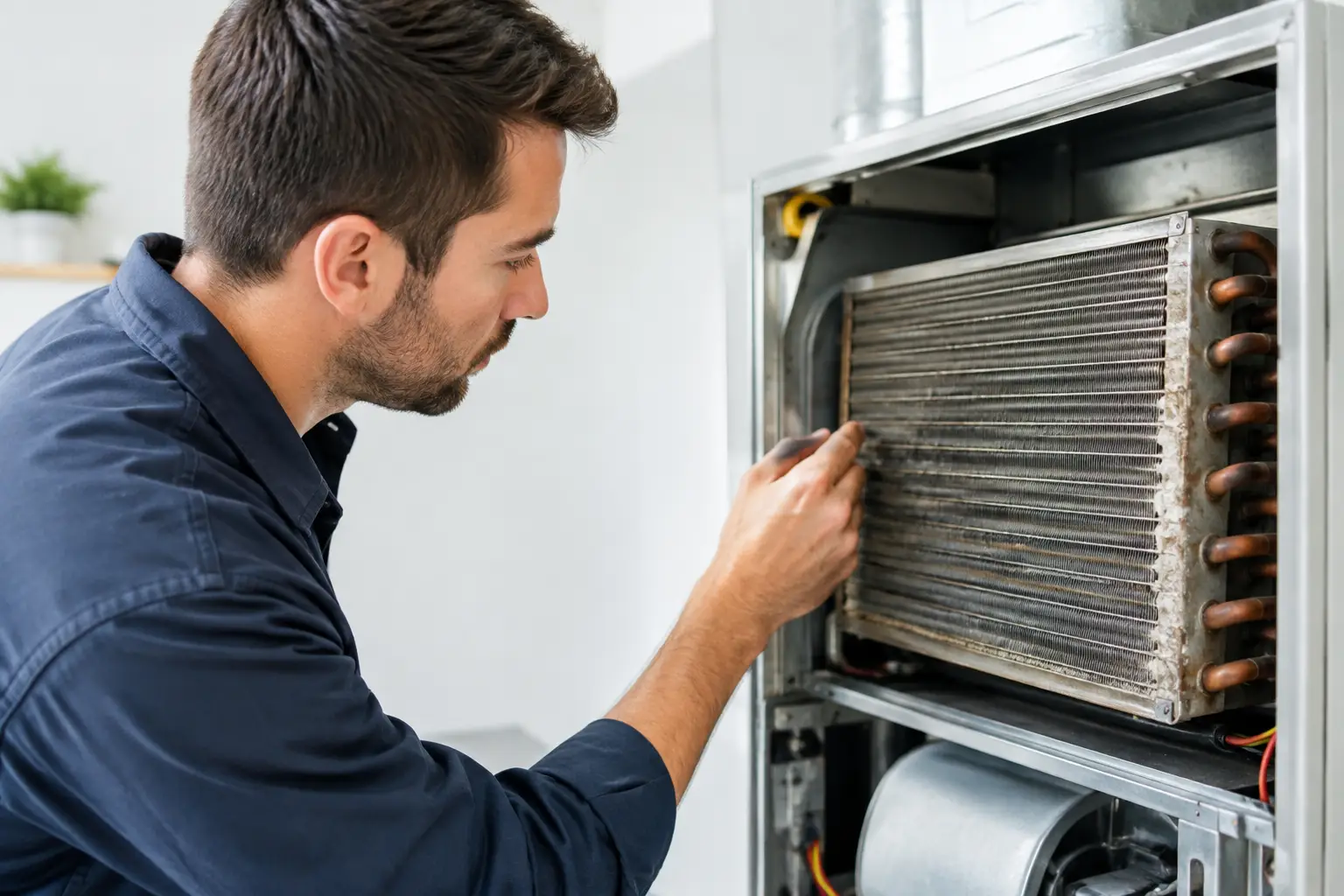
A thorough maintenance visit should be more than a quick look at the outdoor unit. A qualified technician evaluates the cooling system as connected equipment: the outdoor condenser, indoor coil, blower components, thermostat controls, electrical connections, condensate drainage, and airflow path.
The exact scope depends on the system and its condition, but a professional inspection commonly includes cleaning accessible components, checking operating performance, testing controls and safety devices, inspecting electrical parts for wear, and confirming that the condensate drain is flowing properly. The technician should also assess the air filter and look for signs of duct or airflow concerns that may be affecting comfort.
This work matters because AC components affect one another. A dirty filter can restrict airflow. Restricted airflow can make the coil work harder. A drainage issue can lead to water damage or shut the system down. Addressing the whole system helps identify the cause instead of applying a temporary fix to the symptom.
Transparent communication is just as important as the inspection itself. If a repair is recommended, you should understand what part is affected, what may happen if it is left unaddressed, and whether immediate repair is necessary. Honest upfront pricing and a clear explanation allow you to make a decision without pressure.
A Few Safe Steps to Take Before Service
Homeowners do not need to handle refrigerant, electrical components, or internal mechanical repairs to prepare for cooling season. Those jobs require trained service professionals. There are, however, a few simple tasks that can make the appointment more productive and support day-to-day system performance.
Replace a dirty HVAC filter with the correct size and type recommended for your system. Check that supply vents and return grilles are open and not blocked by furniture, rugs, or storage. Outside, remove loose leaves, branches, and debris around the condenser so the unit has room to move air. Do not use sharp tools, high-pressure water, or attempt to straighten coil fins yourself.
It also helps to make note of anything unusual from last summer: rooms that stayed warm, cycling that seemed frequent, odors at startup, water near the indoor equipment, or utility bills that increased without a clear reason. These details give the technician useful context and can speed up diagnosis.
When a Tune-Up May Not Be Enough
Maintenance can correct many minor concerns, but it cannot make every aging system perform like new. If your AC requires frequent repairs, struggles to cool the home during normal summer weather, makes persistent unusual noises, or has rising operating costs, it may be time to discuss replacement options.
Age is one consideration, but it should not be the only one. A well-maintained system can sometimes be a reasonable repair candidate, while a newer unit with recurring major issues may deserve closer evaluation. The right choice depends on the repair history, the condition of key components, comfort concerns, energy use, and how long you plan to own the property.
For homes with hot upstairs rooms or uneven temperatures, replacing the air conditioner alone may not solve the root issue. Duct condition, insulation, thermostat location, zoning needs, and blower performance can all influence results. A careful assessment protects you from paying for equipment that does not address the actual comfort problem.
Don’t Overlook Humidity and Indoor Air Quality
Air conditioning should provide relief from humidity as well as heat. When indoor humidity remains high, rooms can feel sticky even when the thermostat setting appears normal. Windows may show condensation, and musty odors can become more noticeable in basements or areas with limited airflow.
Some humidity concerns are related to AC performance, while others call for a dedicated whole-home dehumidifier or improvements to ventilation and drainage. The answer depends on the home. A professional can help determine whether the cooling equipment is operating properly before recommending additional solutions.
Seasonal preparation is also a practical time to consider indoor air quality. Cleaner airflow and appropriate filtration can be especially helpful during summer, when homes are closed up and the HVAC system runs more often. For households managing allergies, pets, dust, or moisture concerns, an air-quality conversation can be part of a larger comfort plan rather than an unnecessary add-on.
Timing Your Seasonal Appointment
The best time for AC maintenance is before you need the system every day. Spring appointments often provide room to address a repair or replacement decision without the pressure of a hot, humid indoor space. If spring has passed, it is still worthwhile to schedule service rather than assume the system is ready for the season.
Property owners with multiple units may benefit from planning maintenance in stages, particularly for multifamily buildings or commercial spaces. This approach can make scheduling easier and help identify equipment nearing the end of its service life before it causes an unexpected disruption.
At Shad Heating & Cooling, NATE-certified technicians focus on clean workmanship, clear recommendations, and lasting system reliability. Whether the need is a routine tune-up, an airflow concern, or an urgent cooling repair, the goal is dependable comfort without hidden fees or guesswork.
A prepared AC system cannot prevent every failure, but it gives your home or property a stronger start to summer. Schedule attention while the system can be evaluated on your terms, not after indoor comfort has already become a problem.
Frequently Asked Questions
How often should an air conditioner be serviced?
Most central AC systems should receive professional maintenance once each year, ideally before the heavy cooling season begins.
Can I run my AC if it has not been serviced yet?
You can, but do not ignore weak airflow, warm air, water leaks, unusual noises, or frequent cycling. Prompt service can prevent a smaller problem from becoming a breakdown.
Does changing the filter count as AC maintenance?
Filter replacement is an important homeowner task, but it does not replace a professional inspection of electrical components, coils, drainage, controls, and overall operation.
What is the best first step if my home stays humid?
Have the cooling system evaluated first. Once its performance and drainage are confirmed, you can make an informed decision about airflow improvements or dehumidification for more reliable comfort.