






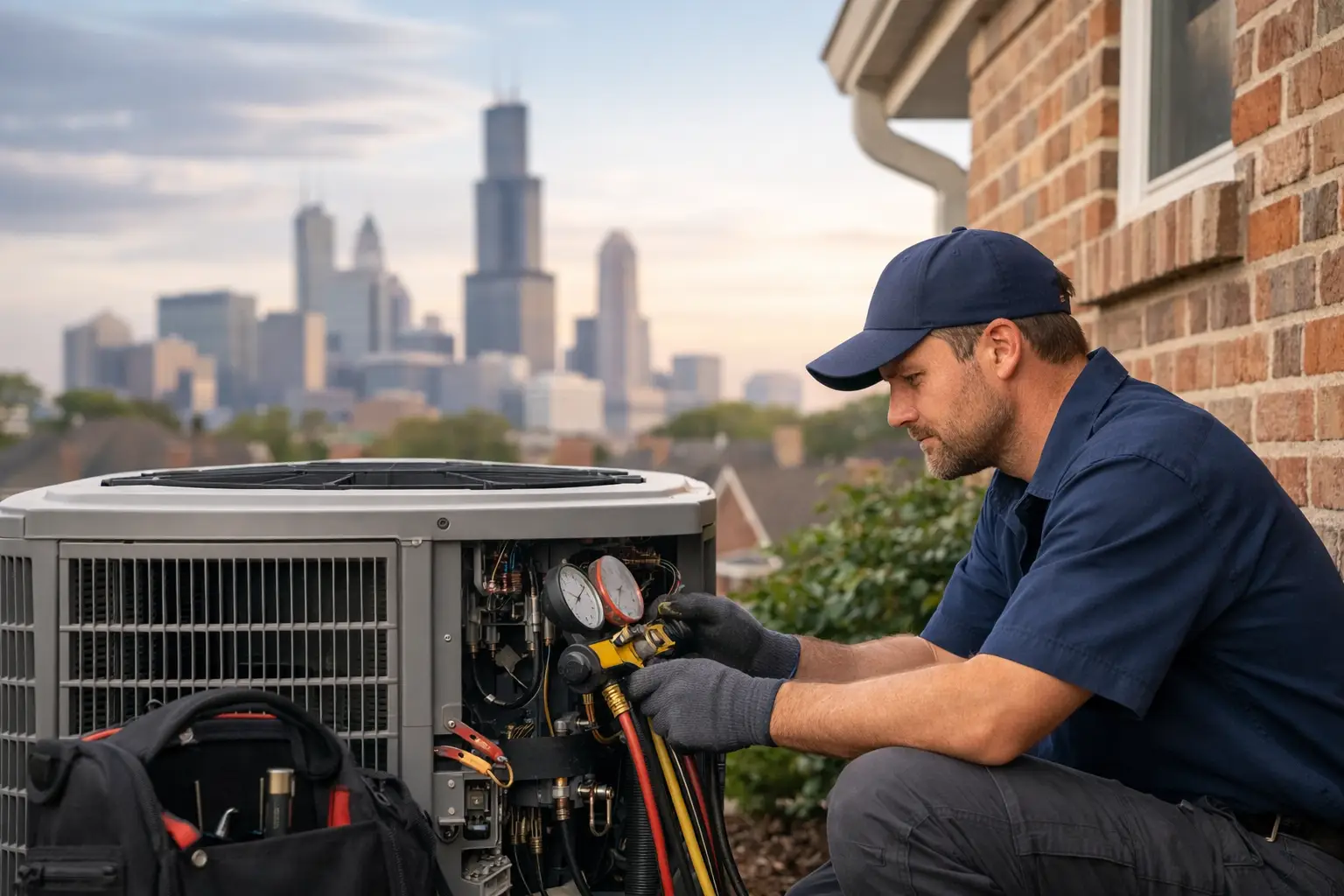
A Chicago heat wave can turn a broken air conditioner from an inconvenience into an urgent comfort and safety concern within hours. When you need emergency AC repair Chicago homeowners can depend on, the priority is not a rushed guess or a temporary patch. It is identifying what failed, protecting the system from further damage, and restoring reliable cooling with clear communication at every step.
For homeowners, landlords, and small-business owners, knowing what counts as an AC emergency can make the next decision much easier. Some problems can wait for a standard appointment. Others deserve immediate professional attention, especially when heat, electrical concerns, water damage, or vulnerable occupants are involved.
When an AC Problem Becomes an Emergency
Not every cooling issue requires after-hours service, but a complete loss of cooling during high heat is often more than a comfort problem. Indoor temperatures can rise quickly in top-floor apartments, homes with limited shade, and commercial spaces with heat-producing equipment. Older adults, young children, pets, and people with certain medical conditions can be especially affected.
An air conditioner that is running but blowing warm air also calls for prompt attention. Continuing to operate a system that cannot cool may put added strain on the equipment and increase the chance of a larger repair. The same is true when the system repeatedly shuts down, trips a breaker, or makes loud new noises such as grinding, banging, or screeching.
Water around an indoor unit is another concern. A small amount of condensation outside is normal, but pooling water near the air handler, furnace, or ceiling equipment can damage flooring, drywall, insulation, or nearby electrical components. If you notice water where it does not belong, turn the cooling system off and arrange professional service.
A burning smell, smoke, visible sparking, or a carbon monoxide alarm should always be treated as a safety issue. Leave the affected area if necessary and contact the appropriate emergency services first. HVAC service should follow once the immediate danger has been addressed.
What to Do While You Wait for AC Service
The goal is to stay safe and prevent the problem from getting worse, not to attempt a repair. Turn the cooling system off if it is making harsh noises, leaking heavily, emitting an unusual odor, or failing to cool. Repeatedly restarting a struggling unit can cause additional damage.
Keep interior doors open to improve airflow, close blinds or curtains on sunny windows, and use portable fans to circulate air. Drink water, limit strenuous activity, and move vulnerable family members or pets to a cooler location if indoor temperatures are climbing. For rental property owners, clear communication with tenants matters just as much: confirm the symptoms, share the service plan, and make sure occupants have a safe place to cool down if needed.
Before the technician arrives, it helps to note when the problem started and what you observed. Did the system stop after a storm? Was airflow weak before cooling failed? Is water present? These details can help narrow the diagnosis without requiring you to handle electrical, refrigerant, or mechanical components.
What Professional Emergency AC Repair Should Look Like
Emergency service should still be careful service. A qualified technician begins by listening to the symptoms, inspecting the equipment safely, and testing the components that affect cooling performance. The cause may be related to airflow, drainage, controls, electrical operation, the outdoor unit, or the refrigerant system. Similar symptoms can have very different causes, which is why a quick assumption can lead to the wrong repair.
A professional diagnosis should include a straightforward explanation of what was found, what repair is recommended, and what the next steps will be. Transparent upfront pricing is especially valuable during an urgent call. You should understand the scope of the work before authorizing it, without pressure to approve unnecessary replacements or add-ons.
At Shad Heating & Cooling, emergency repair is approached with the same care as planned service. NATE-certified technicians focus on safe diagnosis, clean workmanship, and repairs that support long-term performance. If a repair is practical, the recommendation should be to repair it. If a system has reached a point where reliability is becoming a recurring problem, you deserve an honest conversation about the available options.
Why AC Failures Happen at the Worst Time
Air conditioners often fail during extended hot, humid stretches because that is when they run the longest. A component that seemed fine during mild weather may not hold up under continuous demand. Restricted airflow, neglected maintenance, drainage issues, worn electrical parts, and aging equipment can all reveal themselves when the system has little time to rest.
Chicago’s summer humidity adds another layer of demand. Your air conditioner does more than lower the temperature. It also removes moisture from indoor air. When cooling performance drops, a home can feel sticky and uncomfortable even if the thermostat reading does not seem extreme. That humidity can be particularly frustrating in garden units, older homes, and multi-unit buildings where ventilation and airflow vary from room to room.
System age matters, but it is not the only deciding factor. A newer system can develop a repair need, while a well-maintained older system may continue operating dependably. The better question is whether the repair addresses the real cause of the breakdown and whether the system can reasonably deliver reliable comfort after the work is complete.
Repair or Replacement: Making the Decision Without Pressure
An emergency is not the ideal time for a major equipment decision, but sometimes it exposes an issue that has been building for years. If the repair is isolated and the rest of the system is in sound condition, repairing it may be the most sensible path. If breakdowns have become frequent, comfort is uneven, energy use has increased, or essential parts are no longer a practical long-term solution, replacement may deserve consideration.
A trustworthy HVAC professional will explain the trade-offs. Repair may restore cooling quickly with a lower immediate cost, while replacement can improve dependability and efficiency when an aging system is creating repeated disruptions. Neither answer is automatically right. The condition of the equipment, its maintenance history, the needs of the property, and the expected longevity of the repair all matter.
For property owners managing multiple units, consistency and documentation are also important. Understanding the condition of each system helps with budgeting, tenant communication, and maintenance scheduling before the next peak-weather emergency.
Preventing the Next Cooling Emergency
No maintenance plan can prevent every unexpected failure, but regular professional service can reduce the likelihood of a mid-summer breakdown. A seasonal tune-up gives a technician an opportunity to inspect operating performance, address developing concerns, and help keep airflow and drainage systems functioning properly before heavy use begins.
Homeowners can also pay attention to early warning signs. Rooms that suddenly feel warmer than usual, longer cooling cycles, new rattling sounds, reduced airflow, excess humidity, and water near indoor equipment are all reasons to schedule service before a total shutdown occurs. Acting early often gives you more flexibility than waiting until the hottest day of the year.
Reliable comfort is built through timely repairs, thoughtful maintenance, and clear advice – not pressure. When cooling fails unexpectedly, a careful professional response can protect your home, your equipment, and the people relying on it.
Written by the Shad Heating & Cooling team
Frequently Asked Questions
Is no cold air an AC emergency?
It can be, particularly during extreme heat, when vulnerable people are in the home, or when the system is also making noise, leaking water, or showing electrical warning signs.
Should I keep running an AC that blows warm air?
It is generally best to turn it off and arrange service. Continued operation can place unnecessary strain on a system that is not cooling correctly.
Can an AC emergency be caused by a maintenance issue?
Sometimes. Heavy use can expose problems with airflow, drainage, electrical components, or other parts that may have been developing over time. Regular maintenance helps identify concerns earlier.
What should I expect from an emergency AC technician?
Expect a safe inspection, a clear diagnosis, honest upfront pricing, and an explanation of the recommended repair before work begins.