
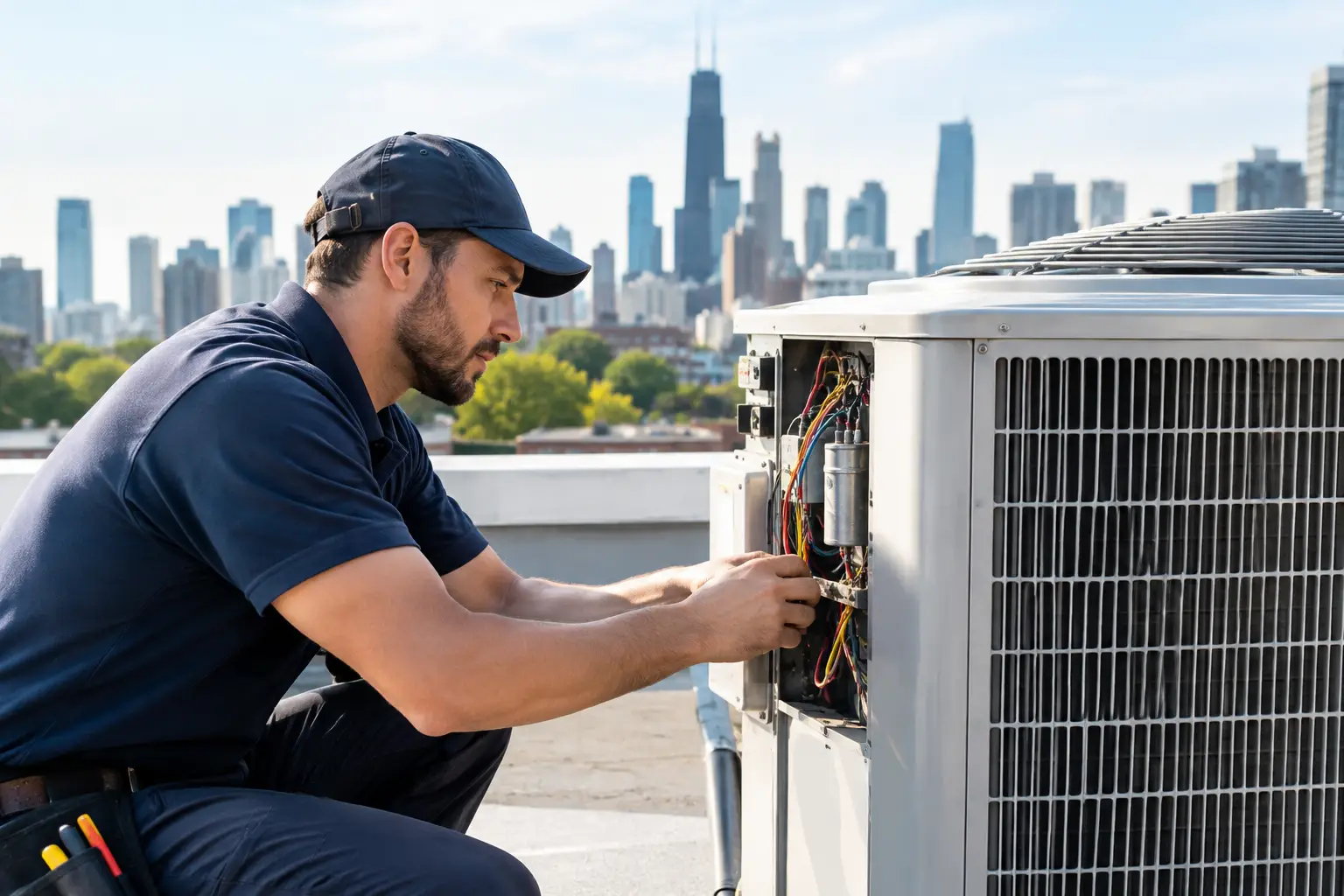
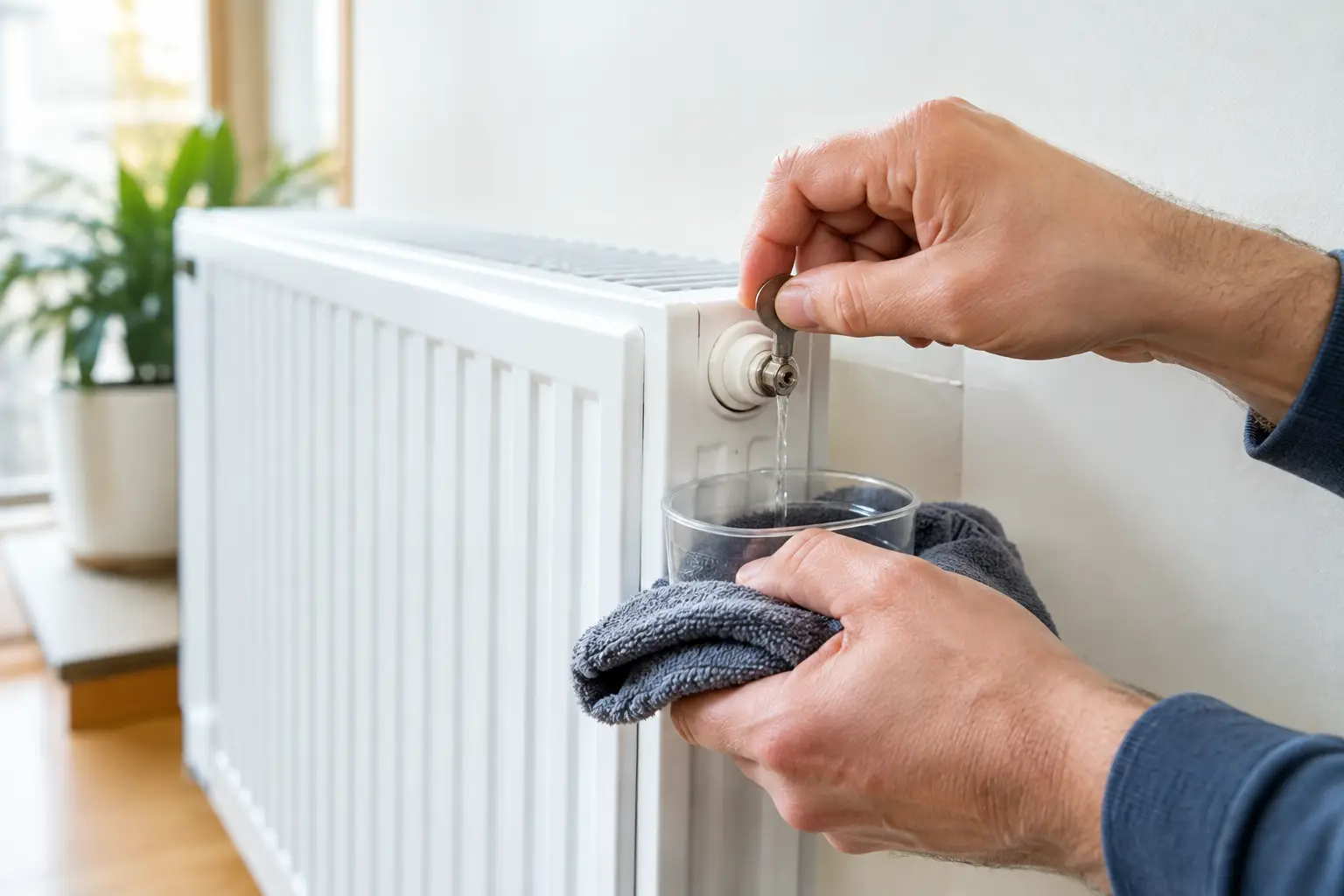
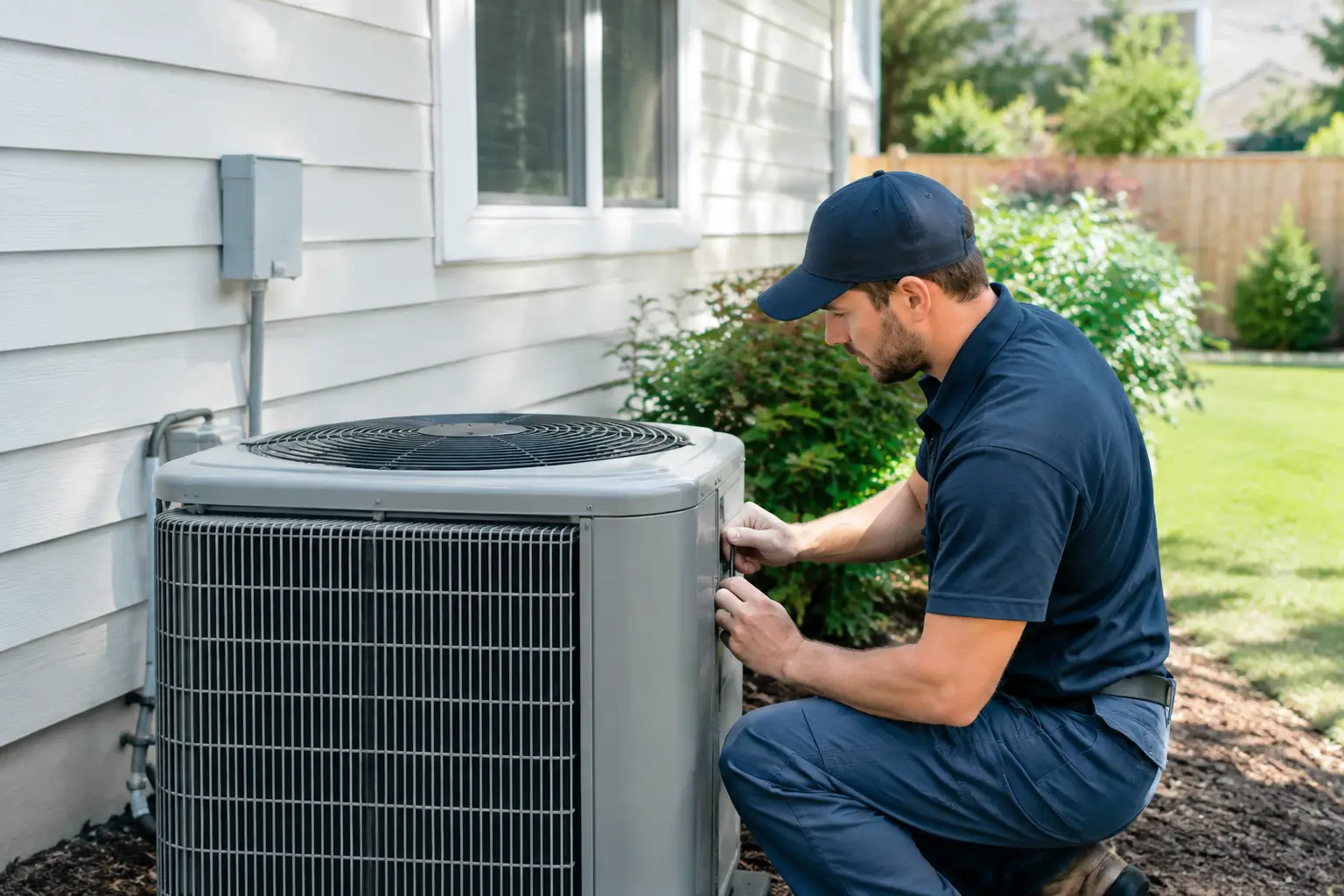
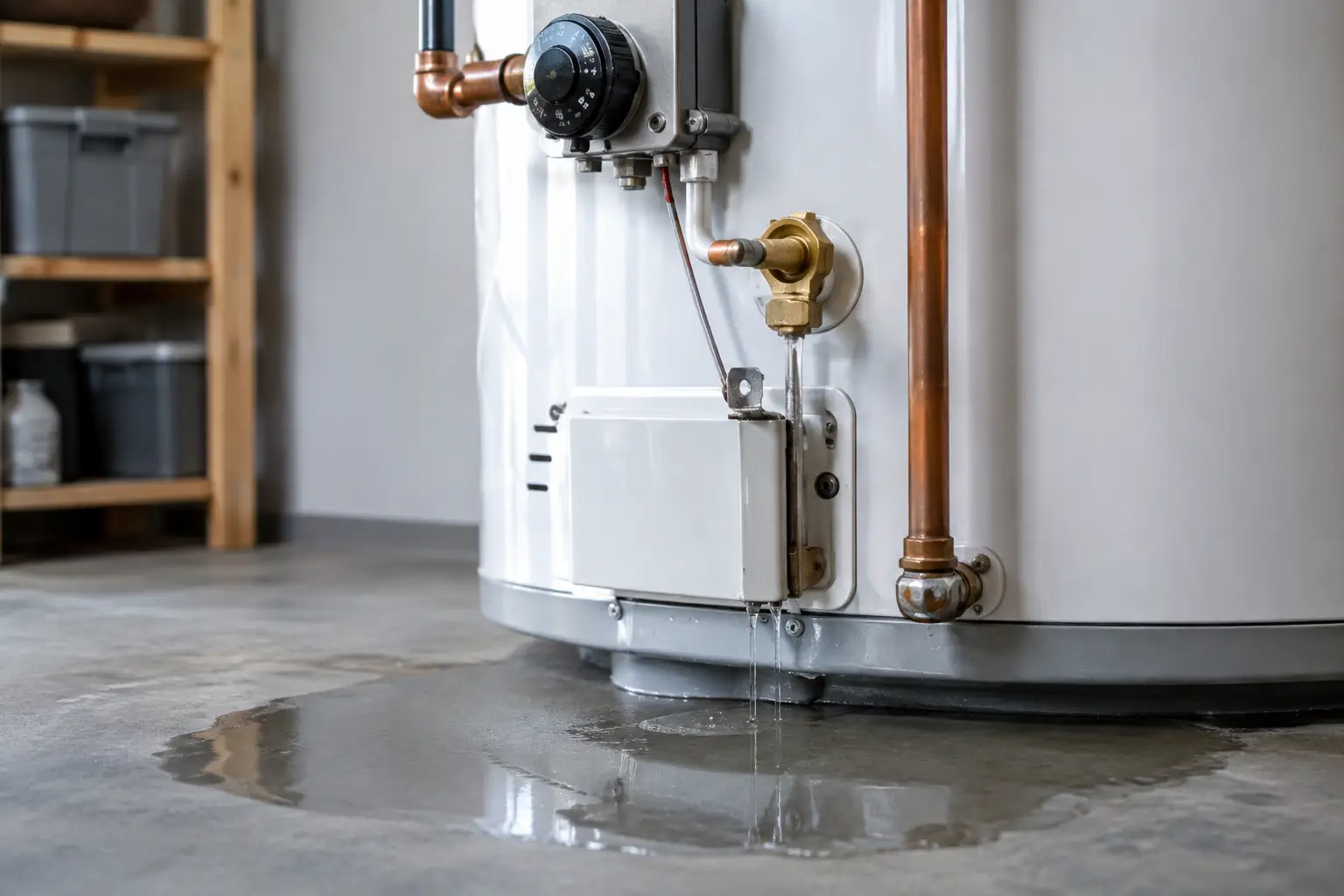
A Chicago summer can turn a minor cooling problem into an urgent one quickly. If your air conditioning is running but the home still feels sticky, rooms cool unevenly, or energy bills suddenly climb, the issue deserves attention before a heat wave puts more strain on the system.
The right answer is not always a new unit. Many comfort problems come from maintenance needs, airflow restrictions, thermostat issues, or repairable worn parts. A qualified technician should identify the cause, explain the options clearly, and help you decide what makes sense for your home, budget, and long-term plans.
What Reliable Air Conditioning Should Do
A properly sized, well-maintained cooling system should do more than blow cold air. It should lower indoor temperature consistently, remove excess humidity, circulate air through the home, and operate without unusual noise or frequent cycling. In a humid climate, moisture control matters just as much as the temperature on the thermostat. A home that reaches 72 degrees but still feels damp is not delivering complete comfort.
Your system also needs to work with the home itself. Older Chicago homes may have uneven ductwork, limited return-air paths, additions that were never properly balanced, or second floors that absorb more heat than the rest of the house. A larger air conditioner is not automatically the answer. Oversized equipment can cool too fast, shut off before removing enough humidity, and create short cycling that increases wear.
A careful evaluation looks beyond the outdoor unit. It considers the thermostat, electrical connections, air filter, evaporator coil, refrigerant levels, duct condition, insulation, and the way air moves through individual rooms. That broader approach helps prevent a temporary fix from becoming another service call a few weeks later.
Signs Your Air Conditioning Needs Attention
Cooling systems often give warning signs before they stop altogether. Calling for service while the equipment is still operating can give you more options and may help prevent an after-hours emergency.
Watch for a system that runs constantly without reaching the set temperature, blows weak or warm air, turns on and off repeatedly, or leaves some rooms much warmer than others. Water around the indoor equipment, ice on refrigerant lines, a musty odor when cooling starts, or new rattling and grinding sounds also deserve prompt attention.
Higher utility bills are another useful signal. Bills can rise during hot weather, but a sharp increase without a major change in how you use the system may point to restricted airflow, dirty coils, duct leakage, failing components, or declining efficiency. Ignoring the change can force the equipment to work harder and shorten its service life.
If you notice a burning smell, an electrical odor, repeated breaker trips, or a system that will not start, turn the equipment off and arrange professional service. Electrical and safety issues should not be handled with trial-and-error repairs.
A Dirty Filter Can Cause More Than Poor Airflow
A clogged filter is one of the simplest problems and one of the most common. It restricts airflow across the system, which can reduce cooling, strain the blower, and contribute to frozen coils. Check the filter monthly during heavy use and replace it according to the filter type, household conditions, and manufacturer guidance.
Homes with pets, construction dust, or allergy concerns may need more frequent changes. The goal is not to install the most restrictive filter available. A filter must match the system’s airflow requirements, or it can create its own pressure problems.
Repair or Replacement: How to Make the Call
When a major repair is needed, homeowners often ask whether it is smarter to repair the system or replace it. The honest answer depends on several factors, not just the age of the equipment.
Repair may be the practical choice when the unit has been maintained, the problem is isolated, replacement parts are available, and the system still cools effectively. A failed capacitor, contactor, drain component, thermostat, or fan motor can often be repaired without replacing the entire system. The same is true for some refrigerant and electrical issues, once the underlying cause is identified.
Replacement becomes more reasonable when the air conditioner is near the end of its expected service life, breaks down repeatedly, requires a costly major component, or uses outdated refrigerant that is increasingly difficult or expensive to service. Persistent comfort issues and unusually high operating costs also matter. A new system may offer better efficiency, quieter operation, stronger humidity control, and more reliable performance, but those benefits need to justify the investment.
A trustworthy recommendation should include the repair cost, the condition of the remaining equipment, efficiency considerations, available replacement options, and any ductwork or electrical work needed for proper installation. It should not rely on pressure or vague promises of savings. Ask what problem is being solved, what the repair is expected to accomplish, and what risks remain if you choose to keep the existing system.
Efficiency Is More Than a High Number on the Equipment Label
Higher-efficiency air conditioners can reduce energy use, but the outcome depends on installation quality and your home. Equipment that is improperly sized, connected to leaking ducts, or installed without correct airflow and refrigerant setup may not deliver the comfort or efficiency you expect.
For many homeowners, the best value is a system matched carefully to the home’s cooling load and installed with attention to the complete setup. Features such as variable-speed operation or two-stage cooling can improve comfort in certain homes, particularly where humidity and uneven temperatures are ongoing concerns. They also cost more upfront, so the right choice depends on how long you expect to own the property and what problems you want the new system to solve.
Air Conditioning Maintenance That Protects Your System
Annual maintenance is one of the most effective ways to reduce surprise breakdowns. A cooling tune-up should happen before or early in the cooling season, not after the first hot weekend when service schedules are busiest.
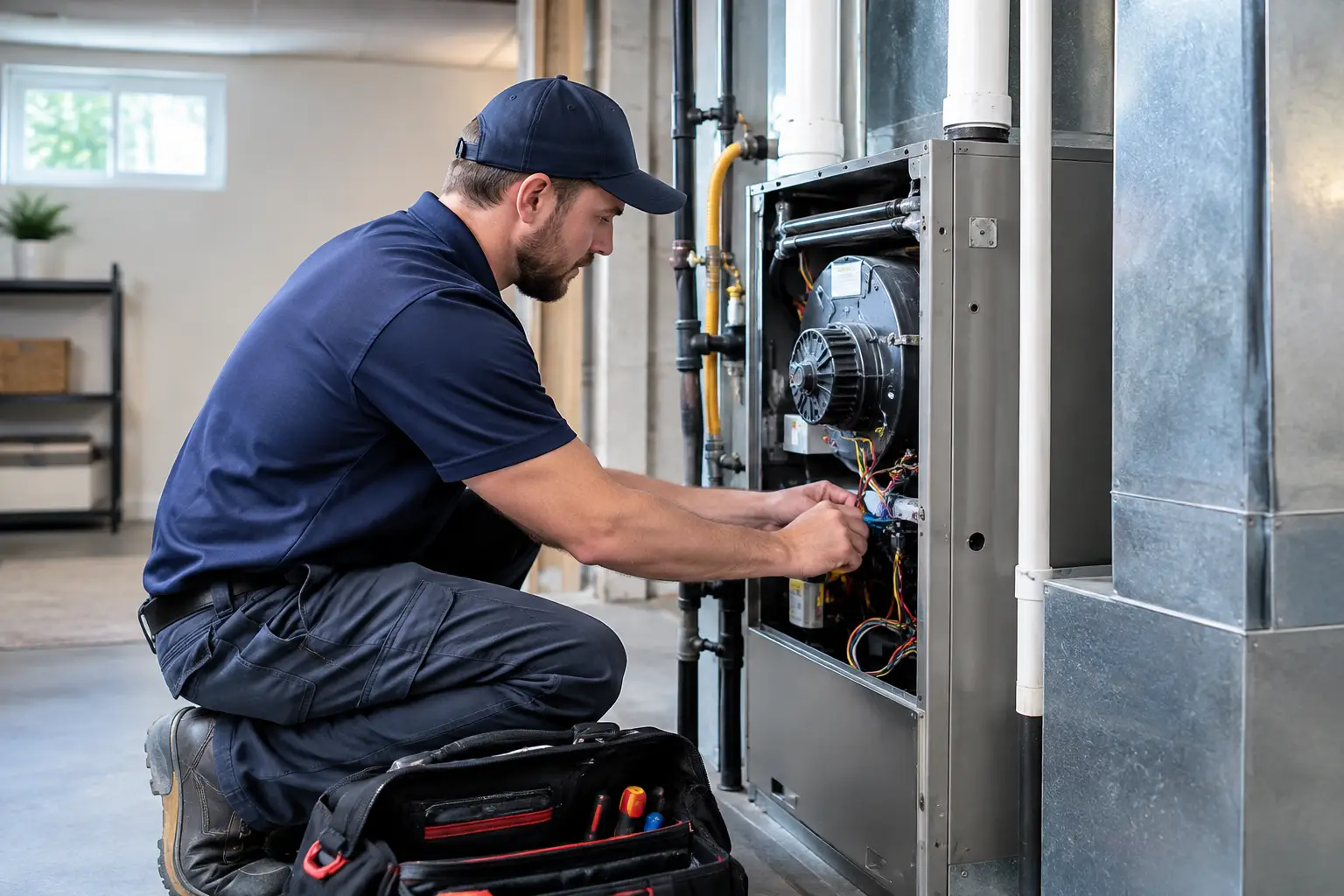
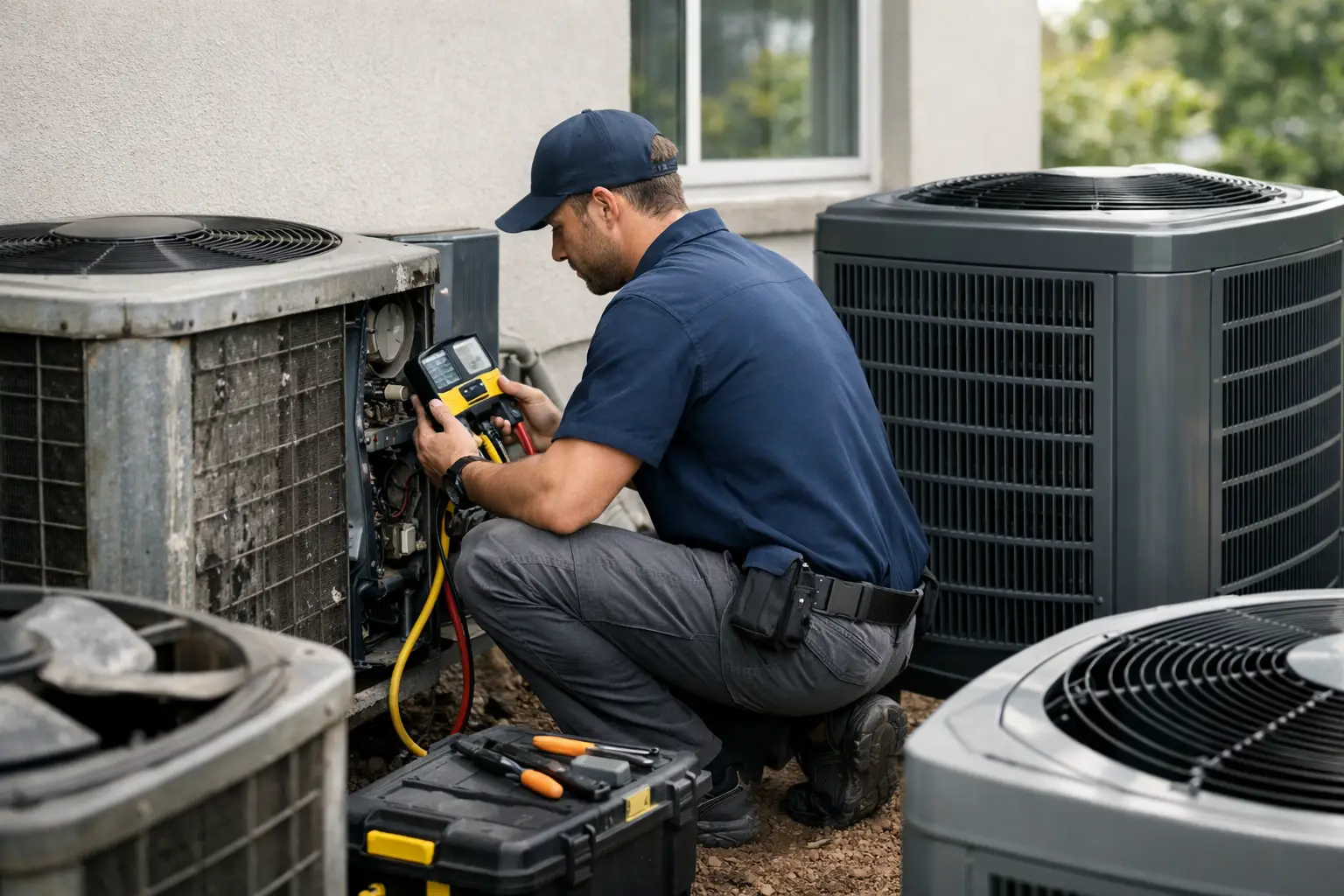
During a professional visit, a technician can inspect electrical components, test system operation, verify refrigerant performance, clean key components as needed, inspect the condensate drain, check temperature differences, and look for early signs of wear. Maintenance also creates a record of the system’s condition, which is useful when planning for future repairs or replacement.
Homeowners can support that work by keeping the outdoor condenser clear. Leaves, cottonwood, mulch, stored items, and overgrown shrubs can block airflow and reduce performance. Maintain open space around the unit, avoid placing objects on top of it, and never use a pressure washer on the delicate coil fins.
Inside, keep supply and return vents open and unobstructed. Closing multiple vents to force air into one area can increase duct pressure and may create comfort problems elsewhere. If one floor consistently runs warmer, zoning, thermostat placement, duct improvements, insulation, or a ductless solution may be more effective than simply changing vent positions.
Better Comfort May Require More Than an AC Repair
An air conditioner can be operating correctly while the home remains uncomfortable. High indoor humidity, poor filtration, weak airflow, hot upstairs bedrooms, and dust accumulation often involve the larger HVAC system rather than one failed part.
For example, a whole-home dehumidifier can improve comfort at a slightly higher thermostat setting, while air purification and appropriate filtration can help address airborne particles. Zoned controls can give different areas of the home more independent temperature management. Ductless air conditioning can be a practical option for additions, converted attics, enclosed porches, or rooms that are difficult to serve through existing ducts.
Property owners and small-business operators should also consider how usage patterns affect system needs. A rental unit with frequent occupancy changes, a storefront with heat-producing equipment, or a multifamily building with varying sun exposure may need a different comfort strategy than a single-family home. The best solution is based on the space, not a one-size-fits-all package.
What to Expect From a Professional Service Visit
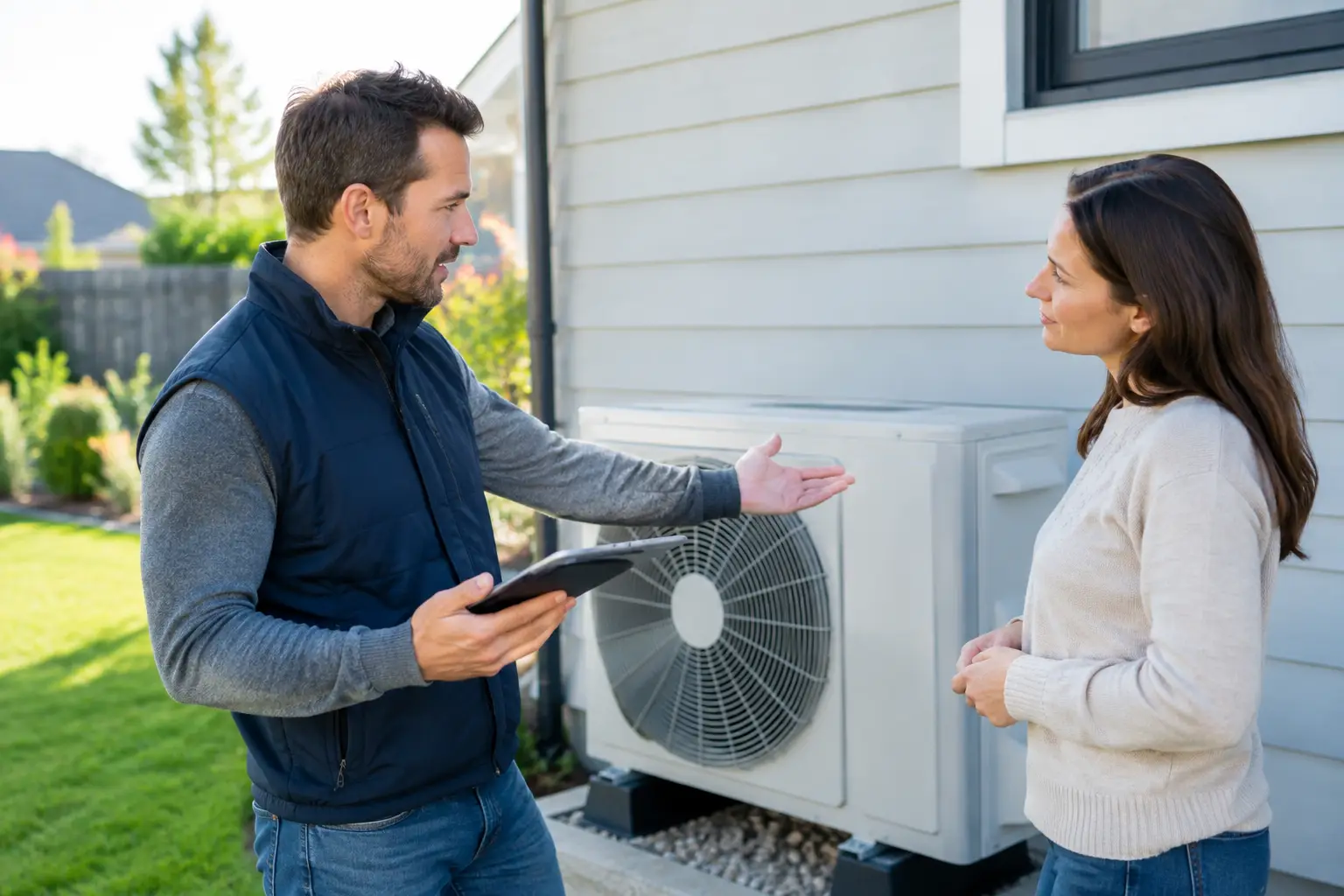
A good service call should leave you with clarity. The technician should listen to the symptoms, inspect the system methodically, explain the diagnosis in plain language, and provide honest upfront pricing before work begins. You should understand whether the repair is urgent, whether it can wait, and what maintenance or replacement planning may be wise.
Clean workmanship matters, too. HVAC service takes place in your home or business, often near finished floors, storage areas, and occupied rooms. Respect for the property, safe work practices, and cleanup are part of the job, not extras.
For urgent cooling failures or a system that is showing early warning signs, Shad Heating & Cooling can help evaluate the problem and recommend a practical path forward. Prompt service now can protect your comfort, reduce the chance of a larger failure, and give you time to make decisions without pressure.