






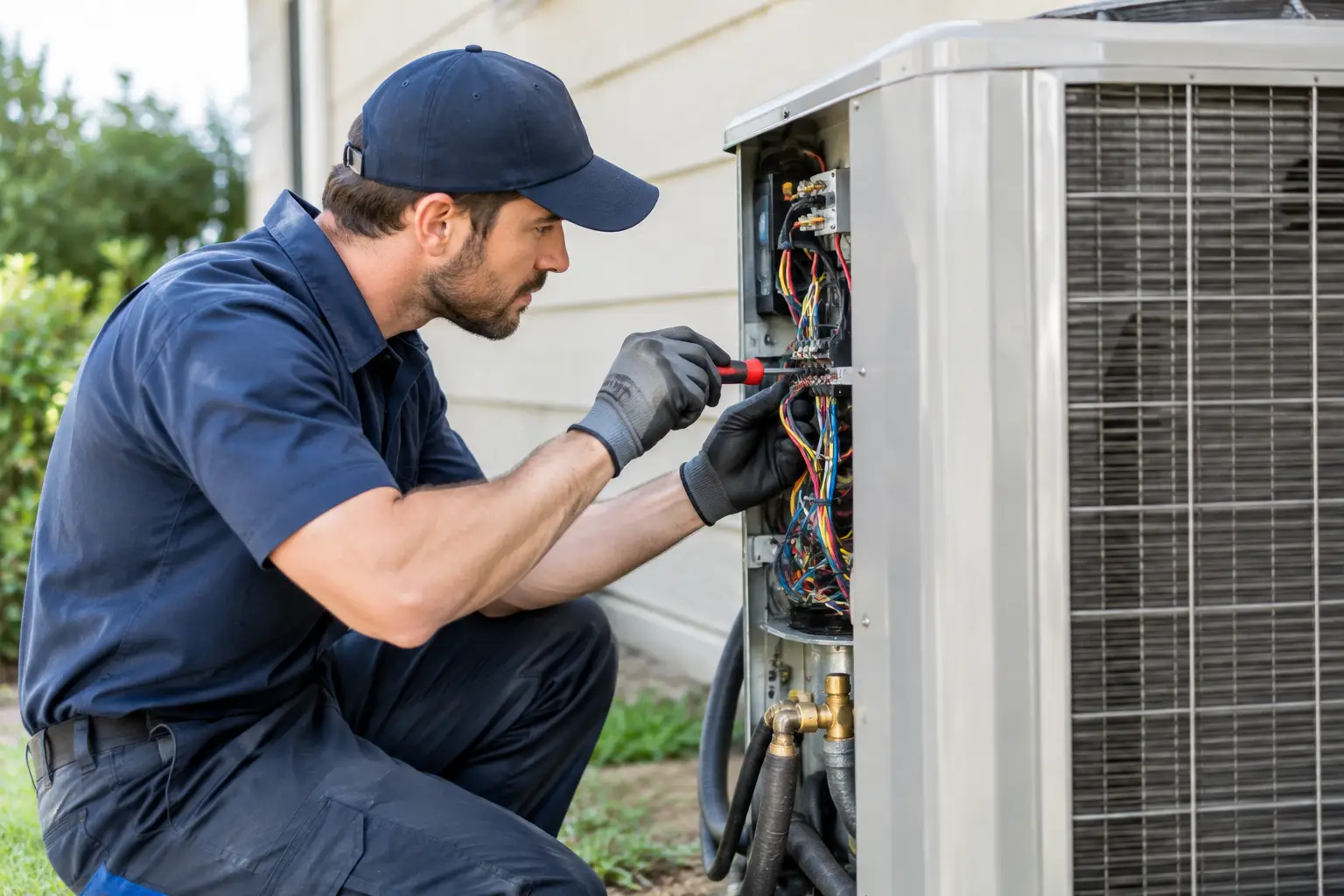
A furnace that quits during a Chicago cold snap, a boiler leak in a multifamily building, or an air conditioner that stops on a humid summer evening can move from inconvenient to urgent quickly. Emergency HVAC service is designed for those moments when a heating or cooling failure affects safety, property, or the ability to occupy a space comfortably.
The right response is not always to replace equipment or approve the first repair suggested. It is to make the situation safe, identify the cause accurately, and understand the repair options before work begins. A qualified technician can help restore comfort while protecting your home, tenants, employees, and long-term investment.
Written by the Shad Heating & Cooling team
When Is an HVAC Problem an Emergency?
Not every unusual sound or comfort issue requires after-hours service. A system that is still operating but needs a tune-up can often wait for a regular appointment. Emergencies are different because delaying service may create a safety concern, allow water damage to spread, expose a building to extreme temperatures, or leave vulnerable occupants without heat or cooling.
Loss of heat during freezing weather is one of the clearest examples. This is especially urgent for households with young children, older adults, or anyone with health concerns. It also matters for vacant properties and rental units, where prolonged cold can put plumbing at risk.
A complete cooling failure can also warrant emergency attention during periods of high heat and humidity. For small businesses, excessive indoor temperatures may affect employees, customers, inventory, or essential equipment. In residential settings, the urgency depends on indoor conditions, who is in the home, and whether a safe temporary location is available.
Other issues deserve prompt professional assessment even if the system is technically still running. These include a burning odor, smoke, repeated circuit breaker trips, water around a furnace or air handler, a leaking boiler, loud banging or grinding, or an alarm from a carbon monoxide detector. Do not ignore these warning signs in hopes that the system will correct itself.
What to Do Before Emergency HVAC Service Arrives
Your first priority is safety. If you smell natural gas, notice smoke, suspect carbon monoxide, or see an immediate electrical hazard, leave the building if necessary and contact the appropriate emergency utility or public safety resource. Do not remain inside to investigate the source, and do not restart the equipment.
For a water leak that is actively damaging floors, ceilings, or walls, take reasonable steps to protect people and belongings without putting yourself at risk. Move items away from the affected area if it is safe to do so. A boiler leak, condensate issue, or frozen component can have different causes, so a technician should determine the source before any repair decision is made.
If there is no immediate danger, make a few notes that can help speed up diagnosis. Record when the issue started, whether the system is making new noises, whether the thermostat display is on, and whether other parts of the building have heat or cooling. Property owners should also note whether the problem affects one unit, one zone, or the entire building.
Avoid taking apart panels, handling wiring, relighting equipment, or attempting to repair gas, electrical, or refrigerant components. Those systems require trained service professionals and specialized testing equipment. An emergency visit should reduce risk, not create a second problem.
What a Professional Emergency HVAC Visit Should Include
A dependable emergency HVAC call begins with a careful evaluation, not assumptions. The technician should inspect the equipment, confirm the reported symptoms, and look for related issues that could cause the same failure. For example, a furnace that will not heat may involve airflow, ignition, controls, drainage, venting, or another component. Replacing a part without identifying the underlying cause can lead to another breakdown soon after.
For boiler systems, diagnosis may include checking pressure, circulation, controls, signs of leakage, and whether heat is reaching the appropriate zones. In older Chicago buildings, the condition of piping, radiators, valves, and controls can all affect performance. The goal is to restore safe operation while being clear about whether a repair addresses the immediate failure only or points to a broader reliability concern.
Before repairs begin, you should receive a plain-language explanation of the issue, the recommended work, and honest upfront pricing. Ask what caused the failure, whether the repair is expected to last, and whether there are signs that other components need attention. A reputable company will answer directly and will not use an urgent situation to pressure you into a replacement that has not been properly evaluated.
Clean workmanship also matters during an emergency. Technicians may need to access utility areas, mechanical rooms, attics, basements, or occupied units. They should respect the property, protect work areas when possible, and leave you with a clear understanding of what was repaired and what to monitor next.
Repair or Replacement: How to Make the Right Call
An emergency failure does not automatically mean your system needs replacement. Many no-heat and no-cooling calls are resolved with a targeted repair. If the equipment is relatively well maintained, the repair is straightforward, and the system is otherwise performing reliably, restoring it may be the sensible choice.
Replacement becomes a more serious consideration when the system has frequent breakdowns, major safety concerns, extensive corrosion or leakage, declining performance, or a repair that is disproportionate to the unit’s remaining useful life. The best decision depends on the equipment’s condition, maintenance history, building needs, and future plans for the property.
For landlords and small-business owners, reliability is often as important as the immediate repair. A system that repeatedly interrupts operations or creates tenant complaints may cost more over time than a planned replacement. Still, planning should follow a clear diagnosis. You deserve options, not a rushed sales pitch while the building is uncomfortable.
How Maintenance Reduces Emergency Calls
Preventive maintenance cannot prevent every failure, particularly during periods of heavy use. It can, however, catch worn parts, drainage issues, airflow restrictions, combustion concerns, and control problems before they turn into an after-hours call.
Furnaces and boilers benefit from professional service before the heating season. Air conditioners and heat pumps should be checked before summer demand rises. For property owners with several units or zones, a maintenance plan creates a more organized record of system condition and helps identify equipment approaching a larger repair decision.
Indoor air quality equipment also deserves attention. Whole-home humidifiers, dehumidifiers, and air purification systems can affect comfort and moisture control, but they need proper installation and maintenance to perform as intended. Addressing these systems during routine service is far easier than discovering a problem during a weather emergency.
Choosing an Emergency HVAC Company With Confidence
When comfort fails, it is reasonable to want help quickly. It is equally reasonable to expect qualified work, clear communication, and respect for your property. Look for a licensed and insured company with trained technicians, transparent recommendations, and experience with the type of system in your building, whether that is a furnace, boiler, central air conditioner, heat pump, or ductless unit.
Ask whether the technician will explain the diagnosis before work begins and whether the repair includes a clear next-step recommendation. The strongest emergency service providers focus on resolving the immediate issue safely while helping you avoid repeat failures. Shad Heating & Cooling provides 24/7 emergency repair service with that long-term approach in mind.
A system failure is stressful enough. Clear answers, careful diagnostics, and a repair plan built around safety can make the next decision much easier.
Frequently Asked Questions
Should I call for emergency HVAC service if my furnace is running but the house is cold?
Yes, if temperatures are dropping quickly, the weather is freezing, or vulnerable people are in the home. A furnace that runs without producing adequate heat needs professional diagnosis.
Is a leaking boiler an emergency?
It can be. Active leaks can damage property and may indicate a pressure, circulation, or component issue. Contact a qualified technician promptly, especially if the leak is spreading or heat is affected.
What should I do if my carbon monoxide detector goes off?
Treat it as an emergency. Leave the building, contact emergency services or the appropriate utility resource, and do not re-enter until it is safe to do so.
Can regular HVAC maintenance prevent every emergency repair?
No. Equipment can fail unexpectedly. Regular professional maintenance does reduce the likelihood of many common breakdowns and helps identify developing issues earlier.