
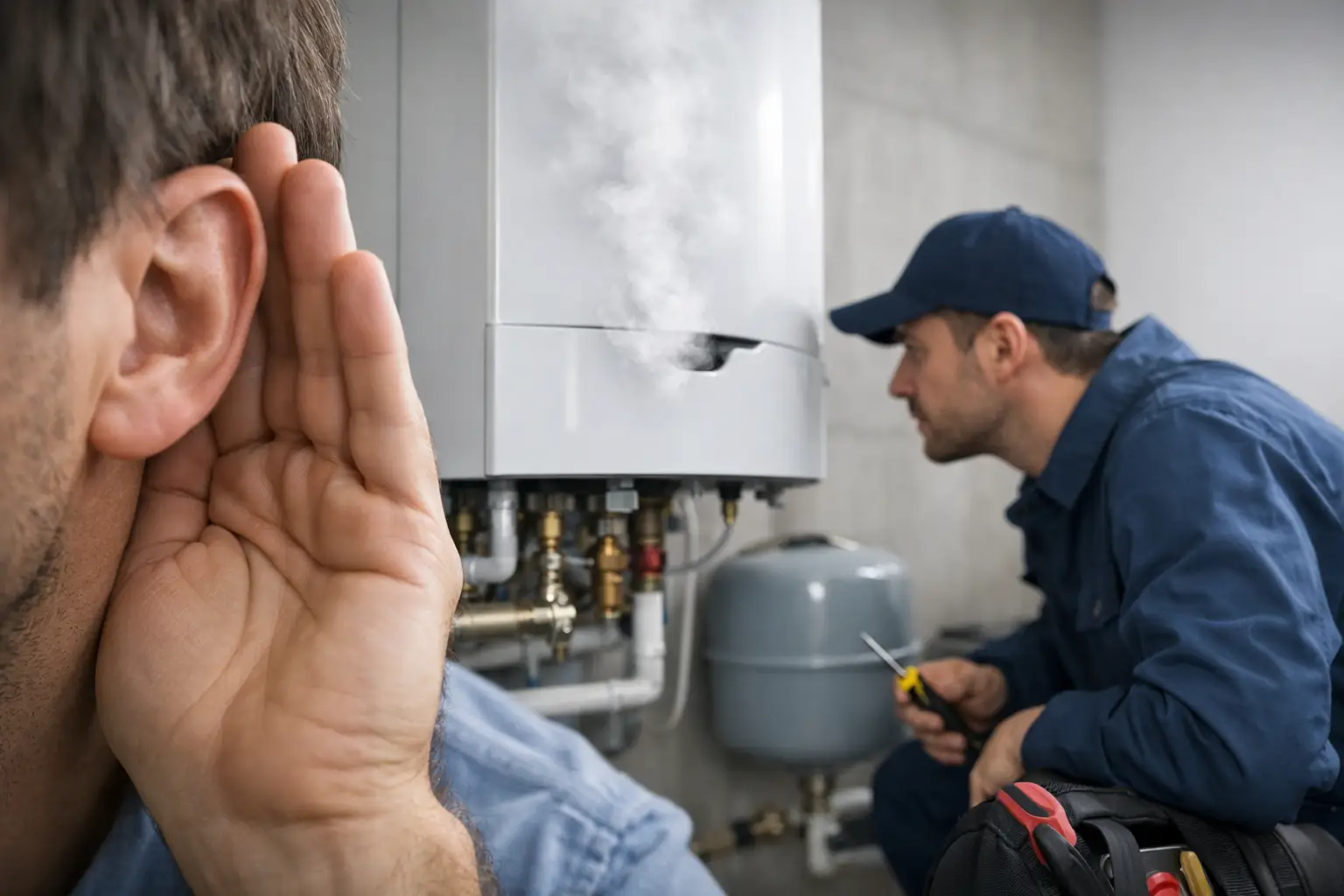
A boiler that suddenly bangs, whistles, or gurgles can make a Chicago home feel less safe, especially during a cold stretch when dependable heat matters most. Boiler noise causes range from normal pipe expansion to circulation problems, mineral buildup, and failing mechanical parts. The sound alone does not always identify the repair, but its timing, location, and severity give a trained technician valuable clues.
A little operational noise is common. Repeated banging, sharp whistling, rumbling, or a new sound that grows louder is not something to ignore. Addressing the issue early can help protect your boiler, avoid an unexpected loss of heat, and prevent a smaller repair from becoming a larger system problem.
Which Boiler Sounds Are Normal?
Many boilers make a soft hum while running. You may also hear a brief click as controls activate, a gentle rush of water through radiators or baseboards, or mild ticking as hot pipes expand and cool. These sounds are typically brief and do not affect heating performance.
The concern is a change. If a boiler was previously quiet and now makes persistent noises, struggles to heat rooms evenly, cycles on and off more often, or shows signs of leaking, it needs attention. The boiler may be functioning, but it may be working harder than it should.
Common Boiler Noise Causes
Kettling from mineral buildup
A rumbling, popping, or whistling sound often points to kettling. This happens when mineral scale, sediment, or sludge restricts water flow through the boiler heat exchanger. Water can become trapped in hot areas and briefly boil, creating a sound similar to a tea kettle.
Kettling is more common in older systems and in boilers that have not received regular maintenance. It can reduce efficiency and put extra stress on the heat exchanger. The right solution depends on the boiler’s condition, water quality, and the extent of buildup. A technician should assess the system before recommending cleaning, treatment, or a component repair.
Air trapped in radiators or piping
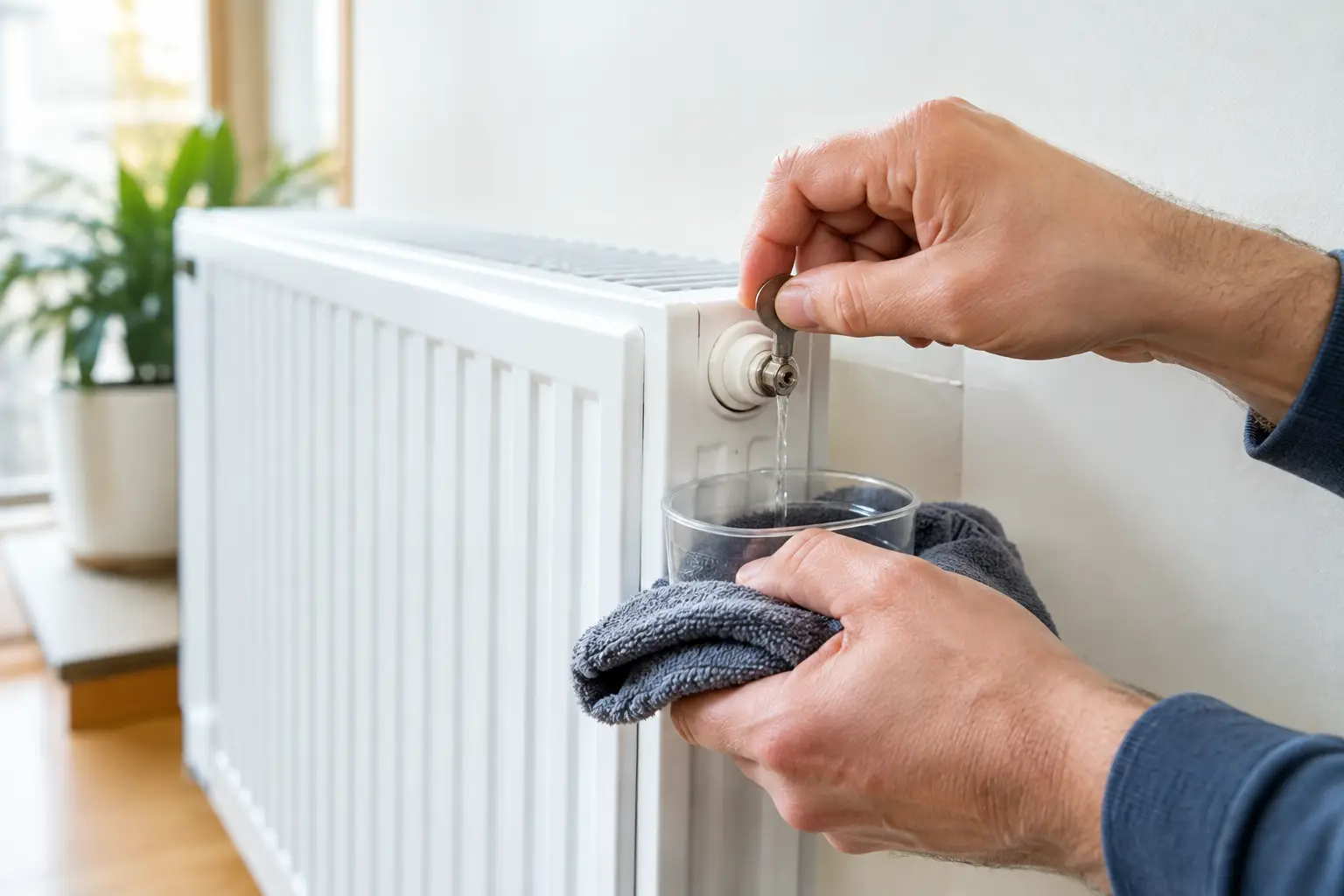
Gurgling, bubbling, or trickling often indicates air in a hydronic heating system. Air pockets interfere with water circulation, which can leave some radiators cool while others get very hot. You may notice the noise after work has been performed on the system, after a pressure change, or when a small leak has allowed air to enter.
The underlying cause matters. Air may be a routine service issue, or it may point to a faulty automatic air vent, circulation concern, pressure problem, or leak that needs correction. Releasing air without identifying why it entered can lead to the same issue returning.
Loose pipes and thermal expansion
A single knock or a series of taps when the heat starts or stops may come from pipes expanding against framing, flooring, or pipe supports. As metal warms, it moves slightly. If there is not enough room for that movement, the pipe can rub or strike a nearby surface.
This is often less urgent than kettling or a leak, but it can still be disruptive. A professional can determine whether the sound is simply pipe movement or whether abnormal pressure, poor circulation, or a loose component is making it worse.
Circulator pump or zone valve problems
A boiler relies on circulator pumps and zone valves to move heated water where it is needed. A humming, grinding, vibrating, or high-pitched mechanical noise can signal wear in one of these components. Heat may become uneven, one zone may stay cold, or the boiler may run longer than usual trying to satisfy the thermostat.
These parts are serviceable in many systems, but continued operation with a failing pump can strain the boiler and leave you without heat when the demand is highest. Prompt diagnosis helps distinguish a worn component from a control or wiring issue.
Pressure problems and a failing expansion tank
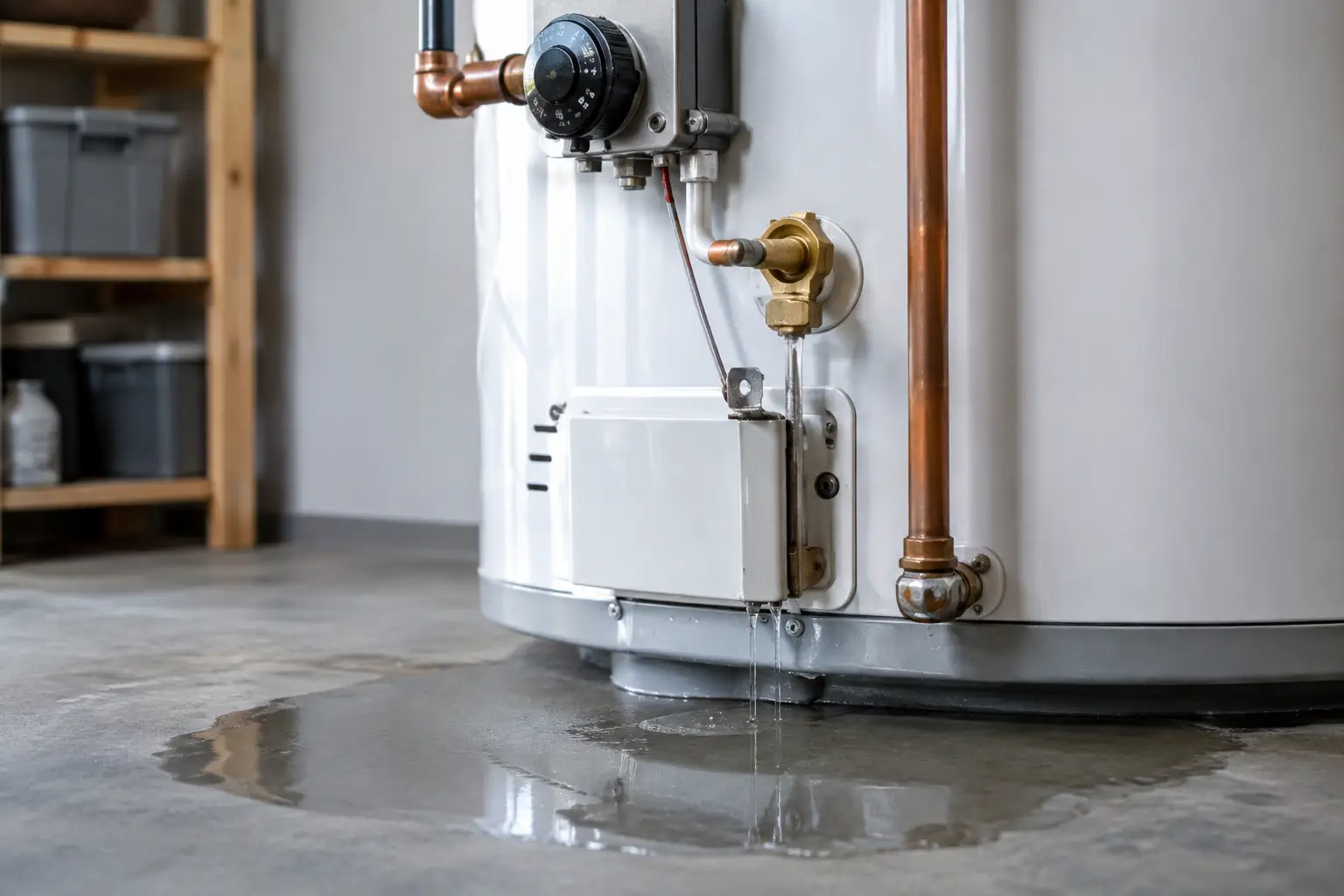
Boilers need stable water pressure to circulate heat safely and effectively. Banging, rushing water, relief-valve discharge, or frequent pressure changes may indicate a pressure-related problem. A failing expansion tank is one possible cause because it can no longer absorb the normal expansion of heated water.
Pressure concerns should not be treated as a nuisance. They can affect boiler performance and may be accompanied by water around the unit or at a discharge pipe. A licensed professional should inspect the system rather than relying on repeated adjustments that only mask the cause.
Burner, ignition, or combustion issues
A delayed ignition can produce a noticeable boom or rumble at startup. Unusual roaring, repeated clicking without normal operation, or an unfamiliar exhaust sound can also point to burner, ignition, fan, venting, or combustion concerns. These are not homeowner repairs.
Gas-fired equipment should operate with controlled ignition and proper venting. If you smell gas, hear a loud bang, see soot, or a carbon monoxide alarm sounds, leave the building, move to fresh air, and contact emergency services or the gas utility as appropriate. Do not remain indoors to investigate the source.
When a Noisy Boiler Needs Immediate Attention
Schedule professional service soon if the noise is persistent, getting worse, or paired with weak heat, cold zones, visible water, or unexplained pressure changes. A boiler that is still heating can have a developing circulation or scale issue that becomes more expensive after continued use.
Treat the situation as urgent if there is a gas odor, a carbon monoxide alarm, smoke, soot, a major water leak, a loud explosive-type sound, or repeated shutdowns. These conditions can involve safety risks or cause property damage. Fast, qualified evaluation is the safest path.
What to Notice Before the Technician Arrives
You do not need to remove panels or attempt adjustments to help with diagnosis. Simply note when the sound occurs: at startup, while heating, when a particular zone calls for heat, or after the system shuts down. It is also useful to identify whether the sound seems to come from the boiler itself, nearby piping, or a radiator.
If it is safe to do so, a short video of the sound can be helpful. Mention related symptoms, such as rooms that do not warm up, water near the boiler, a recent loss of pressure, or a change in utility costs. Clear details help the technician work efficiently and explain the recommended repair in plain language.
How Professional Boiler Service Finds the Real Cause
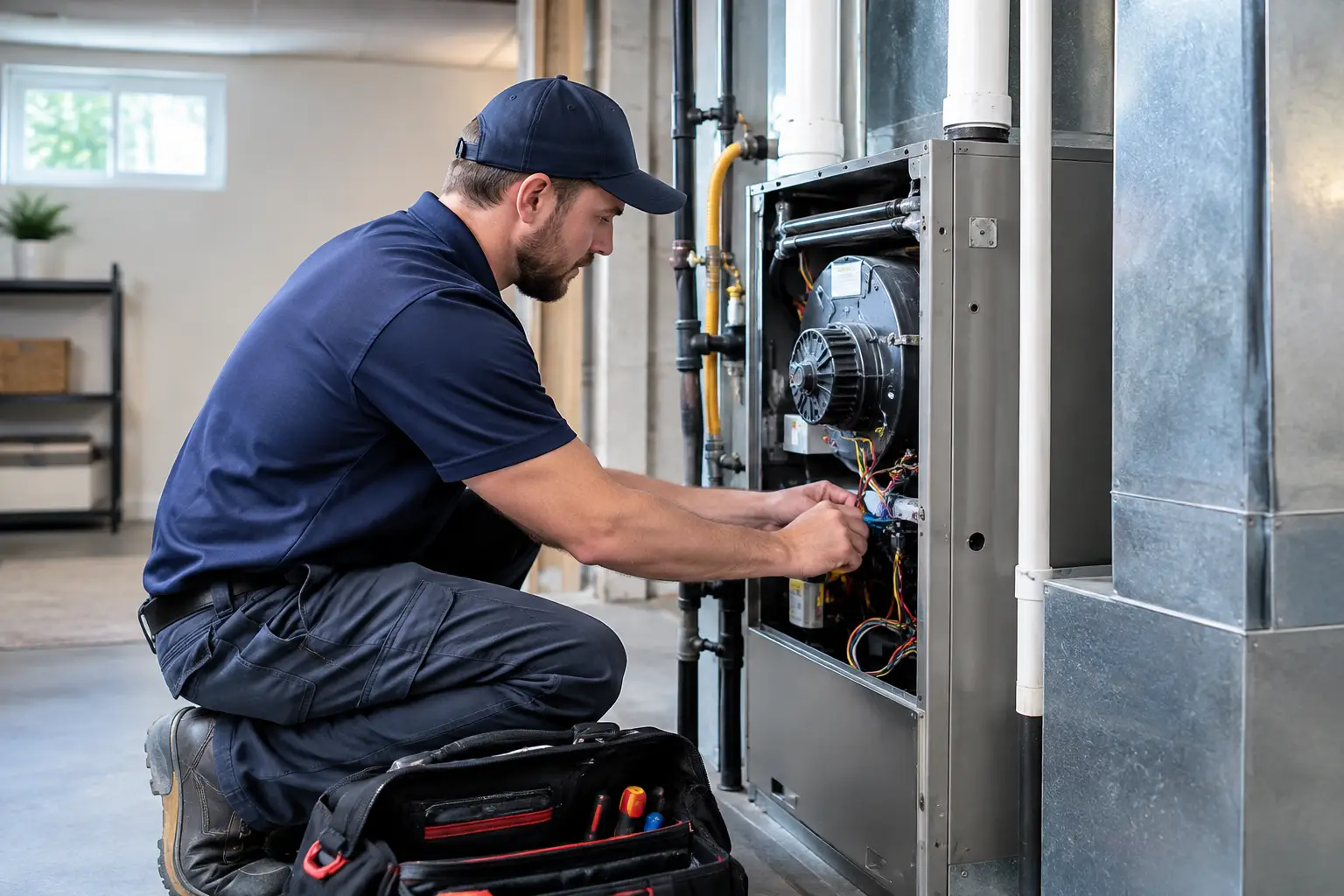
A proper boiler visit begins with more than listening for a noise. The technician evaluates system pressure, water circulation, controls, pumps, valves, venting, safety devices, and visible signs of leakage or corrosion. They also consider the boiler’s age, maintenance history, and whether the noise is isolated to one heating zone.
The goal should be a lasting repair, not a temporary quieting of the sound. For example, a gurgle may be resolved by addressing trapped air, but the service should also determine why air entered the system. A trustworthy recommendation explains what is failing, why it matters, and whether repair or replacement makes the most sense for the system’s condition.
Preventing Future Boiler Noises
Annual boiler maintenance gives a technician the opportunity to identify sediment, declining pump performance, venting concerns, pressure irregularities, and worn safety components before they become disruptive. This is particularly valuable before winter, when boilers run for longer periods and emergency service calls are more likely.
Keep the area around the boiler accessible and dry, and pay attention to changes rather than waiting for a complete breakdown. Rental property owners and small-business operators can also benefit from a consistent maintenance schedule across units, since it makes recurring issues easier to track and plan for.
Written by the Shad Heating & Cooling team
Frequently Asked Questions
Can a noisy boiler still be safe to use?
Sometimes. Mild ticking from pipe expansion can be normal, but new, persistent, or loud noises deserve a professional assessment. Any gas odor, carbon monoxide alarm, soot, or major leak requires urgent action.
Why does my boiler make a banging sound?
Banging can come from trapped air, pressure issues, pipe movement, restricted water flow, or a mechanical component. The location and timing of the noise help identify the cause.
Does boiler maintenance prevent kettling?
Routine maintenance can help identify sediment and circulation issues early, reducing the chance of kettling. Whether cleaning or additional treatment is appropriate depends on the boiler and the condition of the system.
Should I wait until the boiler stops heating to call?
No. A boiler that is making a new noise is giving you an opportunity to address a concern before it becomes a no-heat emergency. The practical goal is quiet, safe, dependable heat when you need it most.