






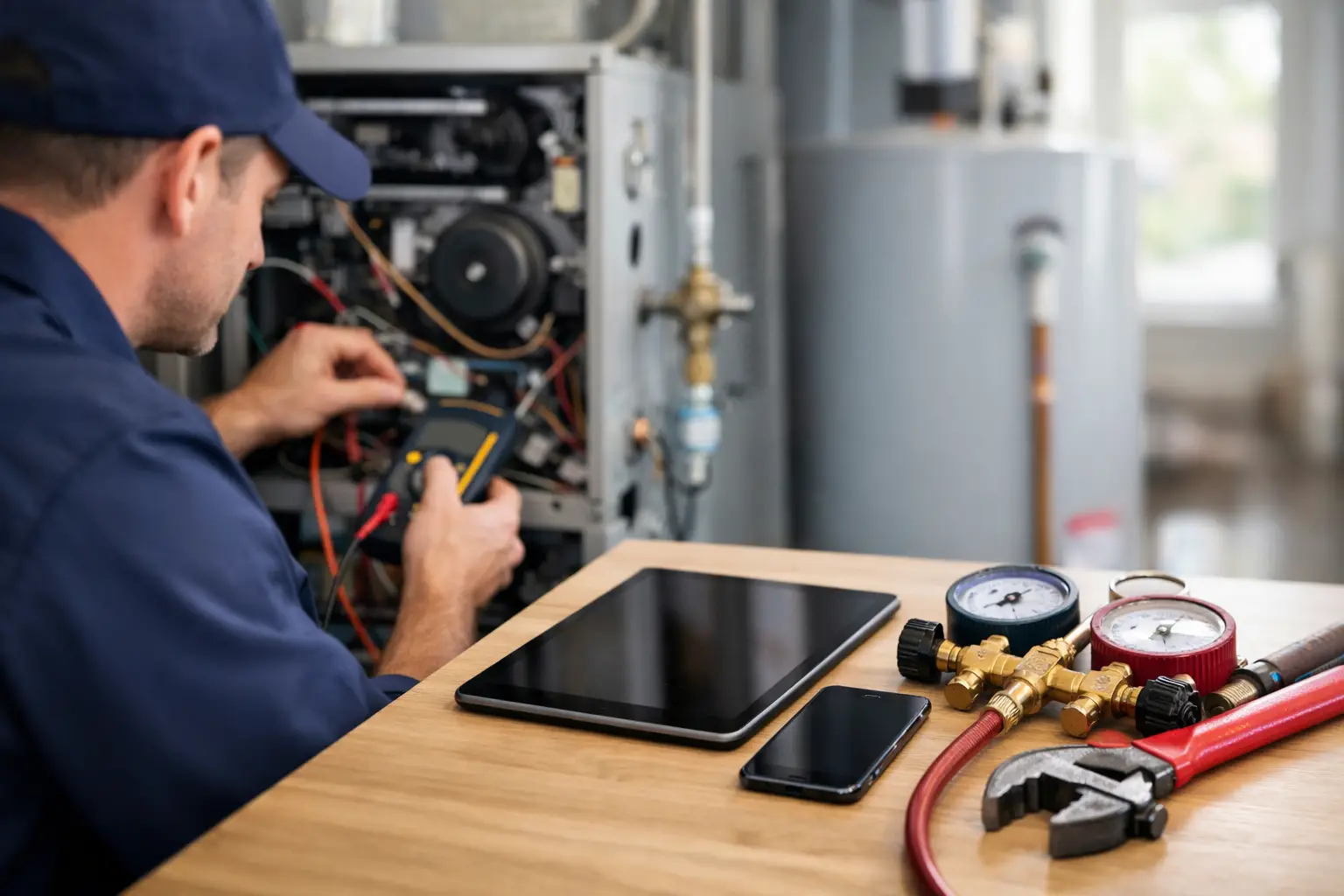
A search for heating repair near me usually happens when the house is getting colder by the hour, the furnace is making an unfamiliar sound, or tenants are calling about a boiler that will not keep up. In a Chicago winter, a heating problem is more than an inconvenience. It can affect comfort, safety, plumbing, and the condition of your property.
The right next step is not always a full replacement, and it should not be a rushed guess. A qualified heating technician should identify the source of the problem, explain the repair in plain language, and give you clear options before work begins. That approach protects your home and helps you make a confident decision under pressure.
When Heating Repair Cannot Wait
Some heating issues deserve same-day attention, particularly when outdoor temperatures are low. If your system is blowing cool air, cycling on and off repeatedly, failing to start, or leaving large areas of the building cold, schedule professional service promptly. A system that runs constantly without warming the space can also signal a problem that will worsen if ignored.
Call for emergency help if you smell gas, notice a burning or electrical odor, hear loud banging or grinding, see water leaking around a boiler, or your carbon monoxide alarm sounds. Leave the affected area if there is a suspected gas leak or carbon monoxide concern, and contact the appropriate emergency services or utility provider as needed. Do not try to restart equipment that may be unsafe.
For landlords and small-business owners, an unreliable heating system can quickly become a building-wide issue. Cold apartments, frozen-pipe risk, uncomfortable staff, and interrupted operations all call for a responsive repair plan. A dependable HVAC partner can assess the immediate failure while also helping you prevent a repeat problem later in the season.
Common Signs You Need Heating Repair Near Me
Heating systems often give warning signs before they stop working altogether. Catching those signs early may mean a smaller repair, less disruption, and fewer cold nights.
Uneven temperatures are one of the most common clues. If one room is comfortable while another stays chilly, the cause could range from airflow restrictions and thermostat issues to ductwork concerns, zoning problems, or an aging system that is no longer distributing heat effectively. The answer depends on the type of equipment and the layout of the home.
New noises also deserve attention. A brief sound at startup may be normal for some systems, but persistent rattling, squealing, booming, grinding, or whistling is not something to dismiss. Those sounds can point to loose components, motor trouble, ignition concerns, airflow issues, or boiler circulation problems.
Pay attention to changes in operating costs, too. A sudden increase in energy use can mean the system is working harder than it should. Sometimes the fix is straightforward, such as restoring proper airflow or correcting a control issue. Other times, the technician may find a more significant mechanical problem. A thorough diagnosis matters because treating only the symptom can leave the underlying cause in place.
Safe Checks Before You Call
There are a few simple, low-risk checks that can help you provide useful information when scheduling service. Confirm that the thermostat is set to heat and set above the current indoor temperature. Check whether the circuit breaker serving the system has tripped, and make sure accessible air vents are open and not blocked by furniture or rugs.
If your furnace uses a standard air filter and you know it is overdue for replacement, a heavily clogged filter can restrict airflow and contribute to poor performance. Beyond those basic checks, avoid opening panels, adjusting gas connections, or attempting electrical or ignition repairs yourself. Heating equipment combines fuel, electricity, high temperatures, and moving parts. A professional diagnosis is the safer choice.
When you call, describe what you see, hear, and smell, along with when the issue began. Mention whether the system is a furnace, boiler, heat pump, or ductless unit. For a boiler, report visible leaks, pressure changes, or radiator areas that stay cold. These details help the service team arrive prepared.
What a Professional Heating Diagnosis Should Include
A reliable repair starts with more than replacing the first part that looks suspicious. The technician should inspect the equipment, test operation, evaluate safety controls, and determine why the failure occurred. For furnaces, that may involve checking ignition, combustion-related safety systems, airflow, electrical components, and the thermostat connection. For boilers, the assessment may include the circulator, controls, piping, pressure, leaks, and heat distribution.
You should receive a clear explanation of the findings. Good service means knowing what failed, why the recommended repair addresses it, and whether there are any related conditions to monitor. It also means receiving upfront pricing before approved work begins, rather than being surprised by unclear charges after the job is done.
At Shad Heating & Cooling, NATE-certified technicians focus on repairs that support safe, lasting performance. That may mean a targeted repair when the system is otherwise in good condition. It may also mean discussing replacement when repeated breakdowns, safety concerns, poor efficiency, or unavailable parts make further repairs difficult to justify. The recommendation should fit the condition of your equipment, not a one-size-fits-all sales goal.
Repair or Replacement: How to Make the Call
A repair is often the sensible choice when the issue is isolated, the system has been maintained, and the equipment still delivers reliable heat. Replacing a failed component can restore normal operation without the expense or disruption of a new installation.
Replacement deserves consideration when repairs are becoming frequent, performance remains inconsistent, or the equipment is nearing the end of its expected service life. Older systems can also create comfort challenges that a repair alone cannot solve, such as persistent cold rooms, excessive noise, poor humidity control, or high energy use.
There is no universal cutoff based on age alone. A well-maintained system may still have useful life left, while a newer unit with recurring major failures may warrant a broader conversation. A trustworthy contractor will explain the trade-offs, including repair scope, expected reliability, efficiency opportunities, and installation considerations, so you can decide without pressure.
Why Maintenance Matters After the Repair
Once the heat is restored, it is easy to put the system out of mind. But maintenance is what helps uncover small concerns before they turn into an urgent service call. Seasonal service can identify worn parts, airflow restrictions, control issues, drainage concerns, and safety-related conditions while the equipment is still operating.
For homes with boilers, regular maintenance can help protect circulation and heat delivery throughout the property. For furnaces and heat pumps, preventive service supports cleaner operation, dependable startup, and more consistent comfort. The exact maintenance needs vary by system, usage, age, and manufacturer guidance.
Maintenance cannot prevent every failure. Parts can wear out unexpectedly, and severe weather places extra demand on heating equipment. Still, a documented maintenance history gives technicians a clearer picture of system condition and gives property owners more time to plan rather than react.
Choose a Heating Contractor Who Explains the Work
When your heat is out, speed matters, but so does who enters your home or business. Look for a licensed and insured HVAC company with trained technicians, clear communication, and a clean-workmanship standard. Ask whether the technician will diagnose the problem before recommending a repair and whether pricing will be explained upfront.
You should also expect respect for your space. Protective measures, orderly work areas, and a final check of system operation are not extras. They are part of professional service. Whether you own a single-family home in Lincoln Park, manage rental units in Hyde Park, or operate a small business elsewhere in the city, dependable heat requires a contractor who takes ownership of the details.
Reliable comfort starts with a clear diagnosis and a repair plan you can understand. If your system is showing warning signs, arranging service before a complete breakdown can protect both your comfort and your property.
Written by the Shad Heating & Cooling team
Frequently Asked Questions
How quickly should I schedule heating repair?
Schedule service as soon as you notice no heat, weak heat, unusual noises, repeated cycling, leaks, or unexplained performance changes. Treat gas odors, carbon monoxide alarms, and burning smells as urgent safety concerns.
Can a dirty filter cause heating problems?
Yes. A clogged filter can restrict airflow, reduce comfort, and put added strain on some furnace systems. If the filter is accessible and overdue, replacing it may help, but ongoing issues still need professional diagnosis.
Is it better to repair or replace an older furnace or boiler?
It depends on the equipment’s condition, repair history, efficiency, safety, and the scope of the current issue. A technician can explain whether a targeted repair is practical or whether replacement offers better long-term value.
What should I have ready when I call for service?
Share the equipment type, the symptoms you noticed, when they started, and any relevant details such as leaks, noises, error messages, or rooms that are not heating properly.