
A boiler can seem perfectly fine right up until the first bitter cold stretch exposes a small problem. That is why boiler maintenance is not simply a task to fit in when convenient. For Chicago homeowners, landlords, and small-business owners, it is a practical way to protect heat, safety, and the useful life of a system that works hardest when outdoor temperatures fall.
A well-maintained boiler is more likely to heat evenly, operate efficiently, and give you warning before a minor concern becomes a no-heat emergency. Maintenance cannot prevent every repair, especially on an older system, but it gives a qualified technician the chance to find developing issues early and explain your options clearly.
What Professional Boiler Maintenance Covers
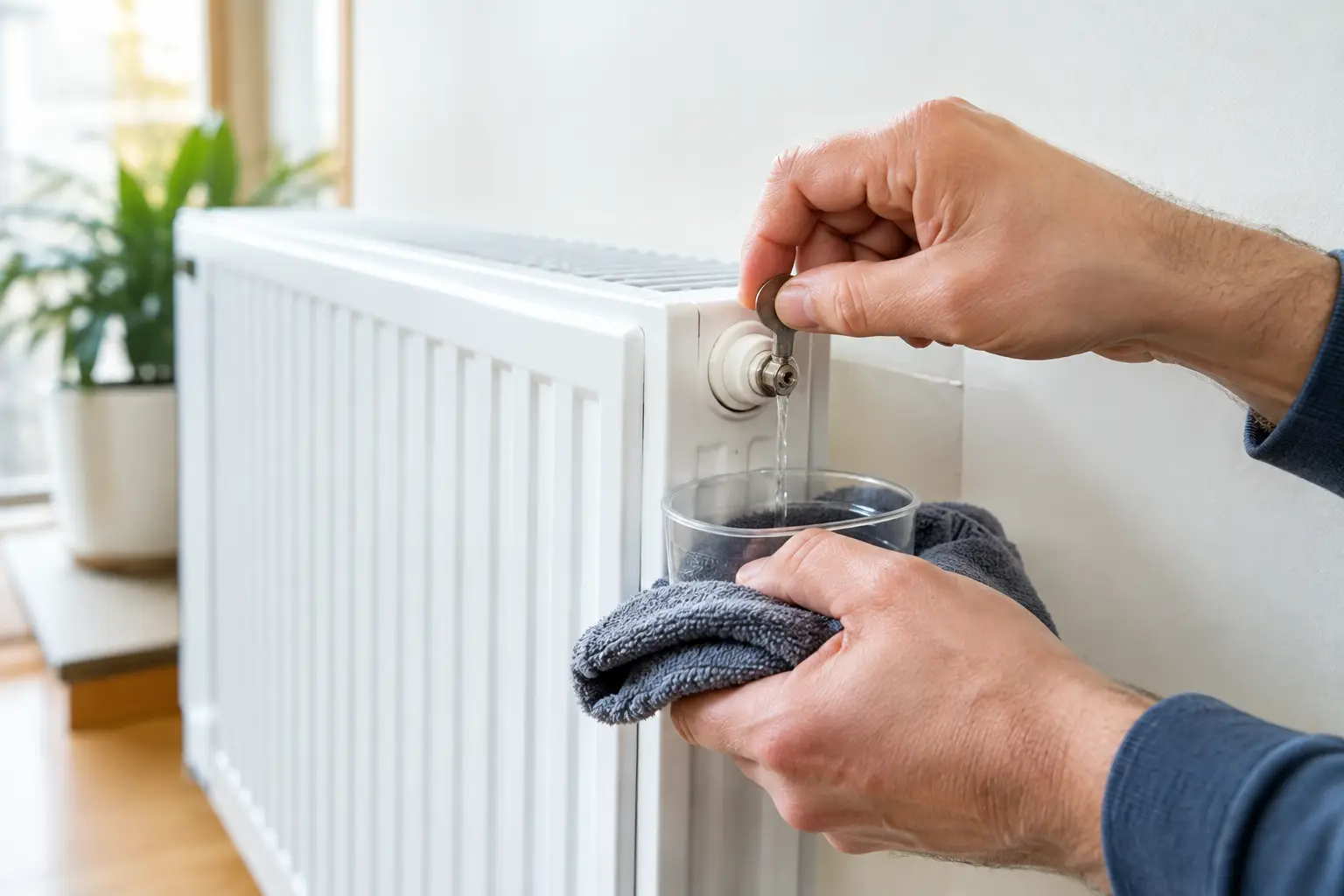
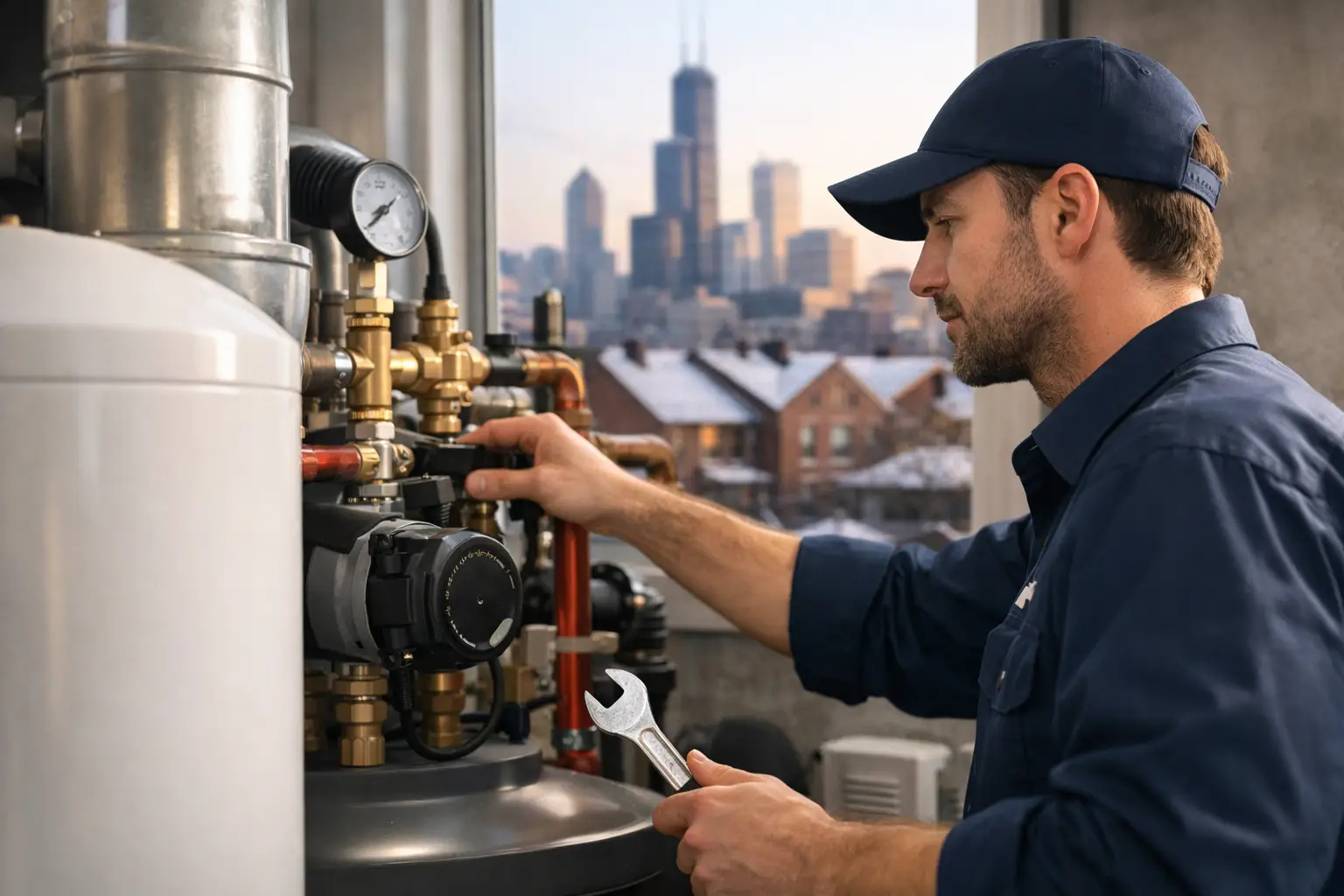
Boilers create heat by warming water and circulating it through radiators, baseboards, or in-floor piping. That process involves combustion components, controls, pumps, valves, venting, pressure management, and water circulation. Each part has a job to do, and a problem in one area can affect comfort throughout the property.
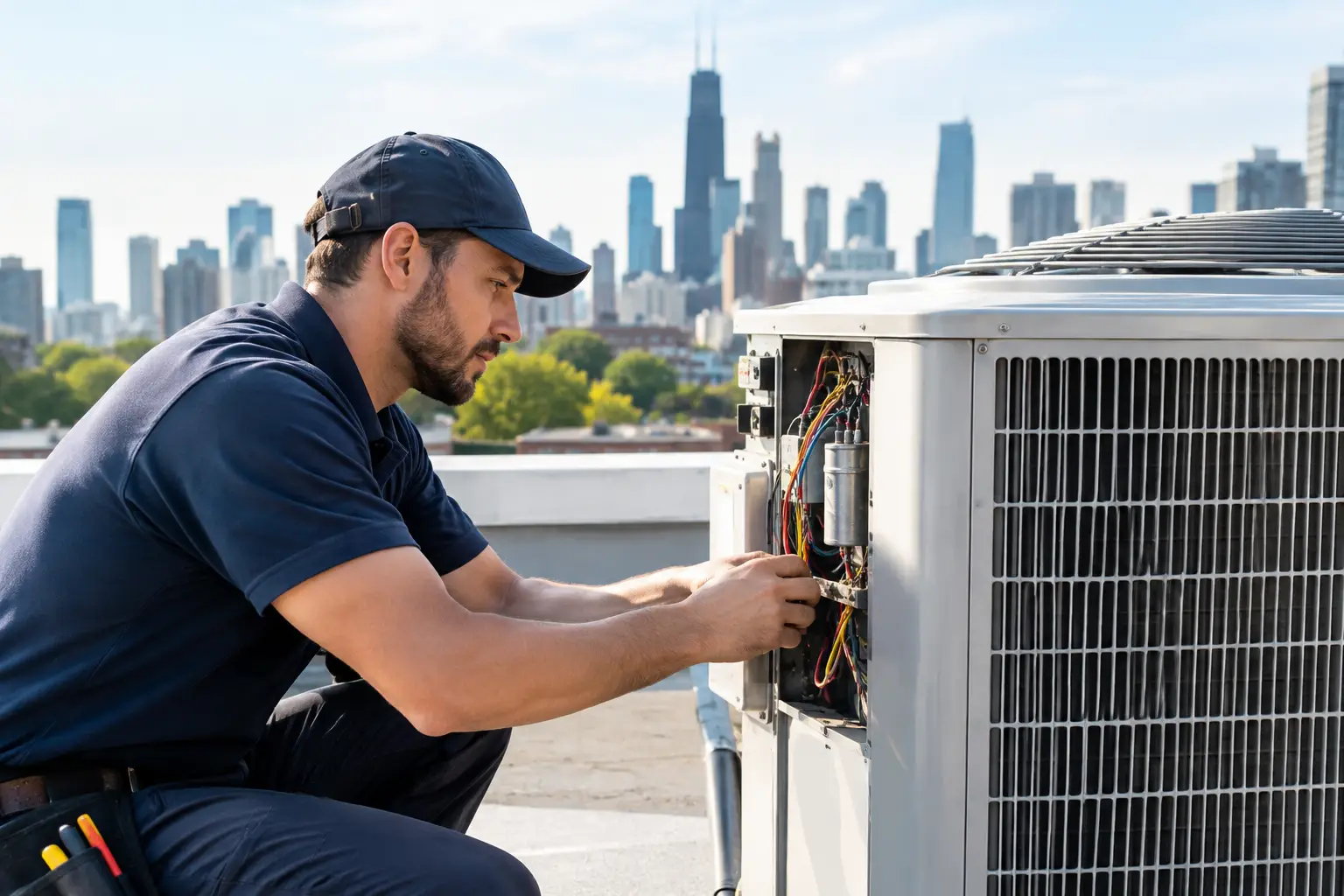
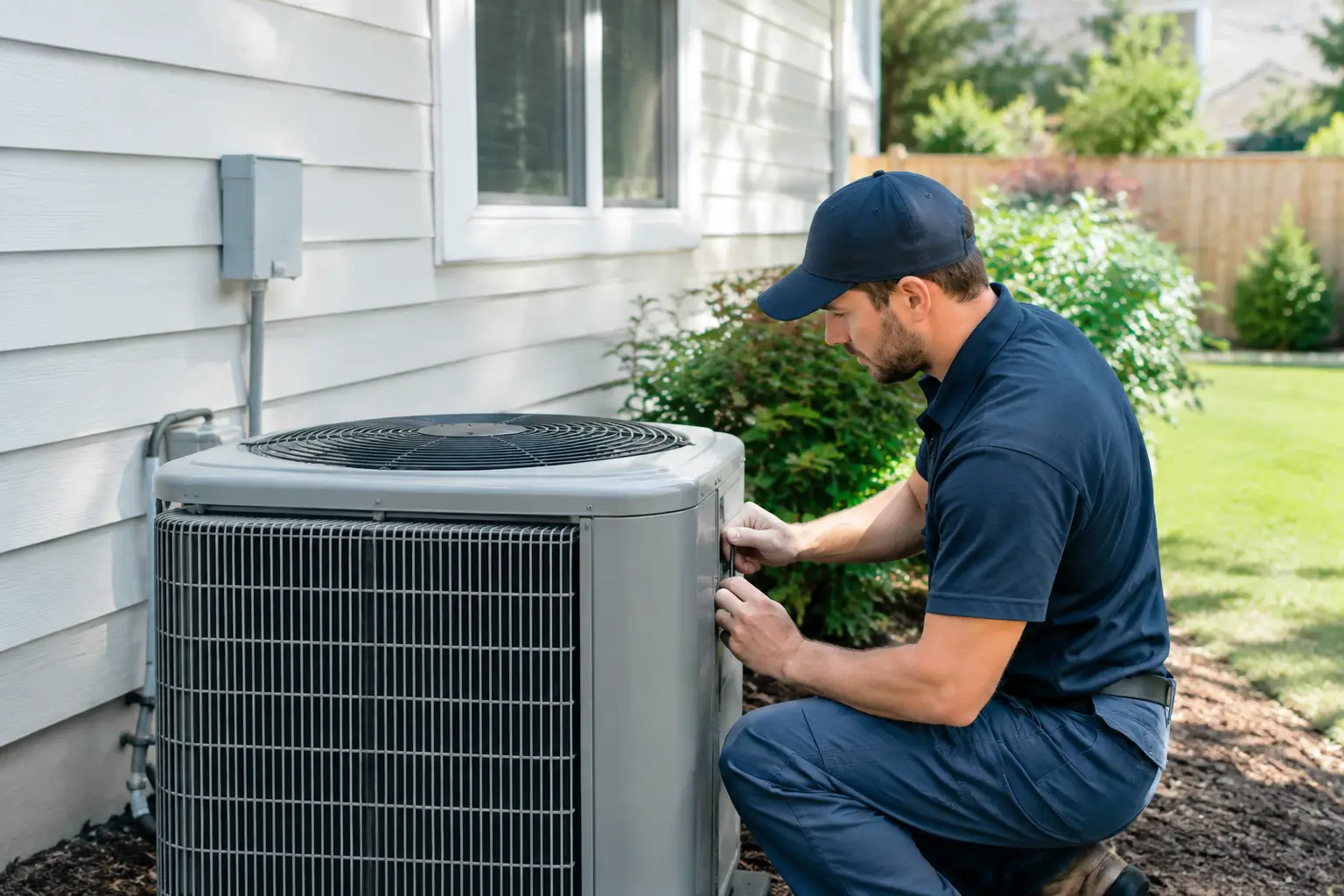
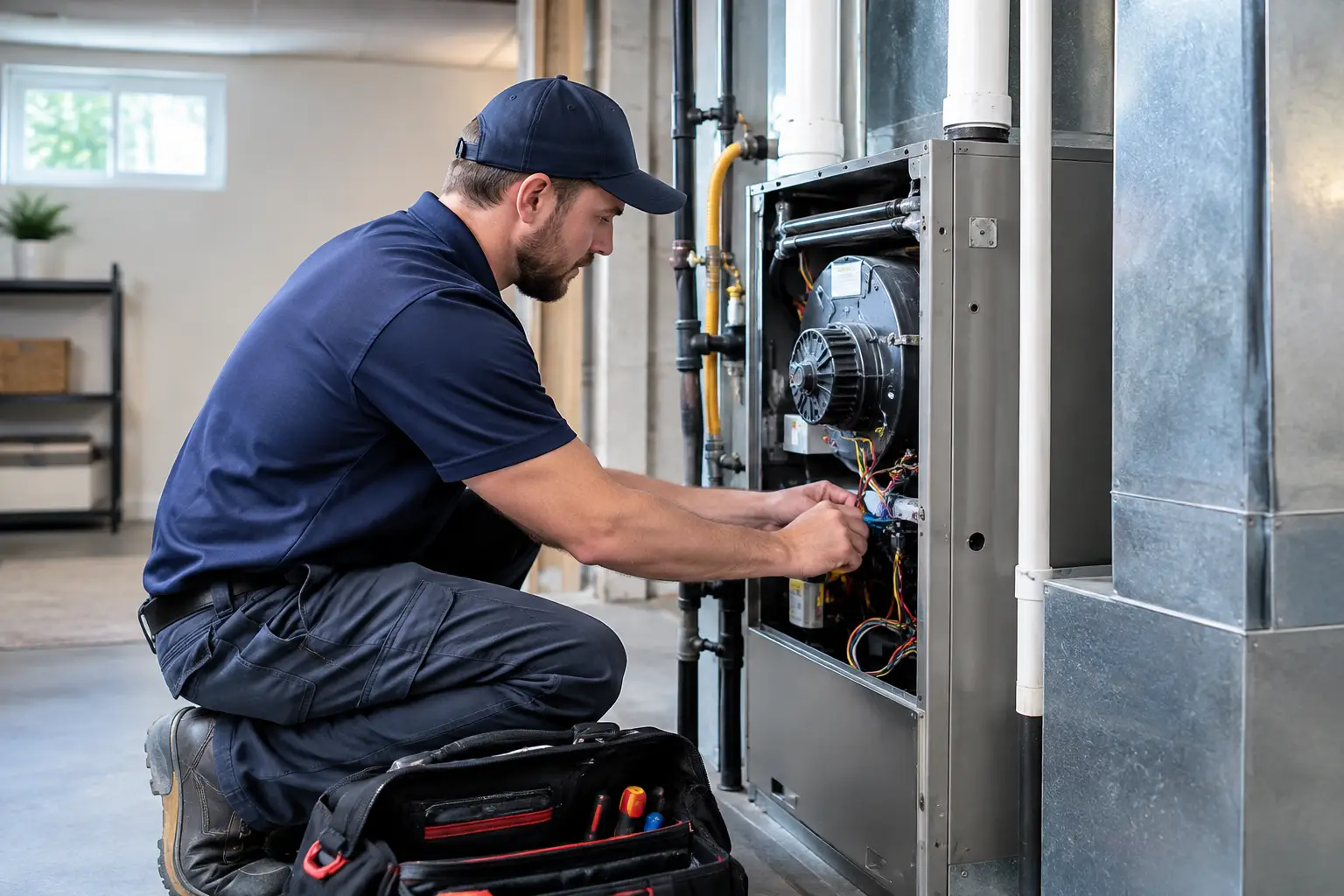
During a professional maintenance visit, a trained technician evaluates the boiler’s overall operation and safety. The work typically includes checking the burner and ignition sequence, examining venting and combustion-related components, testing operating and safety controls, reviewing system pressure, and inspecting for leaks or corrosion. The technician also looks at circulator pumps, expansion components, piping connections, and the thermostat or zoning controls that tell the system when to run.
The exact scope depends on the boiler type, age, condition, and whether it serves a single-family home, a multifamily building, or a light commercial space. A newer high-efficiency boiler may need attention to condensate drainage and specialized venting, while an older boiler may need closer review of its burner operation, controls, and piping condition. Good maintenance is never a one-size-fits-all checklist applied without looking at the system in front of you.
Why Annual Boiler Maintenance Matters in Chicago
Chicago winters put sustained demand on heating equipment. A boiler that only runs occasionally in mild weather may run for long cycles during a cold snap. If a control is sticking, a pump is weakening, or pressure is unstable, those issues often become noticeable when the system is under that heavier load.
Annual service helps reduce the risk of being caught off guard. It also supports more consistent indoor temperatures. When certain rooms lag behind others, the cause may be related to circulation, air in the system, thermostat settings, zoning, or heat loss in the building. Maintenance creates an opportunity to identify the likely cause rather than treating the symptom with a temporary adjustment.
Efficiency is another reason to stay ahead of service. Dirty or poorly adjusted combustion components, control problems, and circulation issues can make a boiler work harder than necessary. The result may be uneven heating, longer run times, or unnecessary energy use. Maintenance will not turn an aging boiler into a new one, but it can help the equipment operate as it was designed to operate.
For rental property owners, consistent maintenance also helps support tenant comfort and reduces the chance that a preventable issue becomes an after-hours disruption. For small businesses, it helps protect a comfortable environment for staff and customers during the heating season.
The Best Time to Schedule Service
Early fall is usually the ideal time for a boiler tune-up. Scheduling before the heating season is in full swing gives a technician time to inspect the system, recommend needed repairs, and address concerns before the boiler becomes essential every day.
That said, maintenance is worthwhile at other times of year too. If your boiler missed its usual appointment, has begun making unfamiliar sounds, or has a history of inconsistent heat, it is better to have it evaluated than wait for next season. A boiler that is operating but showing warning signs may still need attention soon.
If you manage several units or a mixed-use property, planning service before the seasonal rush can also make maintenance easier to coordinate with residents or business operations.
Warning Signs Your Boiler Needs Attention
Not every boiler problem produces a dramatic failure. In many cases, the system starts communicating through smaller changes in performance. Pay attention if you notice any of the following:
- Rooms that stay cold while others are overly warm
- New banging, whistling, rumbling, or gurgling sounds
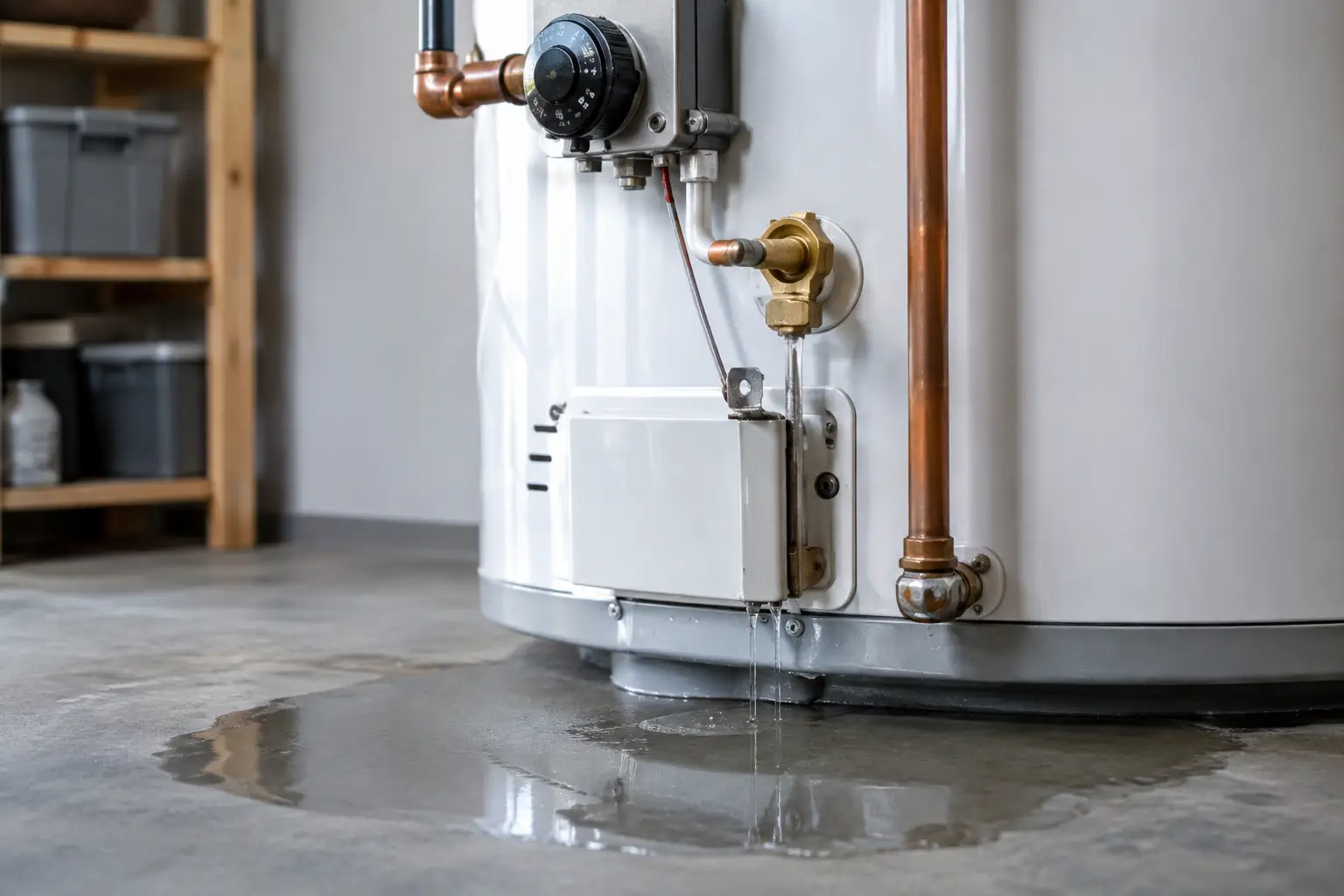
- Water around the boiler, pipes, or pressure-relief components
- Pressure readings that regularly seem too high or too low
- A boiler that cycles on and off more often than usual
- Rising heating costs without a clear change in weather or use
- Discolored piping, visible corrosion, or recurring service interruptions
A gas smell, a carbon monoxide alarm, visible smoke, or a boiler that will not stay on requires prompt professional attention. Leave the area if you suspect a gas leak, follow emergency safety guidance, and contact the appropriate emergency service and a qualified HVAC professional. Do not attempt to repair combustion, gas, electrical, or pressure-related components yourself.
What Owners Can Do Between Visits
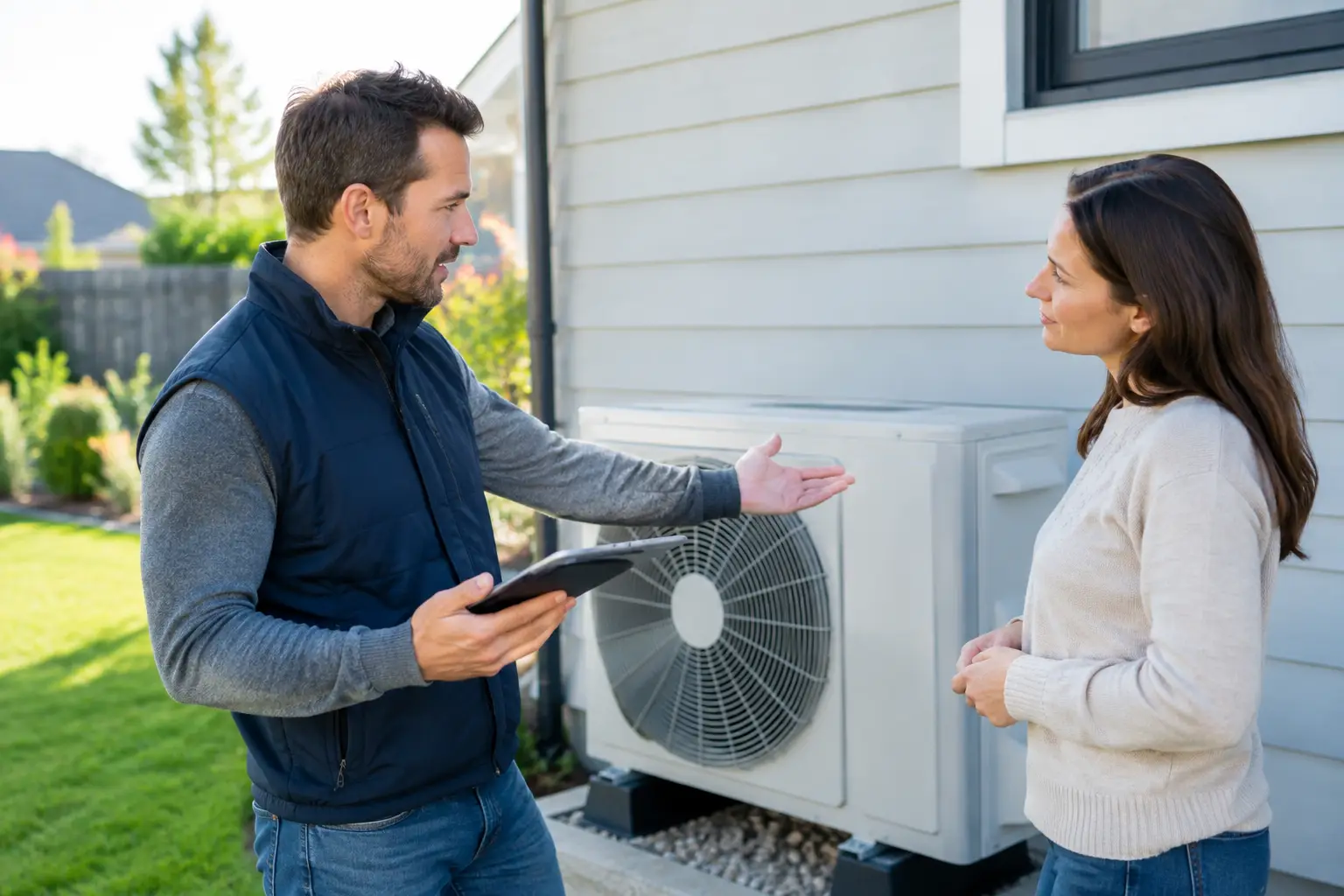
There is a useful difference between basic awareness and do-it-yourself boiler repair. Homeowners and property managers can help by keeping the area around the boiler clear, watching for visible moisture or unusual noises, and noticing whether different parts of the building are heating as expected. Keep supply and return areas accessible so a technician can inspect the system safely.
It is also wise to replace thermostat batteries when applicable and report changes in system behavior before they become severe. A brief note about when the issue occurs, which rooms are affected, and whether it is tied to very cold weather can help speed up diagnosis.
Avoid adjusting gas controls, disassembling panels, manipulating electrical wiring, or attempting to correct pressure and venting issues without professional guidance. Boilers combine hot water, pressure, and fuel-burning equipment. Protecting your property means knowing when a trained technician should take over.
Maintenance, Repair, or Replacement: How to Decide
A maintenance appointment sometimes reveals that a repair is needed. That does not automatically mean replacement is the right answer. A dependable technician should explain what was found, why it matters, and whether the repair is likely to provide lasting value based on the boiler’s age, condition, repair history, and performance.
For a relatively newer boiler with a contained issue, repair and continued maintenance may be the sensible path. For an older unit with repeated breakdowns, corrosion, declining efficiency, or hard-to-source parts, planning a replacement can be more practical than continuing to invest in short-term fixes. The right choice depends on the system and the property, not on a pressure-driven sales pitch.
At Shad Heating & Cooling, the goal is to give customers a clear picture of their system’s condition, maintain a clean work area, and recommend work that supports reliable comfort over the long term. Licensed, insured service and NATE-certified technical expertise matter most when you need an explanation you can trust.
A Maintenance Plan Brings Consistency
The hardest part of boiler care is often not the inspection itself. It is remembering to schedule it before winter arrives. A preventative maintenance plan can make that easier by creating a regular service rhythm and keeping system history organized.
For properties with multiple heating zones, several units, or tenants to consider, that record can be especially valuable. It gives future service visits useful context and helps identify patterns, such as a recurring circulation problem or a component nearing the end of its expected service life.
Reliable heat is built through attention before a crisis, not just a fast response after one. Scheduling boiler maintenance before the cold settles in gives you more control, clearer options, and greater confidence that your system is ready for the season.
Written by the Shad Heating & Cooling team
Frequently Asked Questions
How often should a boiler be serviced?
Most residential and light commercial boilers should receive professional maintenance once a year, ideally before the main heating season begins.
Can boiler maintenance prevent all breakdowns?
No. Parts can fail unexpectedly, particularly in older systems. Regular service helps find many developing concerns early and can reduce the likelihood of preventable breakdowns.
Why are some rooms colder than others?
Uneven heat can be caused by circulation issues, thermostat or zoning concerns, air in the system, or building heat loss. A professional inspection can identify the most likely cause.
Is a leaking boiler an emergency?
Any leak should be addressed promptly because water can damage equipment and surrounding areas. If the leak is significant, the boiler is not operating safely, or you notice a gas odor or carbon monoxide alarm, seek immediate professional and emergency assistance. Acting early is the best way to protect both your comfort and your property.