
A boiler that stops heating on a Chicago winter morning is more than an inconvenience. Cold rooms can quickly lead to frozen pipes, unhappy tenants, interrupted business operations, and a stressful decision about what to do next. Prompt Chicago boiler repair helps protect your property, but the right repair starts with an accurate diagnosis, clear options, and a technician who treats safety as seriously as comfort.
When to Call for Chicago Boiler Repair
Some boiler problems are obvious, such as no heat or a system that will not start. Others begin quietly. A room may take longer than usual to warm up, radiators may heat unevenly, or the boiler may begin cycling on and off more often. These signs can point to several issues, from a failing circulator pump or thermostat problem to low system pressure, trapped air, or a burner-related fault.
Call for professional service promptly if you notice water around the boiler, a new banging or whistling sound, persistent pressure changes, or a burning smell. A yellow or lazy burner flame, soot around the unit, or a carbon monoxide alarm requires immediate attention. Turn the system off if it is safe to do so, leave the area if you suspect a gas or carbon monoxide issue, and contact the appropriate emergency service and a qualified HVAC professional.
It is also worth scheduling service when the boiler still produces heat but does not do so reliably. Waiting for a complete breakdown can turn a manageable repair into an after-hours emergency, particularly during a prolonged cold spell.
Common Boiler Problems and What They Can Mean
Boilers are durable heating systems, but they depend on several components working together: the heat source, controls, pumps, piping, safety devices, and distribution system. The symptom you see is not always the part that has failed.
No Heat or Hot Water
A no-heat call may be caused by a thermostat setting, tripped electrical connection, ignition issue, failed control, low water condition, or a problem with the fuel supply. In combination boiler systems, a loss of domestic hot water can help narrow the diagnosis, but it does not confirm the cause on its own.
Before requesting service, confirm that the thermostat is set to heat and that the temperature setting is above the current room temperature. Check whether the boiler has power and whether a fuel shutoff has been accidentally closed. Do not repeatedly reset the boiler or bypass a safety control. Those safeguards are there to prevent equipment damage and dangerous operating conditions.
Cold Radiators or Uneven Heating
If some radiators are hot while others remain cold, the problem may involve air in the lines, a stuck valve, poor circulation, zone-control trouble, or an improperly balanced system. In older Chicago buildings, aging piping and radiator valves can add another layer of complexity.
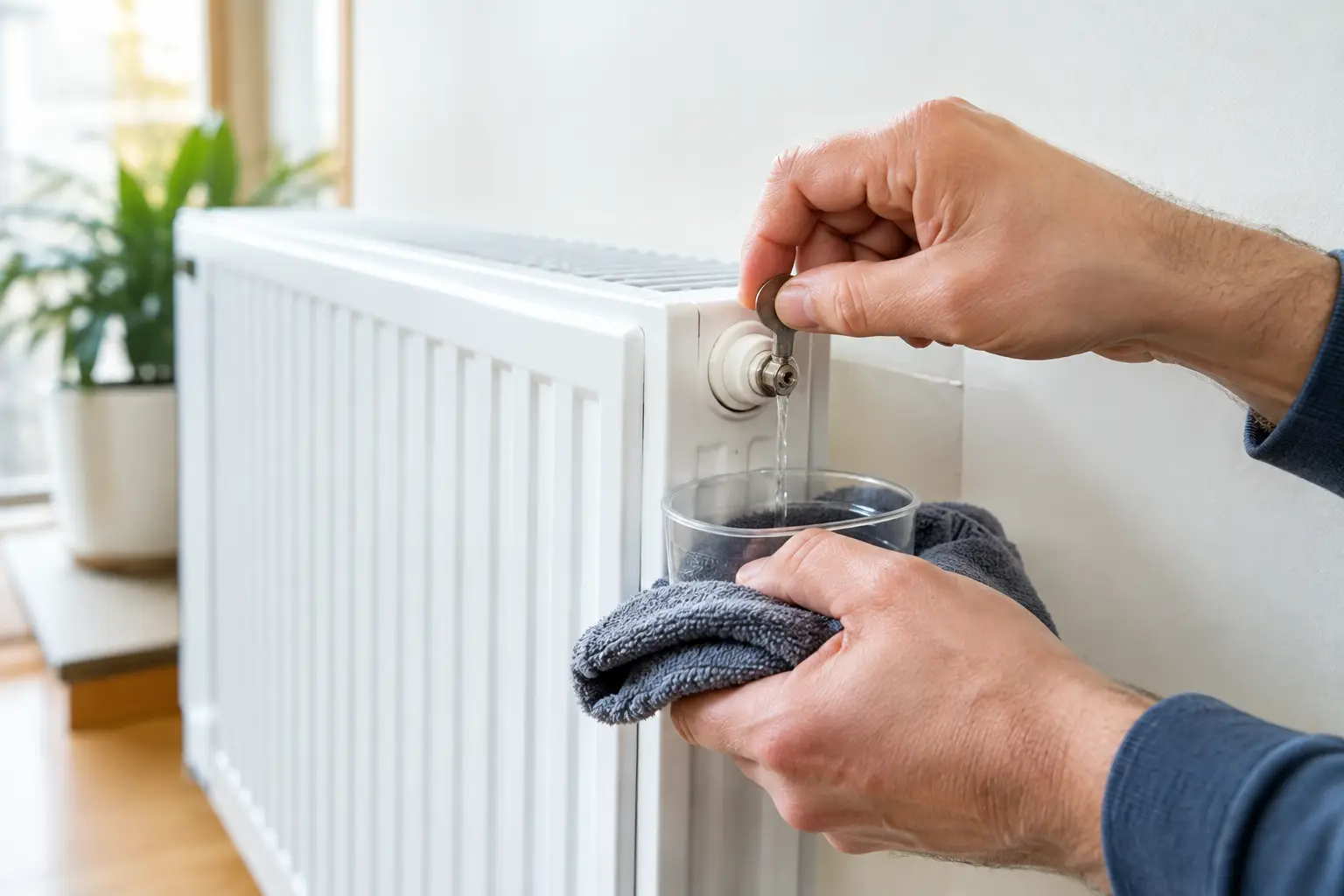
Bleeding a radiator can sometimes release trapped air, but it is not always the appropriate answer. If pressure is low, water is leaking, or the issue returns repeatedly, a professional should inspect the system rather than treating the symptom again and again.
Leaks, Pressure Loss, and Water Around the Unit
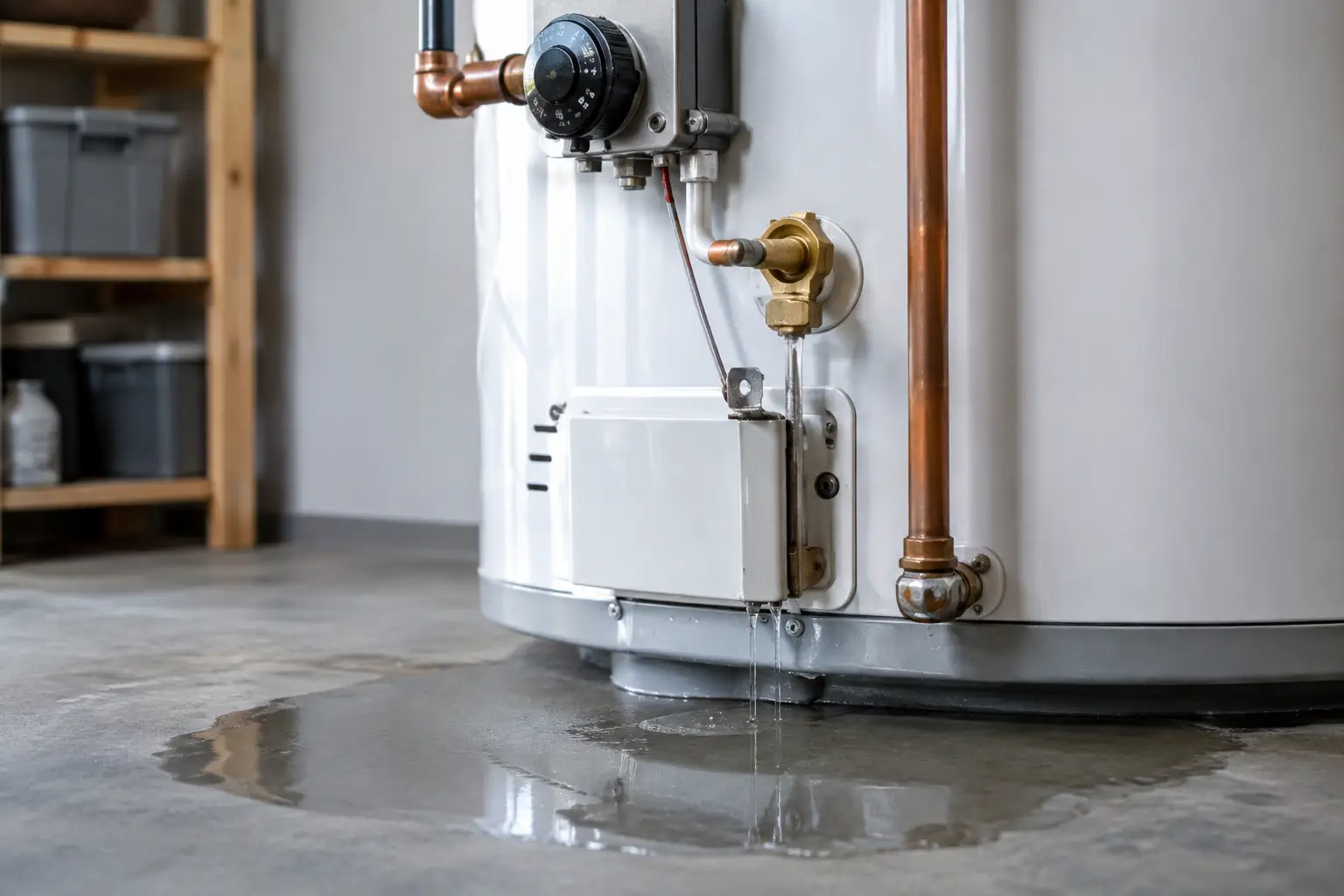
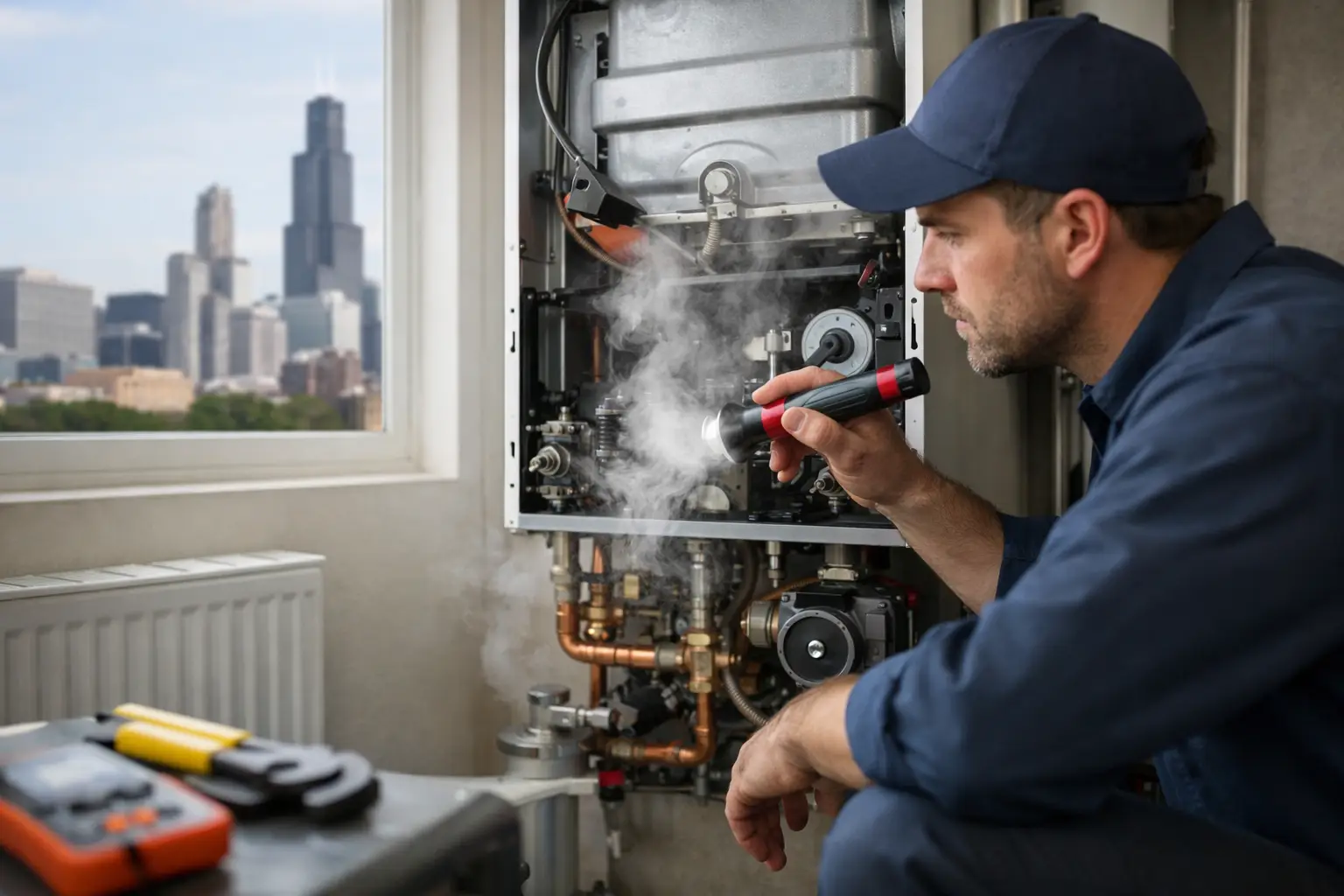
Water should never be ignored near a boiler. It may come from a loose fitting, relief valve, pump seal, expansion tank issue, corroded pipe, or heat exchanger problem. Even a small leak can lower system pressure, damage surrounding materials, and accelerate corrosion.
A technician should identify where the water originated before recommending a repair. Replacing a visible valve without checking the cause of recurring high pressure, for example, may only delay the next failure.
Loud Banging, Kettling, or Whistling
Boilers make normal operating sounds, but sharp banging, rumbling, gurgling, or high-pitched whistling deserves attention. Air, mineral buildup, restricted water flow, failing pumps, or improperly operating valves can all create noise. Steam systems have their own set of causes, including condensate drainage and venting concerns.
The repair depends on the boiler type and the source of the sound. A qualified technician will inspect the system rather than assuming every noisy boiler needs the same fix.
What a Thorough Boiler Repair Visit Should Include
A reliable repair is not a guess based on one symptom. The technician should ask what changed, when the problem began, and whether the issue affects the entire property or only certain areas. They should then inspect the boiler, controls, safety components, system pressure, venting, and circulation as appropriate for the equipment.
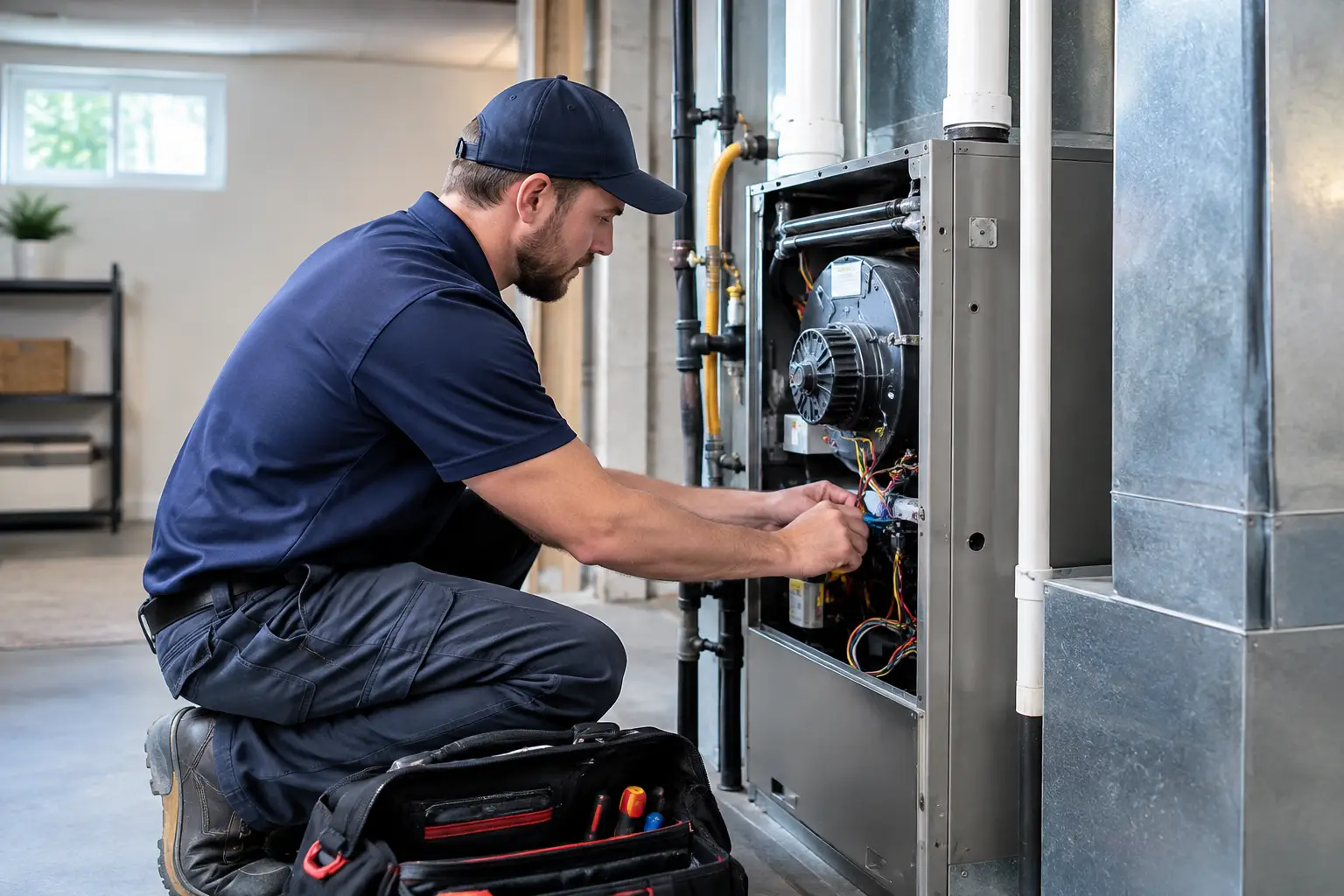
For gas-fired boilers, safe combustion and venting are central to the visit. For hydronic systems, the inspection may also include circulators, expansion tanks, zone valves, air elimination equipment, and evidence of leaks. Steam boiler service calls may focus on water level controls, pressure controls, vents, and condensate return performance.
After identifying the cause, you should receive a straightforward explanation of the repair, its cost, and any conditions that could affect long-term reliability. Honest upfront pricing matters because a boiler repair often occurs when property owners have little time to compare options. You should not have to approve vague work or discover added charges after the repair is complete.
Clean workmanship matters, too. Boiler rooms, basements, utility closets, and mechanical spaces can be tight, but they are still part of your property. A professional team should protect the work area, remove repair debris, test the system after service, and leave you knowing what was done.
Repair or Replace: Making a Practical Decision
Not every boiler problem means replacement is necessary. A newer, well-maintained boiler with a failed pump, sensor, igniter, valve, or control can often be repaired cost-effectively. If the rest of the system is in sound condition, a targeted repair may restore dependable heat for years.
Replacement becomes more reasonable when repairs are frequent, major components are failing, efficiency is poor, parts are difficult to source, or corrosion has compromised the boiler or heat exchanger. Age alone is not the deciding factor. A properly maintained older boiler may still have useful life, while a neglected newer unit may have serious problems.
For landlords and small-business owners, the decision also includes operational risk. A system that repeatedly fails can mean emergency calls, tenant disruption, vacant-unit concerns, or lost business hours. In those cases, planned replacement may offer more value than another temporary repair. A good contractor will explain both paths without pressuring you toward the more expensive one.
Reduce Emergency Repairs With Seasonal Care
Preventive maintenance cannot prevent every breakdown, but it gives technicians a chance to catch developing problems before the heating season places the system under constant demand. Annual boiler maintenance commonly includes checking operation and safety controls, inspecting for leaks and corrosion, confirming pressure and circulation, evaluating combustion and venting where applicable, and testing the thermostat or zone controls.
Homeowners and property managers can also help by keeping the boiler area clear, watching for water or unusual sounds, and reporting uneven heat early. Avoid storing combustible materials near the unit. If your property has radiators, make sure furniture and heavy coverings are not blocking heat from reaching the room.
For multifamily properties, keep a record of recurring comfort complaints by unit. Patterns can reveal a zone issue, balancing concern, or equipment problem that is easy to miss when each call is treated as separate.
Fast Help Without Shortcuts
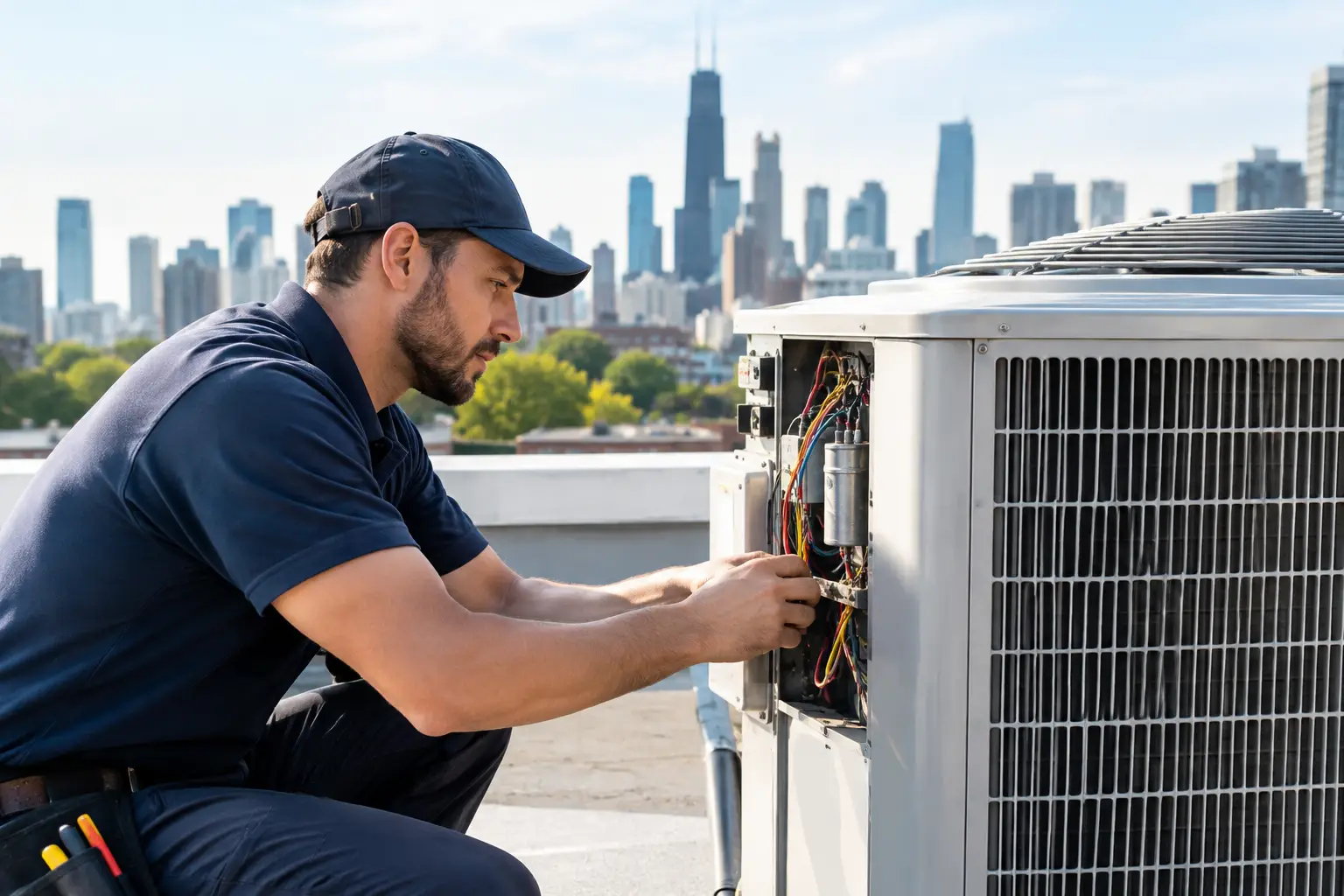
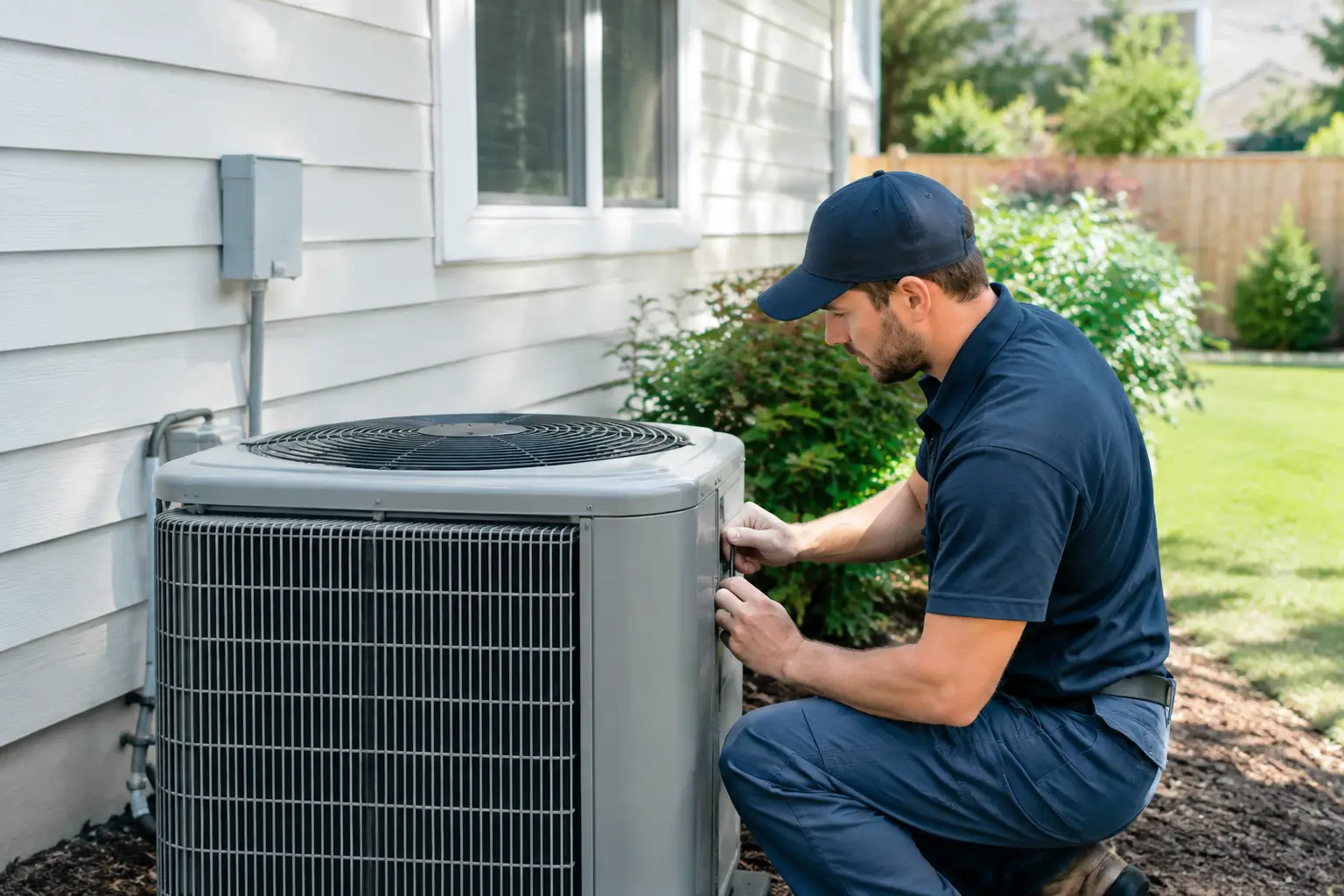
When a boiler fails, speed matters. So does getting the repair right. Shad Heating & Cooling approaches urgent heating calls with licensed, insured service, NATE-certified technical expertise, and clear recommendations designed for lasting performance instead of a quick temporary fix.
If your boiler is leaking, making unfamiliar noises, cycling unpredictably, or leaving your home or building without reliable heat, arrange service before a small warning becomes a larger disruption. The most helpful next step is a careful diagnosis that protects the people and property relying on your heat.