






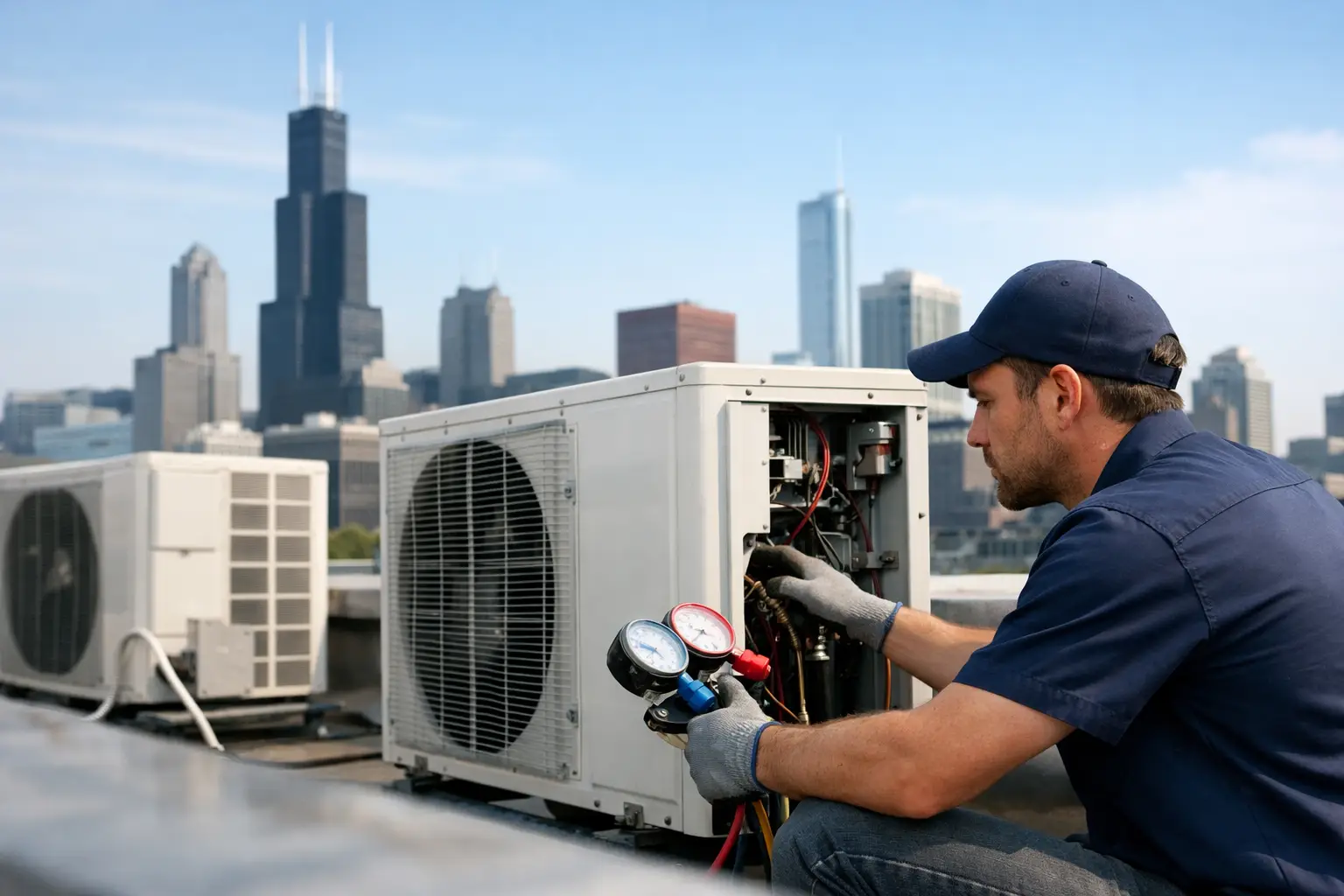
A Chicago heat wave can turn a small air-conditioning problem into an urgent comfort issue fast. For AC repair Chicago homeowners can rely on, the goal should be more than getting cool air back for the afternoon. The right repair identifies why the system failed, protects the equipment from further damage, and gives you a clear explanation before work begins.
An air conditioner rarely stops working without leaving clues. A room that will not cool, a sudden spike in utility use, or water near the indoor equipment may all signal a problem that needs professional attention. Acting early can often prevent a more disruptive breakdown during the hottest part of the season.
Signs You Need AC Repair in Chicago
Some cooling issues are obvious, such as an air conditioner that will not start or one that blows warm air. Others develop slowly and are easy to overlook until comfort drops significantly. If your system is running differently than it did last summer, it is worth scheduling an evaluation.
Pay attention to these common warning signs:
- Warm or weak airflow coming from supply vents
- Frequent cycling, where the system starts and stops repeatedly
- New grinding, rattling, buzzing, or squealing noises
- Water pooling around the indoor unit or visible ice on cooling components
- Uneven temperatures between rooms or floors
- A thermostat setting that never seems to match how the space feels
- Unusual odors when the cooling system runs
- Higher energy bills without a meaningful change in how you use the system
No single symptom automatically means the system needs replacement. Restricted airflow, drainage issues, electrical faults, thermostat problems, worn parts, and refrigerant-related issues can create similar comfort complaints. A trained technician should inspect the full system before recommending a repair or replacement.
Why Small AC Problems Become Bigger Repairs
Air-conditioning equipment works as a connected system. When one part struggles, other components can be forced to work harder. For example, poor airflow can make the system run longer than necessary. A drainage problem can lead to water damage or an unexpected shutdown. A failing electrical component may cause repeated cycling that puts additional stress on the equipment.
Chicago summers add another layer of pressure. High humidity means your air conditioner is doing more than lowering the temperature. It is also helping remove moisture from the air. When the system cannot manage humidity well, a home or business can feel sticky and uncomfortable even when the thermostat appears to be set correctly.
Ignoring these issues can also affect indoor air quality. Moisture, poor filtration, and inadequate circulation may contribute to stale air and inconsistent comfort. For property owners managing tenants or commercial spaces, that can quickly become more than a personal inconvenience.
What a Professional AC Repair Visit Should Include
A reliable service visit starts with listening. The technician should ask what you have noticed, when the issue began, whether it happens consistently, and whether there have been changes in airflow, sound, humidity, or energy use.
From there, the inspection should look beyond the immediate symptom. A qualified technician evaluates system operation, airflow, controls, electrical connections, drainage, and the condition of key components. This matters because replacing a part without identifying the underlying cause can lead to another service call later.
After diagnosing the issue, you should receive a clear explanation of what is wrong, what repair options are available, and what each option means for your system’s reliability. Honest upfront pricing is especially important when an AC failure creates understandable pressure to make a quick decision. You deserve time to understand the recommendation without being pushed toward work your system does not need.
At Shad Heating & Cooling, NATE-certified technicians focus on repairs that support lasting performance, with clean workmanship and respect for your home or business space. That means protecting work areas, communicating clearly, and addressing the condition of the system rather than offering a temporary patch without context.
Repair or Replacement: How to Make the Right Call
A repair is often the practical choice when the issue is isolated, the equipment has been maintained, and the system is still delivering dependable cooling overall. Replacing a failed component may restore efficient operation and extend the unit’s useful service life.
Replacement deserves a conversation when repairs are becoming frequent, comfort remains uneven after service, or the system is nearing the end of its expected lifespan. It may also make sense when older equipment requires a significant repair and has a history of poor efficiency or repeated breakdowns.
The right decision depends on the system’s condition, not simply its age. A newer system can still have a serious issue if it was installed incorrectly, neglected, or affected by another part of the home, such as ductwork, insulation, thermostat placement, or zoning. Conversely, a well-maintained older system may still be a reasonable candidate for repair.
A trustworthy HVAC professional will explain the trade-offs in plain language. The conversation should include the immediate repair need, the likelihood of future repairs, expected performance, and whether a replacement would solve broader comfort concerns. The recommendation should fit your property and priorities, not a one-size-fits-all sales target.
Preventing Summer Breakdowns Before They Start
Preventative maintenance is one of the most practical ways to reduce surprise cooling failures. It cannot eliminate every repair, but it allows technicians to identify wear, drainage concerns, airflow restrictions, and developing electrical issues before the system is working at peak demand.
For Chicago homeowners, landlords, and small-business owners, a pre-season tune-up is particularly valuable. It gives the air conditioner a chance to be inspected before the first prolonged stretch of humid weather. If a repair is needed, you can schedule it on your terms rather than during a stressful loss of cooling.
Maintenance also supports more consistent comfort. A system that is operating correctly is better positioned to cool evenly, control humidity, and avoid unnecessary runtime. That can be especially helpful in older Chicago homes, multifamily buildings, and spaces with varying sun exposure or difficult-to-cool upper floors.
Between professional visits, keep an eye on changes in performance. If airflow weakens, rooms become more humid, or the unit begins making new sounds, do not wait for a complete failure. A timely service call can protect both your comfort and your equipment.
When an AC Issue Needs Urgent Attention
Call for prompt professional service if your system stops cooling during extreme heat, repeatedly trips power, leaks significant water, produces a burning smell, or makes loud mechanical noises. Turn the system off if you notice an electrical burning odor or a condition that appears unsafe, then contact a licensed HVAC professional.
Urgent service is also important for vulnerable household members, including older adults, young children, and anyone whose health is affected by high heat. Rental property owners should address cooling failures responsibly and communicate clearly with occupants while repairs are being arranged.
Reliable comfort is not about waiting until the system fails completely. It is about noticing the change, getting a careful diagnosis, and choosing a repair plan that protects your property for the season ahead.
Written by the Shad Heating & Cooling team
FAQ
How quickly should I schedule AC repair if my system is still running?
Schedule service as soon as you notice warm air, weak airflow, strange sounds, water leaks, or frequent cycling. Early diagnosis may help prevent a full breakdown.
Why is my AC running but my home still feels humid?
The system may have an airflow, drainage, control, or cooling-performance issue. A professional inspection can identify why it is not removing moisture effectively.
Can a thermostat problem look like an air-conditioner problem?
Yes. Incorrect thermostat readings, control issues, or placement concerns can affect cooling behavior. A complete service visit checks the thermostat along with the equipment.
Is annual AC maintenance worth it?
For most properties, yes. Maintenance helps identify developing issues, supports efficient operation, and reduces the chance of an unexpected summer breakdown.