






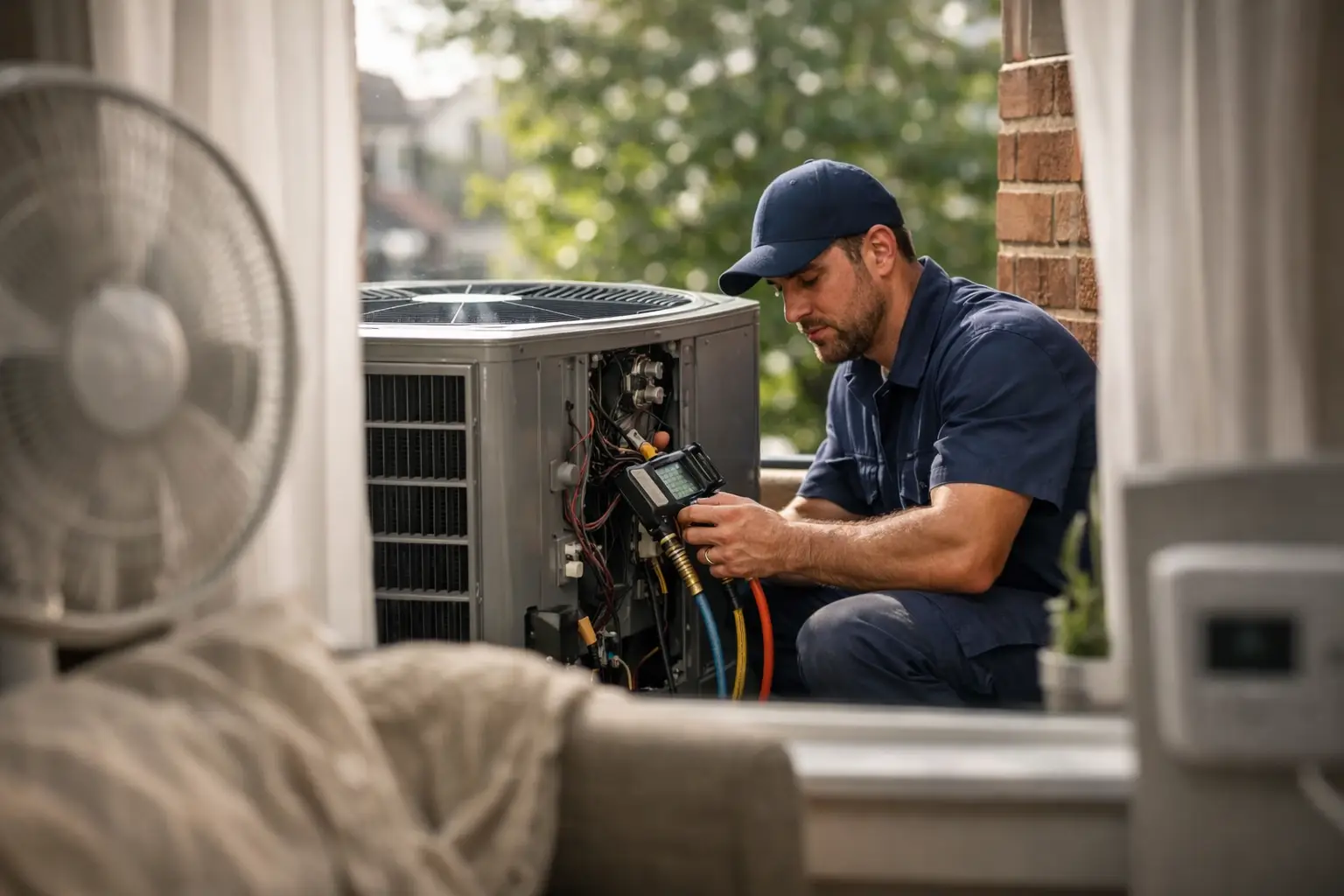
A furnace that starts blowing cool air during a Chicago cold snap, a boiler that suddenly goes quiet, or an air conditioner that cannot keep up with a humid afternoon is more than an inconvenience. It can affect your family’s safety, your property, and your ability to run a rental unit or small business comfortably. When you need HVAC repair in Logan Square, the right response is not guesswork or a temporary patch. It is a clear diagnosis, an honest explanation, and repairs that address the cause of the problem.
Logan Square homes and buildings often combine older construction with modern comfort expectations. That can mean aging radiators, boilers, ductwork that has been modified over time, newer high-efficiency equipment, or several systems serving different parts of a property. A qualified HVAC professional can help identify what is happening without pushing a replacement when a well-planned repair is the better option.
When HVAC Repair in Logan Square Cannot Wait
Some HVAC problems should be addressed promptly, even if the system is still partially operating. A heating or cooling system that cycles on and off repeatedly, makes new banging or grinding noises, produces unusual odors, leaks water, or leaves rooms at very different temperatures may be signaling a repair need that will worsen with continued use.
During winter, loss of heat deserves immediate attention. A failed furnace or boiler can make a home uncomfortable quickly and may increase the risk of frozen plumbing in poorly heated areas. For landlords and property managers, a heating failure can also become an urgent habitability concern for tenants.
If you smell natural gas, notice signs of combustion trouble, or suspect a carbon monoxide issue, leave the building if necessary and contact emergency services or the gas utility according to their safety guidance. Do not try to relight, adjust, or repair gas-fired equipment yourself. Once the immediate safety concern has been addressed, an HVAC technician can inspect the system and determine the appropriate next step.
In summer, an air conditioner that runs continuously without lowering indoor humidity or temperature is also worth a professional visit. The problem may be as straightforward as restricted airflow, but it can also involve controls, drainage, electrical components, refrigerant performance, or an issue with the outdoor unit. Running an impaired system for days can add wear and increase energy use without restoring comfort.
Common Problems in Chicago Homes and Small Businesses
No two service calls are identical, but a few patterns appear frequently in homes, apartments, and light commercial spaces. Understanding these patterns can help you describe the problem clearly when scheduling service.
A furnace may be running but delivering cool air because of an ignition, airflow, safety-control, or fuel-related issue. A boiler may heat some radiators while leaving others cold due to circulation, pressure, air, control, or zoning concerns. These systems require different diagnostic approaches, especially in older buildings where equipment and piping may have been updated in stages.
For air conditioning, poor cooling can result from a dirty or blocked filter, a thermostat issue, a condensate drainage problem, electrical wear, or declining system performance. A musty smell or excess indoor humidity may point to moisture management concerns rather than a simple temperature setting issue. Ductless systems can have their own maintenance and control needs, particularly when one indoor unit is working differently from another.
Uneven temperatures deserve attention as well. They may stem from duct restrictions, insulation gaps, an improperly sized system, thermostat placement, zoning problems, or building layout. The best repair depends on the source. Replacing a part may restore operation, but it will not solve an airflow or distribution problem that has been present for years.
What a Thorough HVAC Diagnosis Should Include
A proper repair visit begins with listening. A technician should ask when the problem began, whether it is constant or intermittent, what sounds or symptoms you have noticed, and whether recent weather, renovations, or changes in occupancy may be relevant.
From there, the technician should inspect the system safely and test the components that affect operation. That may include thermostat communication, electrical connections, airflow, filters, drainage, combustion performance, system controls, and heating or cooling output. The goal is to identify the failed component and understand why it failed.
Before work begins, you should receive a clear explanation of the recommended repair, what it is intended to solve, and whether other conditions could affect reliability. Honest upfront pricing matters because HVAC repairs are often unexpected. You should know the scope of work before approving it, not be surprised after the job is complete.
A careful technician also protects the home or business during service. Clean work areas, attention to floors and surrounding surfaces, and a final operational check are part of professional workmanship. The repair is not complete just because the equipment turns on. It should be tested to confirm it is operating as intended.
Repair or Replacement: How to Make a Practical Decision
A repair is often the right choice when the equipment is otherwise in good condition, the issue is isolated, and the system can reasonably provide continued dependable service. This is especially true for a newer system or a well-maintained boiler, furnace, heat pump, or air conditioner with a repairable component failure.
Replacement may be worth discussing when repair needs are becoming frequent, efficiency has declined significantly, parts are difficult to obtain, or the equipment can no longer meet the needs of the space. Age alone does not make replacement mandatory. A well-maintained system may have useful life remaining, while a newer system with repeated major problems may need a closer evaluation.
The decision also depends on the property. A homeowner may prioritize long-term efficiency and quieter operation. A landlord may need dependable heating across multiple units with minimal disruption. A small business may need to protect customer comfort, inventory, or operating hours. A trustworthy contractor will explain the trade-offs and let you make an informed decision without pressure.
How to Prepare for a Service Visit
You do not need HVAC expertise to help make a repair appointment more efficient. If it is safe to do so, note the symptoms you have observed: when the system stopped working properly, whether the issue occurs at certain times, any error messages on the thermostat, and which rooms are affected.
Make sure the technician can access the furnace, boiler, air handler, thermostat, indoor units, and outdoor equipment when applicable. For rental or commercial properties, communicate with occupants beforehand so access and any building-specific requirements are clear. Keeping a record of prior repairs and maintenance can also help identify recurring patterns.
Avoid repeatedly resetting breakers, forcing equipment to run, or opening panels to inspect internal components. HVAC equipment combines fuel, electricity, moving parts, pressurized systems, and drainage. A professional inspection is the safer route when operation is abnormal.
Preventing the Next Breakdown
Preventive maintenance cannot eliminate every unexpected failure, but it can uncover worn parts, drainage issues, dirty components, weak electrical connections, combustion concerns, and airflow problems before they become an emergency. It also gives technicians a baseline for how the equipment should perform.
For Chicago properties, both heating and cooling maintenance matter. Heating equipment works hard through long winters, while air conditioning systems face humid summers that place extra demands on cooling and moisture removal. Boilers, furnaces, heat pumps, ductless units, and air conditioners each benefit from service tailored to their design and use.
Indoor air quality can be part of the conversation, too. If your home feels stuffy, overly dry in winter, damp in summer, or dusty despite regular cleaning, the issue may involve humidity control, filtration, ventilation, or airflow. Addressing those conditions can improve comfort while reducing unnecessary strain on HVAC equipment.
Shad Heating & Cooling provides residential and light commercial service with licensed, insured, NATE-certified technicians who focus on clear recommendations, clean workmanship, and lasting system reliability. Whether the job involves an urgent repair or a recurring comfort concern, the right service should leave you with a working system and a clear understanding of its condition.
Written by the Shad Heating & Cooling team
Frequently Asked Questions
Should I call for HVAC repair if my system still turns on?
Yes. A system that runs but does not heat, cool, drain, or circulate air correctly can still have a meaningful problem. Early service may prevent a larger failure.
Why are some rooms warmer or cooler than others?
Uneven temperatures can be caused by airflow, ductwork, insulation, thermostat placement, zoning, or equipment capacity. A professional evaluation can identify which factor is driving the issue.
Is a boiler repair different from a furnace repair?
Yes. Boilers use heated water or steam, while furnaces heat and move air. Their components, controls, safety checks, and diagnostic procedures differ.
When is emergency HVAC service appropriate?
Emergency service is appropriate for loss of heat in cold weather, suspected safety concerns, major leaks, or other failures that create an urgent comfort or property risk. A timely professional assessment is the clearest path back to safe, dependable comfort.