
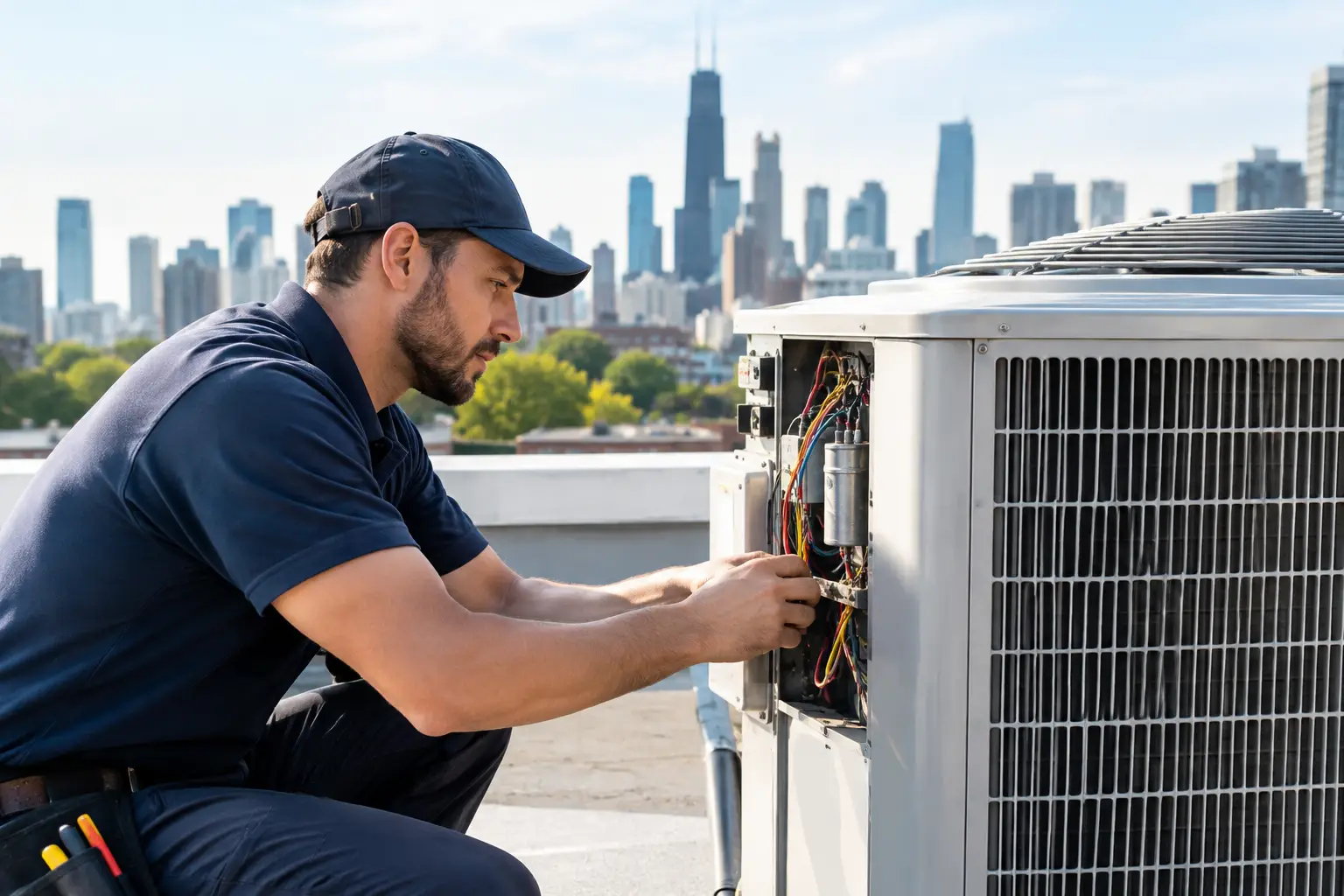
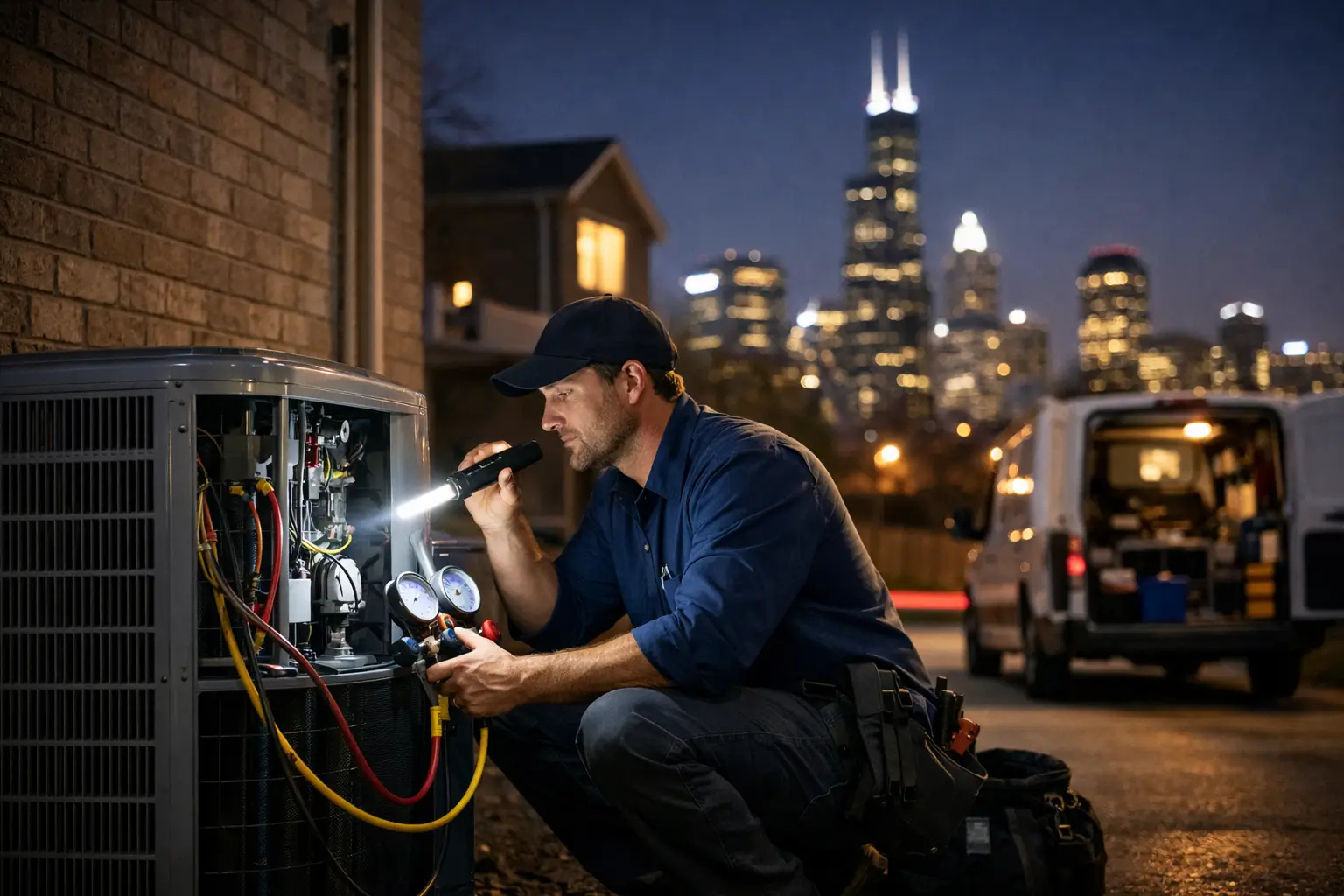
A furnace that stops producing heat at 2 a.m. is not a problem that can wait for business hours. Neither is an air conditioner that quits during a humid Chicago heat wave, especially when children, older adults, tenants, or customers are in the building. When you need 24 hour HVAC repair Chicago property owners can count on, the priority is simple: restore safe, reliable comfort without guesswork, hidden charges, or a temporary fix that fails again next week.
When an HVAC Problem Is an Emergency
Not every unusual sound or temperature change requires an overnight call. A system that is still operating safely may be able to wait until the next available appointment. But certain conditions deserve immediate professional attention because they can affect safety, prevent property damage, or create an unsafe indoor environment.
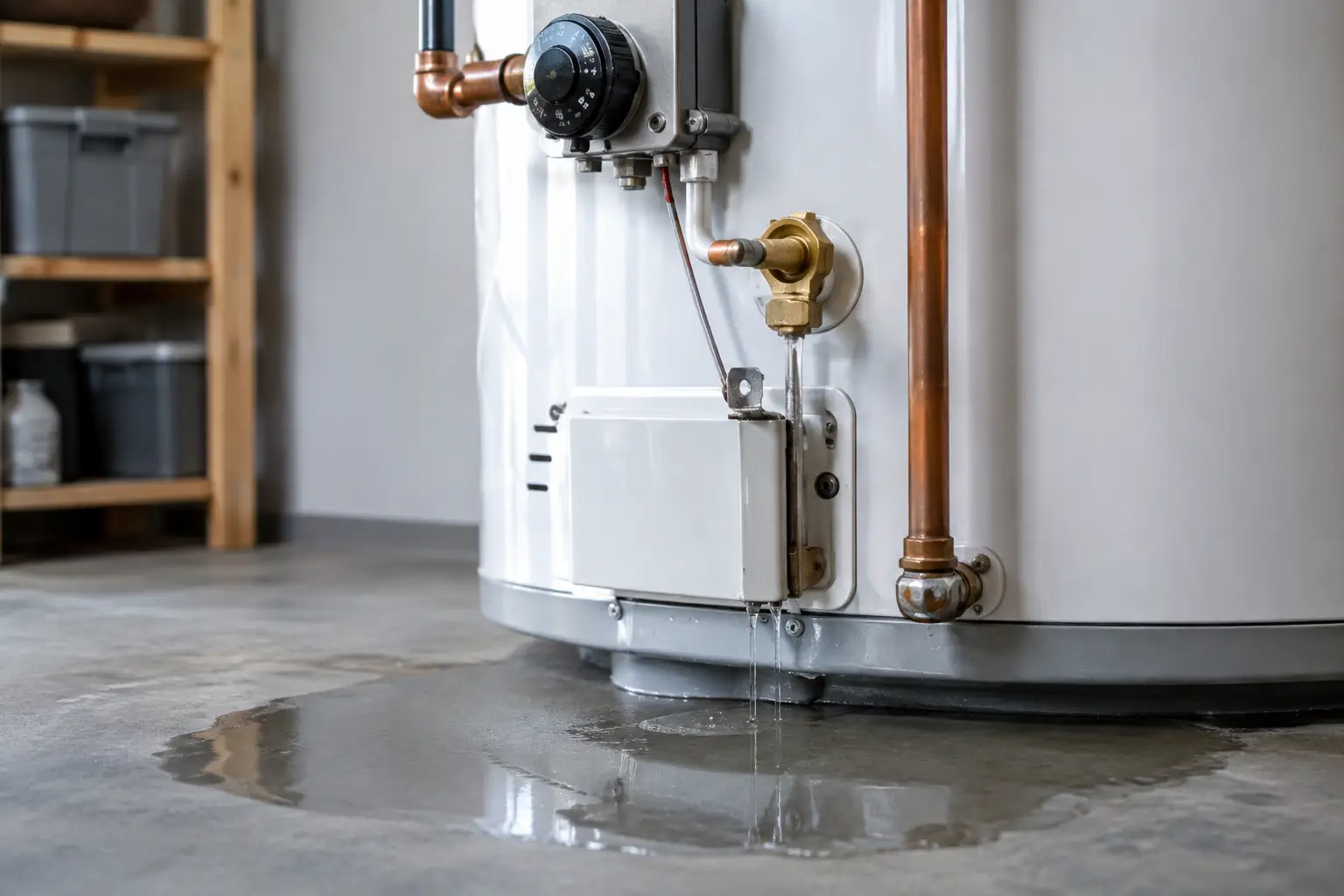
Call for emergency HVAC service if your furnace or boiler will not heat the building during cold weather, your air conditioner has failed during extreme heat, or you smell gas, burning wires, or strong electrical odors. Water pooling around a boiler, air handler, or furnace also needs prompt attention. A leaking system can damage floors, walls, ceilings, and nearby equipment, particularly in multifamily properties where water can travel between units.
Carbon monoxide concerns are urgent. If a carbon monoxide alarm sounds, leave the building, call emergency services, and do not reenter until it is safe. Do not attempt to reset equipment or investigate a suspected gas or combustion issue on your own.
A complete loss of heat deserves special attention in Chicago winters. Frozen pipes can become a costly secondary problem when indoor temperatures fall. If your system is down, protect the space by keeping interior doors open where practical, opening cabinet doors near plumbing on exterior walls, and following safe temporary-heating guidance while professional help is on the way.
What to Check Before Calling for 24 Hour HVAC Repair in Chicago
A few safe checks can sometimes identify a simple issue and help the technician arrive prepared. Start with the thermostat. Confirm it is set to Heat or Cool, that the temperature setting is appropriate, and that batteries are working if the model uses them. Then check your electrical panel for a tripped breaker. Reset a breaker once if it has tripped, but do not repeatedly reset it. A breaker that trips again may point to an electrical fault that needs professional diagnosis.
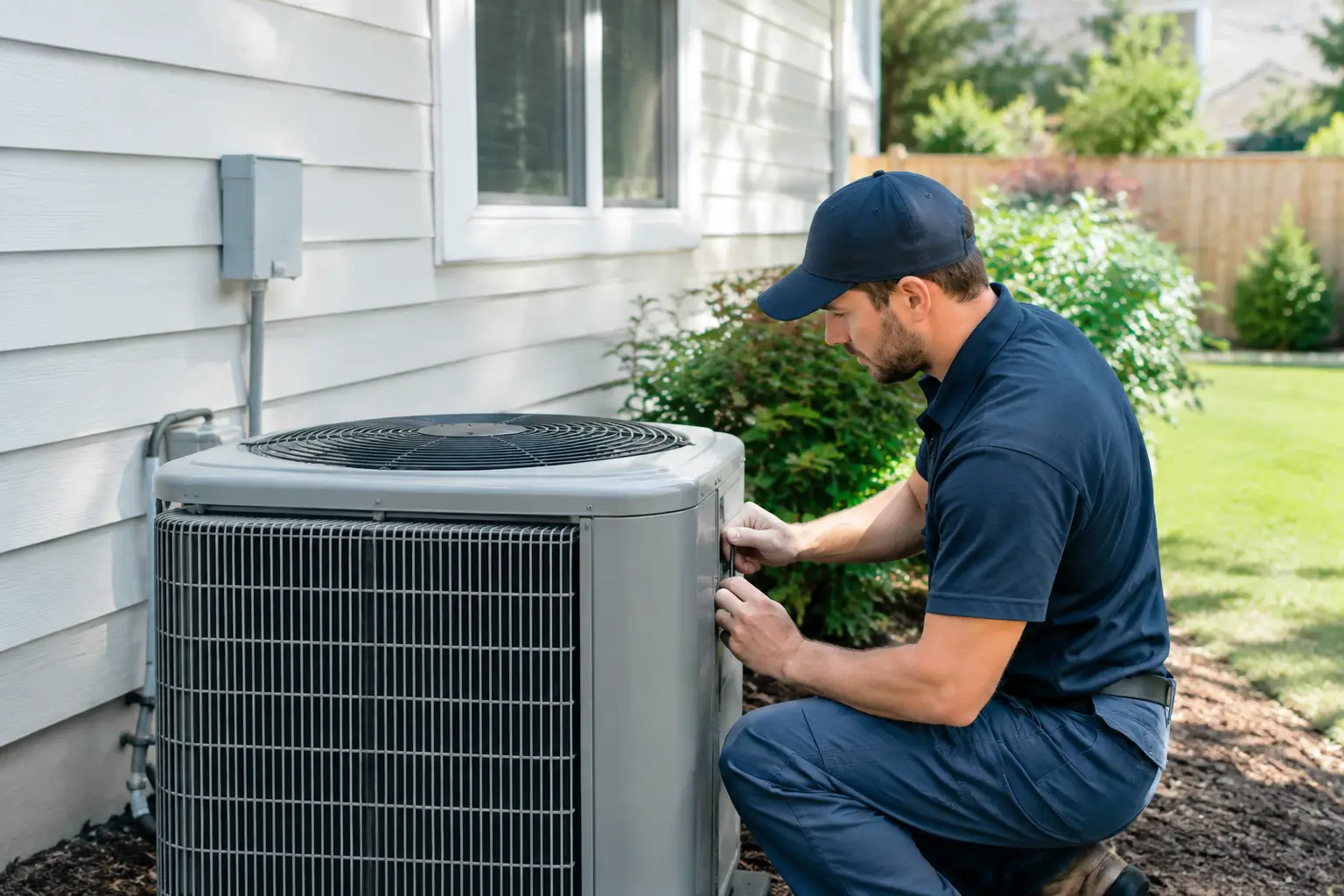
For a furnace, make sure the service switch near the unit has not been turned off and that the air filter is not severely clogged. A blocked filter can restrict airflow, cause overheating, and shut down some systems. For an air conditioner, check whether the outdoor unit has power and whether the disconnect switch is in the correct position. Do not remove panels or reach into the equipment.
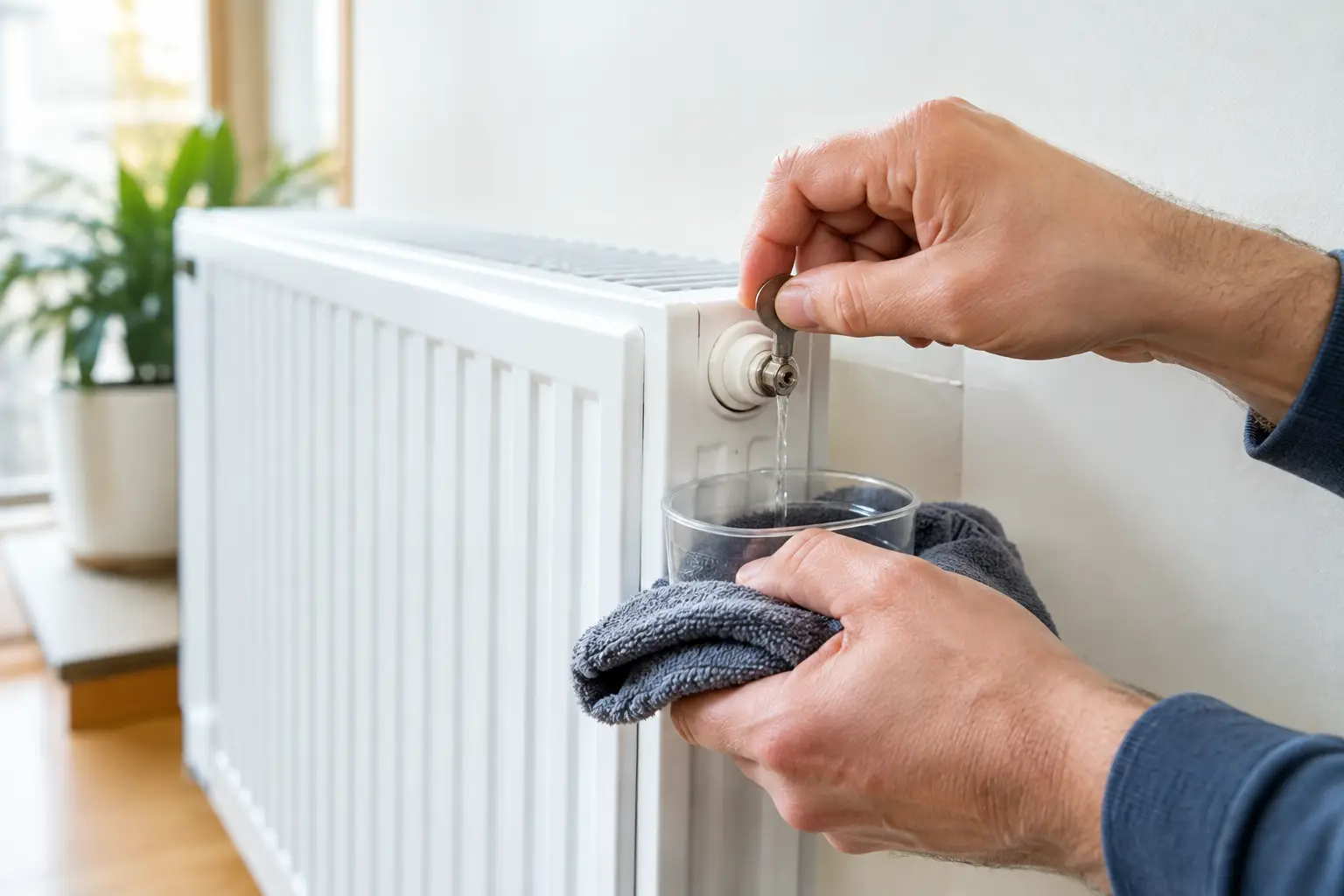
If you have a boiler, look for visible water leaks and check the pressure gauge only if you are familiar with your system. Do not add water, adjust gas components, or attempt to relight equipment unless the manufacturer instructions clearly apply and there is no gas odor or safety concern.
These checks are not meant to turn a homeowner into a technician. They simply eliminate common interruptions and give you better information to share when you call.
What a Proper Emergency HVAC Visit Should Include
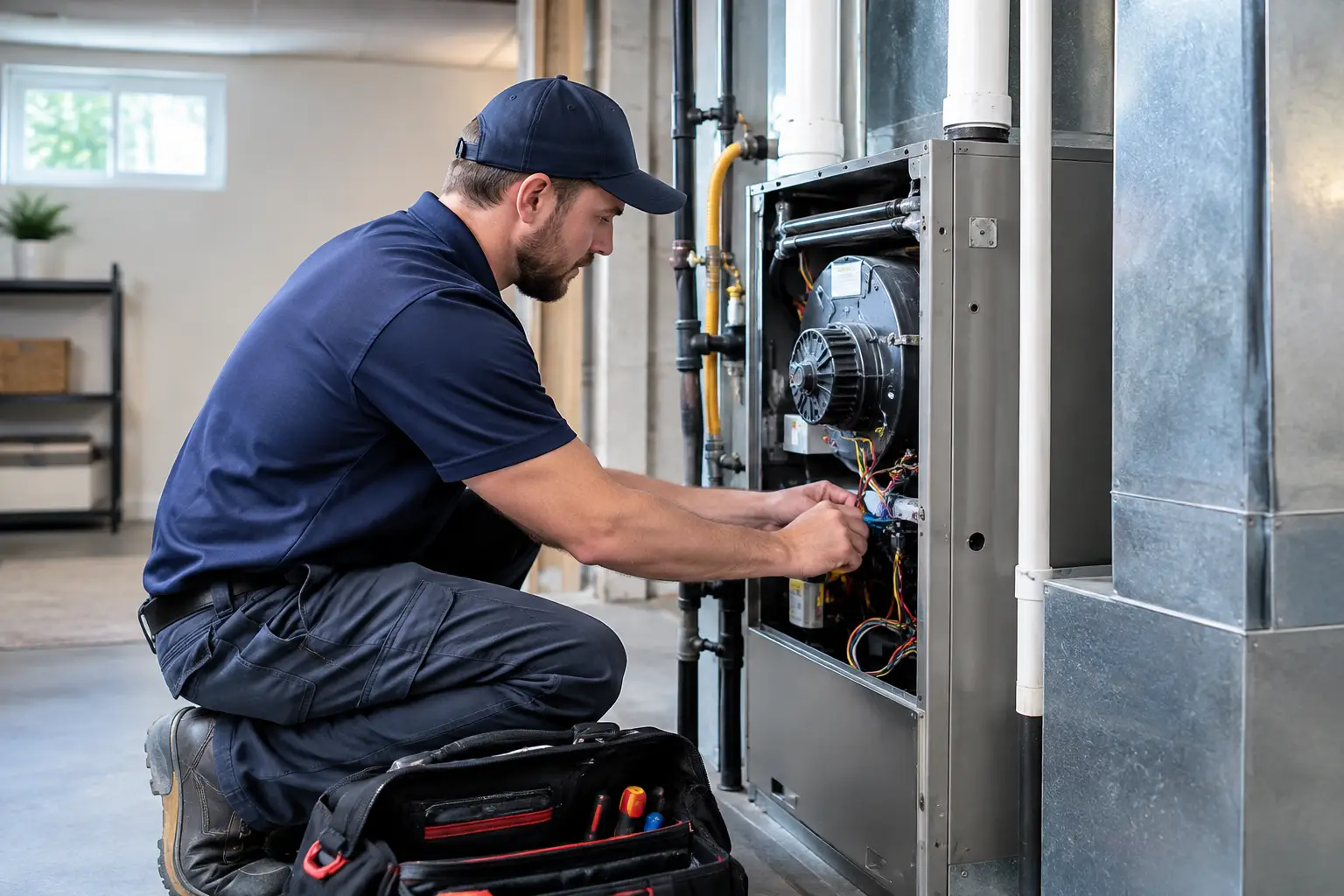
Fast service matters, but speed should not replace careful work. A qualified technician should begin by listening to what happened, inspecting the equipment safely, and identifying the root cause before recommending a repair. A failed capacitor, igniter, blower motor, control board, condensate switch, circulator pump, or refrigerant-related issue can create similar symptoms, but they require very different solutions.
A professional diagnosis also considers the condition of the full system. For example, replacing a failed furnace part may restore heat, but the technician should also check airflow, venting, combustion safety, electrical connections, and filter condition. With boilers, the inspection may include the circulator, expansion tank, pressure relief components, piping, and controls. That broader review helps avoid repeated service calls and protects the equipment from further damage.
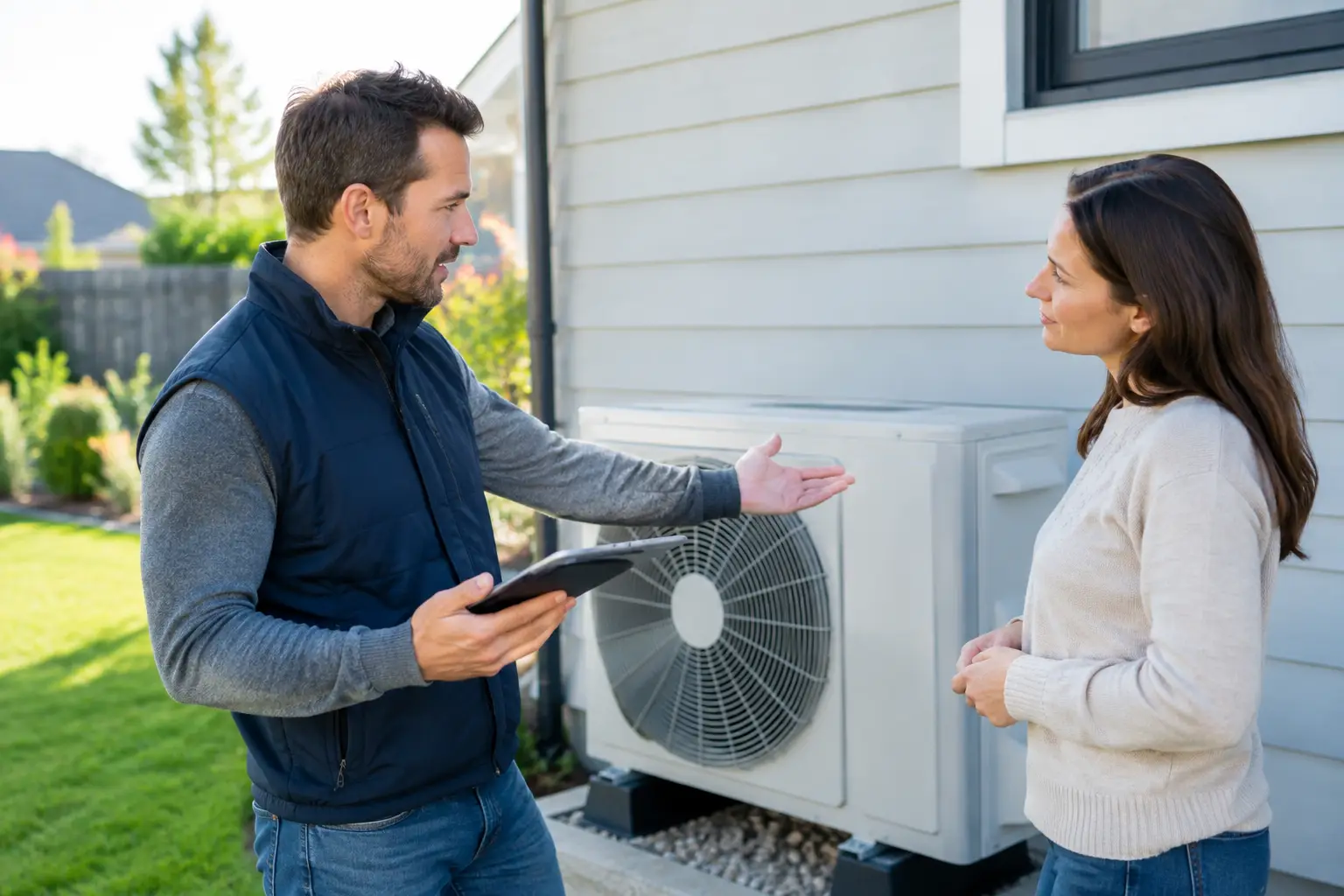
Before work begins, you should receive a clear explanation of the problem, available repair options, and upfront pricing. Emergency service is stressful enough without vague language or surprise charges. A trustworthy company will explain what is necessary now, what can be monitored, and whether repair remains the sensible long-term choice.
Repair or Replacement: How to Make the Call
An emergency breakdown does not automatically mean you need a new HVAC system. Many failures are repairable, even on equipment that has been in service for years. The right decision depends on the age of the unit, the cost and availability of parts, repair history, safety, efficiency, and the condition of major components.
A newer furnace with a failed igniter or a heat pump with a worn electrical component is often a straightforward repair. On the other hand, a system with repeated breakdowns, a cracked heat exchanger, major refrigerant issues, or obsolete parts may justify a replacement conversation. The key is to compare the immediate repair cost with the realistic likelihood of future expenses, not to replace equipment simply because a repair is inconvenient.
For landlords and small-business owners, downtime can affect more than comfort. It can impact tenant satisfaction, customer traffic, inventory, and operations. In those cases, a technician should help you understand both the fastest safe repair and the longer-term reliability plan for the property.
How to Protect Your Home While You Wait
If your heat is out in winter, keep exterior doors and windows closed, gather household members in a smaller central area, and use only approved electric space heaters according to their instructions. Keep heaters away from bedding, curtains, furniture, and high-traffic areas. Never use an oven, grill, or fuel-burning appliance to heat the home.
If cooling has failed during hot weather, close blinds or curtains on sunny windows, limit oven use, drink water, and move vulnerable household members to a cooler location if indoor temperatures become unsafe. For a refrigerant leak, electrical smell, smoke, or active water leak, turn off the system if it is safe to do so and wait for a technician.
Documenting the symptoms can also help. Note when the issue began, any error codes displayed, unusual noises, whether the unit cycles on and off, and whether there has been recent work or a power outage. Those details can shorten the diagnostic process.
Why Maintenance Reduces Emergency Calls
Some HVAC failures are unpredictable, but many emergency calls begin with a small issue that developed over time. Dirty filters, neglected drain lines, weak electrical components, ignition problems, low airflow, and aging belts or motors can often be identified during routine maintenance.
Seasonal service does more than prepare equipment for a busy season. It gives a technician a chance to test safety controls, inspect connections, clean critical components, measure performance, and flag parts that are wearing out. For property owners managing multiple units, planned maintenance can also make budgeting more predictable and reduce after-hours disruption.
Shad Heating & Cooling approaches emergency repairs with the same focus used for planned service: careful diagnosis, honest upfront pricing, clean workmanship, and repairs intended to last. That matters when the immediate goal is heat or cooling, but the larger goal is confidence that the system will keep working when you need it.
Questions to Ask During an Emergency HVAC Call
Before approving a repair, ask what caused the failure and whether the proposed work addresses the underlying issue. Ask whether the part is covered by a manufacturer warranty, how soon the repair can be completed, and whether there are any safety concerns to address before the technician leaves.
It is also reasonable to ask about the system’s overall condition. If a repair is likely to get you through the season but replacement planning makes sense soon, clear information helps you make that decision on your schedule rather than during the next breakdown.
When comfort fails after hours, focus on safety first, take the simple checks that are safe to perform, and call for qualified help before a minor equipment issue becomes a larger problem for your home or property.