
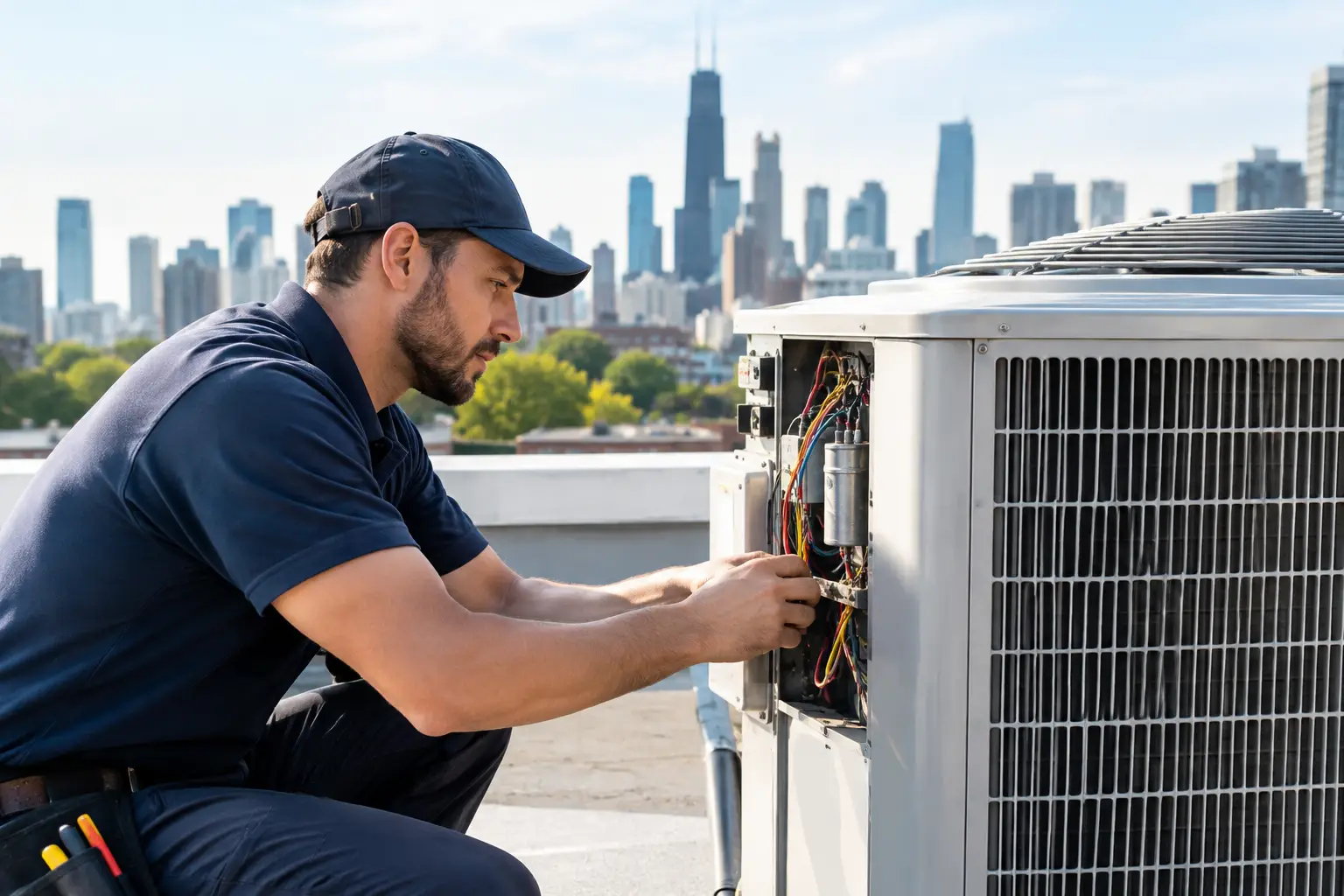
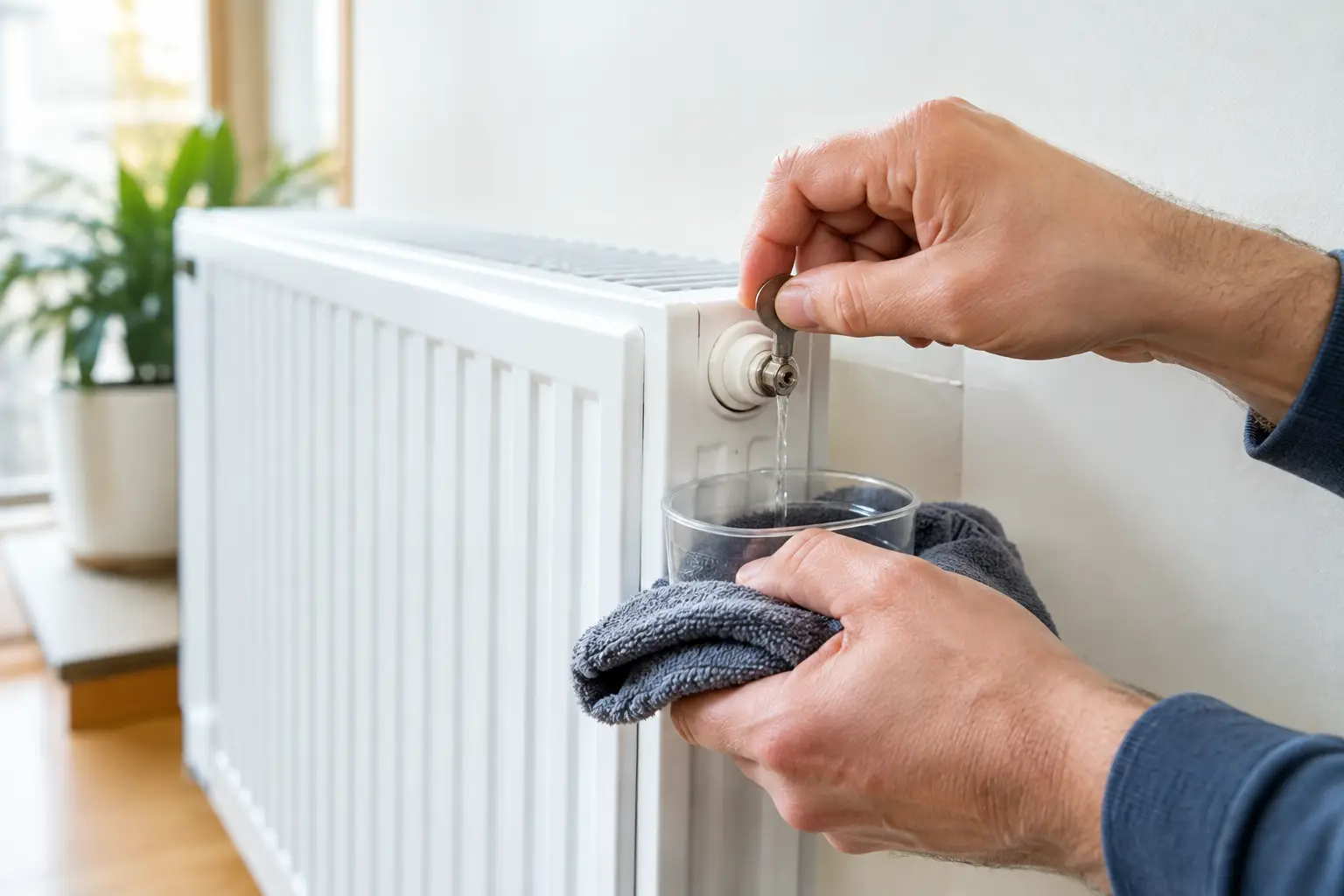
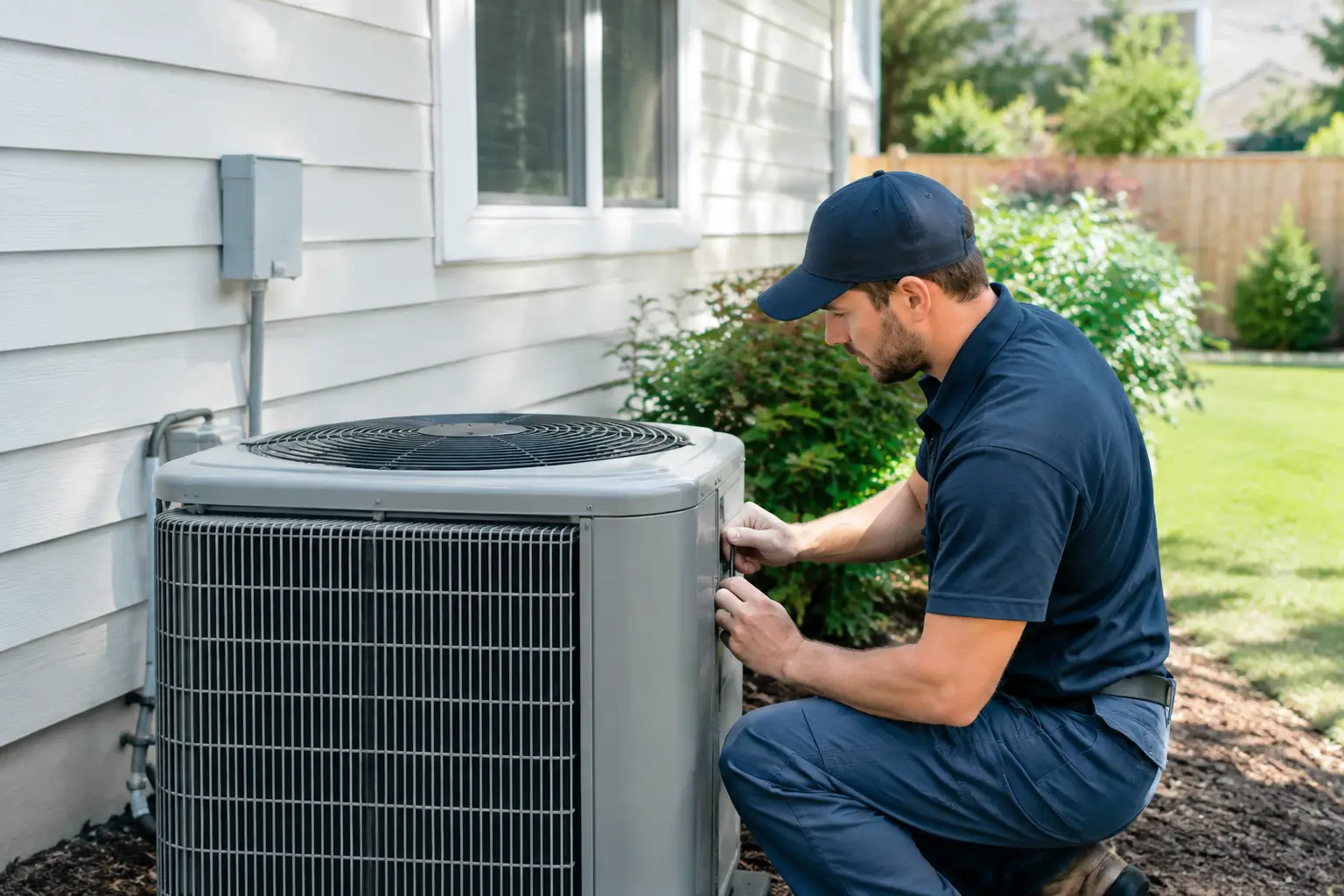
A heating replacement decision can feel much more urgent when a Chicago winter is approaching and your current system is showing its age. The choice between a heat pump versus gas furnace is not simply about choosing newer technology or sticking with what you know. It is about dependable heat on the coldest days, summer comfort, operating costs, your building’s layout, and the condition of the equipment already serving the property.
For some homes, a modern cold-climate heat pump is an excellent all-electric comfort solution. For others, a high-efficiency gas furnace remains the practical choice for strong, reliable heating through severe weather. The right answer starts with an honest assessment of your home, not a one-size-fits-all recommendation.
Heat Pump Versus Gas Furnace: The Core Difference
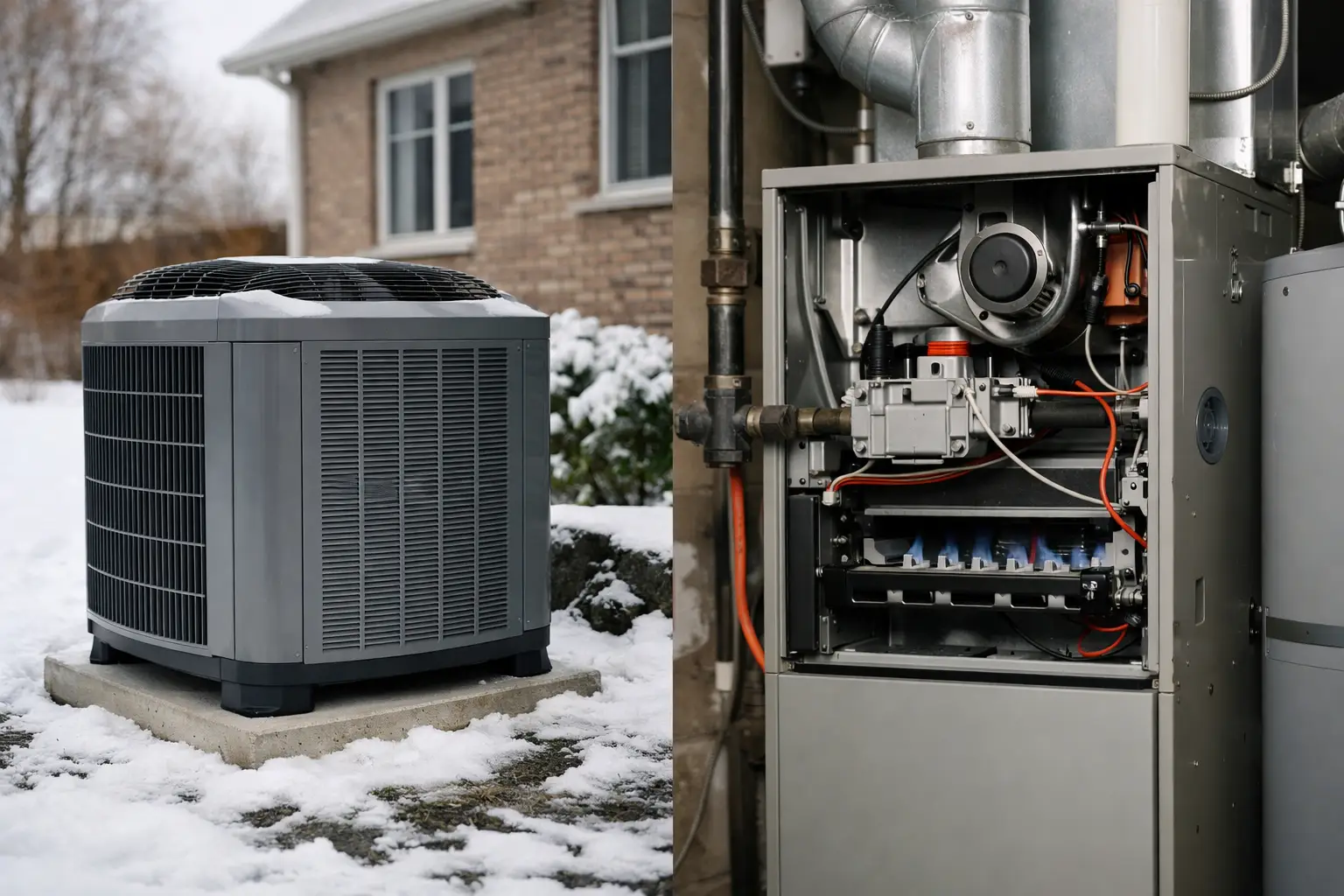
A gas furnace creates heat by burning natural gas. A heat exchanger transfers that heat to air, and a blower moves the warmed air through your ducts. Because combustion is involved, professional installation, venting, safety controls, and regular maintenance are essential.
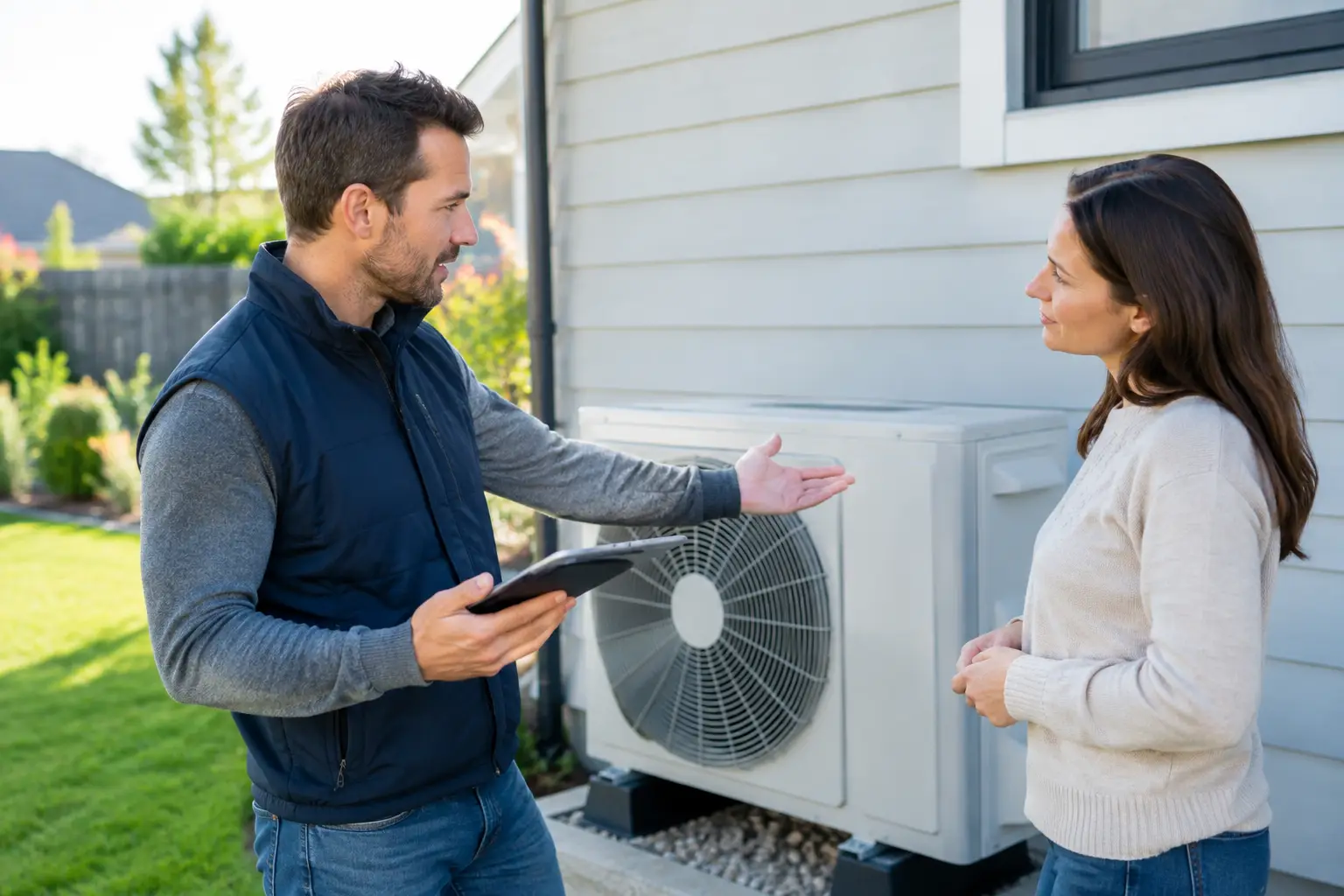
A heat pump works differently. Rather than creating heat, it moves heat from one place to another. In winter, it pulls available heat from outdoor air and transfers it indoors. In summer, it reverses direction to provide central air conditioning by moving indoor heat outside.
That reversal is one of the biggest advantages of a heat pump. It can replace both a furnace and a conventional central air conditioner in many homes. A gas furnace, by contrast, needs a separate cooling system if you want air conditioning.
How Each System Handles a Chicago Winter
Chicago’s weather is where this comparison becomes more nuanced. Heat pumps have improved substantially, and cold-climate models can provide useful, efficient heat well below freezing. They are not the same as older units that struggled as temperatures fell.
Still, a heat pump’s capacity and efficiency decline as outdoor temperatures become extremely cold. During a prolonged cold snap, it may need supplemental heat to maintain indoor comfort. That backup may come from electric resistance heat, an existing furnace, or another approved heat source depending on the system design.
A gas furnace is built for this kind of demand. It can produce high-temperature air and maintain output even when outdoor temperatures are well below zero. For homeowners who prioritize strong heating capacity during the coldest stretches of the year, a properly sized gas furnace offers familiar, dependable performance.
This does not mean every Chicago home needs to rule out a heat pump. It means the system must be selected and designed around real winter conditions. Equipment capacity, ductwork, insulation, air leakage, thermostat controls, and backup heat all affect the result.
Comfort Feels Different With Each Option
Many homeowners notice a difference in the air coming from the registers. A gas furnace generally delivers hotter supply air in shorter heating cycles. That can feel especially reassuring when you come in from the cold or when a building has rooms that lose heat quickly.
A heat pump usually supplies air at a lower temperature than a furnace, but it runs longer, steadier cycles. The room can remain comfortable even though the air does not feel as hot at the vent. Longer run times can also reduce temperature swings between cycles.
Neither experience is automatically better. A well-designed heat pump can provide very even comfort, while a correctly sized furnace can heat quickly and reliably. Problems arise when either system is oversized, undersized, poorly installed, or connected to ducts that cannot distribute air effectively.
Efficiency and Operating Costs Depend on More Than Equipment
A heat pump can be highly efficient because it transfers heat instead of generating it through combustion. Its cooling function may also reduce the need for separate equipment, which can simplify future replacement planning.
A high-efficiency gas furnace can also provide excellent performance, particularly in a cold climate with access to natural gas. Furnace efficiency is commonly expressed as AFUE, while heat-pump heating efficiency is measured differently. Those ratings matter, but they do not tell the whole story.
Your actual operating cost depends on utility rates, outdoor weather, thermostat settings, insulation levels, duct leakage, equipment sizing, maintenance, and how much supplemental heat a heat pump requires during extreme cold. It is wise to ask for a whole-home evaluation instead of relying on a single efficiency number.
For a rental property or small commercial space, operating patterns matter too. A building occupied during predictable daytime hours may have different heating needs than a home with people coming and going throughout the day. The best option should match how the space is actually used.
When a Heat Pump May Be the Better Fit
A heat pump may make strong sense when you need both heating and cooling equipment, want to reduce reliance on fossil fuel combustion, or are planning broader efficiency improvements. It can be particularly appealing in a well-insulated home with properly designed ductwork and a suitable electrical service.
It can also work well as part of a dual-fuel setup. In this arrangement, the heat pump handles much of the heating season, while a gas furnace takes over during very cold weather. Proper controls are critical so the system switches sources at the right time and delivers efficient, reliable comfort.
A ductless heat pump may be worth considering for additions, converted attics, finished basements, and spaces without practical duct access. It is not a replacement strategy for every property, but it can solve difficult comfort problems without extensive duct construction.
When a Gas Furnace May Be the Better Fit
A gas furnace may be the better option if your home already has a sound gas infrastructure and duct system, your current air conditioner still has useful service life, or you need powerful heating capacity for a draftier or larger space. It is also a straightforward choice for homeowners who want proven cold-weather performance with separate heating and cooling equipment.
A furnace replacement should not be treated as a simple swap. The new unit needs to be sized for the building’s current heating load, not just matched to the old nameplate. Improvements such as new windows, added insulation, air sealing, or a renovated basement may have changed what the home needs.
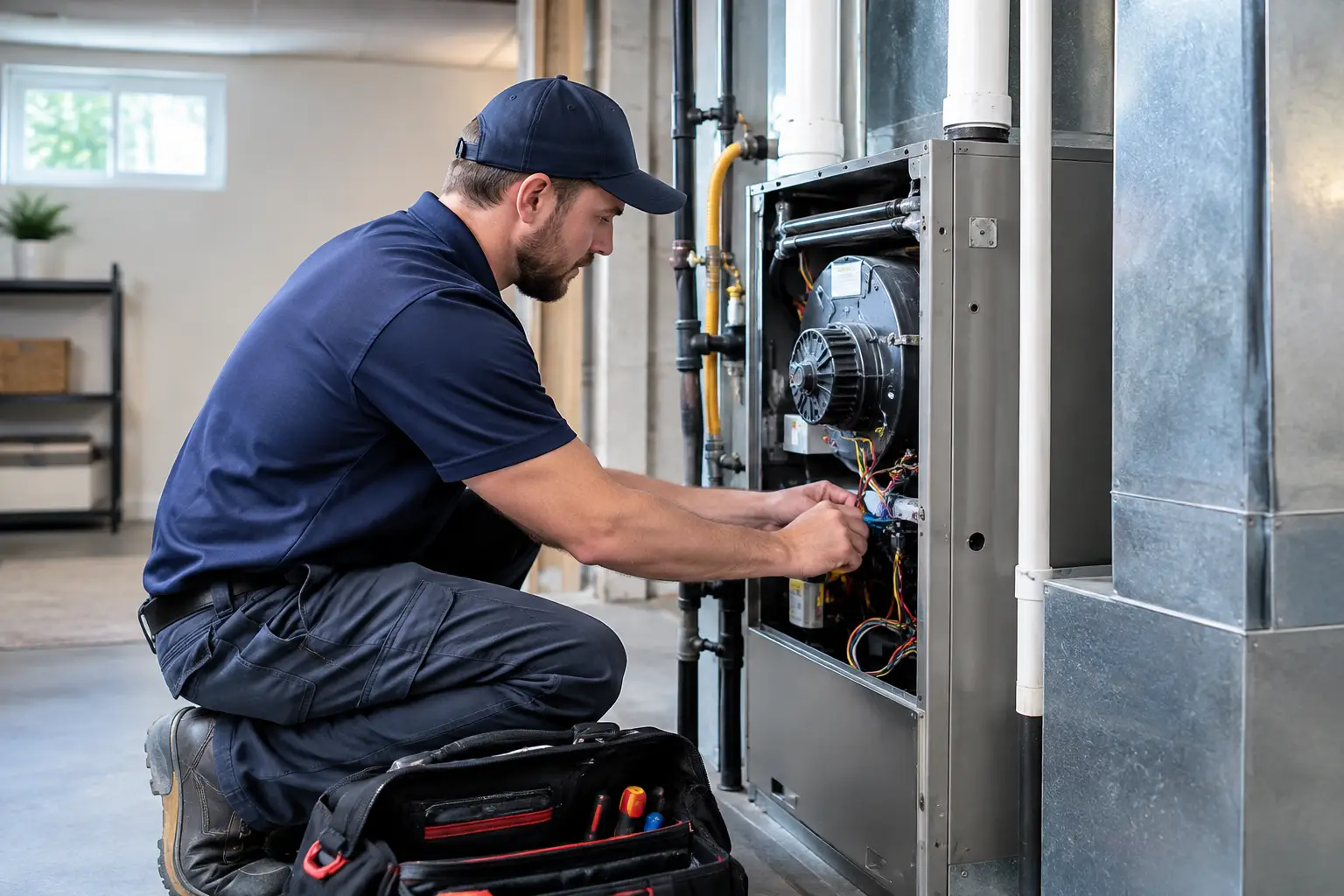
Professional installation also protects safety and reliability. Proper combustion setup, venting, drainage, gas connections, airflow, and carbon monoxide safety measures are all part of a complete furnace installation.
Do Not Overlook Ductwork, Electrical Capacity, and Maintenance
The equipment is only one part of the system. Leaky, undersized, or poorly balanced ducts can make either a heat pump or gas furnace disappoint. Rooms at the end of long duct runs, second-floor bedrooms, and areas over garages often need special attention during a replacement evaluation.
A heat pump installation may require electrical upgrades, especially if electric backup heat is included. A gas furnace installation requires safe fuel connections and correctly designed venting. These are not details to address after the equipment is selected. They should be reviewed before a recommendation is made.
Both systems need routine maintenance. Heat pumps benefit from seasonal service because they operate in both heating and cooling modes. Furnaces need annual inspection and cleaning to support safe combustion, dependable ignition, and proper airflow. Preventive maintenance is often the difference between a system that lasts well and one that fails when it is needed most.
Make the Decision With a Home-Specific Evaluation
The best choice is based on your property, not a headline about which technology wins. A qualified HVAC professional should evaluate heating and cooling load, insulation, ducts, electrical capacity, existing equipment, ventilation needs, and your priorities for comfort, efficiency, and future upgrades.
Shad Heating & Cooling approaches replacement decisions with clear explanations, clean workmanship, and honest upfront pricing. Whether a heat pump, gas furnace, or dual-fuel system fits your property, the goal should be lasting comfort and safe, dependable operation.
A heating system should give you confidence when the forecast turns severe. Choose the option that fits your building’s needs today while leaving you with a practical plan for the years ahead.
Written by the Shad Heating & Cooling team
Frequently Asked Questions
Can a heat pump heat a Chicago home in winter?
Yes. Modern cold-climate heat pumps can heat Chicago homes effectively when they are properly sized and installed. Some homes benefit from supplemental or dual-fuel heat during extreme cold.
Is a gas furnace cheaper to operate than a heat pump?
It depends on utility rates, weather, equipment efficiency, insulation, and system design. A home-specific evaluation is the most reliable way to compare expected operating costs.
Do I need to replace my air conditioner if I install a furnace?
Not always. If your existing air conditioner is in good condition and compatible with the new furnace, it may remain in service. A technician should confirm compatibility and airflow requirements.
Which option lasts longer, a heat pump or gas furnace?
Service life varies with installation quality, maintenance, usage, and operating conditions. Regular professional maintenance helps either system deliver more reliable long-term performance.