



A ductless mini split Chicago homeowners install for one difficult room can become one of the most useful comfort upgrades in the house. It can cool a finished attic that turns unbearable in July, heat a home office over a garage, or add dependable temperature control to a vintage building without tearing open walls for ductwork. The right system can be efficient and quiet. The wrong system can leave you with uneven comfort, a visible indoor unit in the wrong place, or equipment that is not designed for Chicago winter conditions.
Ductless systems are not a one-size-fits-all answer. A careful assessment of the space, the building, and your existing heating equipment matters before installation begins.
When a Ductless Mini Split Makes Sense in Chicago
A ductless mini split has an outdoor unit connected to one or more indoor air handlers by small refrigerant lines and electrical wiring. Each indoor unit serves a defined area, or zone, and is controlled separately. Unlike central air, it does not rely on a full network of supply and return ducts.
That makes ductless equipment especially useful where adding ducts would be expensive, disruptive, or impractical. Chicago homes often have exactly these conditions: brick construction, finished basements, additions, converted attics, enclosed porches, and older homes built around boilers or radiators rather than central forced air.
For a single room or addition, a one-zone system may be the cleanest solution. For a home with several areas that need independent control, a multi-zone system can connect multiple indoor units to one outdoor unit. Landlords may also find ductless systems useful for individual apartments or spaces where tenants need cooling without major renovation work.
A mini split can also solve comfort problems that central HVAC does not handle well. A bedroom over a garage may run too cold in winter and too warm in summer. A south-facing room with large windows may overheat every afternoon. Zoning that space separately can prevent the rest of the building from being conditioned just to make one room usable.
Cooling Is Simple. Winter Heating Requires Planning.
Many ductless mini splits are heat pumps, which means they provide both air conditioning and heat. In Chicago, that dual purpose deserves a closer look.
Cold-climate heat pumps can operate effectively in low outdoor temperatures, but performance and capacity vary by model. A system selected only for summer cooling may not be the best primary heat source during a prolonged stretch of below-freezing weather. Depending on the home and the equipment, a mini split may serve as supplemental heat, a primary heat source for a smaller area, or part of a broader heating plan with a furnace or boiler available for backup.
This is particularly relevant in homes with radiator or boiler heat. A ductless system can add efficient cooling and provide useful heat during spring and fall, when firing up the entire boiler system may feel unnecessary. But replacing a reliable whole-home boiler with ductless heat is a different decision. It requires an honest review of insulation, electrical capacity, room layout, equipment performance ratings, and the building’s heating load.
The goal is not to sell more equipment than you need. It is to make sure the system can deliver reliable comfort when Chicago weather is at its most demanding.
What Determines the Right System Size
Square footage is a starting point, not a sizing method. Two rooms of the same size can need very different equipment. A top-floor bedroom under an uninsulated roof, for example, has a different load than a shaded first-floor room in a well-maintained brick building.
A professional evaluation should consider insulation levels, ceiling height, windows, sun exposure, occupancy, exterior walls, air leakage, and how the room is actually used. In multi-zone systems, each room needs individual attention. Oversizing is not a shortcut to better comfort. An oversized unit may cycle too often, remove less humidity, and create temperature swings. An undersized unit may run continuously and still struggle during extreme conditions.
Indoor unit placement matters as much as capacity. Wall-mounted units are common, but ceiling cassettes, concealed ducted units, and floor-mounted options may be better suited to the room. Air needs a clear path to circulate. A unit tucked behind a door, aimed directly at a bed, or placed where furniture blocks airflow can undermine an otherwise sound installation.
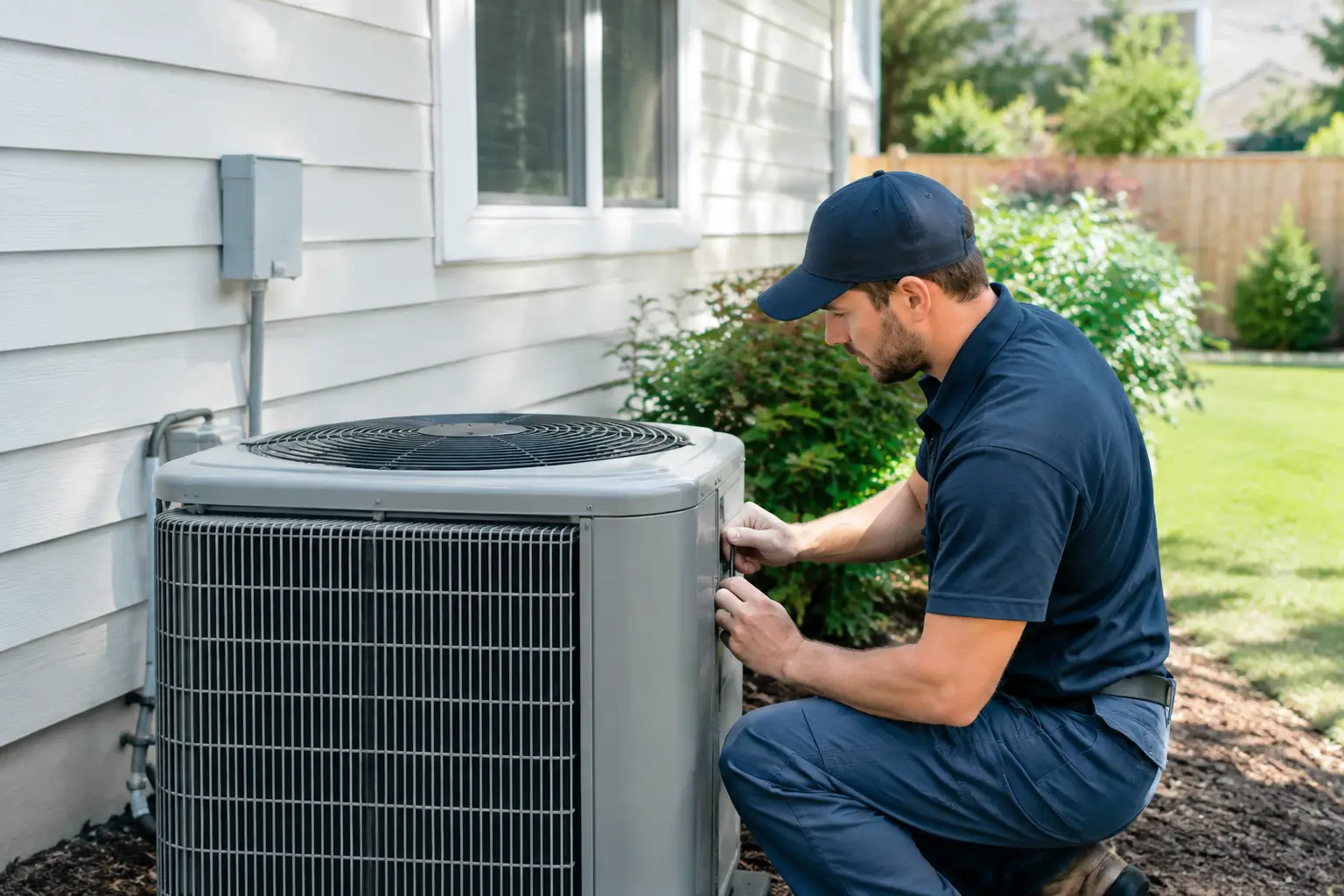
Outdoor-unit location also needs thought. The equipment must have proper clearance for airflow and service, stable mounting, correct drainage, and protection from avoidable snow or ice buildup. In dense city neighborhoods, installers may need to account for property access, noise considerations, condo rules, or limited space along an alley or side yard.
The Benefits and Trade-Offs of Going Ductless
The main advantage of ductless comfort is control. Instead of conditioning an entire house to address one uncomfortable space, you can set the temperature where it is needed. Modern systems can operate quietly, offer efficient cooling, and avoid the dust and energy loss associated with leaky or poorly designed ductwork.
They also preserve more of the home during installation. Refrigerant lines run through a small exterior opening rather than requiring large chases through walls and ceilings. That can make a major difference in historic properties, finished spaces, and buildings where duct installation would mean extensive construction.
There are trade-offs. Indoor heads remain visible unless you choose a concealed option, and multi-zone installations can become more complex than a single-room project. Filters need regular cleaning, condensate drainage must be installed correctly, and every zone should be selected for a real comfort need rather than added simply because the equipment allows it.
Cost depends on the number of zones, electrical work, equipment type, line-set routing, mounting requirements, access, and whether the system will be used for heating as well as cooling. A clear written estimate should explain the scope of work, not just provide a broad equipment price. If a quote does not address sizing, drainage, electrical requirements, and where the equipment will be located, ask for those details before moving forward.
Installation Details That Protect Your Home
A clean installation is about more than appearance. Refrigerant piping must be properly sized, pressure-tested, evacuated, and insulated. Electrical connections need to meet applicable code requirements. The condensate line must drain safely so it does not create water damage, especially when an indoor unit is located above finished walls, flooring, or belongings.
After installation, the system should be commissioned rather than simply turned on. That includes verifying airflow, operating temperatures, controls, drainage, and each zone’s performance. You should also receive a straightforward explanation of filter cleaning, remote or thermostat operation, seasonal use, and the maintenance schedule.
For property owners, consistency matters. The same standards should apply whether the job is a single mini split in a Lakeview condo, a basement workspace in Logan Square, or several zones in a small commercial office. Licensed, insured work and technicians who understand both cooling and cold-weather heat-pump operation help reduce costly surprises later.
Maintenance Keeps Ductless Comfort Reliable
Ductless equipment is low-maintenance, not no-maintenance. Homeowners can usually wash or vacuum the reusable filters as recommended by the manufacturer, keep furniture and curtains away from the indoor unit, and make sure the outdoor unit remains clear of leaves, debris, and snow.
Professional maintenance is still worthwhile. A technician can clean coils and blower components, inspect electrical connections, check refrigerant performance, confirm proper drainage, and identify early signs of wear. Neglected indoor units can develop odors, reduced airflow, and water leaks. Addressing those concerns early protects efficiency and helps keep indoor air cleaner.
If your system stops cooling, makes unusual noise, leaks water, or cannot maintain the set temperature, do not assume it just needs more refrigerant. Refrigerant is not consumed during normal operation. A qualified diagnosis should identify the underlying issue before any repair is recommended.
Choosing a Partner for a Ductless Project
The best ductless project starts with questions, not pressure. A contractor should ask which rooms are uncomfortable, how you heat now, whether the home has insulation or electrical limitations, and what you expect the system to do during winter. They should explain the options in plain language, including when a ductless system is a strong fit and when another solution may serve you better.
Shad Heating & Cooling approaches ductless installation with that same focus on lasting performance: careful sizing, clean workmanship, honest upfront pricing, and equipment selected for the way your space is actually used. A properly planned mini split should make a hard-to-condition room feel ordinary again – comfortable, quiet, and ready for whatever Chicago weather brings.