A heat pump replacement can be a major comfort decision, especially when a Chicago furnace or boiler is aging and summer cooling is also due for an upgrade. Heat pump incentives may reduce the upfront cost, but the programs, requirements, and timing can be confusing. The right approach is to treat incentives as part of the replacement plan – not as a reason to rush into equipment that is not properly sized for your property.
What Heat Pump Incentives Can Cover
Heat pump incentives are financial programs intended to encourage homeowners and property owners to install more energy-efficient heating and cooling equipment. Depending on the program, the benefit may come as a utility rebate, a state or local rebate, or a federal tax credit. Some offers may also apply to qualifying electrical improvements needed for the installation.
The details matter. A tax credit generally reduces the income tax you owe when you file a return, while a rebate may reduce the project cost or arrive after the installation is complete. Neither is the same as a discount automatically applied to every heat pump system.
Available programs can change based on funding, utility territory, equipment specifications, household eligibility, and installation dates. Federal, state, and utility offerings have all changed in recent years. Before making a decision based on a promised incentive amount, confirm that the program is active, that funds remain available if applicable, and that your specific project qualifies.
Why Chicago Homes Need a Careful Heat Pump Plan
A properly selected heat pump can provide both heating and air conditioning, making it an appealing option for homes with older central systems, aging air conditioners, or rooms that never seem to stay comfortable. But Chicago winters require more than a simple equipment swap.
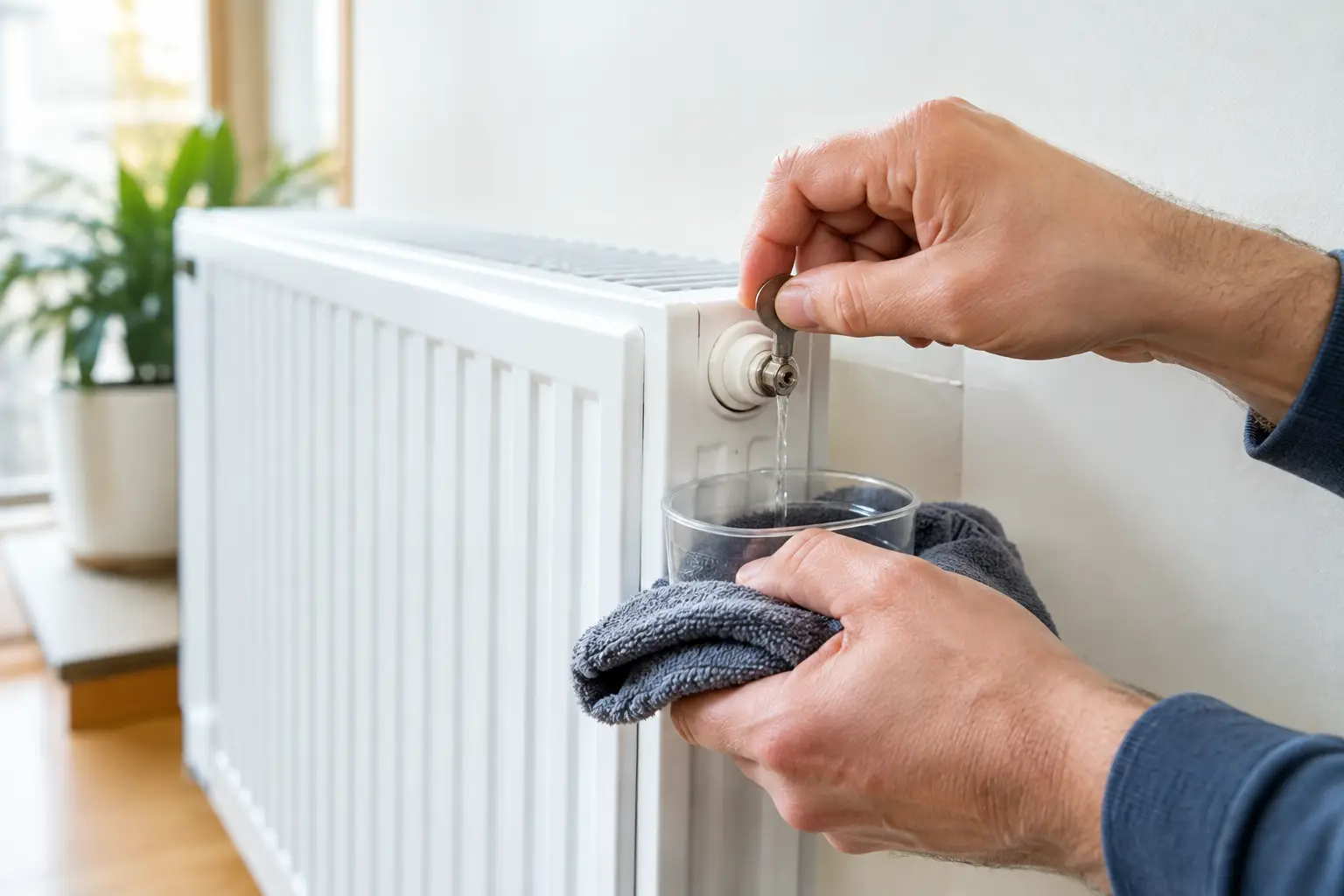
Cold-weather performance depends on the heat pump model, the home’s insulation and air leakage, duct condition, electrical capacity, and how the system will operate during the coldest periods. Some homes are good candidates for an all-electric heat pump setup. Others benefit from a dual-fuel arrangement that uses a heat pump during milder weather and another heat source during very low temperatures. Homes with boilers may need a different approach entirely, such as a ductless or ducted heat pump for cooling and supplemental heating alongside the existing boiler.
Incentives should support a sound design, not override it. Choosing the lowest-cost qualifying unit without considering the building can lead to uneven temperatures, higher operating costs, or an uncomfortable system when winter demand is highest.
Heat Pump Incentive Requirements to Check First
Most programs have rules beyond simply purchasing a new heat pump. The exact requirements vary, but homeowners should expect to verify four areas before approving an installation:
- Eligible equipment: The system may need to meet specified efficiency ratings and cold-climate performance standards.
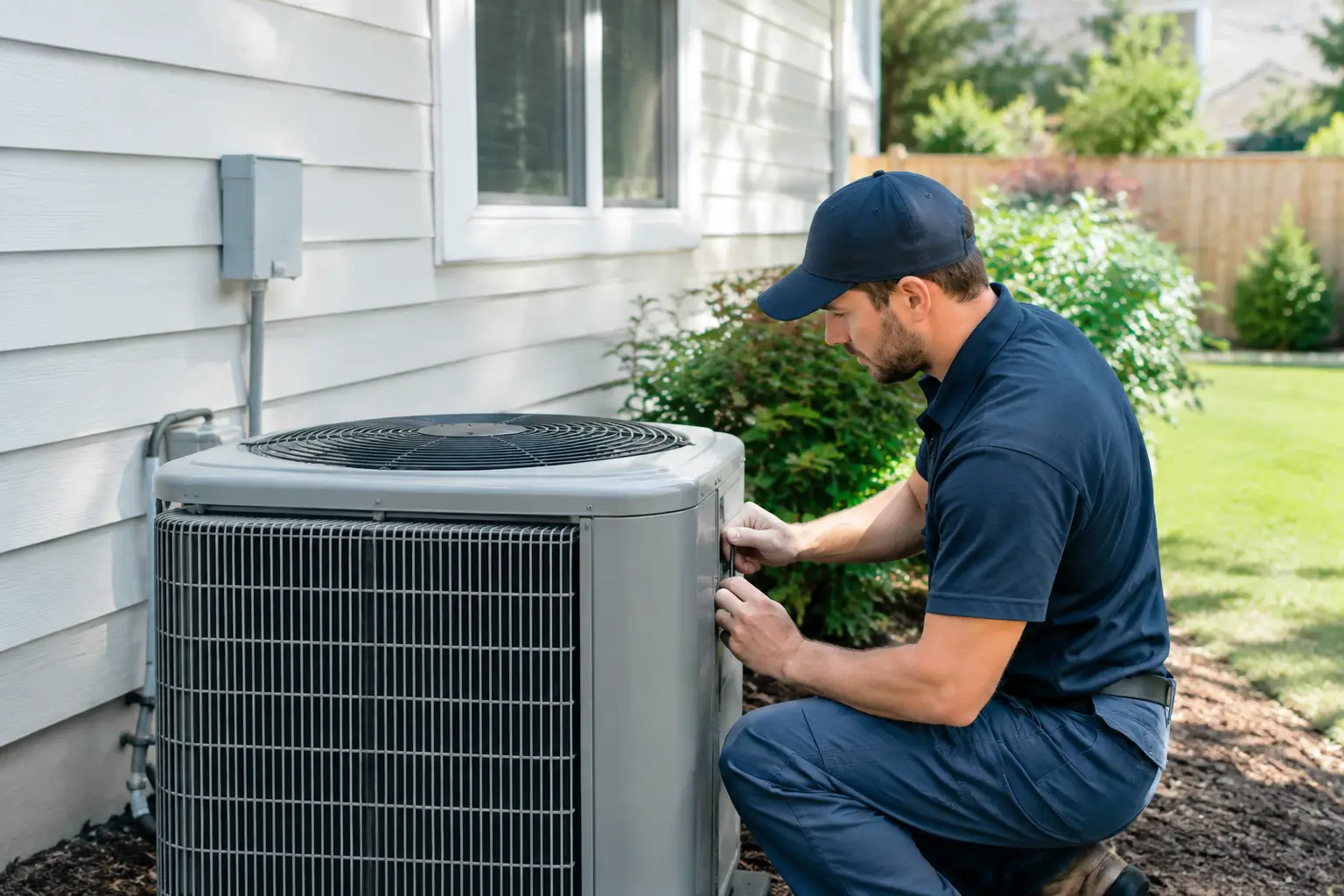
- Qualified installation: Certain incentives require licensed contractors, permits, or proof that the work meets program standards.
- Program timing: Some rebates must be reserved or approved before installation, while tax credits may have different documentation requirements.
- Required records: Keep the proposal, paid invoice, equipment model information, certification documents, permits, and any rebate confirmation.
For a landlord or small-business owner, eligibility can be more complicated. A program designed for a primary residence may not apply to a rental property, mixed-use building, or commercial space. Utility incentives can also vary by account type and service location. It is worth verifying the rules before selecting equipment or scheduling work.
Start With a Professional Load Calculation
The most valuable step is not filling out an application. It is having the property evaluated correctly.
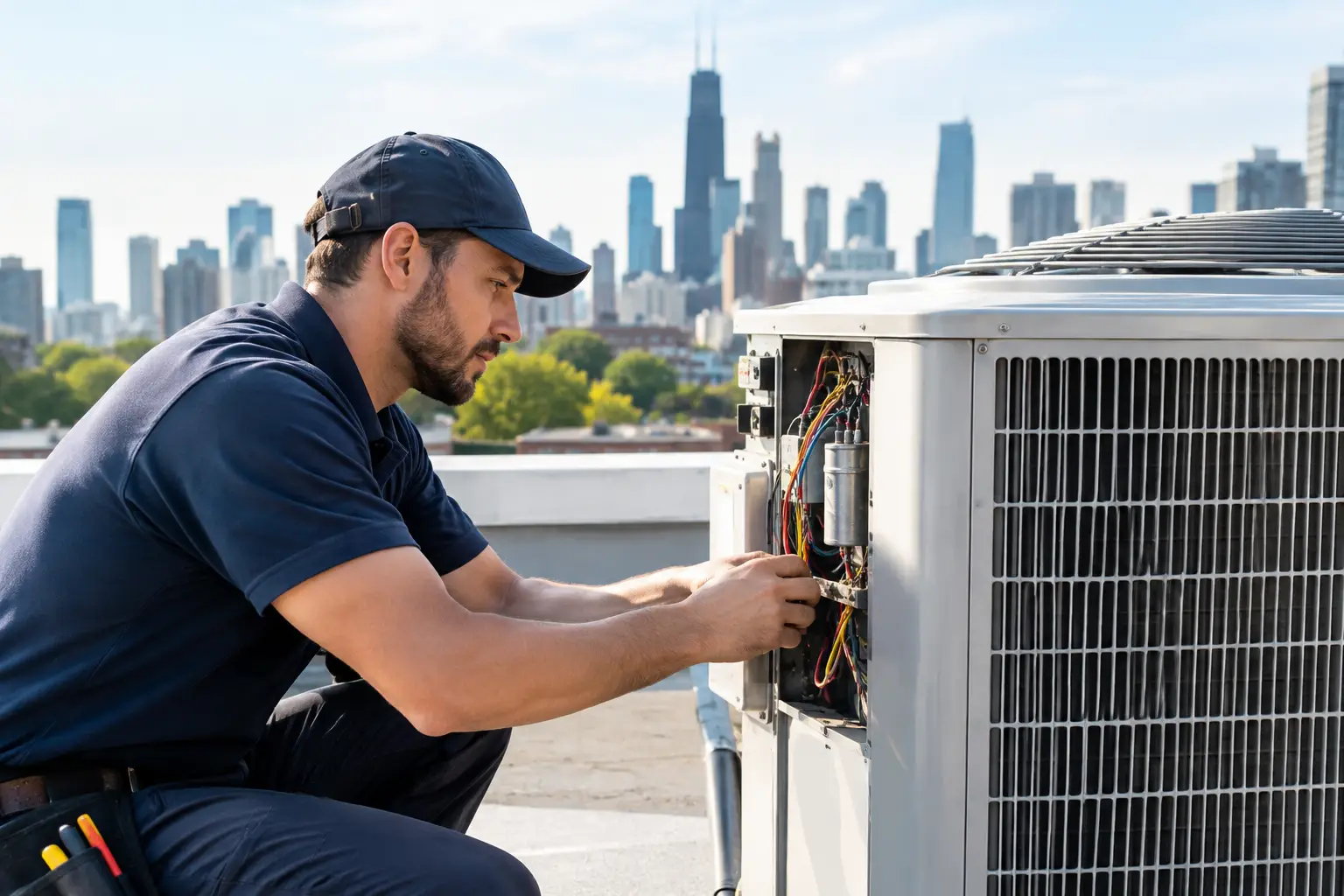
A professional load calculation estimates how much heating and cooling your home actually needs. It considers square footage, insulation, windows, orientation, occupancy, ductwork, and other factors that affect comfort. This is especially important in older Chicago homes, where two houses with similar floor plans can have very different heating loads.
Oversized equipment can cycle on and off too often, which may reduce humidity control, increase wear, and create temperature swings. Undersized equipment may struggle during severe weather. A qualified HVAC contractor should explain the recommended system capacity, whether existing ducts can support it, and what backup heat strategy makes sense for your property.
At Shad Heating & Cooling, recommendations are built around lasting comfort, safe installation, and clear upfront explanations – not a one-size-fits-all equipment sale.
Ask How the Incentive Affects the Full Project
A heat pump may qualify for an incentive while other parts of the project do not. For example, electrical panel work, duct modifications, thermostat upgrades, insulation improvements, condensate management, or removal of older equipment may have separate rules. Those items can still be necessary for a safe, reliable installation.
Ask for a written proposal that separates the major project components and identifies the exact equipment being installed. You should be able to see what is included in the scope of work, which items may qualify for an incentive, and what documentation you will receive after installation.
Transparent pricing matters here. A large advertised rebate does not automatically tell you the final project cost, the expected operating cost, or whether the system is right for your home. A trustworthy contractor will explain those differences without pressure.
Do Not Assume Every Heat Pump Is a Full Furnace Replacement
Heat pumps have advanced substantially, including models designed for colder climates. Still, the best setup depends on the building and the owner’s priorities.
For some homeowners, a heat pump paired with an existing furnace provides efficient heating through much of the season and dependable backup heat during extreme cold. For others, replacing both heating and cooling with a properly designed heat pump system makes practical sense. A ductless heat pump can be a strong option for an addition, top-floor bedroom, enclosed porch, or space without usable ductwork.
The right answer may also depend on your utility costs, existing fuel source, electrical service, comfort expectations, and long-term plans for the property. An incentive can make one path more attractive, but it should not be the only factor deciding the system design.
Avoid Common Incentive Mistakes
The most preventable issue is installing equipment before checking program rules. If pre-approval, a participating contractor, or a certain efficiency level is required, an otherwise good installation may not qualify after the fact.
Another mistake is relying on an informal estimate of savings. Energy use varies with weather, thermostat settings, maintenance, insulation, and the condition of the existing system. It is reasonable to discuss efficiency and likely operating benefits, but no contractor should present a specific savings outcome as guaranteed.
Finally, do not overlook maintenance. Filters, coils, drains, electrical connections, refrigerant performance, and airflow all affect heat pump efficiency and reliability. Regular professional maintenance helps protect the equipment and supports the long-term value of the investment.
A Better Way to Plan Your Upgrade
If your current furnace, boiler, or air conditioner is still operating, begin the conversation before an emergency forces a rushed replacement. You will have more time to compare system options, verify current incentive rules, evaluate electrical needs, and organize the documents you may need for a rebate or tax filing.
If the system has already failed, focus first on safe, reliable comfort. Then ask for a clear explanation of heat pump options, available qualifying equipment, installation requirements, and the realistic timeline for any incentive application. A well-planned system should serve your home long after a particular rebate program has changed.
Written by the Shad Heating & Cooling team
Frequently Asked Questions
Are heat pump incentives available in Chicago?
They may be available through federal, state, local, or utility programs, but eligibility and funding can change. Confirm current requirements for your address and project before installation.
Is a rebate the same as a tax credit?
No. A rebate may reduce project costs or be paid after installation, while a tax credit is generally claimed on an eligible tax return. Keep all project records for either option.
Can a heat pump work during a Chicago winter?
Yes, when it is selected and installed for the home’s heating load and local climate. Some properties benefit from backup or dual-fuel heat during the coldest weather.
Should I choose a system only because it qualifies for an incentive?
No. Choose equipment that fits your home, comfort needs, and long-term operating goals. The best incentive is one that supports a properly designed system you can rely on for years.