
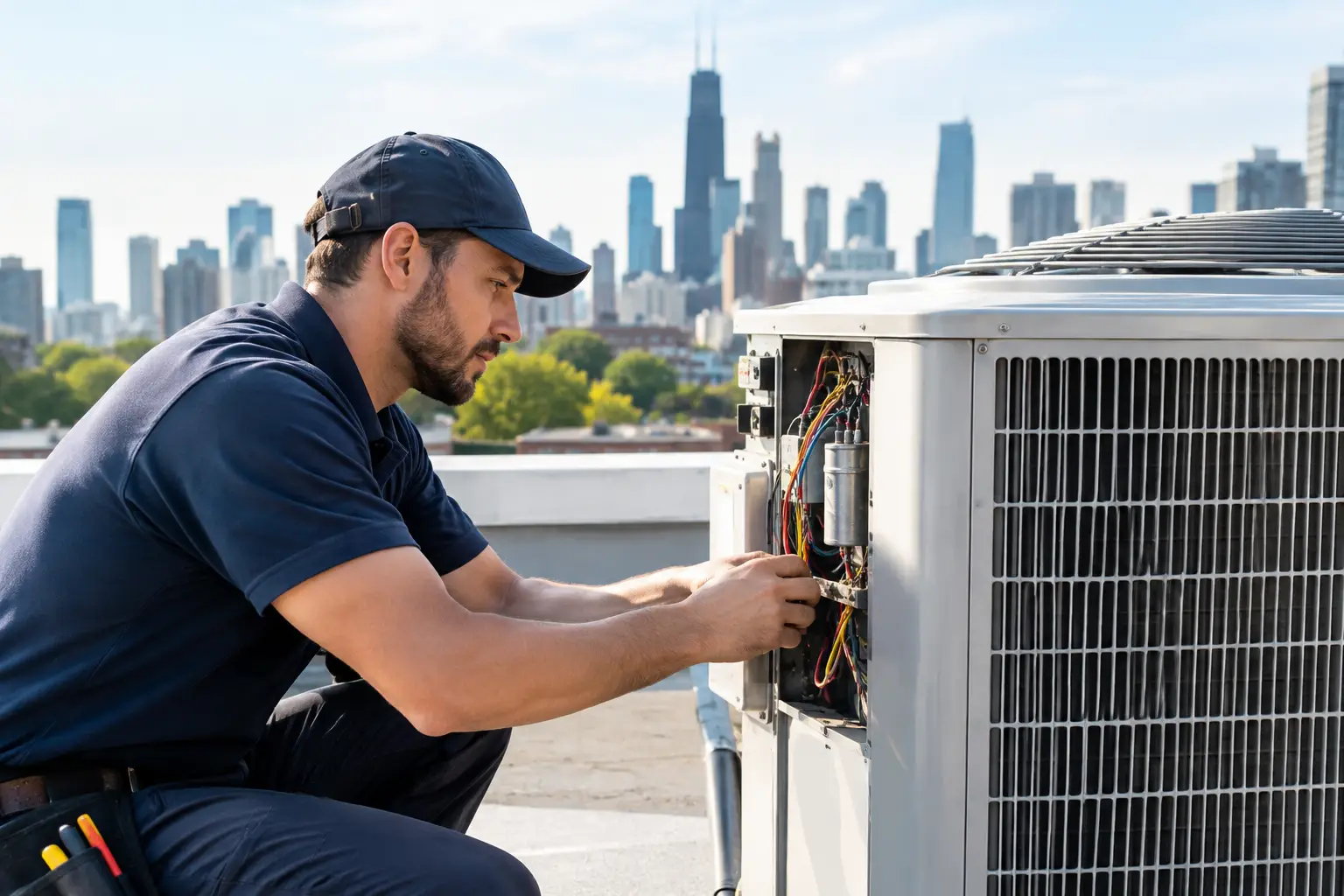
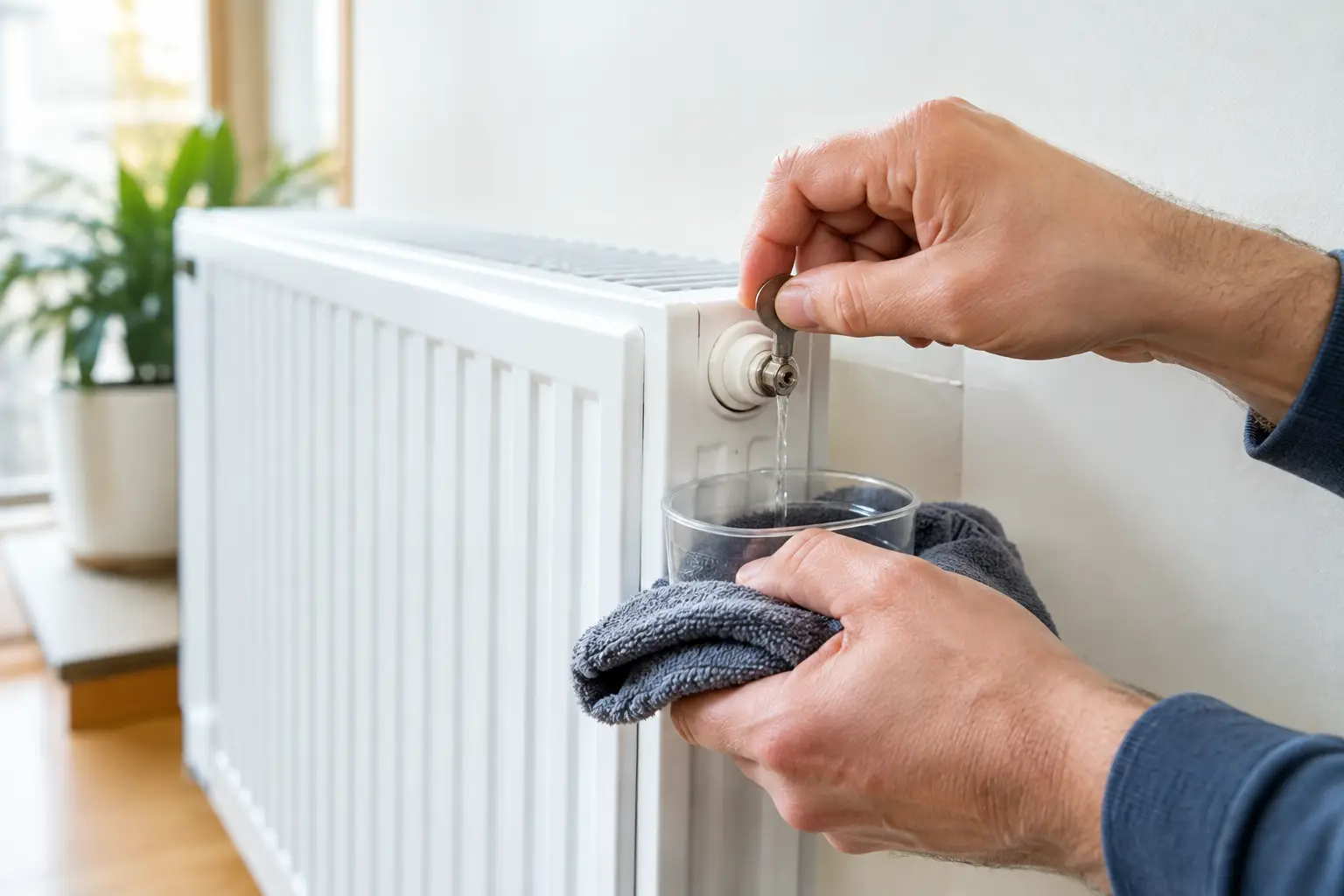
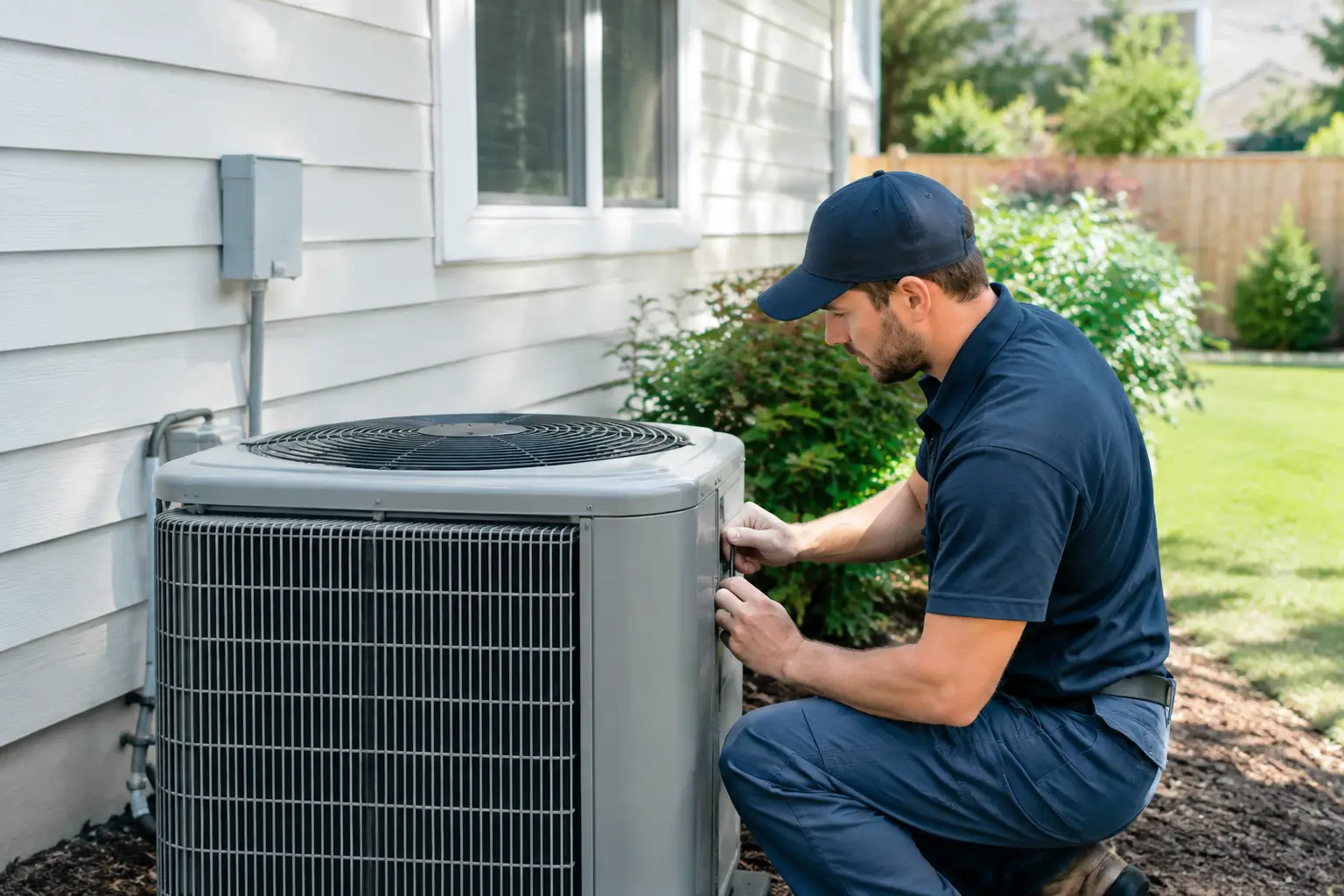
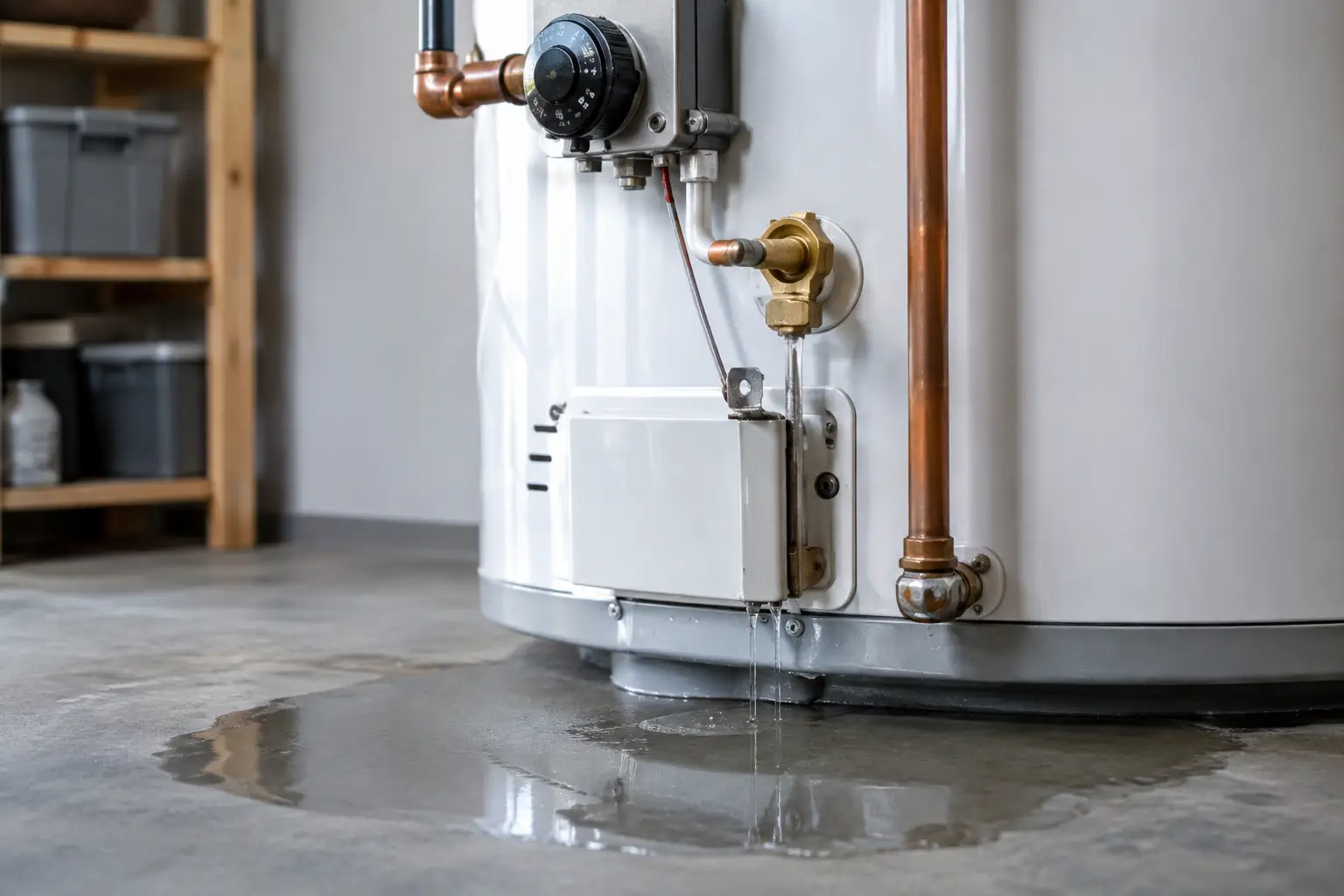
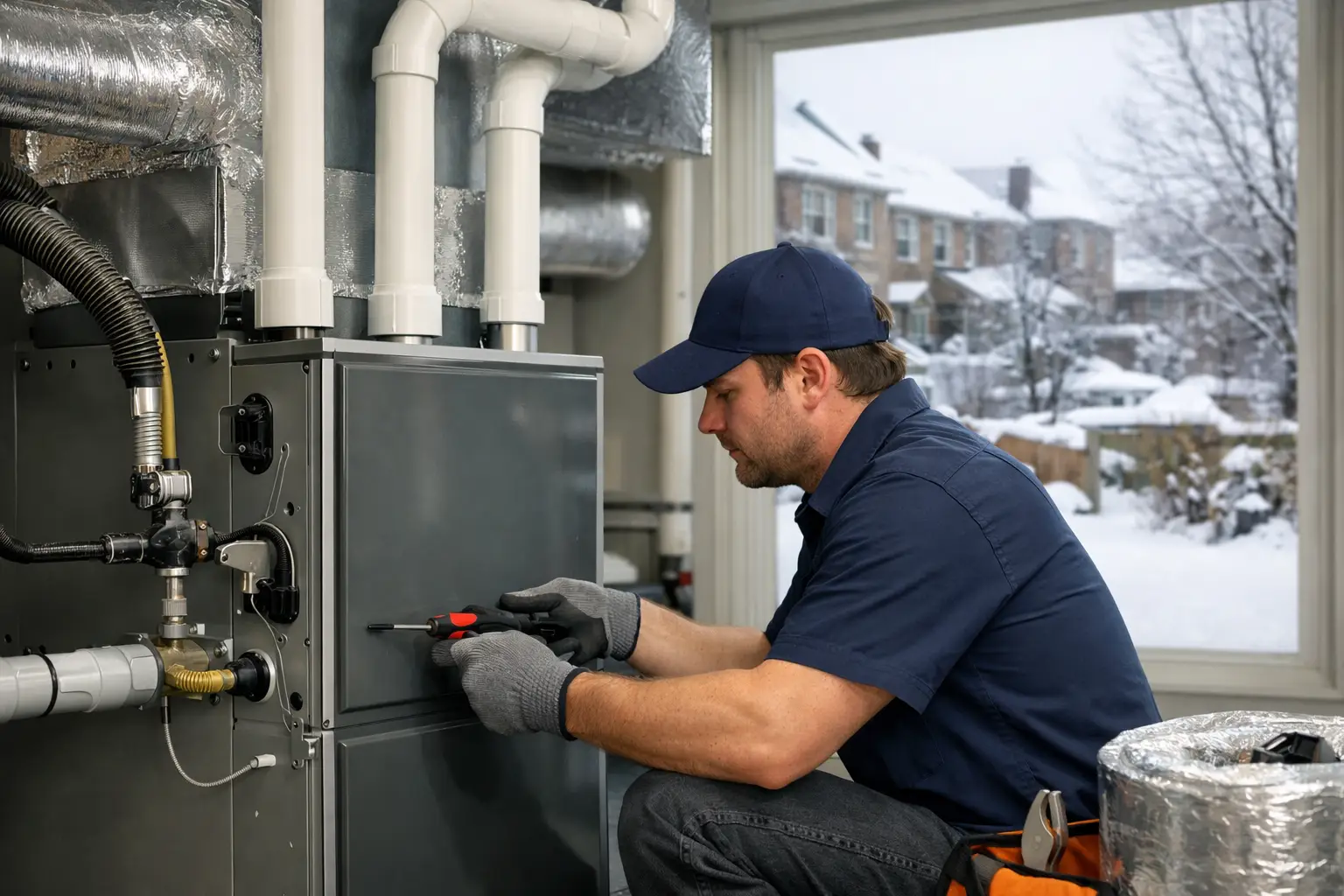
A furnace failure during a Chicago cold snap turns a routine home system into an urgent decision. A professional furnace installation is more than replacing a cabinet in the basement or utility room. It is a safety-focused process that matches the equipment to the building, verifies the supporting ductwork and venting, and confirms the system can deliver dependable heat when the temperature drops.
For homeowners, landlords, and small-business owners, the best replacement decision is rarely about choosing the biggest unit or the lowest initial quote. It is about getting clear recommendations, clean workmanship, and a system designed to run efficiently for years.
When Furnace Installation Makes More Sense Than Repair
A repair is often the right answer when a furnace has a limited, isolated problem and the equipment is otherwise in good condition. Replacing a worn ignition component, correcting a blower issue, or addressing a control problem can restore reliable operation without requiring a full system replacement.
Installation becomes the stronger long-term choice when repairs are becoming frequent, the furnace is nearing the end of its expected service life, or a major component has failed. Rising utility bills, uneven temperatures between rooms, excessive noise, and repeated service interruptions are also signs that the system may no longer be serving the property well.
Age alone does not make replacement automatic. A well-maintained furnace can sometimes continue operating safely and effectively. The practical question is whether the cost, reliability, efficiency, and safety of another repair still make sense for the building and the people who depend on it.
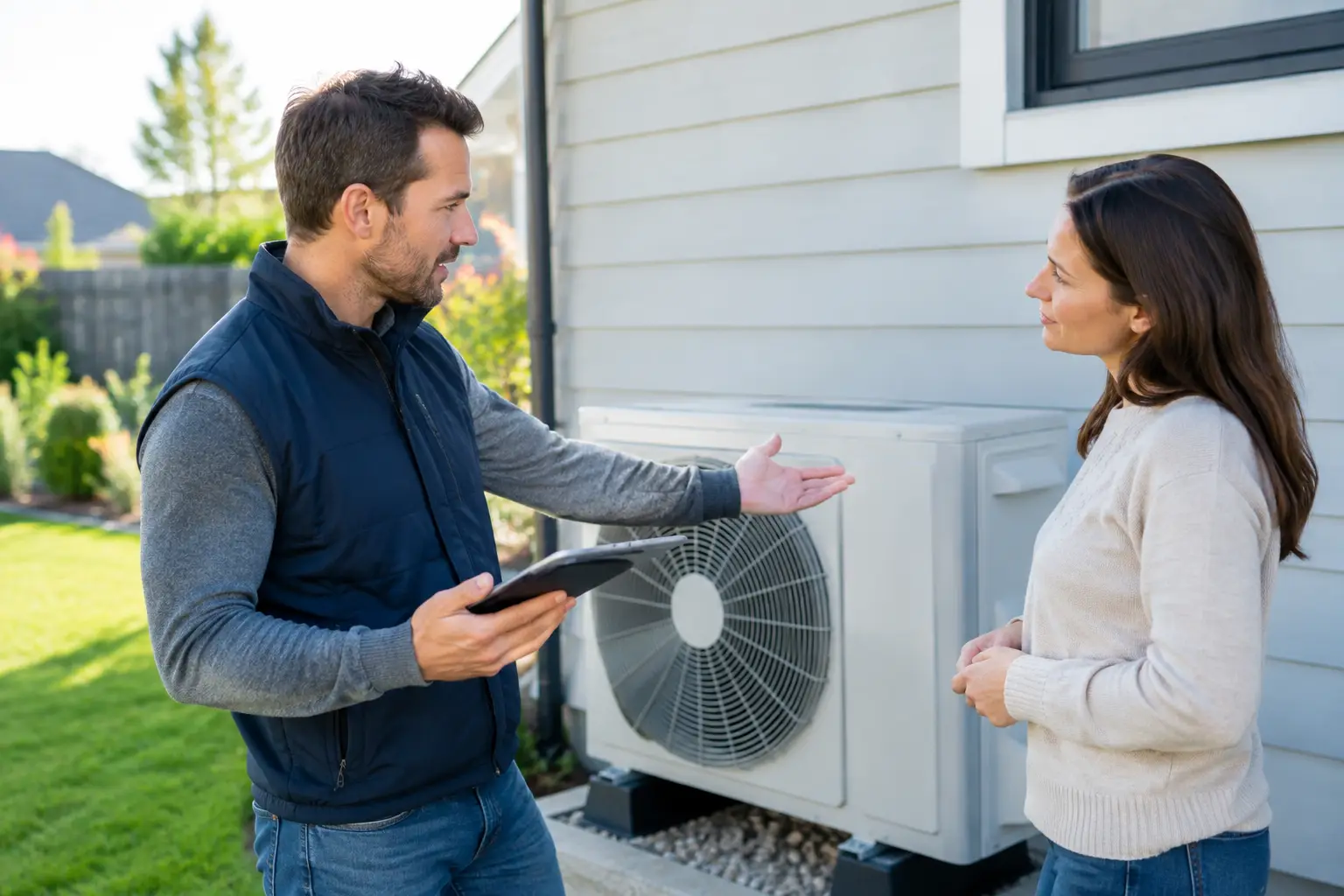
A trustworthy contractor should explain that distinction plainly. You deserve to understand what is failing, what repair can realistically accomplish, and why replacement may or may not be the better investment. Pressure tactics have no place in a decision that affects your home, budget, and winter comfort.
What a Proper Furnace Installation Includes
The quality of the installation matters as much as the quality of the furnace itself. Even premium equipment can underperform when it is poorly sized, improperly connected, or installed without careful testing.
Sizing the furnace for the actual building
A furnace should be selected based on the home or space it needs to heat, not simply on the size of the old unit. Square footage is only one part of the calculation. Insulation levels, window condition, ceiling height, air leakage, duct layout, building orientation, and the needs of separate floors or units all affect heating demand.
An oversized furnace can heat the space too quickly, then shut off before it distributes warmth evenly. This short cycling can increase wear and make some rooms feel less comfortable. An undersized system may run for long periods and struggle during severe weather. Proper sizing helps protect comfort, efficiency, and equipment life.
Checking ducts, airflow, and filtration
Your furnace does not heat rooms directly. It heats air that must travel through supply ducts and return through the system. Restricted returns, undersized ducts, loose connections, dirty filters, or poorly balanced airflow can leave a new furnace working harder than it should.
During the planning process, a qualified technician should evaluate whether the existing duct system supports the new equipment. In some properties, targeted duct improvements or zoning adjustments can solve persistent hot-and-cold room issues more effectively than increasing furnace capacity.
Filtration also deserves attention. A filter that is too restrictive for the system can reduce airflow, while an inadequate filter may allow more dust to circulate through the home. The goal is to balance indoor air quality with the airflow the equipment requires.
Verifying fuel, venting, and electrical connections
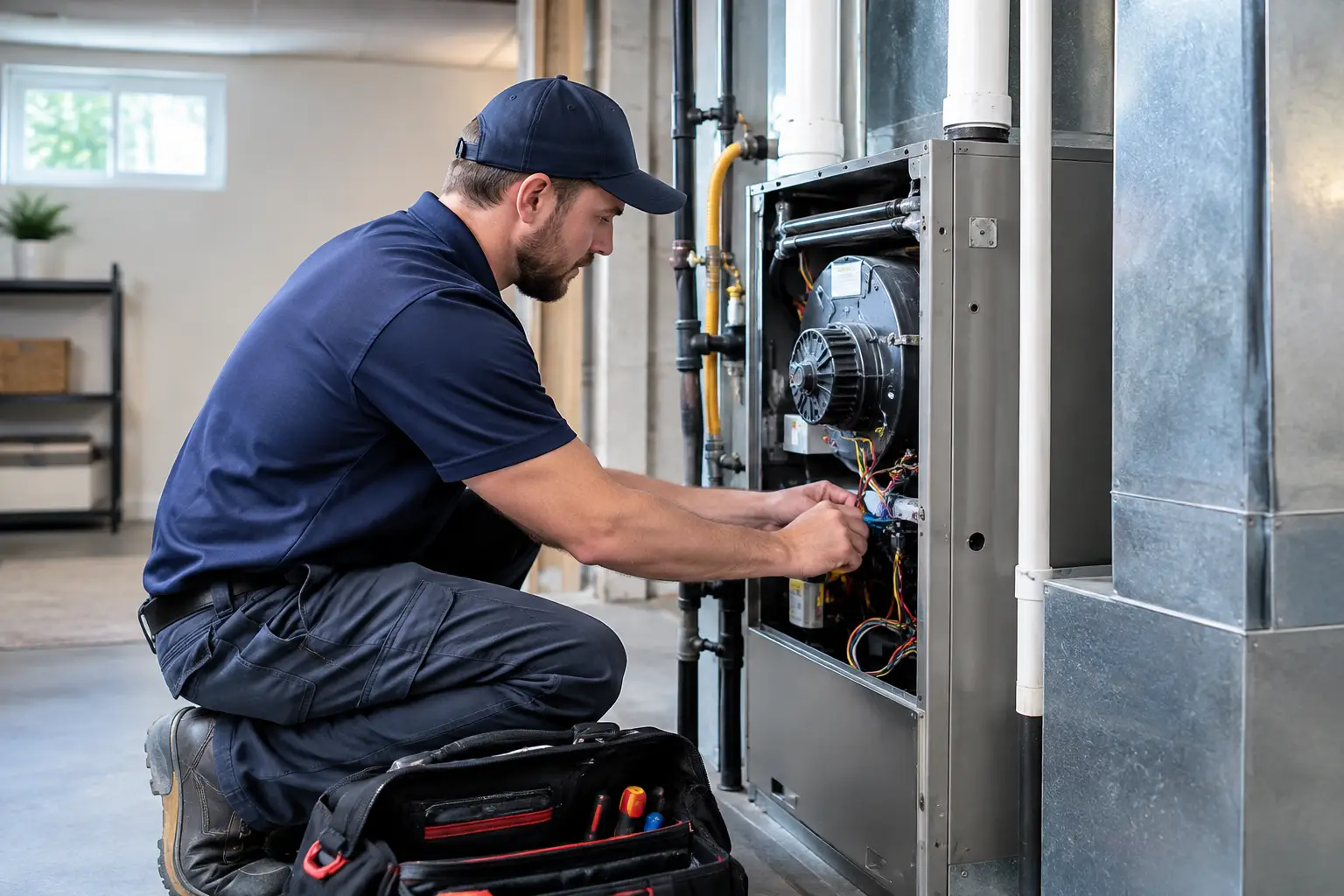
Gas connections, combustion venting, condensate drainage on high-efficiency equipment, and electrical controls must all be installed to applicable codes and manufacturer requirements. These details are essential to safe operation.
This is not an area for shortcuts. Correct venting helps combustion gases exit as intended. Proper drainage prevents water-related problems. Secure electrical connections and tested safety controls help the furnace respond appropriately if an issue occurs. Licensed, insured professionals bring the training and accountability needed for this work.
Starting up and testing the system
Installation is not complete when the furnace turns on. The system should be commissioned: thermostat operation is checked, airflow is reviewed, temperature performance is measured, safety controls are verified, and the installation area is left clean.
Homeowners should also receive a clear explanation of basic system operation, filter replacement intervals, maintenance needs, and warranty documentation. A good handoff makes it easier to care for the equipment without guessing.
Choosing Features That Fit Your Property
Furnaces are available with different efficiency levels and comfort features. The right selection depends on how long you expect to own the property, the condition of the ductwork, the layout of the space, and your priorities for utility use and temperature control.
Higher-efficiency equipment may reduce fuel consumption, especially in a climate with a long heating season. However, it may also require changes to venting or drainage arrangements. A more advanced variable-speed blower can improve air circulation and may help with more even temperatures, but the benefit depends on the rest of the system being compatible.
For a rental property or small commercial space, reliability, serviceability, and consistent performance may be the top considerations. For a long-term family home, quieter operation, comfort features, and efficiency may carry more weight. There is no one-size-fits-all furnace. The right choice is the one that fits the building and the ownership plan without adding features that do not provide meaningful value.
Preparing Your Home for Installation Day
Most furnace replacements can be completed with minimal disruption when the work is planned carefully. Before the appointment, clear a path to the mechanical area and remove stored items around the existing furnace. Technicians need safe access to inspect connections, move equipment, and protect the work area.
If the furnace is located near finished spaces, clean job-site practices matter. Floor protection, organized tools, and careful cleanup show respect for the property. For landlords and business owners, planning access with tenants or staff in advance can also keep the work moving smoothly.
It is helpful to ask what temporary loss of heat to expect during the replacement and whether any related work, such as thermostat updates, duct modifications, or humidifier connections, is recommended. Clear communication before work begins prevents surprises later.
Protecting the New System After Installation
A new furnace is a major mechanical investment, but regular attention helps it deliver the reliability you paid for. Replace or inspect filters on the schedule recommended for your household and system. Keep supply vents and return grilles open and unobstructed so air can circulate properly.
Annual professional maintenance is also valuable. A heating visit can identify developing issues before they become a no-heat emergency, verify safe operation, and help preserve efficiency. This is especially useful in multifamily buildings and rental properties, where a heating interruption can affect several residents at once.
If you notice new noises, uneven heating, unusual cycling, or a sudden increase in heating costs, schedule service rather than waiting for a complete failure. Early attention can protect both comfort and the equipment.
Shad Heating & Cooling approaches furnace replacement with careful evaluation, honest upfront pricing, and respect for your home or business. The goal is not simply to get heat running again. It is to leave you with a system that is safe, properly matched, and ready for the heating seasons ahead.
Written by the Shad Heating & Cooling team
Furnace Installation FAQs
How long does furnace installation take?
Many standard replacements are completed in one day, but timing depends on access, equipment type, ductwork needs, venting changes, and any related electrical or indoor air quality work.
Can I replace only the furnace and keep my existing air conditioner?
Often, yes. A technician should confirm that the furnace blower, controls, and existing cooling equipment will work together properly before recommending that approach.
Why is furnace sizing so important?
Correct sizing helps prevent short cycling, uneven temperatures, excessive run times, and unnecessary wear. It is based on the property’s heating load, not just the old furnace’s capacity.
What should I do if my furnace stops working in winter?
Check that the thermostat is set correctly and the filter is not severely blocked, then contact a qualified HVAC professional for prompt diagnosis. Fast, informed service is the best way to protect comfort and safety.