Written by the Shad Heating & Cooling team
A furnace failure at 2 a.m. is not simply an inconvenience during a Chicago winter. As indoor temperatures fall, a comfort problem can quickly become a safety concern, especially for children, older adults, pets, tenants, and vulnerable plumbing. Emergency heating means taking the right short-term steps to stay safe while getting a qualified HVAC professional involved before the problem causes further damage.
Whether your home uses a furnace, boiler, heat pump, or ductless system, the goal is the same: restore reliable heat safely, without guessing at the cause or risking a temporary fix that fails again when you need it most.
When Emergency Heating Is Necessary
Not every heating issue requires an after-hours service call. A room that is a few degrees cooler than usual can often wait for a scheduled appointment. But when your system stops producing heat during cold weather, runs without warming the space, or shows signs of a possible gas, electrical, or combustion problem, it deserves prompt attention.
No Heat in Cold Weather
If the thermostat is calling for heat but your furnace or boiler is not warming the building, act early. Indoor temperatures can drop faster than expected in older homes, drafty spaces, vacant units, and buildings with exposed plumbing. Waiting until morning may increase the risk of frozen pipes and make the repair more disruptive.
A boiler issue can be especially urgent in multifamily properties. Loss of heat may affect multiple apartments, and uneven heating can leave some residents in unsafe conditions before others realize there is a problem.
Smells, Sounds, or Safety Concerns
Leave the building and seek immediate help if you smell gas, notice smoke, see sparking, or hear a carbon monoxide alarm. Do not try to restart equipment, relight a pilot, or investigate a gas odor yourself. Emergency responders and qualified professionals should determine when it is safe to return and what repairs are needed.
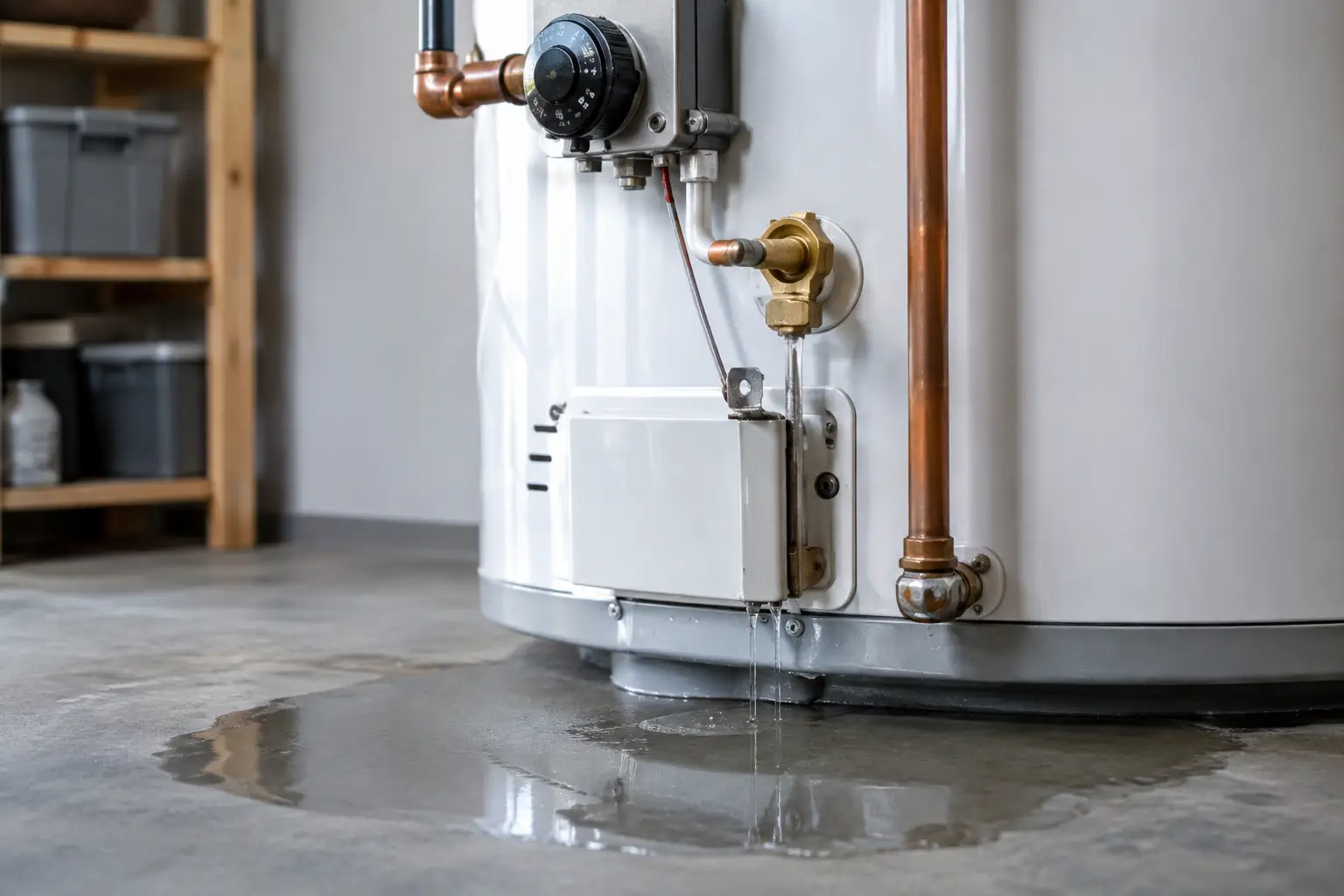
Other warning signs that warrant a fast service call include repeated system shutdowns, loud banging from a boiler, water around heating equipment, a burning odor that does not quickly clear, or unusual soot around vents or appliances.
A Heat Pump That Cannot Keep Up
Heat pumps may run longer in low outdoor temperatures, which is not always a malfunction. However, a system that blows consistently cold air, trips off repeatedly, or cannot maintain a safe indoor temperature needs professional evaluation. The right response depends on the equipment, outdoor conditions, thermostat settings, and whether the home has backup heat.
What to Do While You Wait for Service
The safest response is calm, practical, and focused on protecting people and the property. Do not remove equipment panels or attempt repairs involving gas, wiring, burners, or boiler controls.
While waiting for emergency heating service, you can take several low-risk steps:
- Keep exterior doors and windows closed to hold in available heat.
- Gather household members in one occupied area of the home, if practical.
- Open cabinet doors beneath sinks on exterior walls to let warmer indoor air reach plumbing.
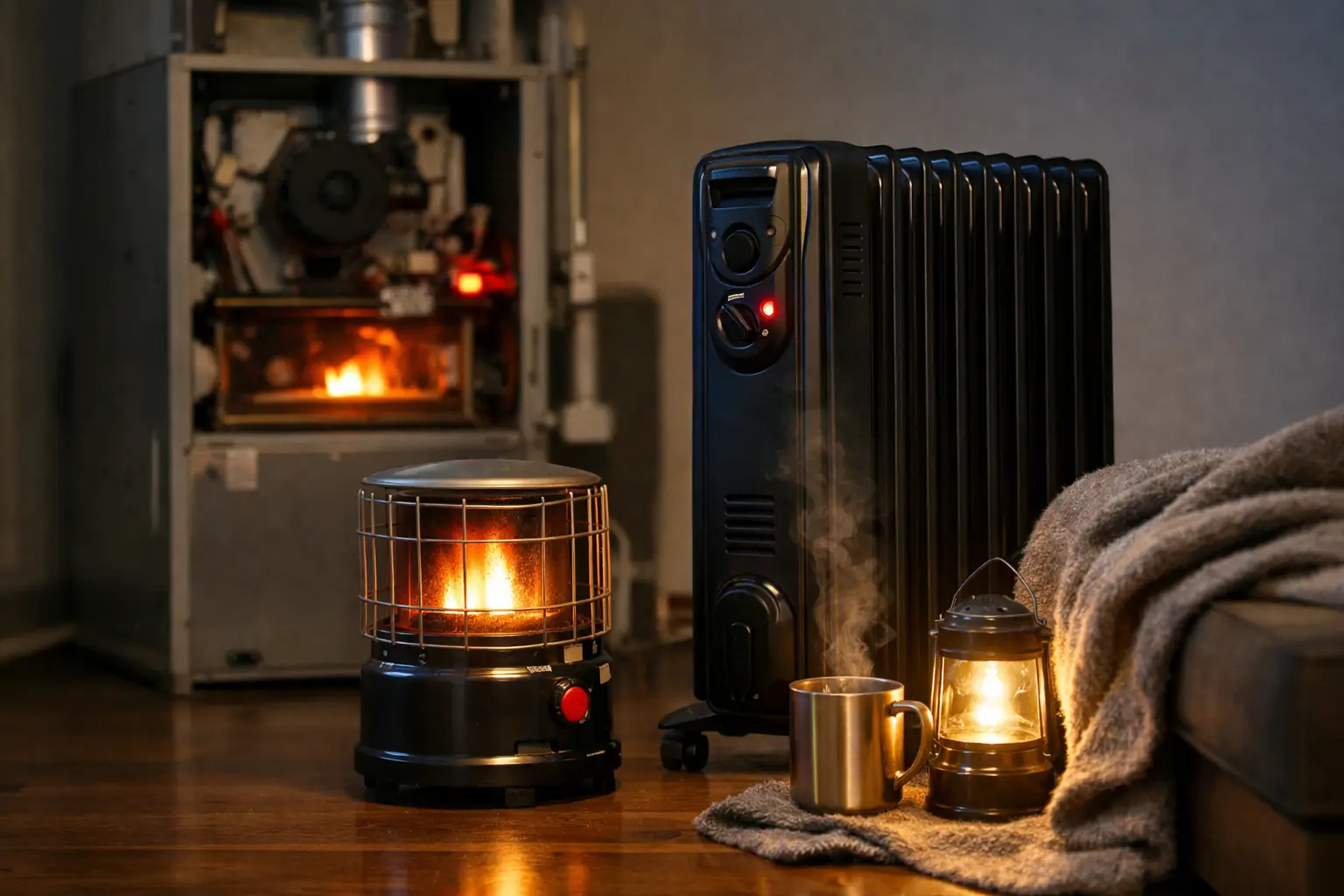
- Use portable space heaters only as directed, on stable surfaces and well away from bedding, curtains, furniture, and traffic paths.
- Check on older neighbors, tenants, or family members who may be affected by the same weather event.
If you have a fireplace, use it only if it is designed for safe operation and properly vented. Never use an oven, grill, or other fuel-burning appliance as a heat source. These options create serious fire and carbon monoxide risks.
For rental properties and small businesses, clear communication matters. Let occupants know that the issue has been reported, explain any immediate safety instructions, and keep a record of when the loss of heat began. That information helps the technician assess urgency and identify patterns that may point to the cause.
Information That Helps an Emergency Technician
A service visit is more efficient when the technician has a clear picture of what happened before the heat failed. You do not need HVAC expertise to provide useful details. Note when the issue started, whether the system made unusual sounds, whether some rooms are warmer than others, and whether the thermostat display is operating normally.
For Furnace Problems
Mention whether the furnace starts and stops quickly, whether the blower runs without warm air, or whether airflow has weakened throughout the house. Also share when the air filter was last changed and whether there have been recent power interruptions. These details can help narrow down potential airflow, ignition, control, or electrical concerns.
For Boiler Problems
Tell the technician if you see water near the unit, hear knocking or gurgling in pipes, notice radiators staying cold, or find that one part of the building has heat while another does not. Boiler systems require careful diagnosis because circulation, pressure, venting, and safety controls all affect performance.
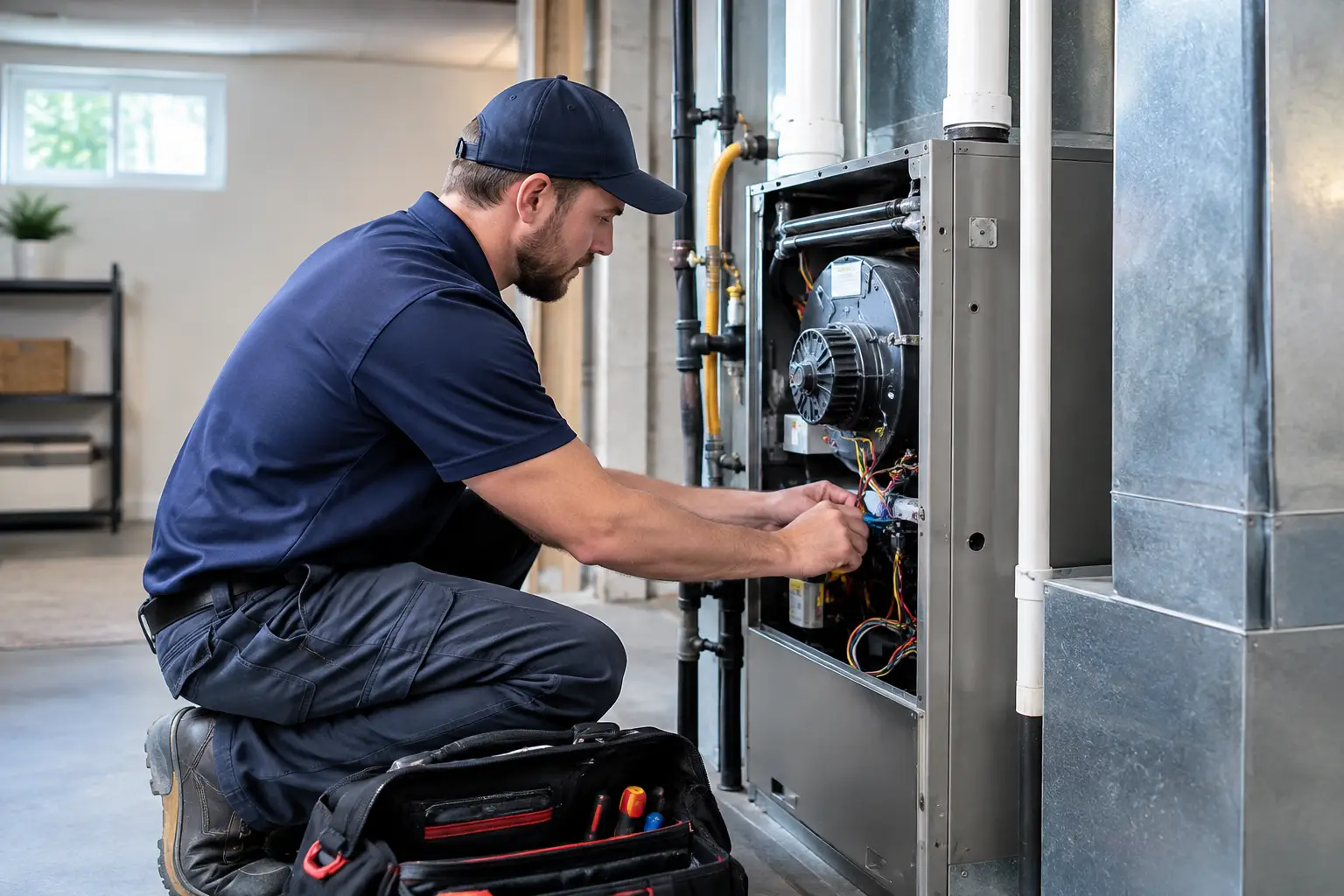
A qualified technician should inspect the system, explain the likely cause in plain language, and provide honest upfront pricing before moving forward with repair options. The goal is not merely to get the system running for the moment. It is to determine whether the repair supports safe, lasting operation.
Repair or Replacement: How to Make the Call
During an emergency, most property owners want one answer: can the heat be restored today? That is a fair question. Still, a responsible recommendation should consider more than the immediate restart.
If the equipment is relatively new, has been maintained, and has a repairable issue, repair is often the sensible path. If it has a history of breakdowns, has major safety or reliability concerns, or needs a costly repair near the end of its expected service life, replacement may be worth discussing.
Avoid Decisions Made Under Pressure
An emergency should not become a reason to accept unclear recommendations. Ask what failed, why it failed, what the repair is intended to resolve, and whether there are related concerns that may affect reliability. A trustworthy HVAC company will explain the options without using fear or vague claims to push a replacement.
For landlords and business owners, consider operational impact as well. Repeated outages can create tenant complaints, interrupted work, water damage risk, and unplanned maintenance costs. A replacement may be a better long-term investment when a system can no longer support dependable operation.
How Preventive Maintenance Reduces Heating Emergencies
Many emergency calls come from problems that develop gradually: restricted airflow, worn components, dirty burners, failing controls, circulation issues, or neglected safety checks. Maintenance cannot prevent every breakdown, but it gives a trained technician the opportunity to catch developing concerns before the coldest night of the year exposes them.
Furnaces, boilers, and heat pumps should be professionally maintained before the heating season whenever possible. A thorough visit includes checking operation, safety controls, airflow or circulation, venting, and the condition of key components. It also gives homeowners a clearer picture of the system’s reliability before they are forced to make a decision in an emergency.
For Chicago properties with older heating equipment, routine maintenance is also a useful planning tool. Knowing that a system may be nearing replacement allows you to compare options on your schedule instead of making a rushed choice during a no-heat call.
Choosing an Emergency Heating Provider
When heat is out, look for a licensed and insured HVAC company with trained technicians, clear communication, and experience with the type of equipment in your property. For furnaces and boilers, accurate diagnosis is essential. A quick restart is not enough if the underlying issue remains unresolved.
Shad Heating & Cooling provides emergency repair support with a customer-protective approach: careful diagnosis, clean workmanship, clear explanations, and recommendations based on the condition of the system. The priority is restoring safe, reliable comfort while respecting your home, tenants, or business space.
The best next step when heat fails is to protect the people and plumbing in the building, avoid unsafe workarounds, and get qualified help before a manageable repair turns into a larger problem.
Emergency Heating FAQ
How cold does a house need to get before it becomes an emergency?
There is no single indoor temperature for every property, but a no-heat situation during freezing weather should be addressed promptly. Homes with children, older adults, pets, exposed plumbing, or poor insulation may need faster action.
Can I use space heaters until my furnace or boiler is repaired?
Portable heaters can provide limited temporary warmth when used exactly as directed. Keep them clear of flammable materials, plug them directly into a wall outlet, and never leave them unattended.
Why is my boiler making banging noises?
Banging, knocking, or gurgling can point to circulation, pressure, air, or heating-related issues. Because boilers involve hot water, pressure, and safety controls, a professional should inspect the system.
What is the best first call when my heat stops working?
If there is a gas smell, smoke, sparking, or a carbon monoxide alarm, contact emergency services first. Otherwise, call a qualified HVAC professional promptly. A calm, early response protects comfort, safety, and your property.