
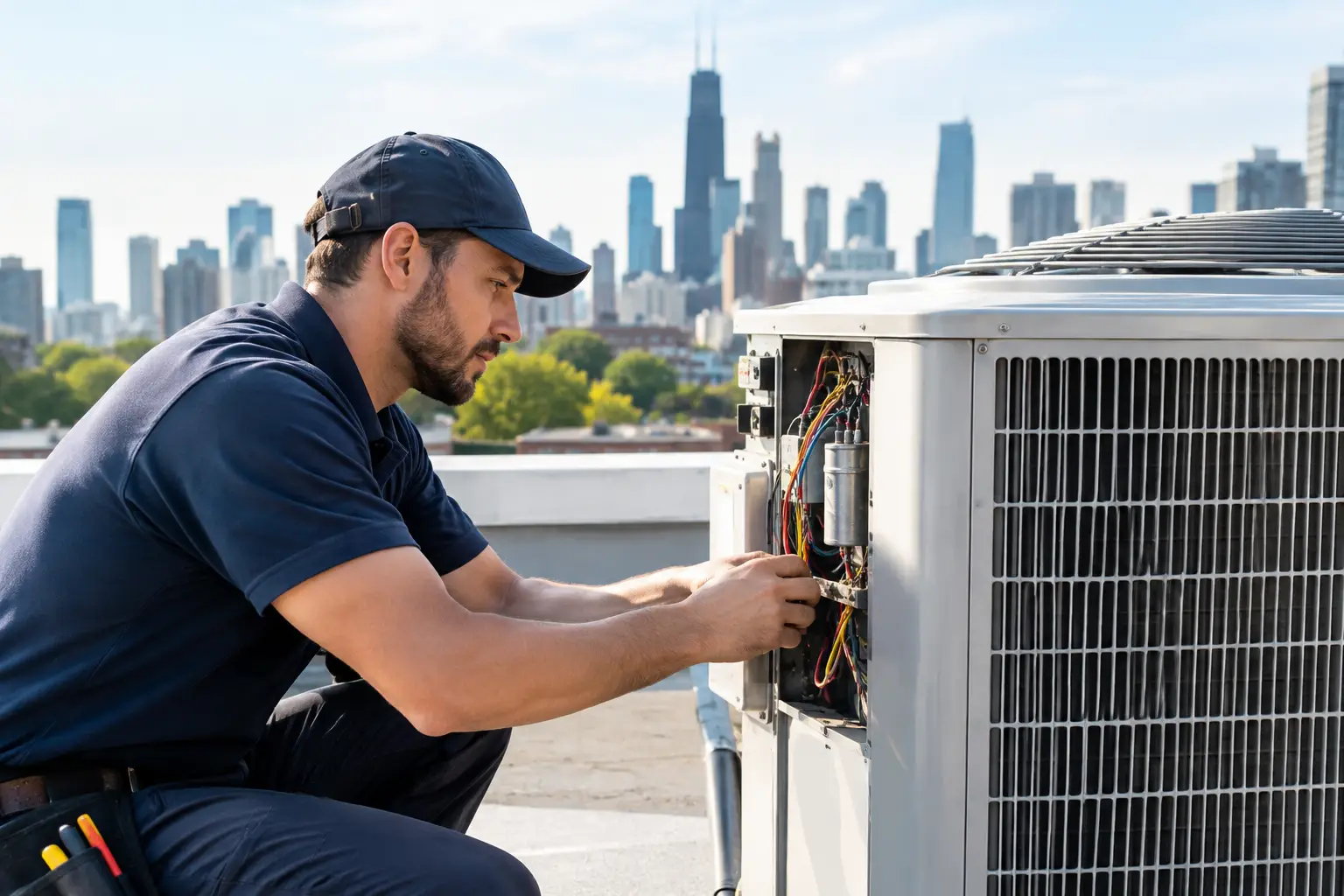
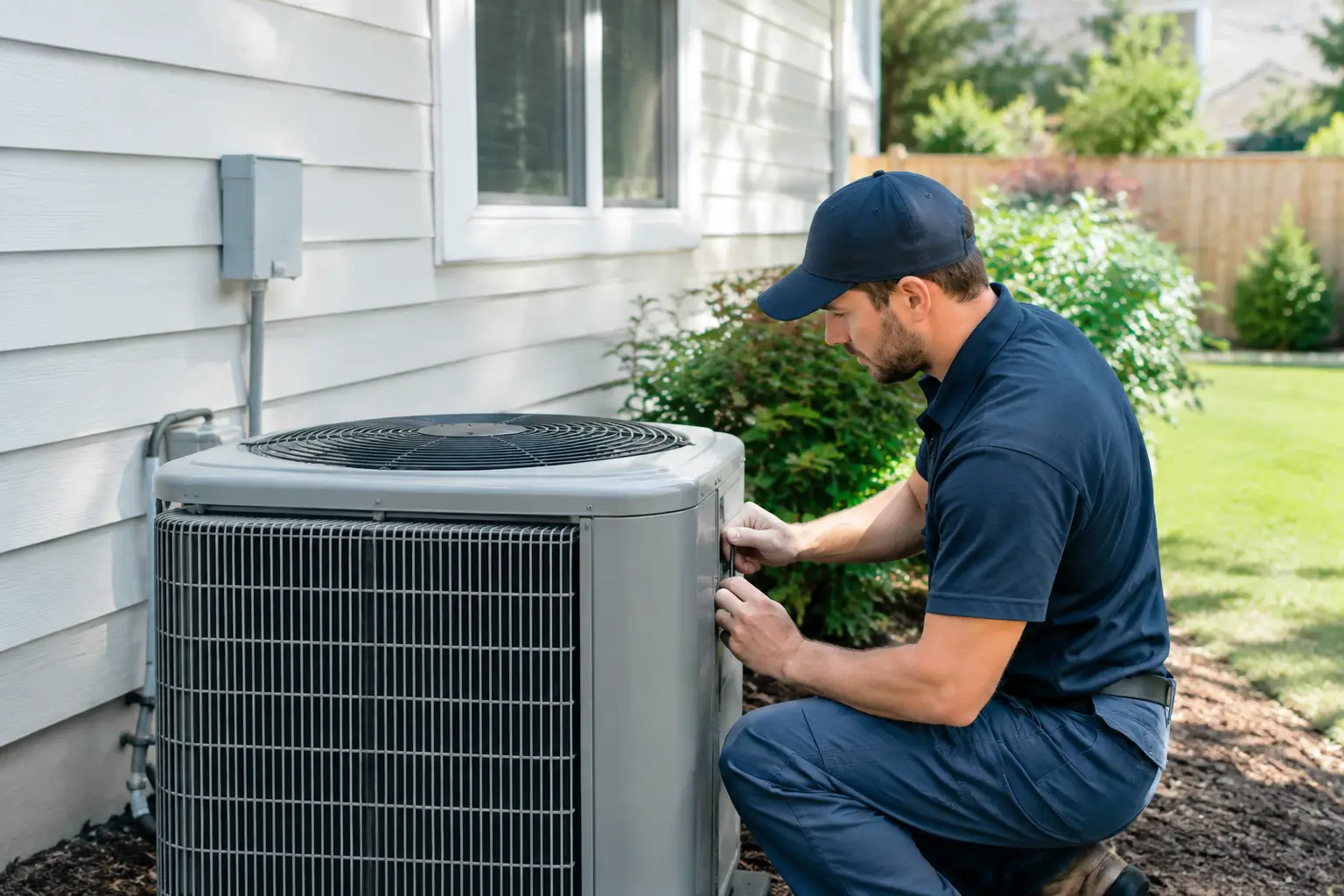

A Chicago winter can expose every weakness in a heating system. One room feels chilly, another is overly warm, utility bills climb, and an aging unit may suddenly stop when your household needs it most. When weighing boiler versus furnace heating, the right choice is not simply about which system is newer or more efficient on paper. It depends on how your building is constructed, how heat is delivered, whether you need air conditioning through the same system, and what will provide dependable comfort for years ahead.
Both boilers and furnaces can heat a home effectively when they are properly sized, installed, and maintained. The better option is the one that fits your property, comfort expectations, and long-term plans without creating avoidable installation or operating costs.
Boiler Versus Furnace Heating: The Core Difference
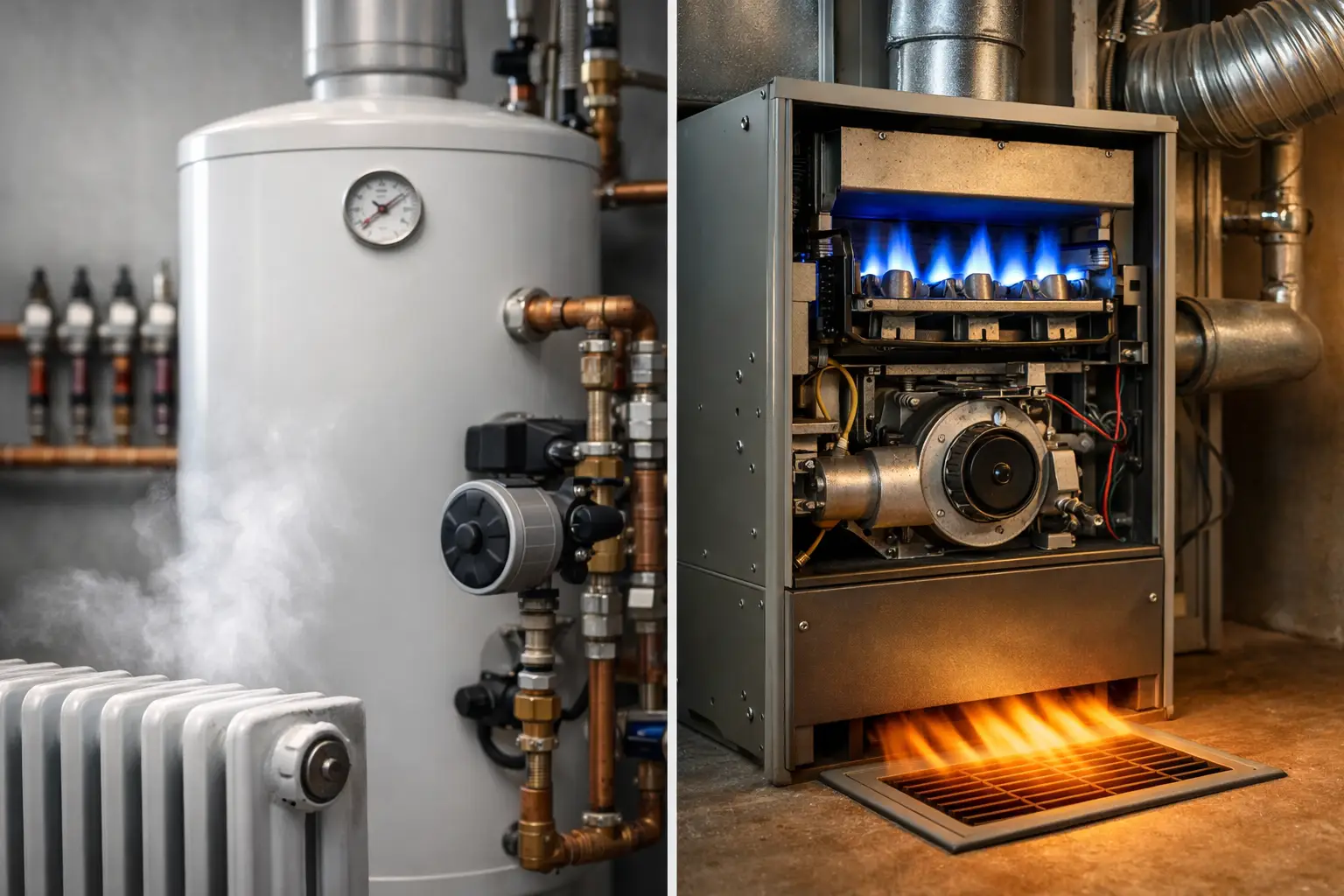
A furnace heats air and moves it through ductwork using a blower. Warm air comes out through supply vents in rooms throughout the home, while return vents bring cooler air back to the furnace to be reheated. Most furnaces are powered by natural gas, although electric options are available.
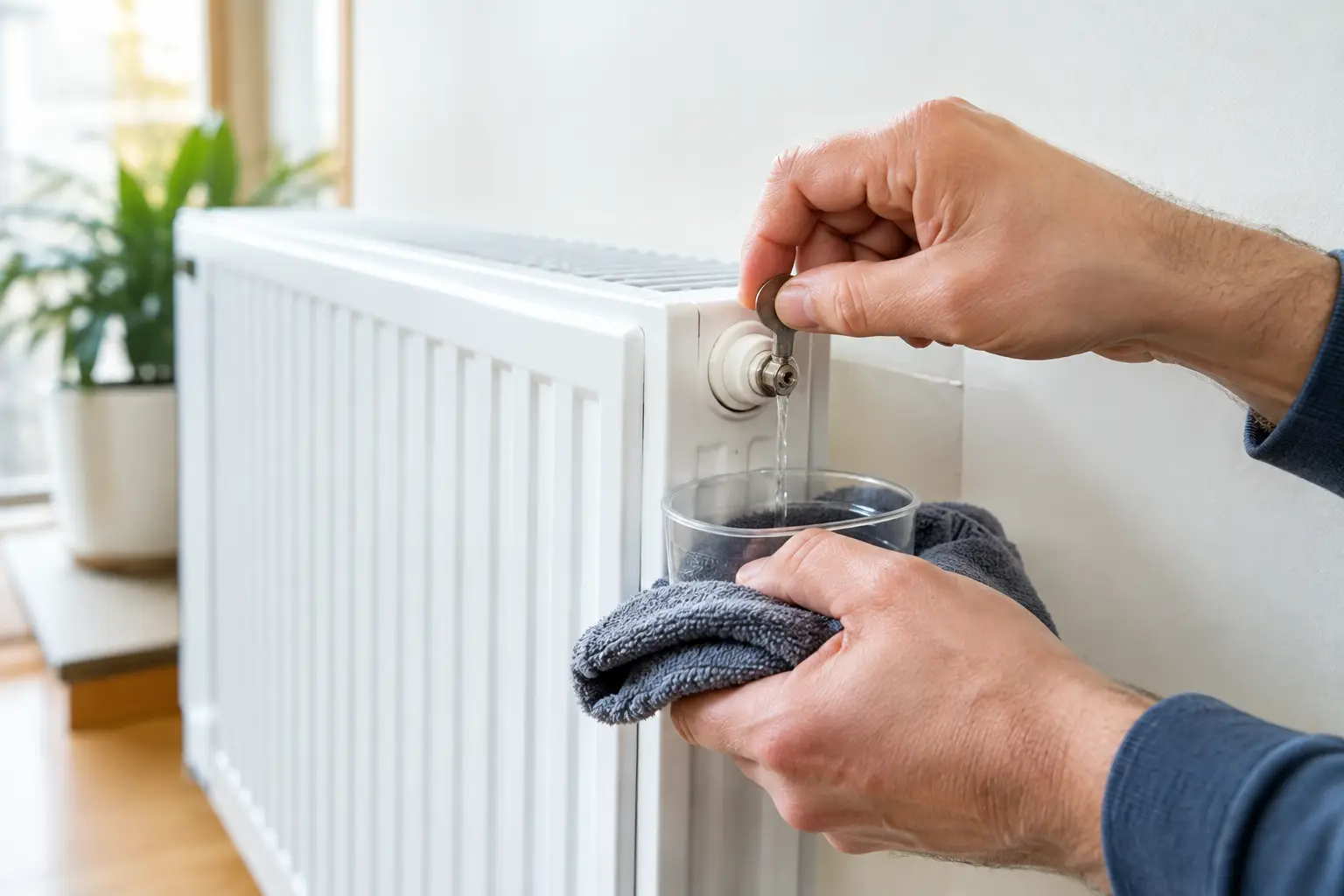
A boiler heats water instead of air. That hot water travels through pipes to radiators, baseboard units, or radiant floor systems. In some multifamily buildings, a boiler may also create steam that moves through steam radiators. The heat is then released gradually into the living space.
This difference in distribution shapes nearly every part of the ownership experience. Furnaces rely on ducts and moving air. Boilers rely on piping and radiant heat. Neither approach is automatically better, but each has strengths that suit particular properties.
How the Comfort Feels in Your Home
Many homeowners describe boiler heat as quieter and more even. Because radiators and radiant systems release heat steadily, rooms often remain comfortable without the noticeable on-and-off airflow of a forced-air system. There is no blower cycling, which can be appealing in bedrooms, offices, and older homes where noise matters.
Furnaces heat rooms more quickly. Once the thermostat calls for heat, a properly operating furnace can deliver warm air fast. This quick response can be useful when temperatures drop sharply or when a home has been set back overnight. However, duct layout, insulation, and airflow balance affect whether every room receives similar comfort.
A furnace can also circulate air throughout the house, which makes it compatible with central air conditioning, filtration, humidification, dehumidification, and certain air-cleaning equipment. A boiler does not move air, so homes with boiler heat usually need a separate solution for central cooling and air treatment, such as ductless systems or dedicated air handlers.
Efficiency Depends on the Whole System
High-efficiency boilers and furnaces can both reduce fuel use compared with older equipment. The equipment rating matters, but it is only one piece of the picture. A high-efficiency system installed at the wrong size, connected to leaking ducts, or controlled by an outdated thermostat will not perform as it should.
Boilers can be especially efficient when paired with well-designed hydronic systems and modern controls. Water holds heat effectively, and radiant delivery can maintain comfort at lower thermostat settings in some homes. Older steam boiler systems, however, need careful evaluation. Their piping, vents, controls, radiator condition, and system balancing can have a major effect on fuel consumption and comfort.
Furnace efficiency is influenced by duct condition and airflow. Leaky ducts can lose heated air in attics, crawl spaces, basements, or wall cavities before it reaches the rooms where it is needed. Restricted filters, undersized returns, and poorly designed duct runs can also strain the equipment and create uneven temperatures.
For either system, building conditions matter. Air sealing, insulation, window performance, thermostat settings, and the age of the home all affect heating costs. Replacing equipment without addressing major distribution or envelope issues can leave comfort problems behind.
Installation Considerations for Chicago Properties
The existing infrastructure in your home is usually the most important factor in a replacement decision. If your home already has radiators and hydronic piping in good condition, replacing an aging boiler may be the most practical path. Converting the entire property to forced-air heating can involve opening walls, adding ductwork, modifying electrical systems, and coordinating separate cooling needs.
Likewise, a home with established ductwork is often well suited for a furnace replacement. The same duct system can support a central air conditioner, which can simplify year-round comfort planning. If ducts are undersized, damaged, or poorly routed, that should be addressed before assuming a new furnace alone will solve the problem.
Chicago has many vintage houses, two-flats, and multifamily buildings with radiator systems. In these properties, preserving and improving an existing boiler system may make more sense than a large-scale conversion. On the other hand, a major renovation may be the right time to consider ductwork, zoning, radiant flooring, or a combination of heating and cooling approaches.
A professional load calculation is essential before making a decision. Equipment should be selected based on the building’s heat loss, layout, insulation, window area, occupancy, and distribution system, not based solely on the size of the old unit. Oversized equipment can short-cycle, waste energy, and wear out faster. Undersized equipment may struggle during the coldest weather.
Maintenance and Reliability Differences
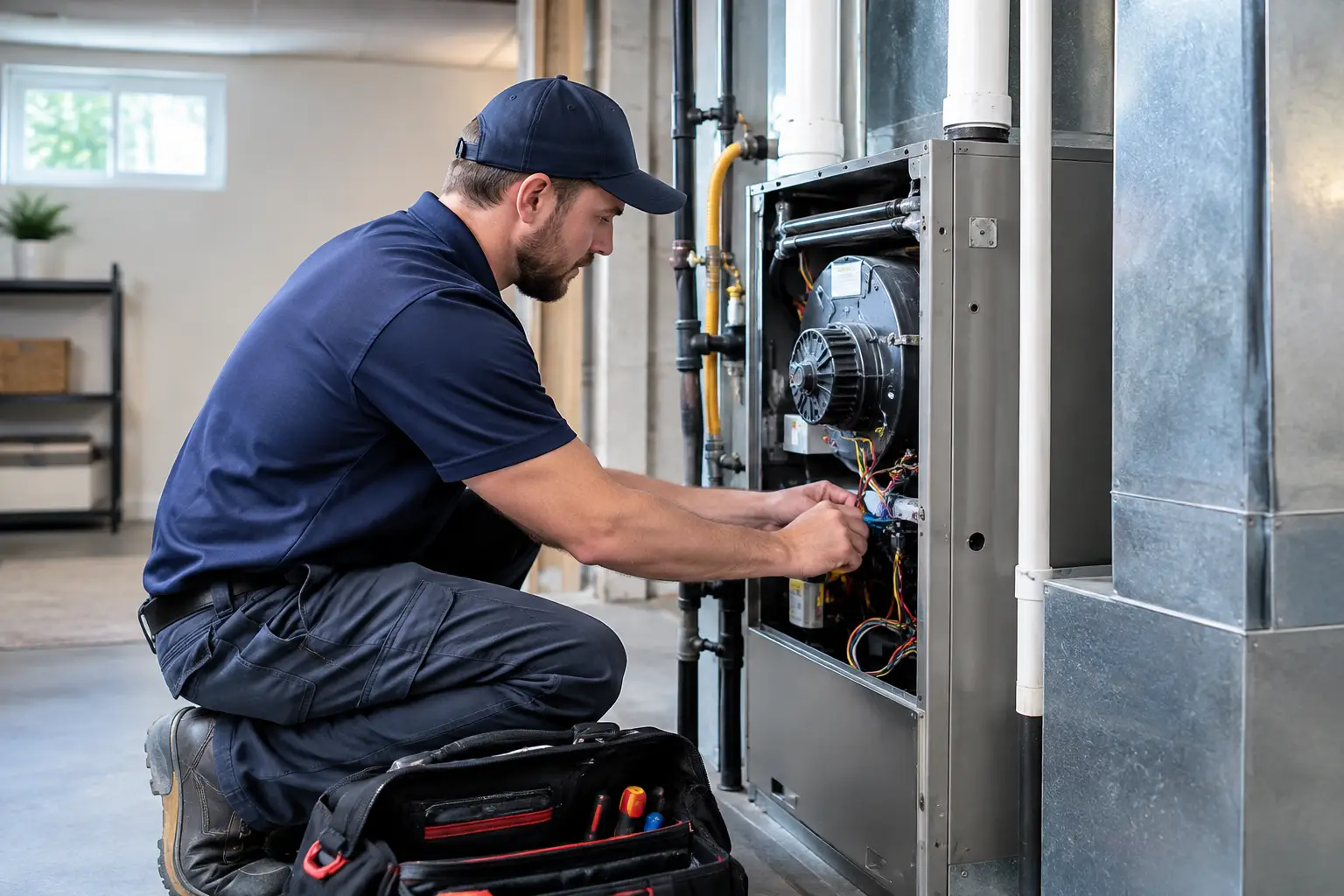
Both systems need annual professional maintenance, particularly before the heating season. A furnace tune-up typically includes inspecting the heat exchanger, burners, ignition system, electrical components, blower operation, venting, safety controls, and airflow. Filters also need regular replacement according to the system and household conditions.
Boiler maintenance includes checking combustion, venting, water pressure, pumps, expansion components, controls, safety devices, and signs of leaks or corrosion. Steam systems may require attention to low-water cutoffs, vents, piping condition, and proper water levels. These components are critical to safe and reliable operation.
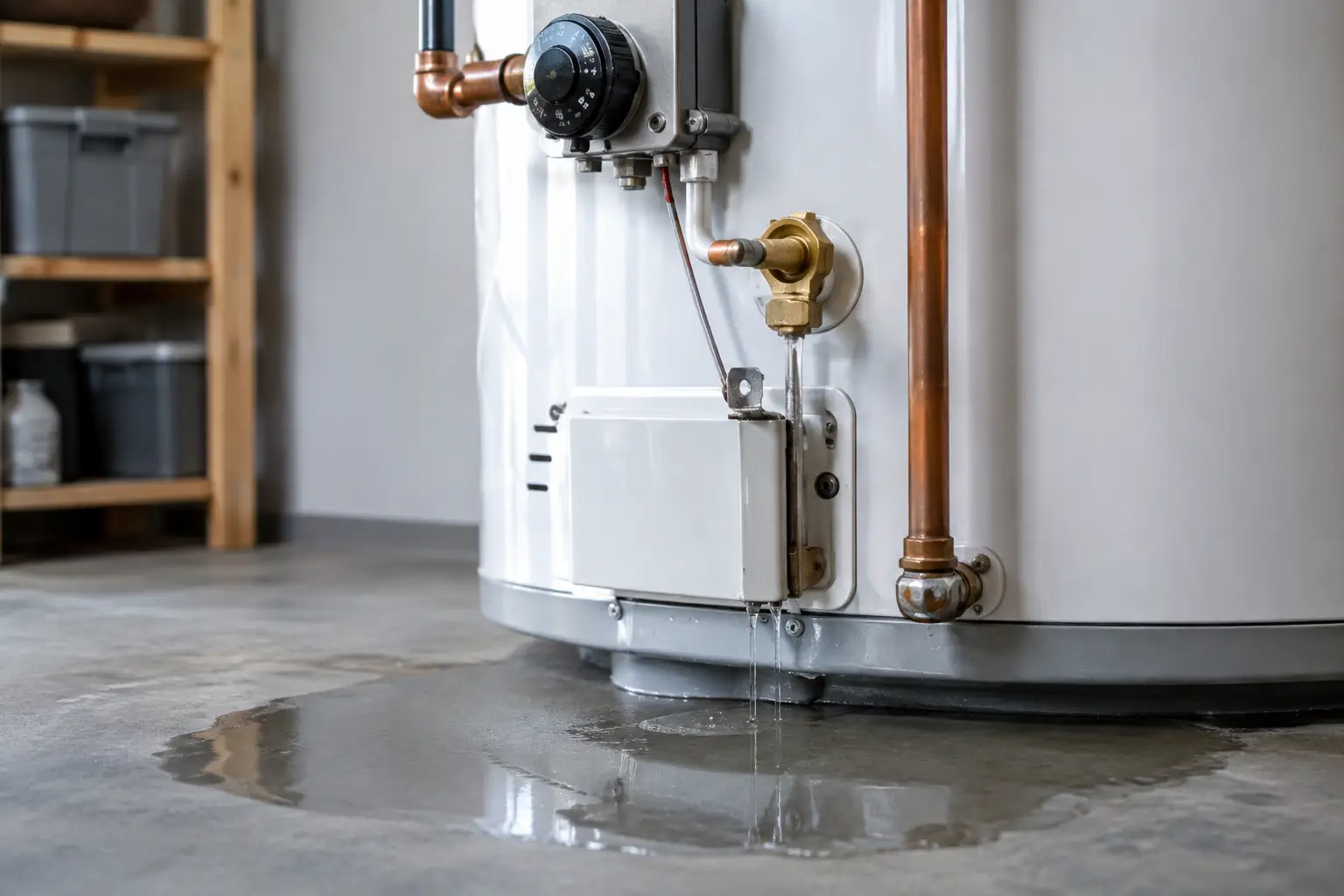
Neither system should be ignored because it still produces heat. Strange noises, uneven temperatures, frequent cycling, water around a boiler, soot, fuel odors, rising utility costs, or repeated resets are reasons to schedule service. For gas-fired equipment, a carbon monoxide detector on every level of the home is a sensible added safeguard.
Reliable heating is not just about avoiding a midwinter breakdown. Regular maintenance helps identify small problems before they become water damage, heat loss, safety concerns, or an emergency replacement decision.
When a Boiler Is Often the Better Fit
A boiler may be the stronger choice when your home already has a functional radiator or radiant heating system, you value quiet and steady heat, and you do not need ductwork for central cooling. It can also be a practical solution for certain multifamily properties where hydronic heating is already part of the building design.
Boiler heat can be a good match for homeowners who want to retain the character of an older property while improving reliability and efficiency. The key is evaluating the full system, not only the boiler itself. Radiators, piping, controls, and ventilation all deserve attention.
When a Furnace Is Often the Better Fit
A furnace is often the logical choice for homes that already have ducts or need an integrated path for heating and central air conditioning. It can deliver quick warmth and makes it easier to add filtration, humidity control, and other indoor air quality improvements through the same air distribution system.
For a property owner managing several units, a properly designed forced-air system can also make room-by-room service access straightforward. Still, duct quality and airflow design must be part of the decision. A furnace installed on poor ductwork may leave tenants or occupants dealing with the same hot and cold spots as before.
Make the Decision Based on Your Building, Not a Sales Pitch
The best heating recommendation begins with an honest inspection of the equipment you have, the way your home holds heat, and the improvements you actually need. A qualified technician should explain the condition of your current system, identify repair versus replacement considerations, and provide clear options without pushing an unnecessary conversion.
For homeowners and property managers, the goal is not to choose a winner in the boiler-versus-furnace debate. It is to invest in safe, efficient, dependable heat that suits the building and gives you confidence when winter arrives.
Frequently Asked Questions
Is boiler heat more efficient than furnace heat?
Either can be efficient when properly sized, installed, and maintained. Boiler systems may offer very steady radiant comfort, while furnace efficiency also depends heavily on duct sealing and airflow.
Can a home with a boiler have air conditioning?
Yes. Homes with boilers can use ductless air conditioning, separate air handlers, or other cooling systems. The right option depends on the layout and renovation goals.
Do boilers last longer than furnaces?
Service life varies by equipment quality, maintenance history, water conditions, installation quality, and usage. A professional inspection is the best way to assess the condition of an existing system.
Should I replace my boiler with a furnace?
Not automatically. If your radiator system is in good condition, a boiler replacement may be more practical. A conversion should be considered only after evaluating ductwork needs, cooling plans, construction costs, and long-term comfort goals.
Written by the Shad Heating & Cooling team