





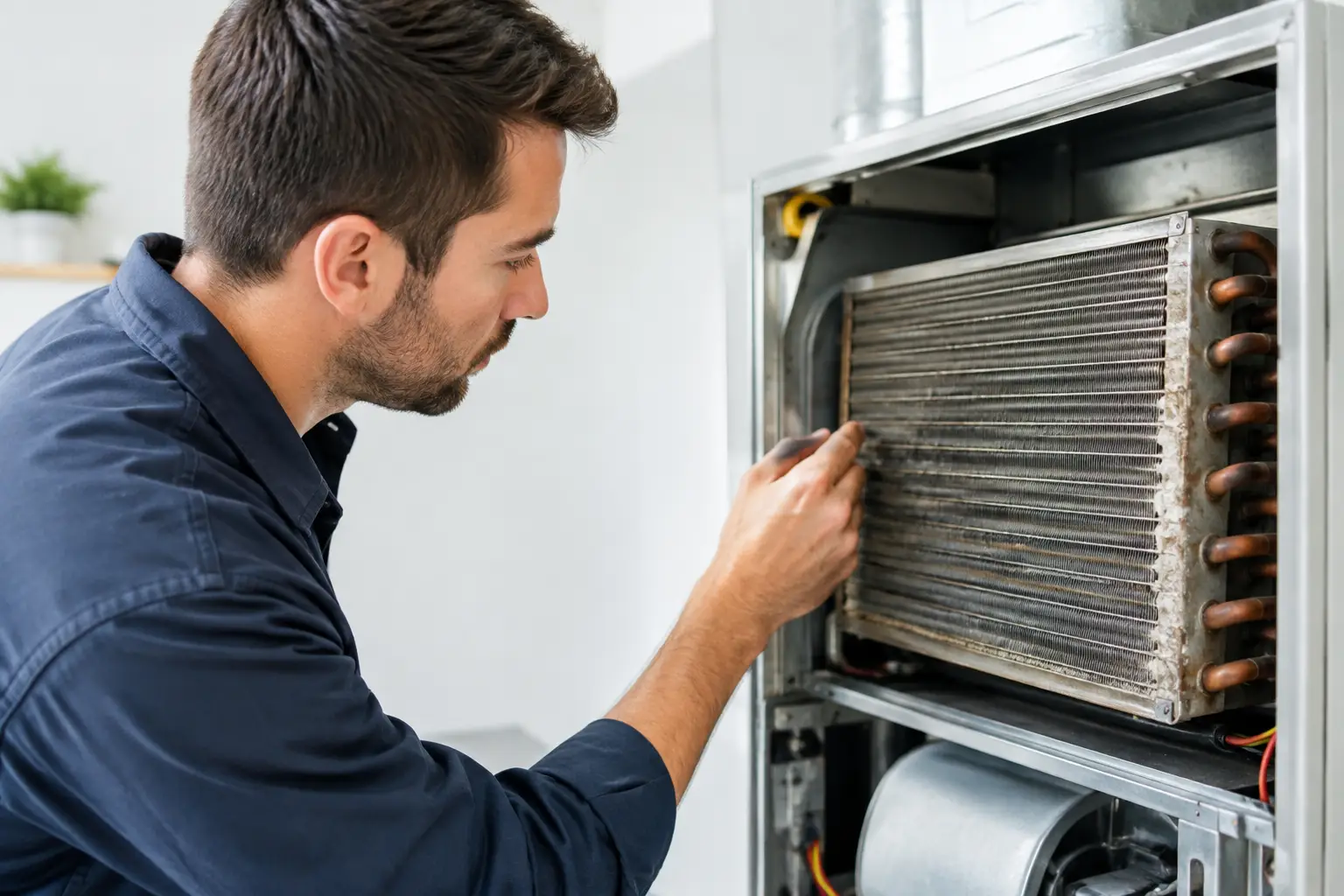

A heat pump has to do more than look efficient on a product sheet. It needs to keep your home comfortable through Chicago’s cold snaps, manage summer humidity, fit your existing system, and operate reliably for years. Knowing how to choose heat pump equipment starts with your home’s actual needs, not simply the biggest capacity or highest efficiency number available.
For many homeowners, a heat pump can provide both heating and cooling in one system. For others, especially those with boilers or older homes, it may work best alongside the heating equipment they already depend on. A careful in-home evaluation helps separate a sound long-term investment from a system that is oversized, undersized, or poorly matched to the property.
Start With How Your Home Uses Heat and Cooling
Every home loses and gains heat differently. Square footage matters, but it is only one part of the equation. Ceiling height, window quality, insulation, air leakage, sun exposure, number of occupants, and room layout all affect the capacity a heat pump needs.
A proper load calculation measures these factors instead of relying on a simple rule of thumb. This is particularly important in Chicago, where equipment must handle humid summer days and winter temperatures that can fall well below freezing. An installer should inspect the home, ask about comfort concerns, and account for areas that never seem to stay at the right temperature.
An oversized heat pump can cycle on and off too often. That can reduce humidity control, create uneven temperatures, and add unnecessary wear. An undersized system may run for long periods without meeting demand during extreme weather. Right-sizing supports comfort, efficiency, and dependable operation.
Consider the rooms that are hardest to keep comfortable
A system selection conversation should include the second-floor bedroom that overheats in July, the drafty back addition, or the storefront area where customers sit near an exterior door. These details may point to duct improvements, zoning, insulation work, or a ductless solution rather than a larger central unit.
If your home has existing ductwork, its condition matters just as much as the equipment. Leaky, undersized, or poorly designed ducts can limit airflow and waste conditioned air. A quality installation addresses the whole system, not only the outdoor unit.
How to Choose a Heat Pump for Chicago Winters
Not all heat pumps deliver the same heating output as outdoor temperatures drop. If you are considering a heat pump as your primary heat source, ask specifically about cold-climate performance, including how much capacity the unit can maintain in low temperatures.
Modern cold-climate heat pumps can perform well in demanding winter conditions when they are correctly selected and installed. Still, the best setup depends on your home, insulation level, electrical capacity, and backup-heating plan. Some homes are well suited to an all-electric system. Others benefit from a dual-fuel arrangement, where a furnace provides supplemental heat during the coldest weather. Homes with boilers may use heat pumps for cooling and milder-weather heating while retaining the boiler for deep winter conditions.
There is no one right answer for every property. The goal is reliable comfort without asking one piece of equipment to do a job it is not designed to handle.
Understand backup heat before installation day
Backup heat is not a failure of the heat pump. It is a planned part of some system designs. It may be electric resistance heat, an existing furnace, or another compatible heating source. The right choice balances comfort, operating costs, electrical requirements, and your tolerance for changing fuel use.
Ask when backup heat will operate and who controls that changeover. You should also understand what happens during a severe cold spell or a power interruption. Clear answers upfront prevent surprises later.
Compare Efficiency Ratings in Context
Heat pump efficiency ratings are useful, but they should not be the only deciding factor. Higher ratings can reduce energy use, yet the most efficient model on paper is not always the best value for a specific house.
For cooling, look at SEER2, which reflects seasonal efficiency. For heating, review HSPF2 and the unit’s performance at lower outdoor temperatures. Your HVAC professional can explain what those numbers mean for the system design instead of presenting them as a sales pitch.
Also consider features that affect daily comfort. Variable-speed equipment can adjust output more gradually than single-stage equipment, often improving temperature consistency and humidity removal. It may be a strong fit for homes where comfort varies from room to room, although it requires proper installation and compatible controls to deliver its potential benefits.
A more basic system may be appropriate when the home has straightforward needs and a limited project scope. The best decision weighs expected performance, repairability, warranty coverage, and installation quality alongside efficiency.
Decide Between Central, Ductless, and Hybrid Designs
The right heat pump configuration depends largely on your home’s infrastructure.
A central ducted heat pump is often a practical choice when ducts are in good condition and serve the home evenly. It can replace an existing central air-conditioning system while adding heating capability. If ducts need significant repair or cannot reach certain rooms, that should be addressed before assuming a central system will solve every comfort issue.
A ductless mini-split system can be an excellent option for additions, attic conversions, garden units, smaller commercial spaces, and homes without ductwork. Indoor units serve individual zones, giving occupants more control over room temperatures. The trade-off is that placement, appearance, and the number of indoor units require thoughtful planning.
A hybrid approach can make sense for homes with an existing furnace or boiler that still has useful life. The heat pump handles cooling and a portion of the heating season, while the existing equipment remains available for very cold conditions. This approach can be especially practical when a full system conversion is not the right fit today.
Look Beyond the Equipment Quote
A heat pump is a major home system, and the installation details have a direct effect on performance. When reviewing proposals, make sure you know what work is included. A clear scope should address electrical needs, thermostat or control upgrades, condensate drainage, outdoor-unit placement, duct modifications if needed, permits, startup testing, and cleanup.
The outdoor unit needs adequate clearance and a stable location that considers snow accumulation, drainage, service access, and noise. Indoor equipment needs proper airflow and safe electrical connections. These are not minor details. They influence efficiency, reliability, and future service access.
Choose a licensed and insured contractor with trained technicians who can explain the recommendation in plain language. You should receive honest upfront pricing and a clear explanation of why a particular system size and design were recommended. Be cautious of anyone who recommends equipment without inspecting the property or who pressures you to choose immediately.
Plan for Maintenance and Long-Term Reliability
Like furnaces and air conditioners, heat pumps need routine professional maintenance. Seasonal service helps verify refrigerant performance, electrical connections, drainage, airflow, controls, and the condition of both indoor and outdoor components. It also gives technicians an opportunity to catch small concerns before they become no-heat or no-cooling calls.
Homeowners can support reliable operation by keeping the area around the outdoor unit clear, replacing filters as recommended, and reporting unusual sounds or uneven comfort early. Service involving electrical components or refrigerant should always be left to a qualified HVAC professional.
Before making a final decision, ask who will support the system after installation. Shad Heating & Cooling approaches heat pump recommendations with the full life of the equipment in mind, including maintenance, repairs, and the comfort of the people using the space every day.
The best heat pump choice is the one that fits your property, your winter plan, and your expectations for reliable comfort. Take the time to request a thorough assessment, ask direct questions, and choose a system designed for your home rather than a one-size-fits-all recommendation.
Written by the Shad Heating & Cooling team
Frequently Asked Questions
Can a heat pump heat a home during a Chicago winter?
Yes, many modern cold-climate heat pumps can provide effective heating in Chicago. The right capacity, installation design, and backup-heating plan depend on the home and its existing equipment.
Do I need to replace my furnace to install a heat pump?
Not always. A heat pump can sometimes work with an existing furnace in a dual-fuel setup. In homes with boilers, it may also complement the current heating system rather than replace it immediately.
Is a heat pump louder than a traditional air conditioner?
Sound levels vary by model and installation location. Proper placement, stable mounting, and correct setup help keep operating noise manageable around your home or business.
How long does a heat pump installation take?
Project timing depends on the system type, ductwork, electrical work, permits, and site conditions. A professional assessment can provide a clear schedule before work begins.