
A loud air conditioner can turn a normal summer day into a concern fast. If you are asking, “why is my AC loud,” the answer often depends on the type of sound, where it is coming from, and whether it started suddenly. Some sounds are minor and may only need an adjustment. Others can point to a failing part that could cause more damage if the system keeps running.
Your air conditioner should make some noise. You may hear a gentle rush of air, the click of a thermostat, or the low hum of the outdoor unit starting up. What it should not do is bang, grind, shriek, repeatedly buzz, or rattle hard enough to interrupt a conversation. Paying attention early can protect your comfort, your equipment, and your budget.
Why Is My AC Loud? Start With the Type of Noise
Noise is one of the clearest clues an HVAC technician has before inspecting the system. The same general sound can have more than one cause, so it is best not to assume a diagnosis from sound alone. Still, these common noises can help you decide how urgently to schedule service.
Banging or clanking
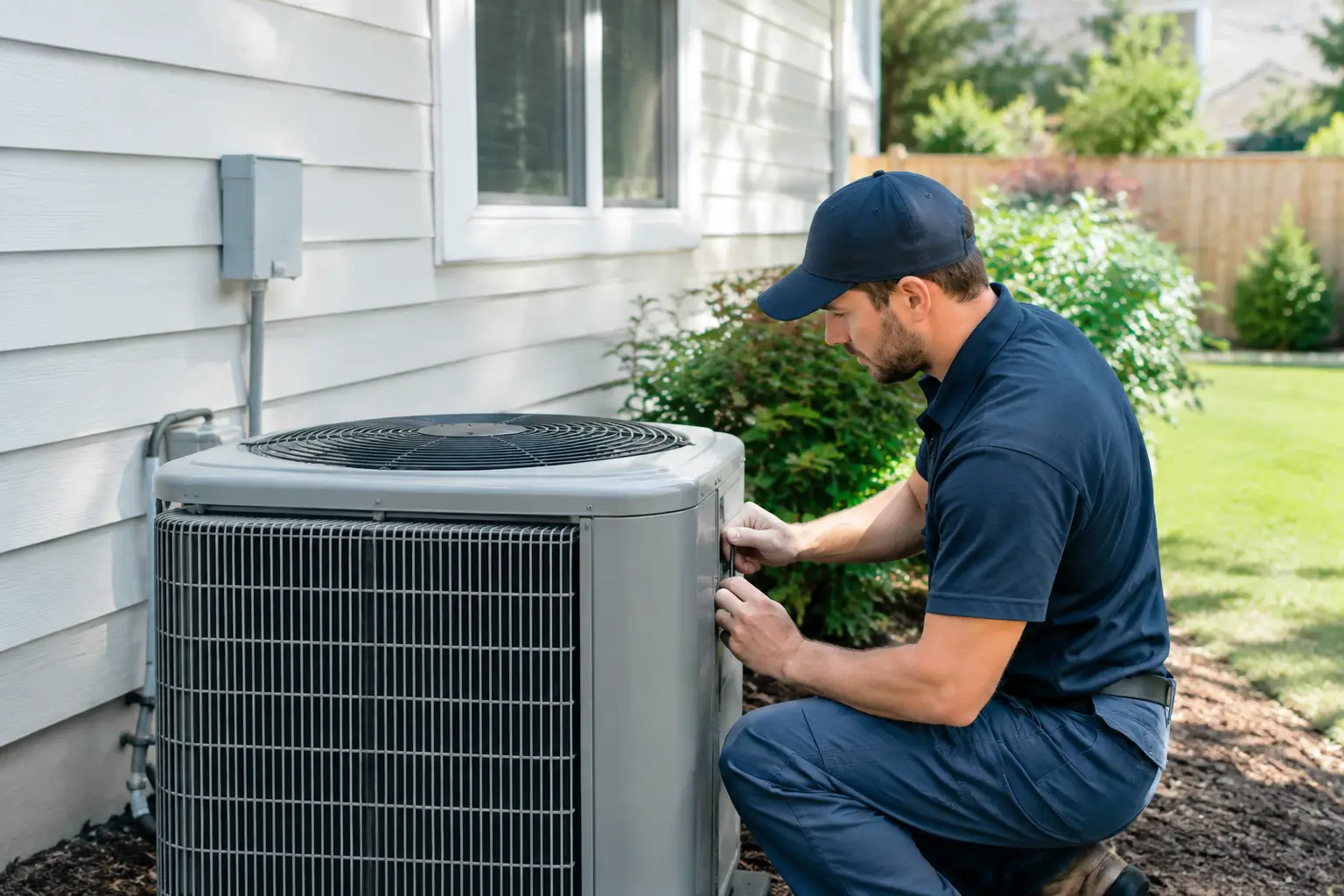
A sharp banging or clanking noise from the outdoor condenser can mean a loose or damaged component. The fan blade may be striking something inside the cabinet, a mounting bracket may have loosened, or a compressor-related part may be failing.
If the noise begins suddenly and is loud, turn the cooling system off at the thermostat and arrange a professional inspection. Continuing to run a unit with a loose internal part can damage the fan, motor, coil, or compressor. A technician can safely inspect the cabinet, secure components, and determine whether a repair is practical or whether another issue is driving the noise.
Rattling or vibrating
Rattling is often less severe, but it still deserves attention. Loose access panels, fasteners, line-set covers, or nearby debris can create vibration. In older Chicago homes, vibration can also travel through a window frame, wall opening, or metal ductwork and make the noise seem worse than it is.
A rattle that happens only when the system starts or stops may be related to normal vibration amplified by a loose panel. A rattle that continues throughout the cooling cycle could indicate a worn fan motor, damaged fan blade, or loose component. The difference matters, which is why a proper inspection is more reliable than simply tightening whatever is visible.
Squealing or screeching
High-pitched squealing can be associated with a blower motor, outdoor fan motor, or worn moving parts. In some systems, a belt-driven blower can produce a squeal when the belt is worn or misaligned. Many modern systems do not use belts, so the sound may instead point to bearings or a motor under strain.
This is not a noise to ignore for long. Motors can overheat or fail when they are forced to work against worn parts. If your AC is cooling poorly, starts and stops unexpectedly, or gives off a burning smell along with the squeal, switch it off and request service promptly.
Buzzing or humming
A steady, low hum is normal while an air conditioner runs. Loud buzzing, however, may indicate an electrical issue, a failing contactor, loose wiring, a struggling motor, or debris interfering with the outdoor fan. It can also occur when a component is trying to start but cannot operate correctly.
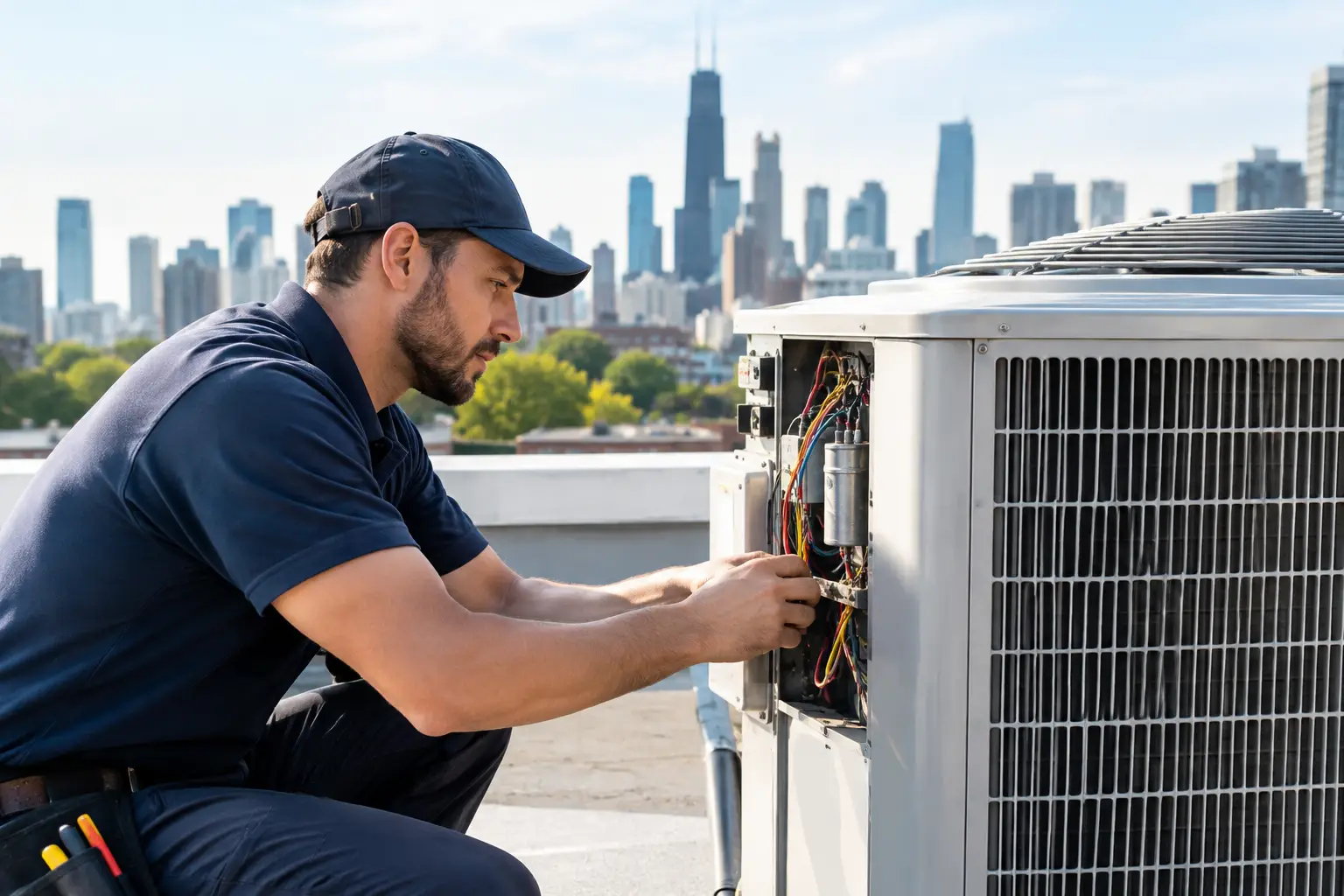
Electrical and capacitor-related problems are not DIY repairs. Keep hands away from the outdoor unit and electrical disconnect, especially if the sound is paired with a burning odor, tripped breaker, or visible damage. Turn the system off and have a licensed HVAC professional assess it safely.
Grinding or metal-on-metal sounds
Grinding is one of the more urgent AC noises. It can signal worn motor bearings or internal mechanical damage. If the sound is coming from the outdoor unit, the fan motor may be struggling. If it comes from the indoor equipment, the blower assembly may need attention.
Do not keep testing the unit by turning it on and off repeatedly. That can add strain to already damaged components. Shut it down and schedule a repair visit so the source can be identified before a smaller motor repair becomes a larger system problem.
Hissing, whistling, or bubbling
Not every loud AC sound is mechanical. A whistle may come from air escaping around damaged ductwork, a loose register, or a clogged filter creating excessive airflow resistance. A hissing or bubbling sound near refrigerant lines can also indicate a possible refrigerant leak.
Because refrigerant work requires specialized equipment and handling, this needs professional service. A technician should find the source of the leak, make the appropriate repair, and verify the system is operating correctly. Simply adding refrigerant without addressing the leak is a temporary fix that does not protect long-term performance.
When a Loud Air Conditioner Needs Immediate Attention
Some air conditioner noises can wait for a standard appointment. Others justify turning the system off right away. Stop operating the AC if you hear grinding, violent banging, or persistent electrical buzzing. Do the same if the sound comes with a burning smell, smoke, water near electrical components, a repeatedly tripped breaker, or noticeably reduced airflow.
There is a trade-off here. Shutting off the system may mean losing cooling during a humid stretch, but running equipment with a serious mechanical or electrical fault can make repairs more extensive. If the indoor temperature is becoming uncomfortable, use fans, close blinds against direct sun, and contact a qualified HVAC company for guidance.
For rental properties and small commercial spaces, quick action is especially useful. A loud unit can become a tenant-comfort issue, disrupt customers, and lead to water or equipment damage if the underlying problem worsens. Document when the noise occurs and whether cooling performance has changed. Those details help speed up diagnosis.
Other Reasons Your AC May Seem Louder Than Before
Sometimes the air conditioner itself is operating normally, but its surroundings have changed. Landscaping, fencing, patio furniture, or stored items placed too close to the outdoor unit can restrict airflow and reflect sound. The condenser needs clear space around it to reject heat efficiently.
A dirty air filter can make the indoor blower work harder and increase airflow noise at vents. Homeowners can check and replace a standard accessible filter according to the manufacturer’s guidance. If the filter is clean but certain rooms have unusually loud airflow, weak cooling, or new whistling from the vents, the issue may involve ducts, dampers, or blower settings that need professional evaluation.
Age also plays a role. As an AC system gets older, motor mounts, insulation, fan assemblies, and electrical parts can wear. That does not automatically mean replacement is necessary. A dependable technician should explain the condition of the component, the expected repair, and whether the system has additional reliability concerns before recommending a larger investment.
What to Expect From a Professional AC Noise Diagnosis
A thorough visit should go beyond listening to the sound for a few seconds. The technician should inspect the indoor and outdoor equipment, check mounting and cabinet panels, evaluate fan and blower operation, inspect electrical components, and look for signs of airflow or refrigerant problems. They should also ask when the noise happens: at startup, during the full cooling cycle, only at shutdown, or only in certain weather.
At Shad Heating & Cooling, the goal is to identify the source of the noise and explain the options clearly, not to push a quick fix that leaves the underlying issue behind. You should receive transparent information about what is causing the sound, what repair is recommended, and what could happen if it is delayed.
Preventing New AC Noises
Preventive maintenance cannot prevent every failure, but it can catch many noise-producing issues before they become urgent. Seasonal service gives a technician the opportunity to check moving components, electrical connections, drainage, airflow, and overall cooling performance.
Between visits, keep the area around the outdoor unit clear, replace accessible filters on schedule, and take note when sounds change. A brief rattle may be easy to correct early. Waiting until it becomes a grinding, banging, or buzzing problem can limit repair options.
A quiet system is not just more comfortable. It is often a sign that the equipment is running with less strain. When a new noise appears, trust what you are hearing and have it checked before the hottest part of the season puts more demand on your AC.
Written by the Shad Heating & Cooling team
Frequently Asked Questions
Is it normal for an AC to make noise when it starts?
A soft click and brief hum are normal. A loud bang, repeated buzzing, or harsh vibration at startup should be inspected.
Should I turn off my AC if it is rattling?
A light rattle may not require immediate shutdown, but a loud or worsening rattle should be checked soon. Turn it off if it is paired with poor cooling, banging, or electrical symptoms.
Why is my AC loud inside the house?
Indoor noise may come from the blower, a dirty filter, ductwork vibration, or restricted airflow. A technician can identify whether the source is the air handler or the ducts.
Can a noisy outdoor AC unit affect efficiency?
Yes. A struggling fan motor, loose part, blocked airflow, or refrigerant issue can force the system to work harder and may increase energy use.