
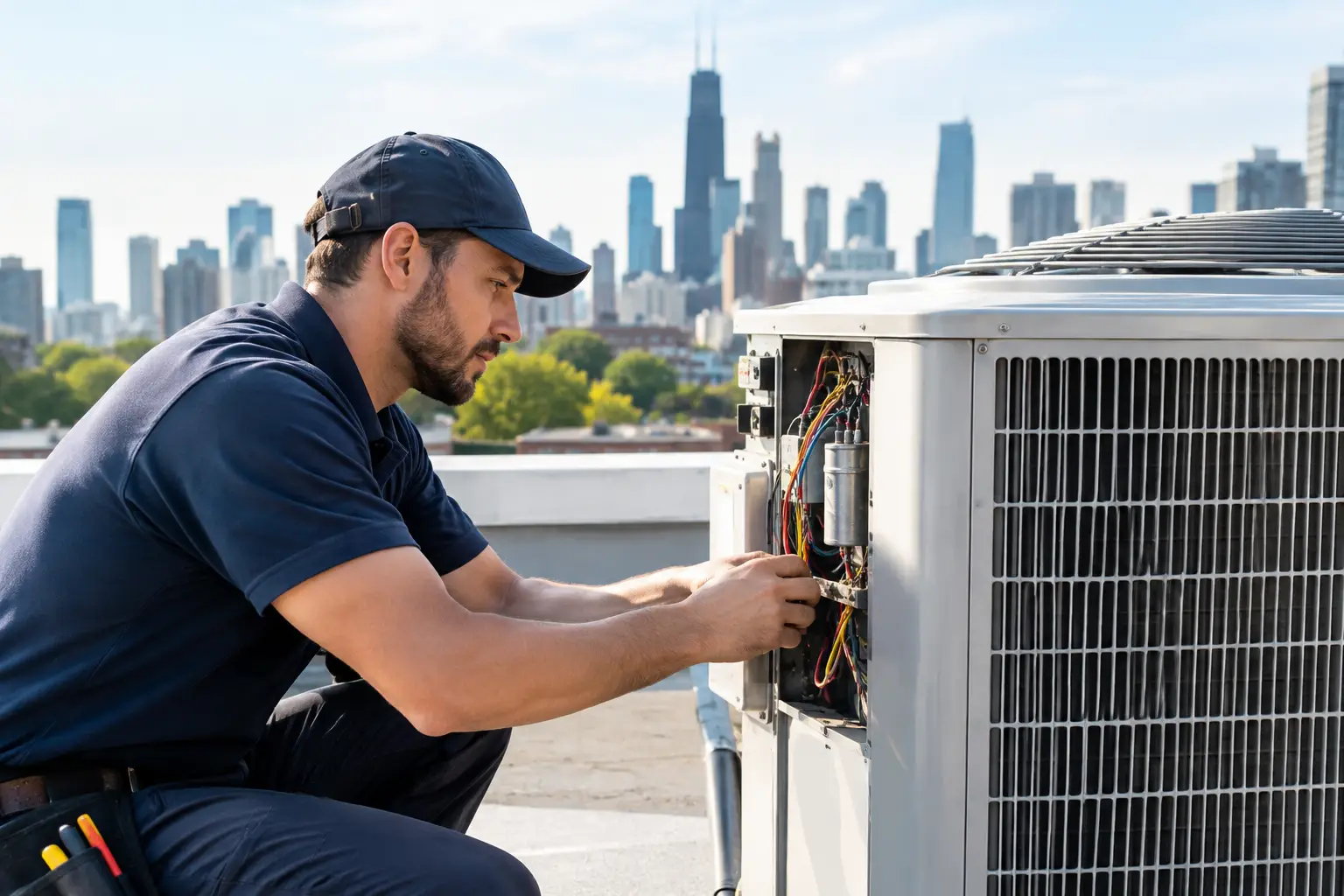
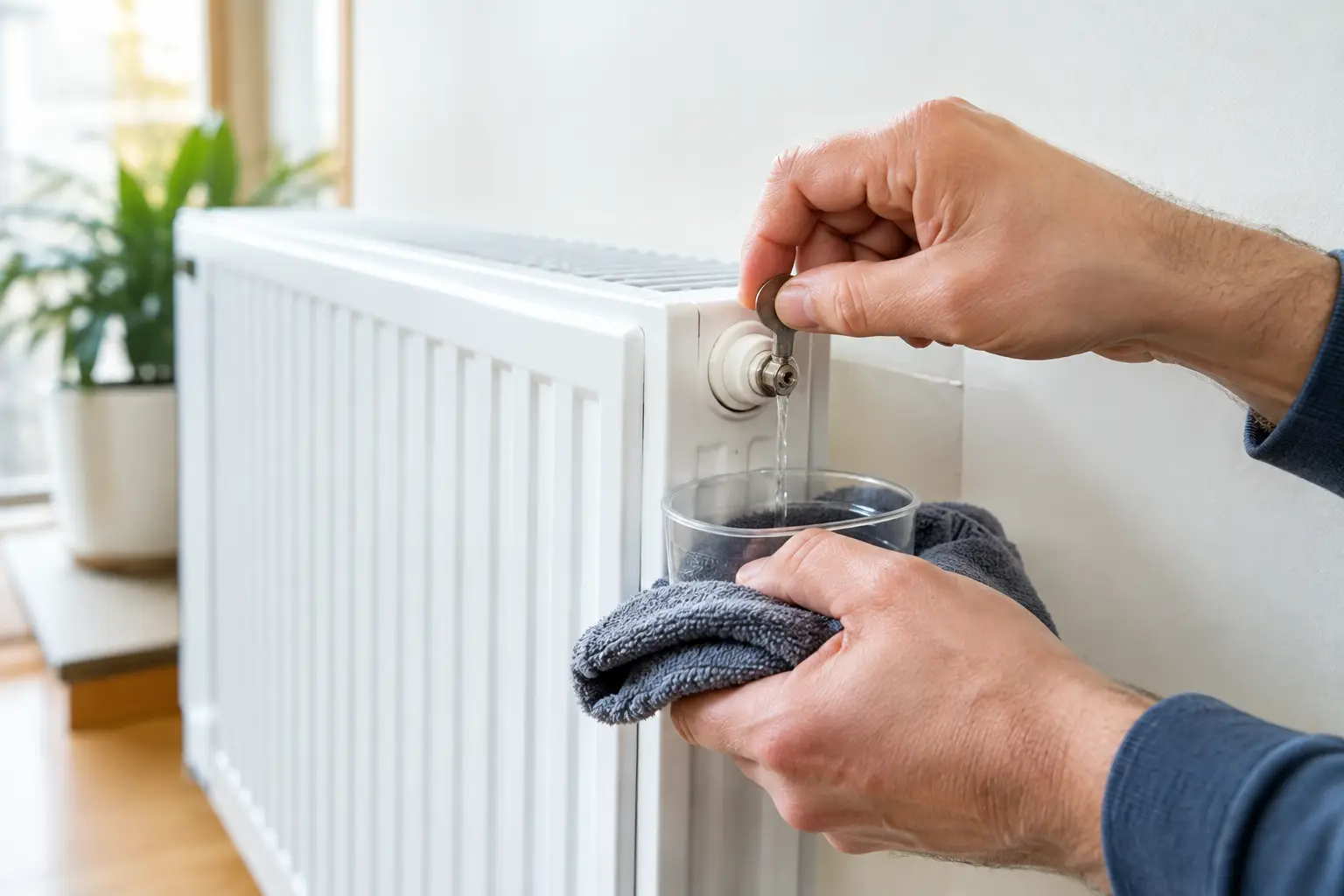
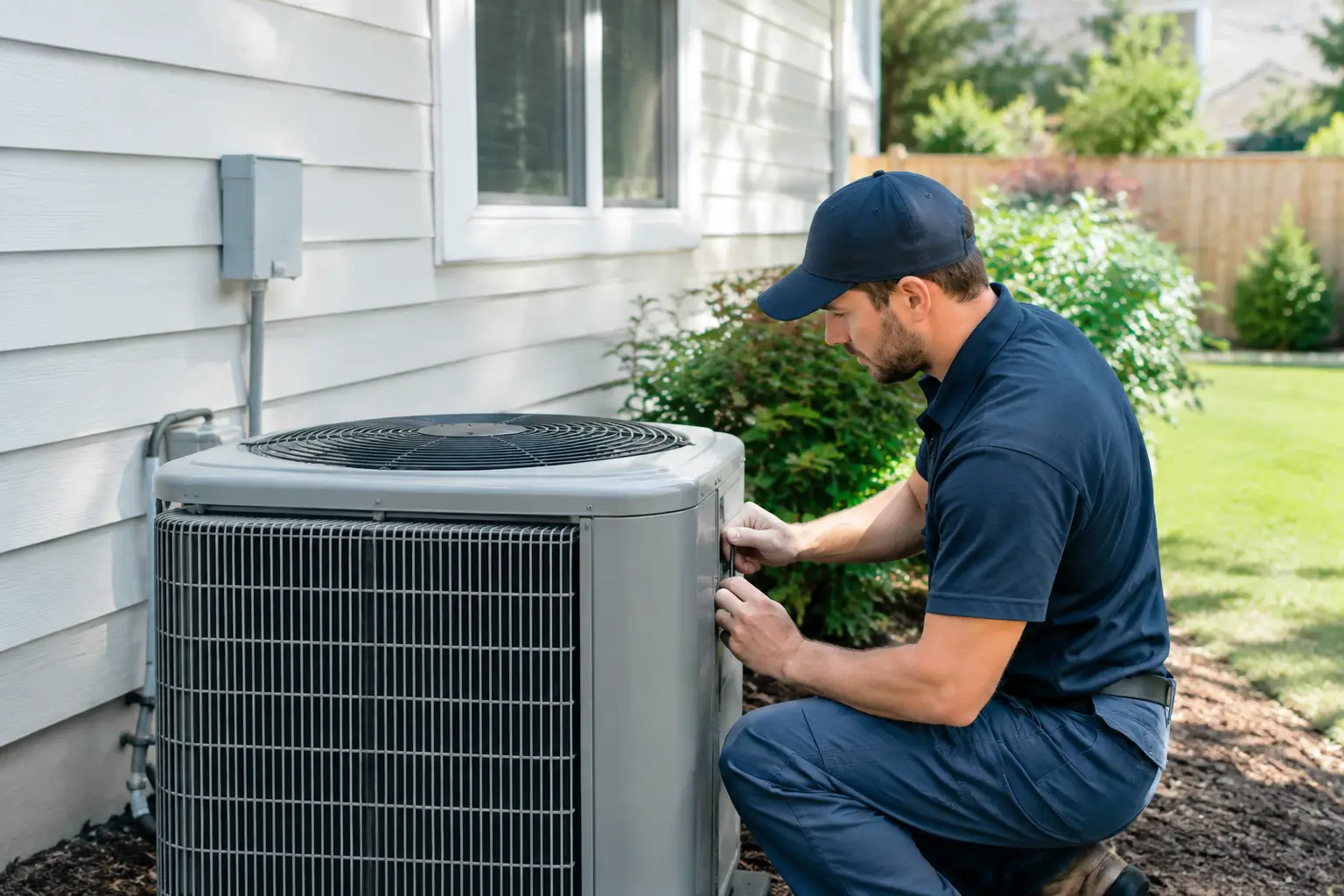
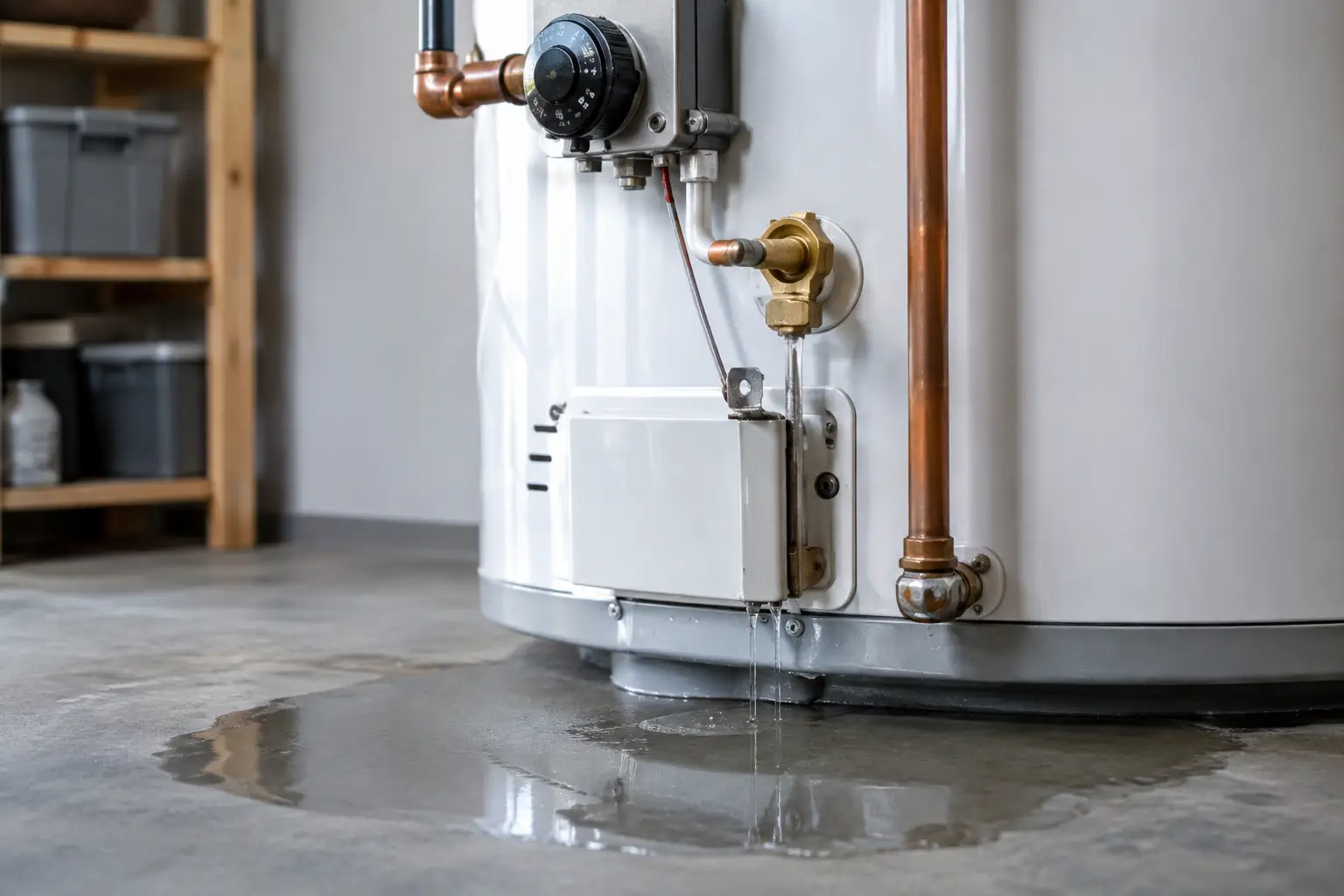
A heat pump has to handle more than a mild spring day to earn its place in a Chicago home. It needs to cool through humid summers, provide dependable heat when temperatures drop, and work with the layout, insulation, and electrical capacity of the property. That is why heat pump installation Chicago homeowners choose should begin with careful planning, not a quick equipment swap.
For the right home, a modern heat pump can deliver efficient, steady comfort in every season. The key is selecting the right system and installing it to perform under real local conditions.
Is a Heat Pump Right for Your Property?
A heat pump moves heat rather than creating it through combustion. In cooling mode, it removes heat from indoors much like a central air conditioner. In heating mode, it draws available heat from the outdoor air and transfers it inside. Even cold outdoor air contains heat energy, although the system has to work harder as temperatures fall.
Modern cold-climate heat pumps can provide useful, efficient heat well below freezing. Still, the best setup depends on your home and your expectations. A newer, well-insulated single-family home may be a strong candidate for a heat pump as its primary heating and cooling system. A vintage Chicago two-flat, a property with leaky windows, or a building with an aging boiler may benefit more from a dual-fuel or supplemental approach.
A dual-fuel system pairs a heat pump with a gas furnace. The heat pump handles much of the heating season, while the furnace takes over during extreme cold or when it is the more economical choice. This can be a practical option for homeowners who want lower energy use without giving up the fast, familiar heat of a furnace during the coldest stretches of winter.
Ductless heat pumps are another option when a home has no usable ductwork, an addition needs separate comfort control, or certain rooms never heat and cool evenly. They can also be a sensible solution for condominiums, garden units, and smaller commercial spaces where major duct renovations would be disruptive.
What Proper Heat Pump Installation in Chicago Requires
The outdoor unit is only one part of the system. Reliable performance comes from how the equipment is sized, matched, placed, connected, and commissioned. Skipping any of these steps can leave a new system struggling to keep up, cycling too often, or costing more to operate than expected.
Accurate load calculations, not guesswork
Equipment size should be based on a room-by-room heating and cooling load calculation. A qualified technician considers square footage, ceiling height, insulation, windows, air leakage, sun exposure, duct conditions, and the number of people using the space.
Installing a larger system “just to be safe” is not a safe strategy. An oversized heat pump can turn on and off too frequently, which reduces dehumidification in summer and adds unnecessary wear. An undersized system may run continuously during severe weather and still leave rooms uncomfortable. Proper sizing protects both comfort and long-term equipment reliability.
The right cold-weather equipment
Not every heat pump has the same low-temperature capacity. For Chicago properties, homeowners should ask how the proposed system performs at specific outdoor temperatures, not just review its general efficiency rating. A contractor should explain whether the unit is designed for cold climates, how much heating output it can maintain below freezing, and when supplemental heat may be needed.
Efficiency ratings matter, but they are not the whole decision. A high-efficiency unit that is poorly matched to the home or installed without proper airflow will not deliver the expected results. The goal is dependable comfort with operating costs that make sense for the property.
Ductwork, airflow, and drainage
If the heat pump uses existing ducts, those ducts need to be evaluated before installation. Leaks, undersized returns, poor balancing, and restricted airflow can limit comfort even when the new equipment is excellent. Some homes need duct sealing, adjustments, or zoning improvements to distribute air properly across multiple floors.
The indoor unit also produces condensate during cooling operation and defrost cycles. Proper drain routing and protection help prevent water issues, especially in basements, utility closets, and tight mechanical rooms. These details may not be visible after the job is complete, but they are essential to a clean, lasting installation.
Outdoor unit placement and electrical work
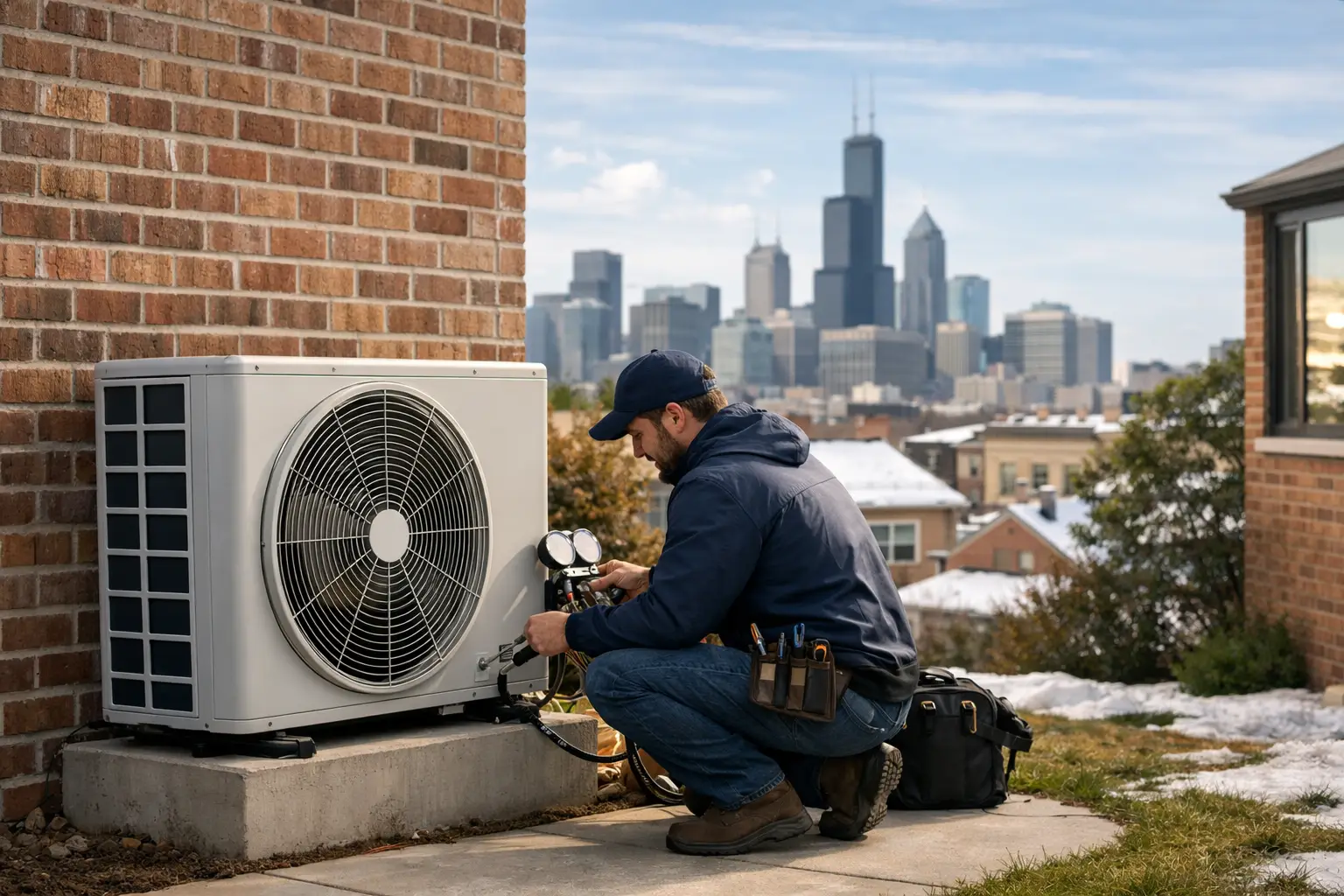
The outdoor unit needs adequate clearance for airflow, service access, and snow management. It should be installed on a secure, level base or appropriate wall bracket and positioned so drifting snow, roof runoff, and ice will not interfere with operation. Noise should also be considered when equipment is near bedrooms, patios, or neighboring properties.
Heat pumps may require electrical upgrades, including a dedicated circuit or panel evaluation. A professional installation includes confirming that the electrical system can safely support the new equipment and that all local requirements are addressed before startup.
What to Expect During the Installation Process
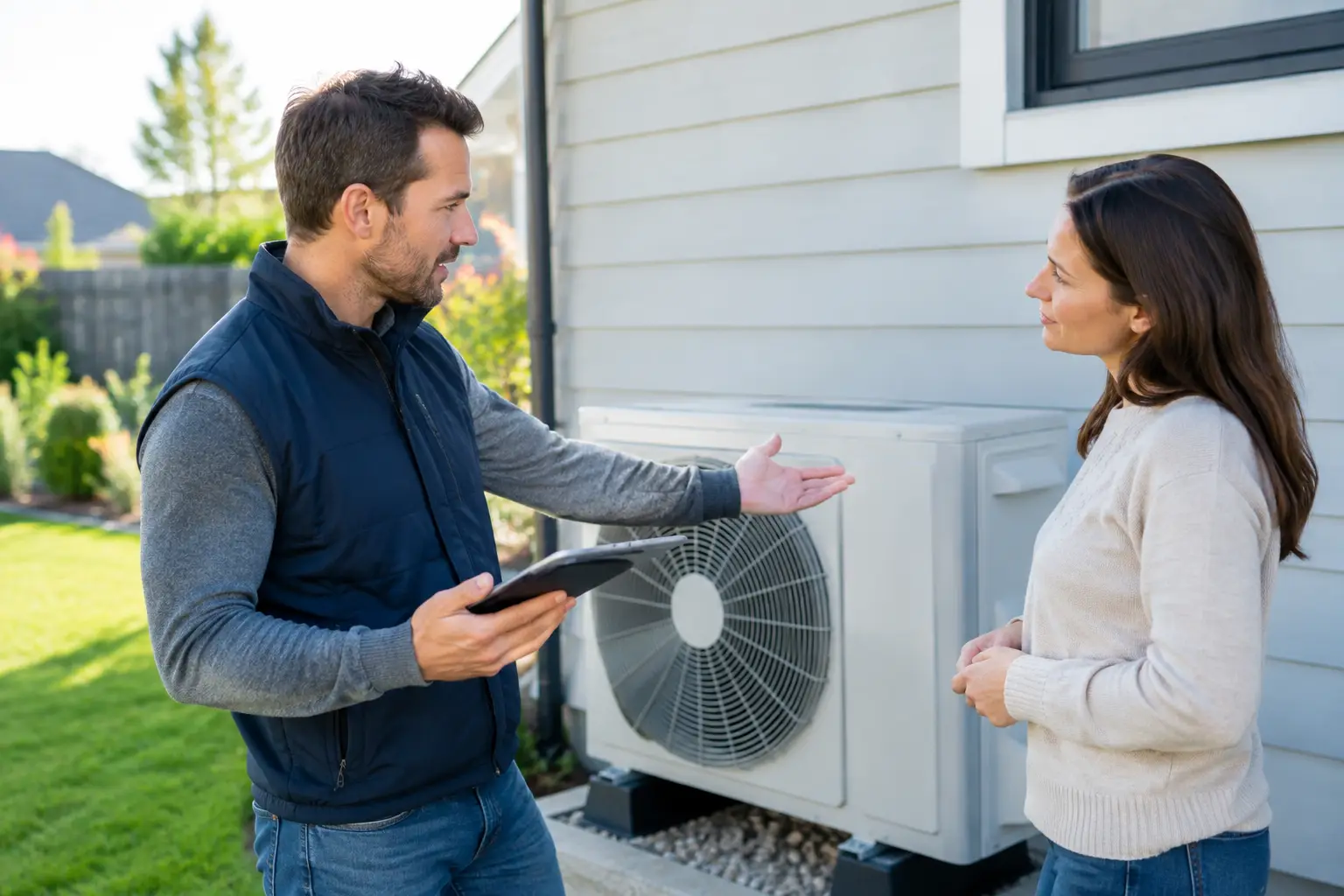
A clear process helps prevent surprises. Before recommending equipment, the contractor should inspect the home, discuss comfort concerns, review the existing system, and explain realistic options. This is the time to mention rooms that stay cold, humidity problems, unusually high utility bills, or plans to finish an attic or basement.
After the evaluation, you should receive an upfront proposal that identifies the equipment, scope of work, expected improvements, and any necessary electrical, duct, thermostat, or drainage work. Ask what is included and what could create an additional cost. Transparent pricing is especially important when replacing older equipment reveals hidden duct or wiring issues.
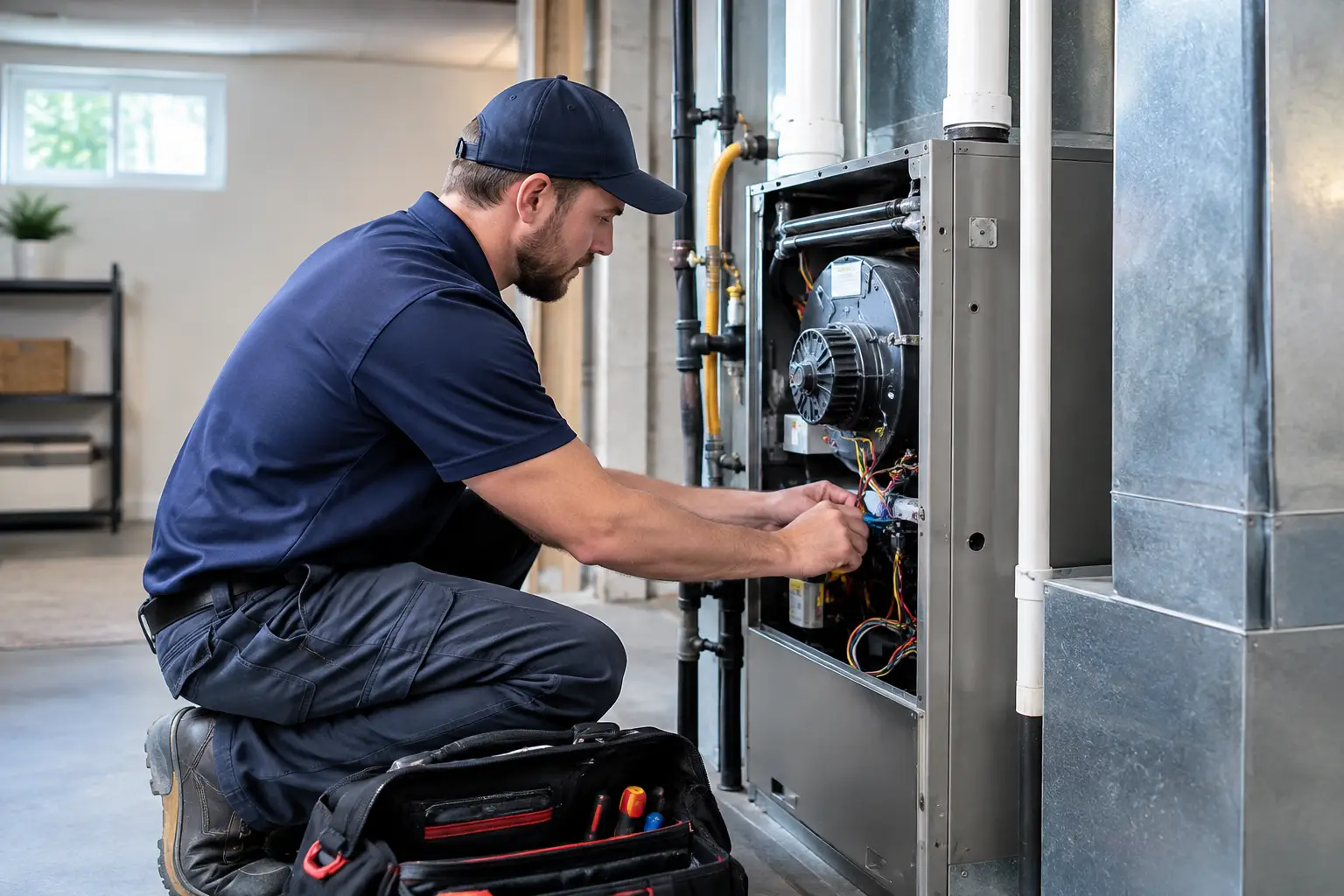
On installation day, technicians should protect work areas, remove old equipment safely, and keep the job site orderly. Once the new system is in place, the work is not finished at the first sign of warm or cool air. The installer should check refrigerant charge, airflow, electrical readings, thermostat operation, condensate drainage, and heating and cooling performance.
Homeowner orientation matters as well. You should know how to use the thermostat, change filters, recognize normal defrost behavior, and understand when to call for service. A dependable contractor will answer those questions directly rather than leaving you with a manual and a guess.
Heat Pump Costs and the Factors Behind Them
The cost of a heat pump installation varies because homes vary. System capacity, efficiency level, ducted versus ductless design, electrical upgrades, accessibility, duct modifications, and the need for a backup heat source all affect the final price.
A lower upfront quote is not always the lower-cost choice. It may exclude electrical work, skip duct repairs, use equipment with limited cold-weather output, or leave out proper commissioning. On the other hand, the most expensive system is not automatically the best fit. A good recommendation explains the trade-offs in plain language and gives you a clear reason for each option.
For landlords and property owners, consider serviceability and tenant comfort alongside the purchase price. Equipment that is properly sized, accessible for maintenance, and supported by a clear maintenance plan can help avoid repeat emergency calls and disruptive midwinter failures.
Protecting Performance After Installation
A heat pump benefits from regular maintenance just like a furnace or air conditioner. Filters should be checked routinely, outdoor equipment should remain clear of leaves and snow, and the system should receive professional seasonal service. A technician can verify airflow, electrical components, refrigerant performance, drainage, and controls before a small issue becomes a comfort problem.
In winter, do not be alarmed if the system enters a defrost cycle. This is a normal process that removes frost from the outdoor coil. However, repeated heavy ice buildup, unusual noises, weak airflow, or rooms that cannot maintain temperature deserve a prompt professional inspection.
Shad Heating & Cooling approaches heat pump work with the same priorities that matter in any major HVAC decision: accurate recommendations, honest upfront pricing, clean workmanship, and equipment selected for lasting performance. The right system should make your home easier to live in, not create new questions every time the weather changes.
Before committing to a new heat pump, ask for a complete evaluation of your home rather than a quote based only on square footage. A careful installation gives you the best chance of quiet operation, balanced temperatures, efficient energy use, and reliable comfort when Chicago weather puts the system to work.