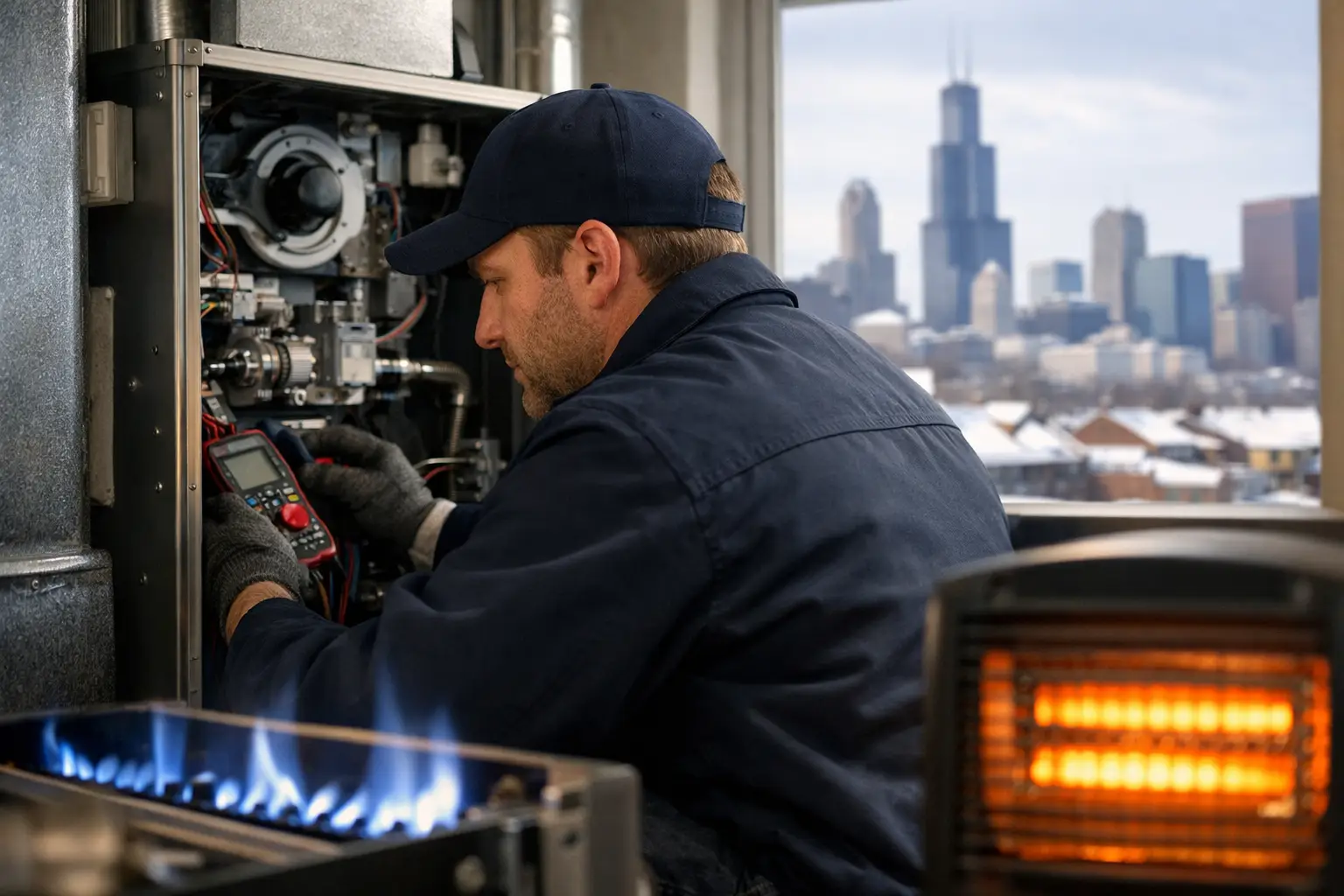
A Chicago winter can expose a furnace problem quickly. One room turns cold, the system begins cycling without warming the house, or the thermostat is set correctly but nothing happens. Chicago furnace repair should start with a careful diagnosis, not a guess or a temporary adjustment that leaves the underlying issue waiting for the next cold night.
For homeowners, landlords, and small-business owners, the goal is straightforward: restore safe, dependable heat with a clear explanation of what failed, what it takes to fix it, and what to expect from the cost. A qualified technician can separate a minor operating issue from a repair that needs immediate attention.
When Chicago Furnace Repair Is Urgent
Not every furnace issue is an emergency, but some warning signs should never wait for a convenient appointment. If you smell gas, leave the building without turning electrical switches or appliances on and off. From a safe location, contact your gas utility and emergency services as appropriate. Do not try to locate the leak or restart the furnace yourself.
A carbon monoxide alarm is another urgent warning. If it sounds, get everyone outside immediately and call emergency services. Headache, dizziness, nausea, confusion, or unusual fatigue can also be symptoms of carbon monoxide exposure. A furnace with a cracked heat exchanger, blocked venting, or combustion problem can create a serious safety risk, which is why alarms should be installed and working on every level of the home.
Loss of heat during freezing weather also deserves a fast response. Frozen pipes can cause extensive water damage, especially in vacant units, rental properties, basements, and areas with exterior plumbing. Keep interior doors open where possible, protect exposed pipes, and arrange professional service promptly rather than repeatedly resetting the system.
Signs Your Furnace Needs Professional Attention
Furnaces often provide early clues before they stop completely. Paying attention to these changes can help you schedule a repair before a cold-weather breakdown becomes an after-hours emergency.
Uneven heating is one common concern. If the first floor is comfortable while bedrooms remain cold, the cause might be a furnace performance issue, restricted airflow, ductwork problems, thermostat placement, or a zoning concern. The right repair depends on the diagnosis. Simply increasing the thermostat setting may make the system run longer without solving why heat is not reaching part of the home.
Short cycling is another sign worth checking. This happens when the furnace starts, runs briefly, shuts down, and repeats. A dirty filter can contribute, but so can an oversized system, a dirty flame sensor, a venting issue, overheating, or a thermostat problem. Frequent cycling increases wear and can raise utility costs, so it should not be treated as normal.
New noises also deserve attention. A brief whoosh at ignition can be normal on some equipment, but banging, scraping, rattling, squealing, or repeated clicking are not sounds to ignore. They may point to loose components, a failing blower motor, ignition trouble, or duct expansion. The sound alone does not identify the repair, but it gives the technician a useful starting point.
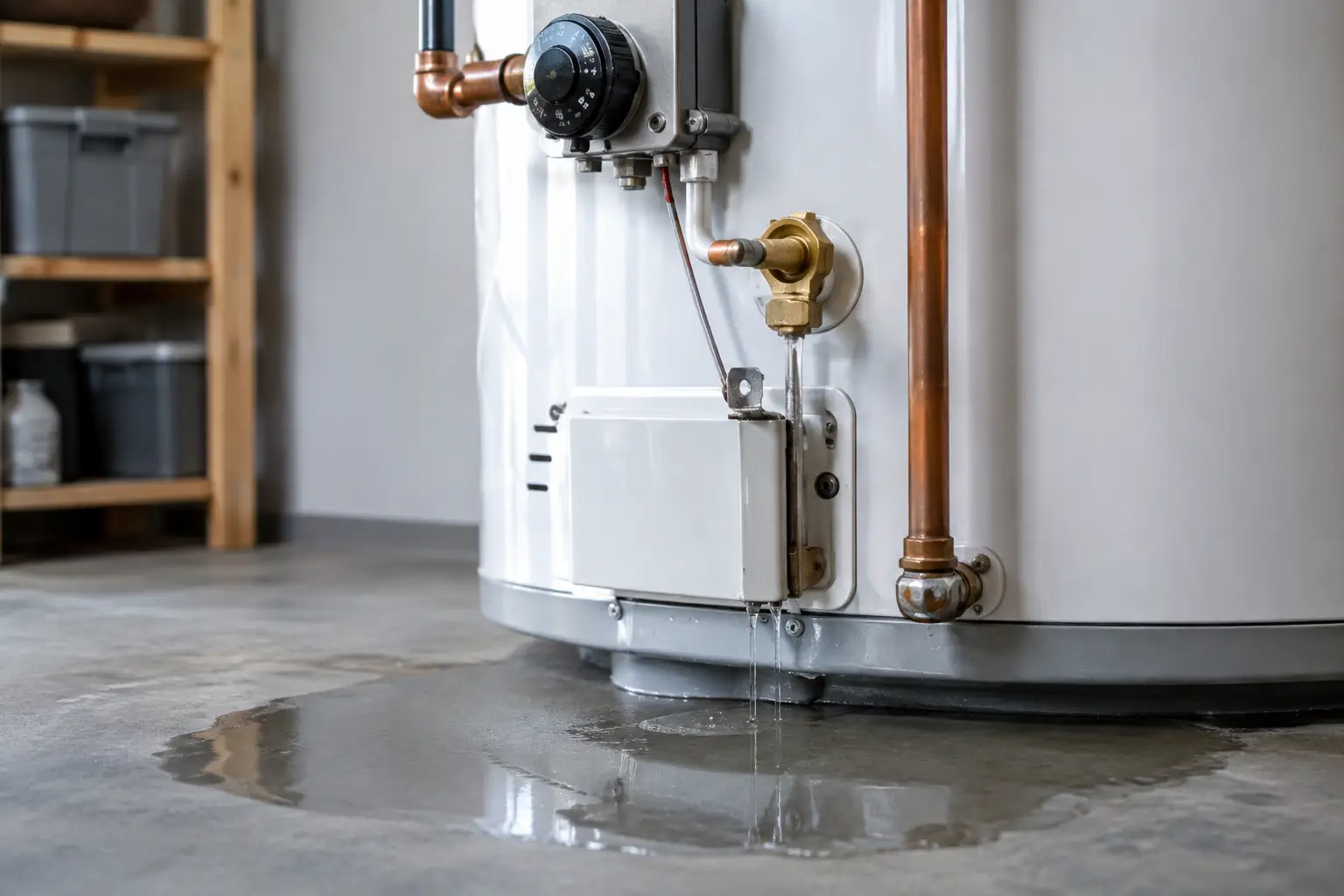
Other signals include cool air from the vents, weak airflow, a yellow furnace flame instead of a steady blue flame, water around a high-efficiency furnace, or a noticeable jump in heating bills. In multifamily buildings and small commercial spaces, complaints from tenants or employees about inconsistent comfort can be the first indication that a system is falling behind.
What a Thorough Furnace Repair Visit Should Include
A dependable repair begins with listening. The technician should ask when the issue started, whether it is constant or intermittent, what changes you have noticed, and whether the furnace has been serviced recently. Details such as a recent power outage, a new thermostat, construction dust, or a clogged filter can matter.
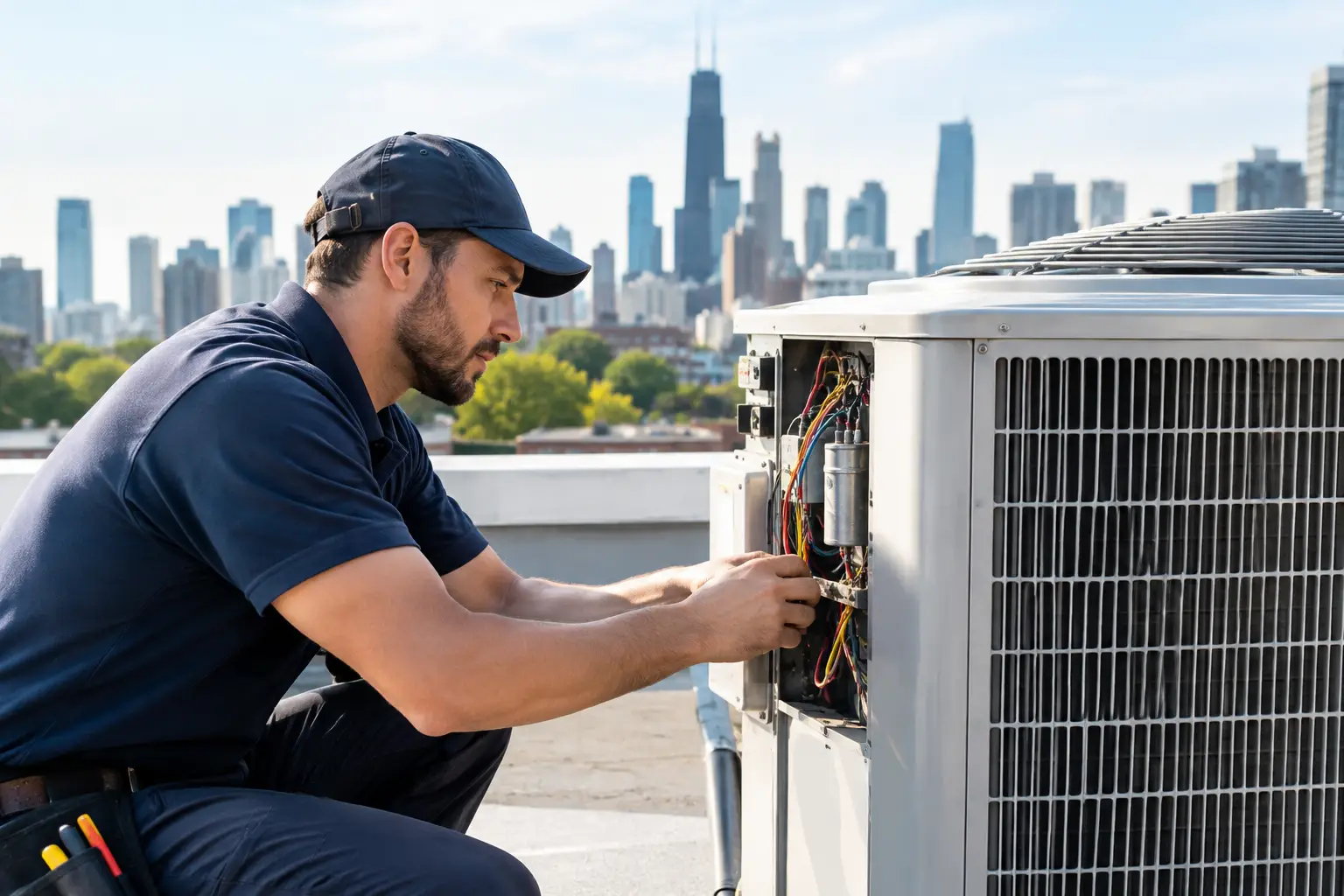
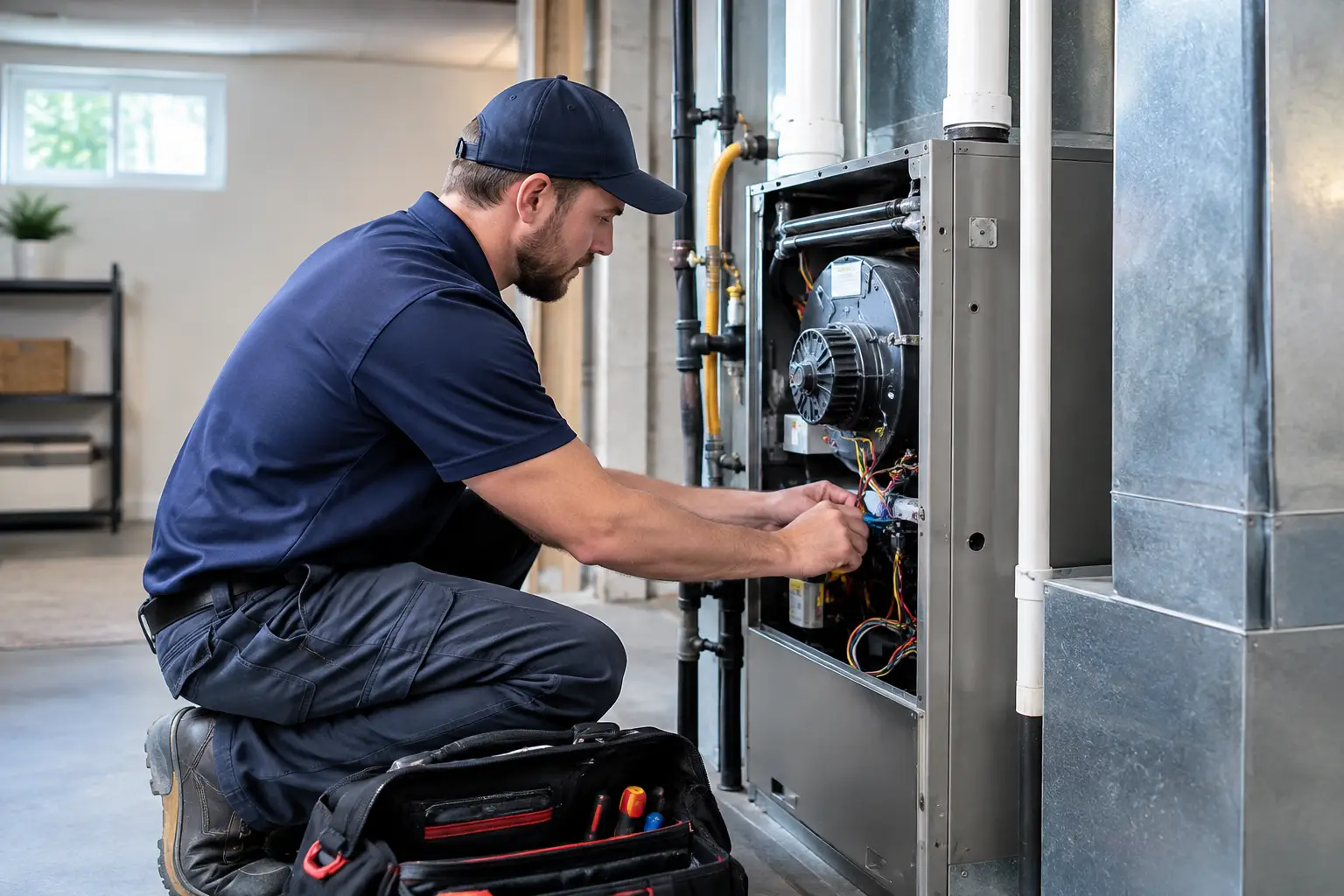
From there, a professional diagnosis examines the whole operating sequence. That can include thermostat operation, electrical connections, safety switches, ignition components, gas pressure where applicable, burners, flame sensor performance, blower operation, condensate drainage, filters, venting, and airflow. The goal is to confirm the actual cause before replacing a part.
Once the problem is identified, you should receive an understandable explanation and honest upfront pricing. A trustworthy contractor will explain whether the repair addresses the root cause, whether related wear should be monitored, and whether the part is available immediately. They should not use a no-heat call to pressure you into replacing equipment that can be safely and reliably repaired.
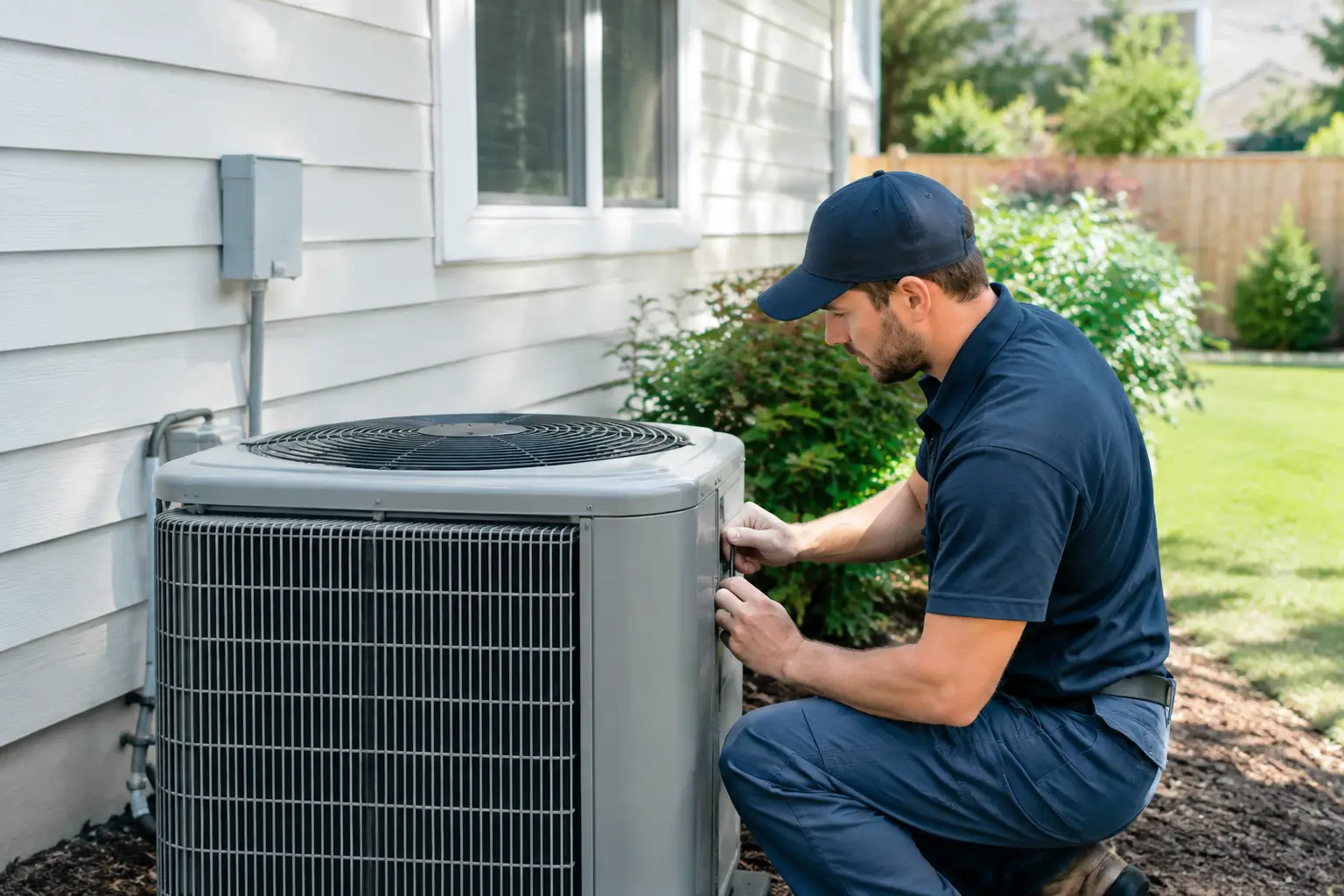
Clean workmanship matters, too. Furnace service takes place in your home, apartment building, or business, often in a basement, utility closet, or mechanical room. The work area should be respected, equipment should be tested after repair, and the technician should confirm that the system is producing heat and operating safely before leaving.
Repair or Replace? The Decision Depends on More Than Age
A furnace that needs repair is not automatically a furnace that needs replacement. Many issues, including failed igniters, sensors, capacitors, blower components, pressure switches, and control problems, can be repaired effectively. If the equipment has been maintained, the repair is reasonably priced, and the furnace is otherwise operating safely, repair may be the sensible choice.
Replacement becomes a stronger consideration when repairs are becoming frequent, a major component has failed on an older unit, efficiency is poor, or a safety-related issue cannot be resolved economically. A cracked heat exchanger, for example, requires a serious conversation about equipment replacement rather than a shortcut. The same is true when the cost of a major repair approaches a meaningful portion of a new system’s cost.
Age matters, but it is not the only factor. Installation quality, maintenance history, sizing, indoor comfort needs, and the condition of ducts all affect how well a furnace performs. A newer furnace with airflow problems may benefit more from duct corrections or zoning adjustments than from replacement. An older furnace that has been reliable may still have useful life left after a well-executed repair.
For rental and light commercial properties, downtime matters alongside equipment cost. Property owners should consider part availability, the impact on occupants, and whether a planned replacement would be less disruptive than repeated emergency calls during winter.
Simple Steps to Take Before Calling
There are a few safe checks that can save time without putting your system at risk. Confirm that the thermostat is set to Heat and that its temperature setting is above the current room temperature. Check that the furnace power switch is on and that the circuit breaker has not tripped. Make sure the filter is not heavily blocked, and verify that exterior intake and exhaust pipes are clear of snow, ice, leaves, or debris.
Avoid repeatedly pressing the reset button, dismantling furnace panels, or bypassing safety controls. Those actions can damage equipment or conceal a problem that needs professional attention. If you are unsure, stop there and call for service.
Preventing the Next No-Heat Call
Annual maintenance is the most practical way to reduce surprise breakdowns. A pre-season furnace tune-up gives a technician the chance to clean and inspect key components, test safety controls, identify worn parts, and verify that the system is operating efficiently before severe weather arrives.
Between visits, replace filters on the schedule recommended for your system and household. Homes with pets, renovation dust, or higher occupancy may need more frequent changes. Keep supply vents and return grilles clear, and do not close off too many vents in an attempt to force heat into one room. That can restrict airflow and cause other performance problems.
For dependable Chicago furnace repair, choose a licensed and insured company that explains findings clearly, provides transparent pricing, and has the technical training to work on the equipment in your property. Shad Heating & Cooling approaches repairs with that long-term standard: address the immediate problem, protect the home, and help the system deliver reliable comfort after the technician leaves.
When your furnace starts acting differently, responding early is often the least disruptive and most cost-conscious choice. A clear diagnosis today can protect your comfort, your property, and your peace of mind when the temperature drops.