
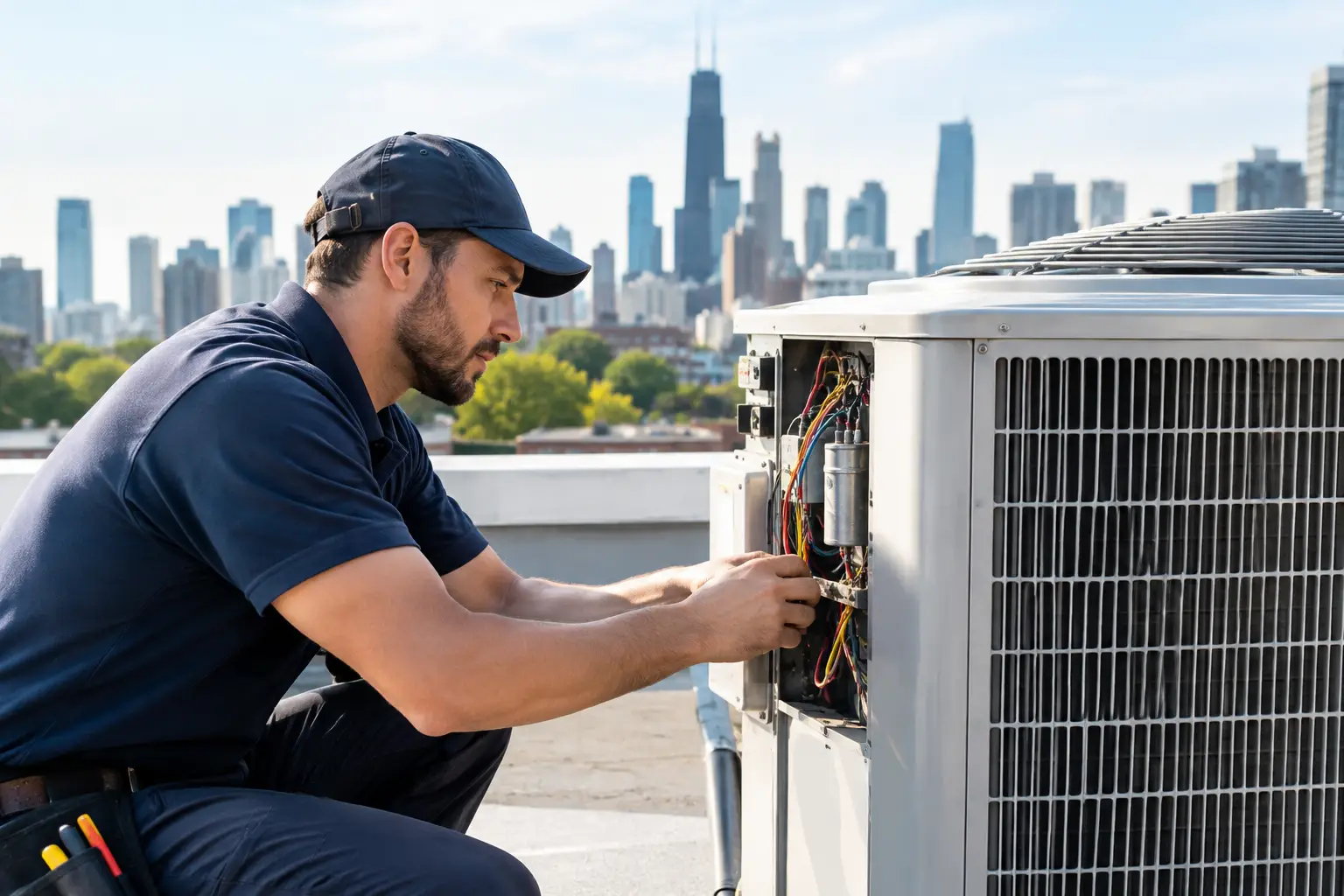
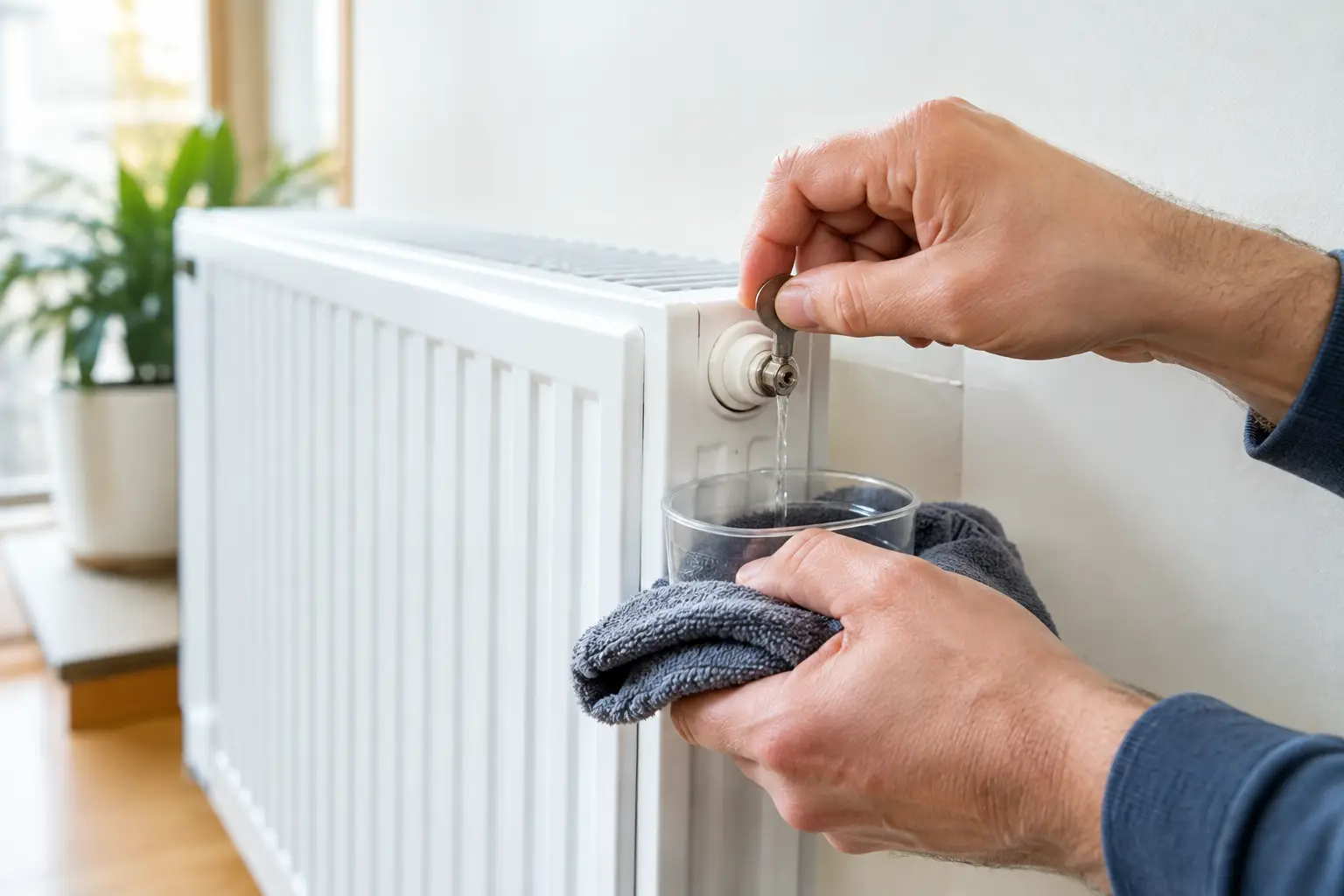
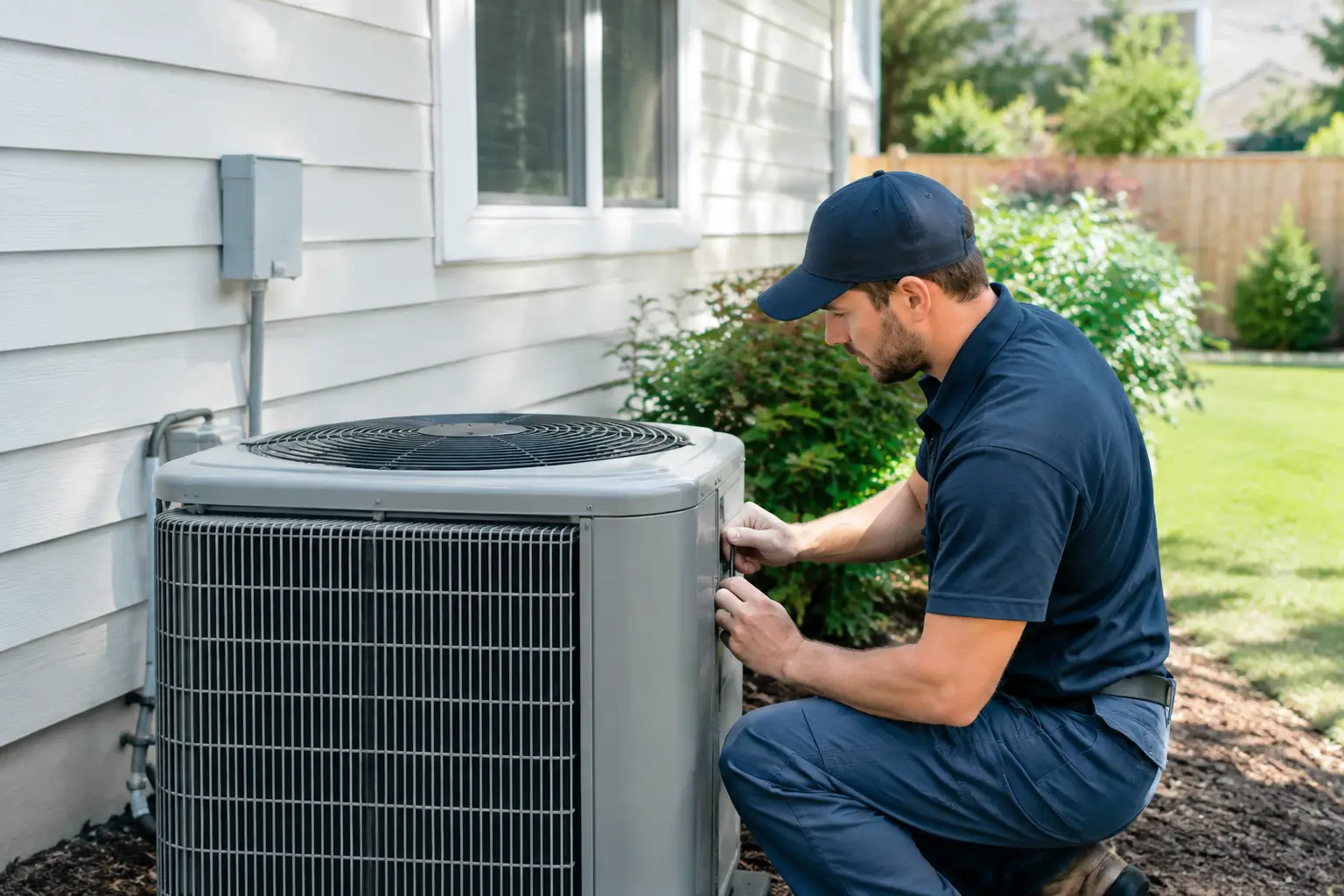
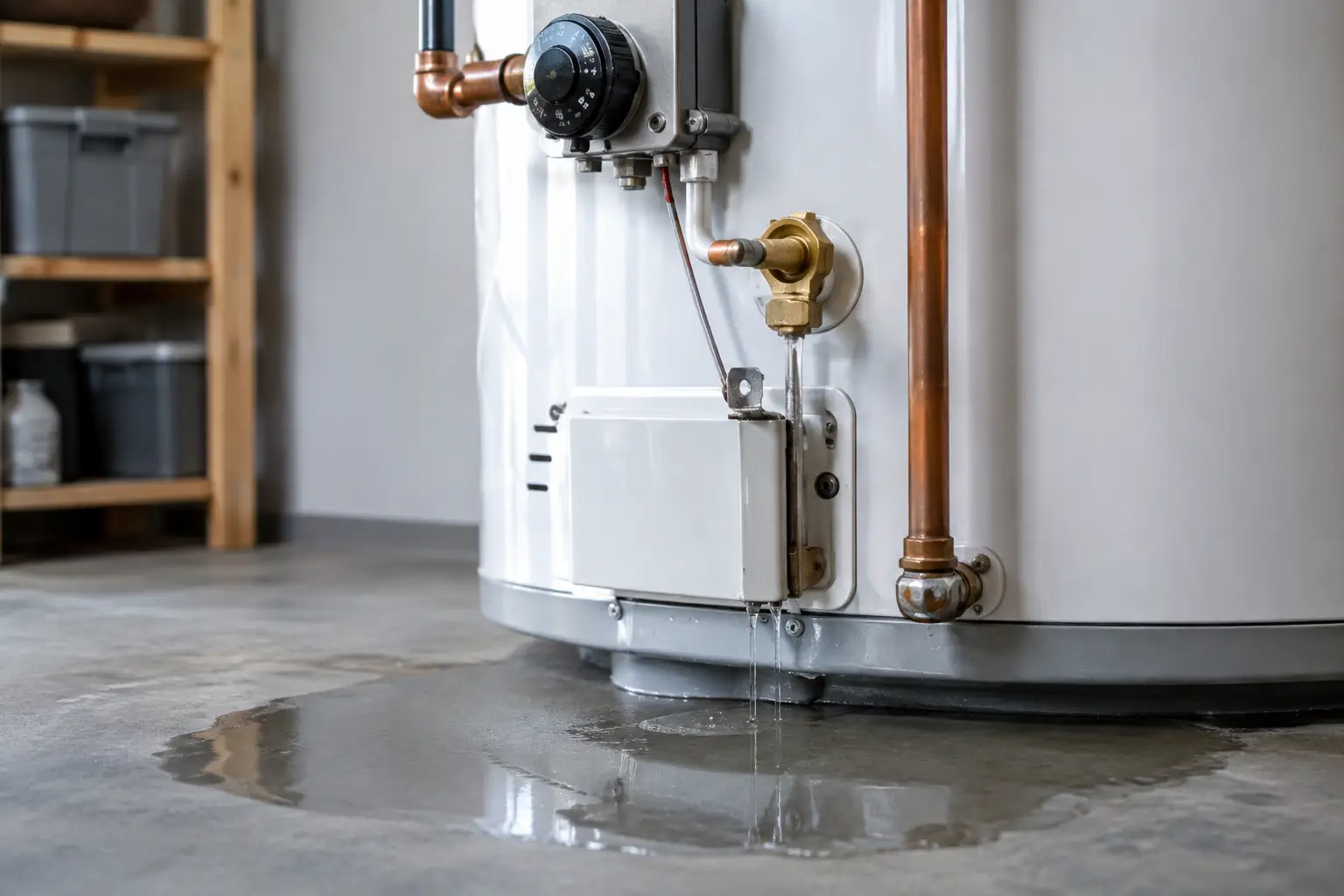
A central air conditioner rarely fails at a convenient time. It may start with warm air during a humid Chicago afternoon, a thermostat that will not hold the set temperature, or a system that suddenly shuts off while your home is full of guests. Central air conditioner repair is not only about getting cool air back. It is about finding the cause, protecting the equipment, and making a clear decision before a small problem becomes a larger one.
For homeowners, landlords, and small-business owners, the right response is usually prompt professional diagnosis rather than waiting to see if the problem goes away. A system that is running poorly can waste energy, strain major components, and leave your space uncomfortable when you need cooling most.
Written by the Shad Heating & Cooling team
When Central Air Conditioner Repair Is the Right Call
Not every cooling issue means the entire system needs to be replaced. In many cases, a trained technician can correct a worn electrical part, drainage issue, airflow restriction, thermostat problem, or mechanical fault and restore reliable operation. The key is determining whether the repair addresses the source of the problem and makes sense for the system’s age, condition, and history.
A one-time issue on a newer, well-maintained unit may be a straightforward repair. Repeated failures, declining performance, or a system nearing the end of its expected service life deserve a more detailed conversation. A trustworthy HVAC professional should explain what failed, why it failed, what the repair involves, and whether other options should be considered. You should not have to make a major comfort decision based on vague language or pressure.
Warning signs that should not be ignored
Some air conditioning problems are obvious. Others show up gradually through higher utility bills or rooms that never seem comfortable. Schedule an evaluation if you notice any of the following:
- The system blows warm or only mildly cool air while it is running.
- Cooling is uneven, with some rooms much warmer than others.
- The air conditioner starts and stops frequently without completing a normal cooling cycle.
- You hear new rattling, buzzing, grinding, banging, or persistent clicking sounds.
- Water is collecting around the indoor equipment or a drain-related safety switch has stopped the system.
- Your electric bill rises sharply even though your cooling habits have not changed.
Strange odors also deserve attention. A musty smell can point to moisture or drainage concerns, while a burning or electrical odor calls for turning the system off and requesting professional service. Do not continue operating equipment that smells hot, trips breakers, or makes loud mechanical noises.
What a Professional Air Conditioner Repair Visit Should Include
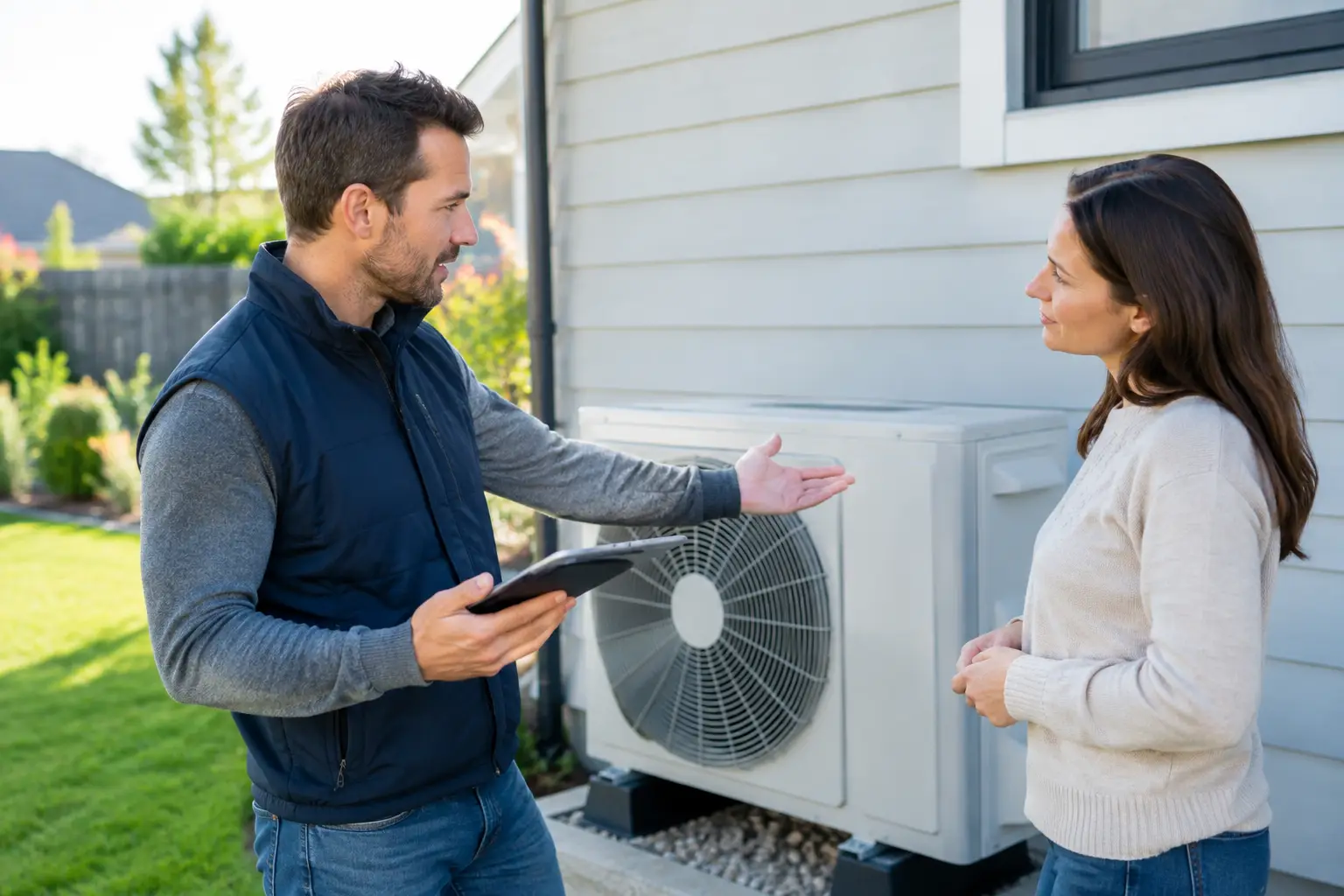
Good repair work starts with diagnosis, not guesswork. A technician should listen to what you have observed, inspect the indoor and outdoor portions of the system, and test the equipment under operating conditions when safe to do so. This approach helps separate the symptom from the actual failure.
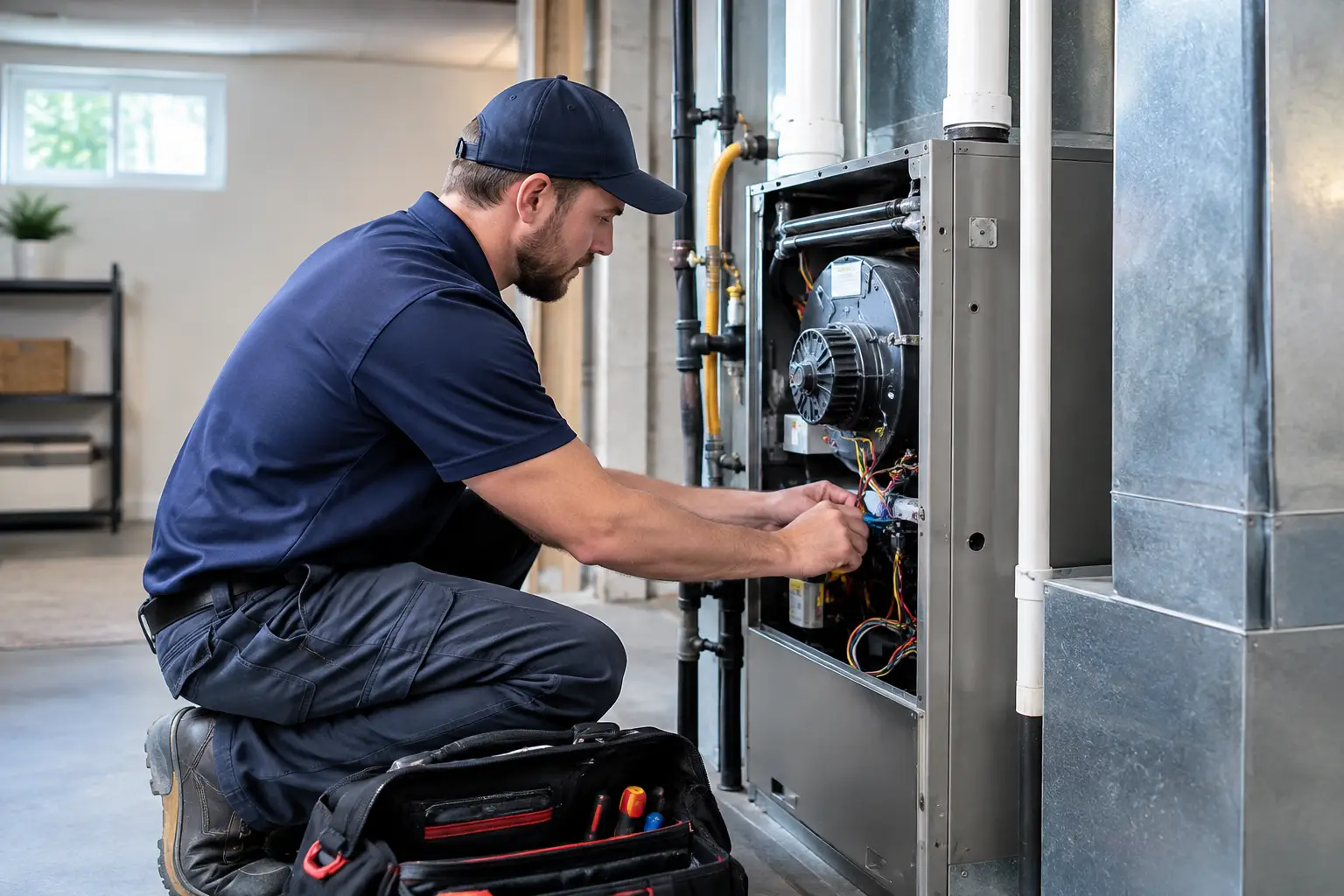
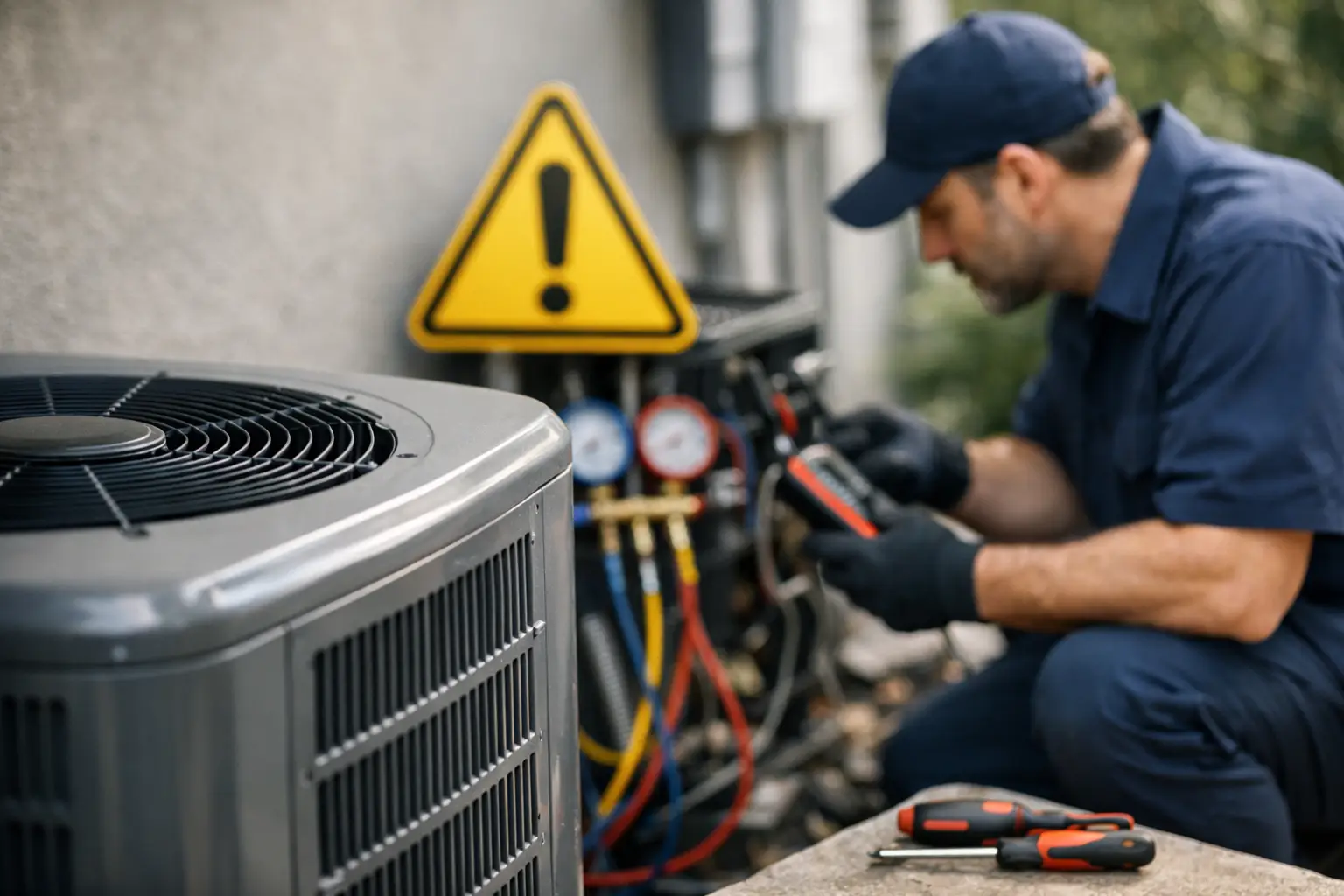
During a central air conditioner repair appointment, the technician may evaluate airflow, thermostat operation, electrical connections, system controls, condensate drainage, moving components, and refrigerant performance. They will also look for conditions that can shorten equipment life, such as a severely restricted filter, a blocked drain, dirty coils, damaged wiring, or inadequate airflow across the indoor coil.
The repair recommendation should be specific. For example, replacing a failed component may restore normal operation, but the technician should also explain if another issue contributed to that failure. That matters because temporary fixes can lead to repeat breakdowns during the hottest part of the season.
At Shad Heating & Cooling, clear findings and honest upfront pricing are part of protecting the customer. The goal is not to recommend work you do not need. It is to provide enough information for you to choose a repair or replacement option with confidence.
Why Cooling Problems Can Escalate Quickly
Central air conditioning is a connected system. When airflow is restricted or a control component begins to fail, other parts may work harder to compensate. That extra strain can reduce comfort immediately and increase the risk of additional repairs later.
A drainage concern is a good example. Air conditioners remove moisture from indoor air, especially during humid weather. If that water cannot drain properly, safety controls may shut the system down to help prevent overflow and property damage. Ignoring the shutdown or bypassing a safety feature can create a much more expensive problem.
Short cycling is another issue that deserves timely attention. When a system turns on and off too often, it may not remove enough humidity or cool the home evenly. The cause can vary, from control issues to airflow concerns or equipment sizing problems. It depends on the system and the building, which is why an on-site inspection is more reliable than a quick assumption.
Repair or Replacement: How to Make a Sound Decision
There is no single age at which every air conditioner should be replaced. Maintenance history, installation quality, repair frequency, energy use, and the condition of key components all matter. A well-cared-for system may have useful life remaining, while a neglected unit can become unreliable much sooner.
Repair is often a sensible choice when the issue is isolated and the overall system is still performing well. Replacement may deserve consideration when repair needs are recurring, comfort is consistently uneven, utility costs have climbed, or the equipment is no longer dependable enough for your home or property.
For rental and light commercial properties, reliability is especially important. An unexpected cooling outage can affect tenants, customers, inventory, and daily operations. Property owners benefit from understanding both the immediate repair need and the likely condition of the system over the next several seasons.
A professional should present the trade-offs plainly. Repairing a system can reduce immediate disruption and cost. Replacing aging equipment can improve efficiency and reduce the likelihood of repeated service calls. The best choice is the one that fits your property’s needs, budget, and long-term plans.
Preventing the Next Air Conditioning Breakdown
Preventive maintenance cannot eliminate every unexpected failure, but it can catch many developing problems before summer demand puts the system under its heaviest load. A seasonal visit gives a technician the opportunity to inspect performance, clean critical areas, test safety controls, check drainage, and identify worn parts before they fail at an inconvenient time.
Homeowners can also support better performance by keeping supply and return vents open and unobstructed, changing filters on the schedule appropriate for the home, and keeping the outdoor unit clear of leaves, debris, and stored items. These are simple care steps, not substitutes for professional service, but they help the system maintain proper airflow.
If your home has persistent hot spots, excessive humidity, or frequent temperature swings, the issue may extend beyond a single repair. Ductwork, insulation, thermostat placement, zoning, and indoor air quality can all affect comfort. Looking at the whole system can produce a more lasting answer than repeatedly treating one symptom.
When the air conditioner is not keeping up, acting early gives you more control over the decision. A careful inspection, clean workmanship, and a clear explanation can turn an urgent comfort problem into a manageable plan.
Frequently Asked Questions
How quickly should I schedule air conditioner repair?
Schedule service as soon as you notice warm air, unusual noises, water near equipment, repeated shutdowns, or weak airflow. Turn the system off and request help immediately if you smell burning or notice electrical concerns.
Why is my central air conditioner running but not cooling?
The cause may involve airflow, controls, electrical components, drainage safety switches, or refrigerant performance. A professional diagnostic visit is the safest way to identify the actual issue.
Can maintenance help prevent central air conditioner repair?
Yes. Seasonal maintenance can identify worn parts, drainage issues, airflow restrictions, and performance concerns before they lead to a breakdown. It also supports efficiency and dependable comfort.
Should I repair an older air conditioner?
It depends on the type of repair, the unit’s condition, its maintenance history, and how often it has failed. Ask for a clear comparison of the immediate repair and long-term replacement options so you can choose what protects your comfort and property.