






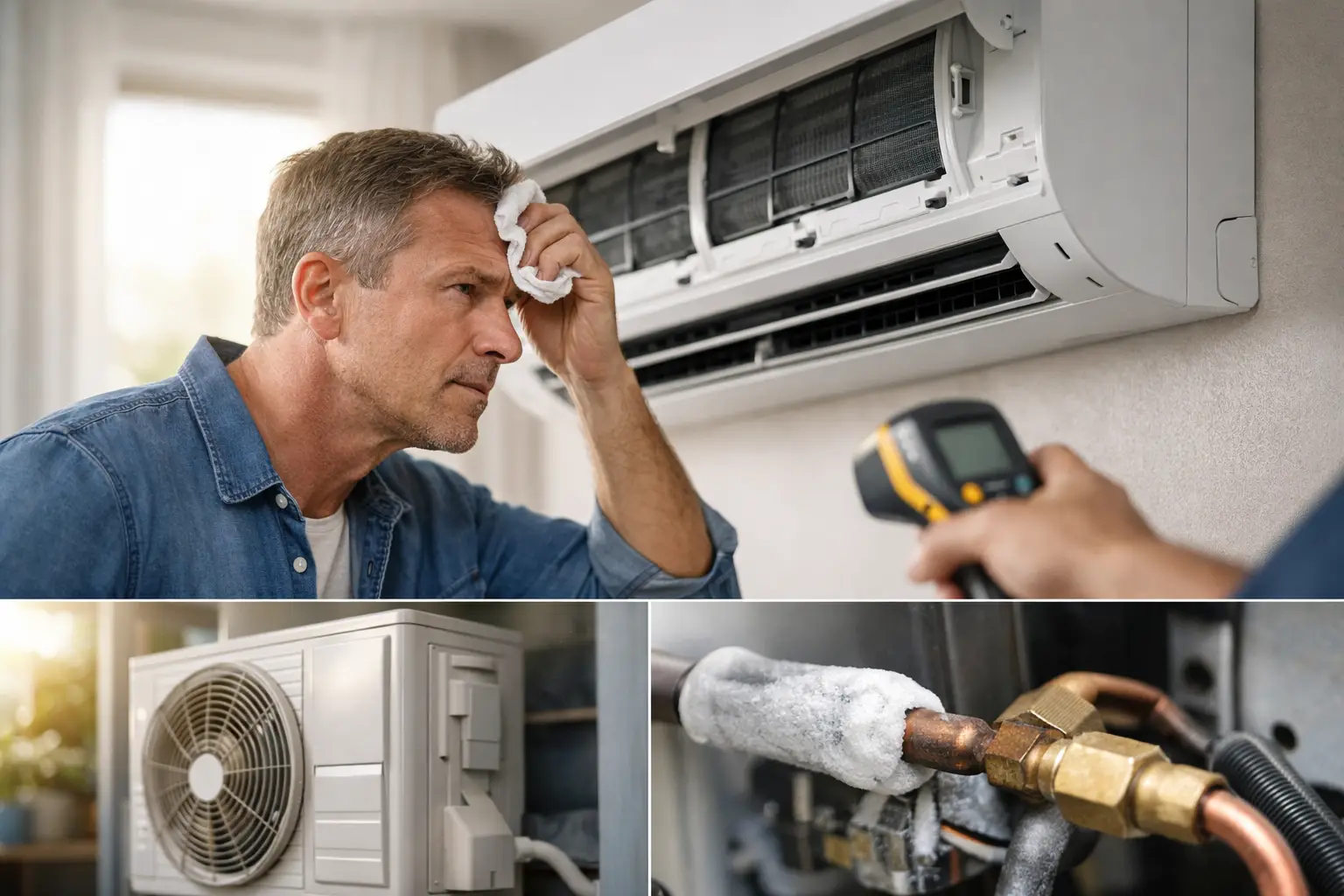
A Chicago summer can turn uncomfortable quickly when your AC not cooling leaves bedrooms warm, offices stuffy, or tenants calling about rising indoor temperatures. The cause may be as simple as a blocked filter or thermostat setting, but it can also point to a failing component that needs professional attention. Acting early can protect your comfort, help limit damage to the system, and prevent a small issue from becoming an untimely replacement decision.
Start With a Few Safe AC Checks
Before scheduling a repair, check the thermostat. Make sure it is set to Cool, the target temperature is lower than the current room temperature, and the fan is set to Auto rather than On. A fan set to On may keep circulating air even when the cooling cycle has stopped, which can make the system seem like it is producing warm air.
Next, look at the air filter. A heavily clogged filter restricts airflow, forcing the air conditioner to work harder while delivering less cool air. If the filter looks gray, packed with dust, or overdue for replacement, install the correct new filter according to the system manufacturer’s guidance. This is one of the most common and preventable causes of reduced cooling.
Check that supply vents inside are open and not blocked by furniture, rugs, curtains, or stored items. Then look outside at the condenser unit. Leaves, grass clippings, and debris around the unit can limit airflow. Clear loose debris from around it, leaving the electrical components and internal coils alone. Do not remove panels or attempt to clean internal parts if you are not trained to do so.
If the system still is not cooling properly after these checks, or if you notice odd noises, ice, water, or electrical issues, it is time for a qualified HVAC technician.
Common Reasons an AC Is Not Cooling
A dirty filter or restricted airflow
Your central AC relies on steady airflow across the indoor coil. When airflow is restricted, the coil may get too cold and freeze. Once ice forms, cooling drops dramatically, and continued operation can put strain on the equipment.
Restricted airflow is not always a filter issue. Closed vents, dirty indoor coils, duct problems, and a malfunctioning blower can all contribute. A technician can identify the restriction rather than treating the symptom alone.
Thermostat or control problems
Sometimes the air conditioner itself is capable of cooling, but it is not receiving the right command to run. A thermostat with weak batteries, poor calibration, damaged wiring, or a programming issue can interrupt normal operation. Smart thermostats can also be affected by setup changes, power interruptions, or communication errors.
A professional diagnosis matters here because replacing a thermostat without testing the rest of the system can create unnecessary expense. The right repair depends on whether the issue is the control, wiring, safety switch, or cooling equipment.
Frozen evaporator coil
Ice on refrigerant lines or the indoor coil is a warning sign, not a problem to ignore. It may result from poor airflow, low refrigerant charge, a blower issue, or a combination of conditions. Turning the system off can allow the ice to thaw, but running it repeatedly while frozen can cause additional damage.
If you see ice, turn cooling off at the thermostat and call for service. Do not chip at the ice or open the unit. A technician needs to determine why the coil froze before restarting the system.
Refrigerant leak or low refrigerant charge
Refrigerant is not consumed like fuel. If the charge is low, the system likely has a leak that needs to be located and repaired. Signs can include weak cooling, longer run times, ice formation, hissing sounds, or air that is cooler than room temperature but not cold enough to lower it effectively.
Adding refrigerant without identifying the source of a leak is a temporary measure at best. A careful repair addresses the leak, verifies system performance, and helps protect the compressor from operating under damaging conditions.
Outdoor condenser trouble
The outdoor unit releases heat from your home. If it cannot do that job, your indoor temperature will climb even when the thermostat is calling for cooling. The condenser fan, electrical components, coil condition, and compressor must all work together.
You may hear humming, clicking, grinding, or repeated starting and stopping. The unit may run without producing cool air, or it may not run at all. Because this equipment involves high-voltage electricity and refrigerant, it is not a homeowner repair. A trained technician can test the system safely and explain what has failed.
Drain line or safety switch issues
Air conditioners remove moisture as they cool. In humid Chicago weather, that moisture can add up quickly. If the condensate drain line becomes clogged, water can back up into the drain pan. Many systems have a safety switch that shuts cooling down to help prevent an overflow.
You might notice water near the indoor unit, a musty smell, or an AC that suddenly stops during a humid stretch. Prompt service can help prevent water damage and restore normal operation.
When Warm Air Is an Emergency
Not every cooling issue is a middle-of-the-night emergency, but some situations should not wait. Call for prompt professional help if you smell something burning, see water leaking near electrical equipment, hear loud mechanical sounds, notice repeated breaker trips, or have no cooling during extreme heat when vulnerable occupants are present.
Property owners and landlords should also treat widespread comfort complaints seriously. One poorly cooling unit can affect tenant safety, humidity levels, and the condition of the property. Small businesses may face a different urgency when warm conditions affect employees, customers, inventory, or equipment.
If there is a burning odor, smoke, or an immediate electrical concern, turn the system off if it is safe to do so and seek urgent assistance. Do not keep resetting breakers or forcing the equipment to run.
Why the Right Diagnosis Protects Your Budget
An AC repair should begin with an explanation, not a guess. Several failures can create the same symptom: warm air. A dirty filter, failed capacitor, refrigerant issue, clogged drain, blower problem, and compressor concern may all look similar from the living room.
A thorough technician checks the system’s operation, airflow, electrical readings, drainage, and cooling performance before recommending a repair. That approach helps separate a practical repair from a situation where replacement deserves consideration.
Age matters, but it is not the only factor. A newer system with a single component failure may be an excellent repair candidate. An older unit with repeated breakdowns, declining efficiency, or a major component issue may justify discussing replacement options. The right choice depends on condition, repair history, comfort needs, and the expected reliability of the system after work is completed.
At Shad Heating & Cooling, NATE-certified technicians focus on clear findings, honest upfront pricing, and repairs designed for lasting performance. You should understand what is wrong, what options are available, and why a recommendation makes sense before work begins.
Prevent the Next Cooling Failure
The best time to find an AC problem is before the first severe heat wave. Seasonal maintenance gives a technician a chance to inspect key components, clean areas that need professional service, confirm safe operation, and catch developing issues early.
Homeowners can support that work by replacing filters regularly, keeping the outdoor unit clear, watching for drainage concerns, and paying attention when cooling begins to feel uneven. If some rooms are consistently hotter than others, the answer may involve ductwork, thermostat placement, insulation, or zoning rather than the air conditioner alone.
Reliable comfort is not about pushing equipment until it fails. It is about responding to changes early, getting a precise diagnosis, and choosing a repair plan that respects your home, your time, and your budget.
Written by the Shad Heating & Cooling team
Frequently Asked Questions
Why is my AC running but not cooling my house?
Common causes include a dirty filter, thermostat issue, frozen coil, refrigerant leak, or an outdoor unit problem. A professional inspection identifies the actual cause.
Should I turn off my AC if it is blowing warm air?
If you see ice, smell burning, hear unusual loud noises, or notice water leaking, turn it off and arrange service. Otherwise, avoid running it continuously until the issue is assessed.
Can a clogged filter cause an AC to stop cooling?
Yes. A clogged filter can restrict airflow enough to reduce cooling and potentially freeze the indoor coil.
How often should an air conditioner be maintained?
Most systems benefit from professional maintenance once a year, ideally before the cooling season begins.