
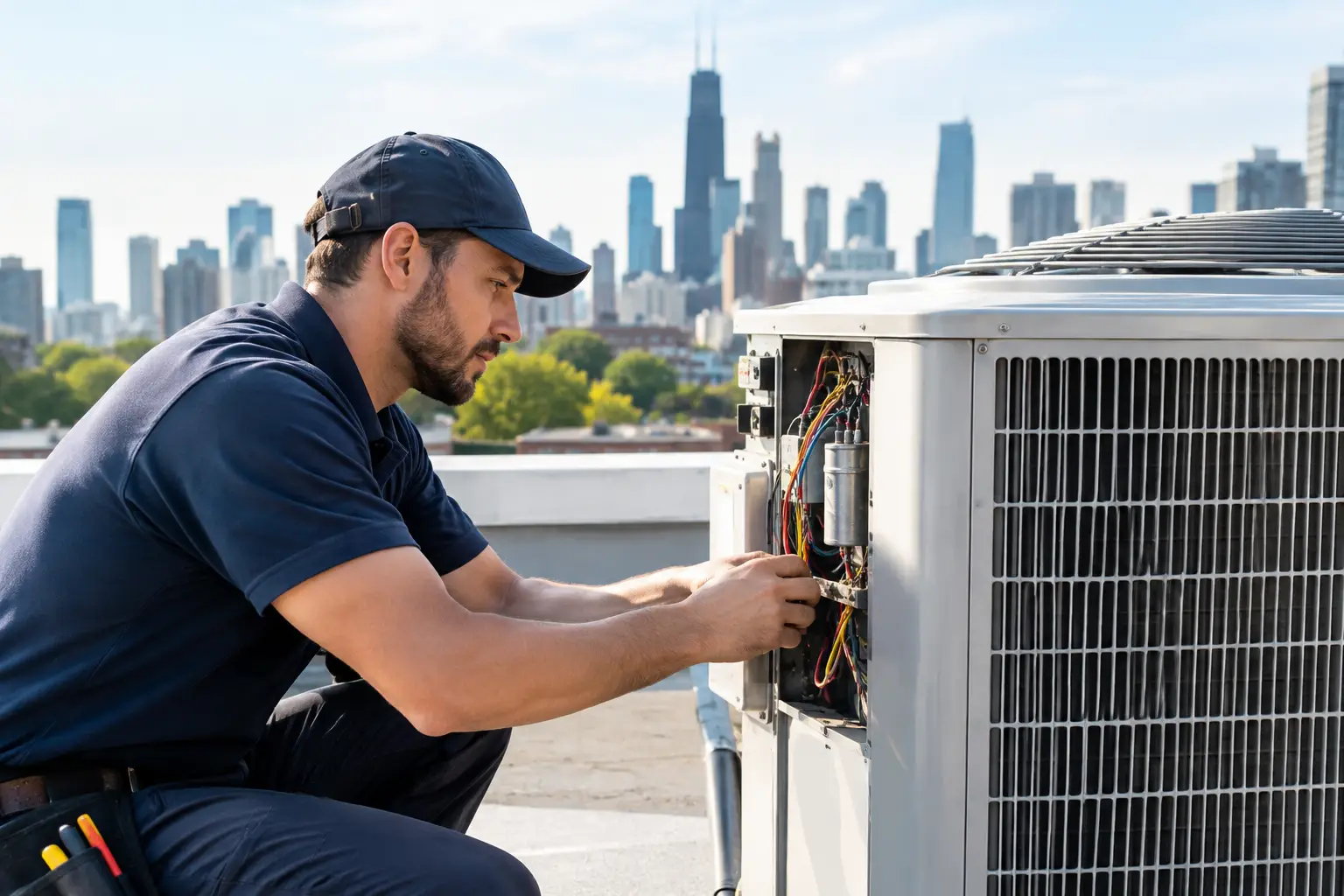
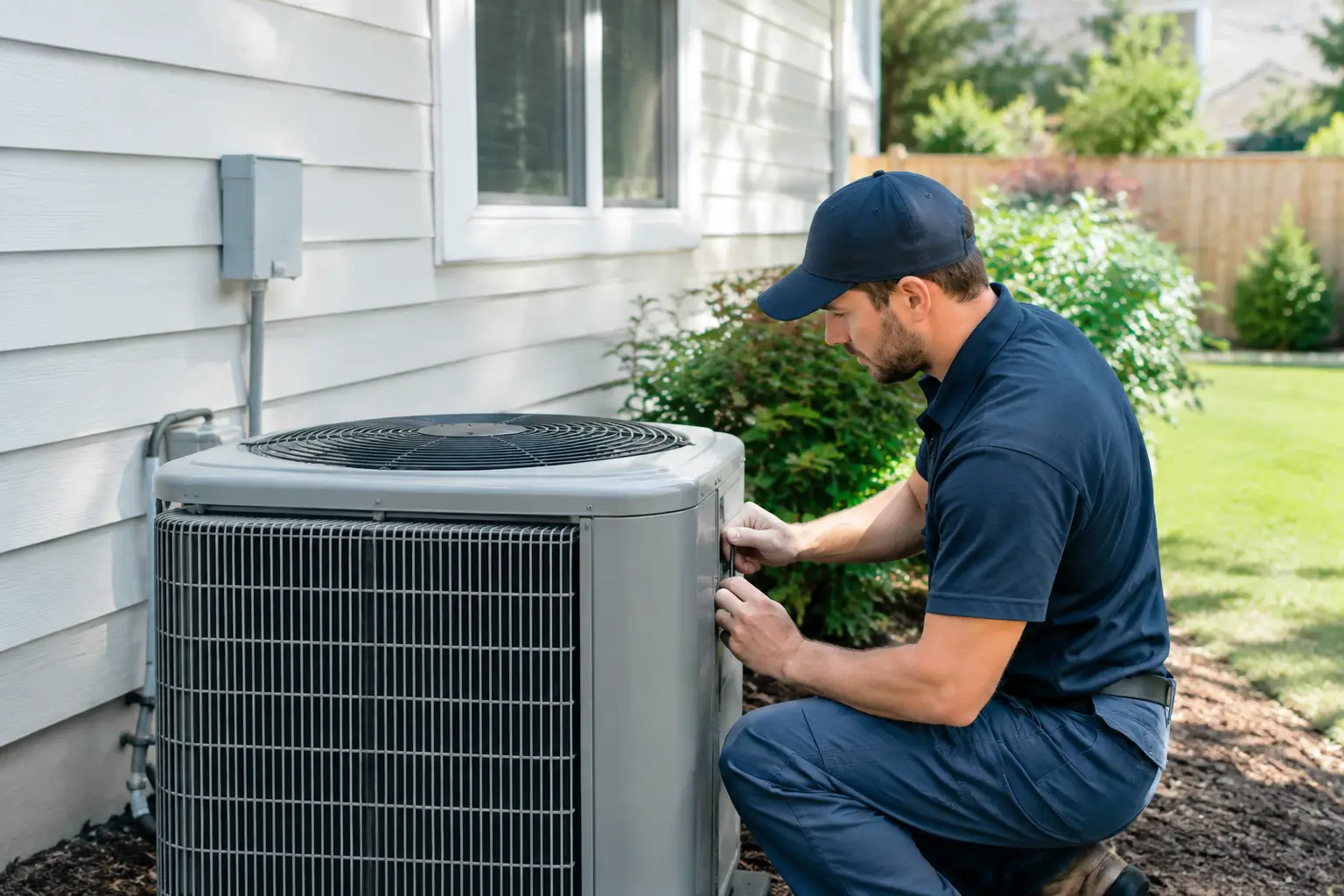

A heat pump that is too small can leave rooms chilly during a Chicago cold snap. One that is too large may cycle on and off too often, waste energy, and struggle to control humidity in summer. This heat pump sizing guide explains what actually determines the right system capacity, so you can make a replacement decision based on your home rather than a guess.
Why Heat Pump Size Is More Than Square Footage
Heat pump capacity is commonly measured in tons or BTUs. While square footage is part of the conversation, it is not enough to size equipment accurately. Two 2,000-square-foot homes can need very different systems depending on their construction, insulation, windows, layout, and air leakage.
A vintage brick two-flat with older windows may lose heat much faster than a newer, well-insulated home of the same size. A top-floor condo can gain more summer heat through its roof, while a shaded garden unit may have a very different cooling load. Ceiling height, additions, large west-facing windows, and the number of people regularly using the space also affect the result.
A dependable installation starts with a room-by-room load calculation. This process estimates how much heating and cooling each area needs under local design conditions, then helps the contractor select equipment and airflow settings that can serve the home evenly.
Heat Pump Sizing Guide: What a Load Calculation Reviews
Professional sizing is not about picking the largest unit that fits the budget. It is about measuring the home and accounting for the conditions that affect comfort. A proper calculation typically considers:
- The home’s square footage, layout, ceiling heights, and orientation
- Insulation levels in walls, attics, floors, and rim joists
- Window size, type, condition, shading, and exposure to sun
- Air leakage, existing ductwork, occupancy, appliances, and ventilation needs
The result is a heating and cooling load, not simply a rule-of-thumb recommendation. The contractor can then compare that load with the actual capacity a heat pump delivers at different outdoor temperatures.
That last point matters in northern Illinois. A system’s published capacity at mild weather conditions does not always match its output during severe winter weather. Modern cold-climate heat pumps can provide meaningful heat at low temperatures, but their performance must be reviewed at the temperatures your property is likely to experience.
Why Old Equipment Is Not a Reliable Sizing Formula
Replacing a three-ton furnace, air conditioner, or heat pump with another three-ton system may be appropriate, but it should never be automatic. The existing equipment might have been oversized from the beginning. It may also have been selected before new windows, insulation, air sealing, an addition, or a finished basement changed the home’s needs.
Equipment age can hide sizing problems, too. An older system may have gradually lost capacity, making occupants think they need a larger replacement when the real issue is declining performance, poor airflow, or duct leakage. A fresh evaluation protects you from carrying an old mistake into a new installation.
What Happens When a Heat Pump Is Oversized or Undersized
An undersized heat pump may run for long periods and still fail to maintain your preferred indoor temperature during the most demanding weather. Some longer run times are normal with efficient variable-capacity equipment, but a system that cannot keep up with the design load will place more demand on backup heat and may leave certain rooms uncomfortable.
Oversizing creates a different set of issues. A large system can reach the thermostat setting quickly, then shut down before it has run long enough to remove moisture from the air. During Chicago’s humid summers, that can make a home feel sticky even when the thermostat says it is cool enough. Frequent starts and stops can also increase equipment wear and create uneven temperatures between rooms.
The goal is not necessarily the smallest system or the largest system. It is the system that matches the calculated load, operates efficiently across changing weather, and works with the home’s distribution system.
Cold-Weather Performance and Backup Heat
For many Chicago-area homes, heat pump sizing involves a decision about backup heat. This may be an electric heat source, an existing furnace in a dual-fuel arrangement, or another carefully designed solution. The right approach depends on the home, utility costs, the condition of existing equipment, and the owner’s comfort priorities.
A heat pump does not simply stop working when temperatures drop below freezing. However, as outdoor air gets colder, the amount of heat available from the system changes. During defrost cycles, the unit also temporarily shifts operation to clear frost from the outdoor coil. Proper system selection accounts for these realities instead of assuming one capacity rating tells the full story.
A contractor should explain the balance point in plain language. This is the outdoor temperature where the heat pump’s output aligns with the home’s heat loss. Below that point, supplemental heat may be needed depending on the equipment design. There is no single best setup for every property. A well-sealed home with a modern variable-capacity heat pump may have different needs than a larger older home with existing gas heat or a multifamily building with separate zones.
Ductwork Can Change the Sizing Decision
Even a correctly sized heat pump cannot perform as intended if the duct system cannot move the required airflow. Undersized returns, restrictive filters, leaky duct runs, closed registers, and poorly balanced branches can all cause hot and cold spots.
Before installation, the ductwork should be inspected along with the equipment. In some homes, targeted duct improvements, return-air upgrades, or zoning adjustments can solve comfort issues without increasing system capacity. In others, a ductless heat pump may be a practical way to condition an addition, attic room, enclosed porch, or space that existing ducts do not serve well.
For landlords and owners of small commercial spaces, this review is especially valuable. A building that has been divided, renovated, or assigned new uses may have airflow needs that no longer match the original HVAC design.
Match the System to How You Use the Home
Your daily routine should be part of the conversation. If bedrooms are consistently warmer than the main floor, if a home office is occupied all day, or if certain rooms sit empty for long periods, those details can affect recommendations for zoning, ductless equipment, thermostat placement, and controls.
Variable-capacity heat pumps can adjust output over a wider range than single-stage systems. That can improve comfort in homes with changing loads, but it does not eliminate the need for accurate sizing. It also may not be the best fit for every budget or existing duct configuration. A clear proposal should explain the trade-offs, expected performance, and any work needed to support the system.
Questions to Ask Before Approving a Replacement
A trustworthy contractor should be able to explain how the recommended size was determined and what assumptions were used. Ask whether a room-by-room load calculation was completed, how the system performs in cold weather, and whether your ducts can support the recommended airflow.
It is also reasonable to ask how backup heat will operate, whether any comfort issues in particular rooms need separate attention, and what maintenance will help protect performance. Clear answers now can prevent expensive surprises after installation.
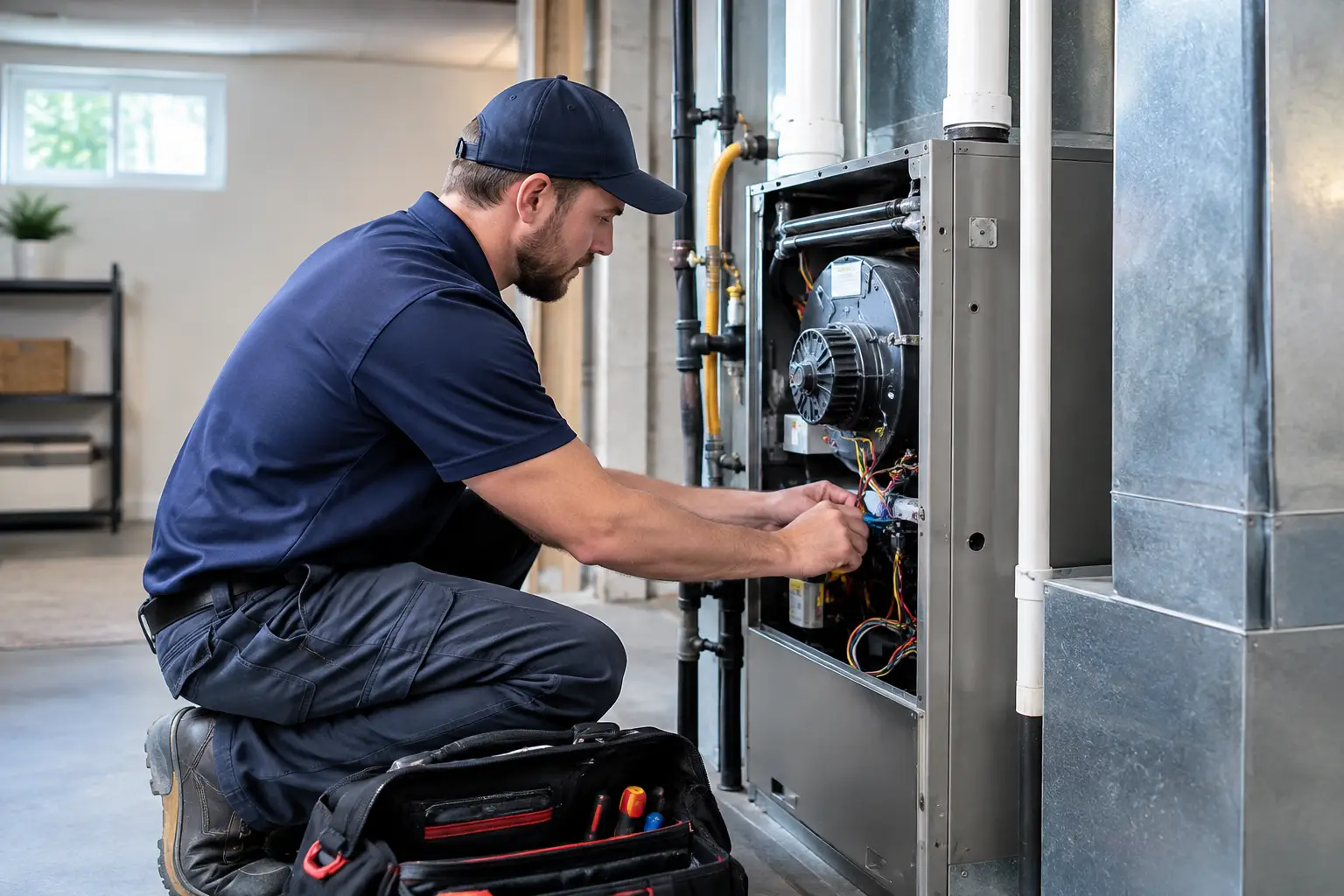
At Shad Heating & Cooling, our NATE-certified technicians evaluate the full comfort system, not just the outdoor unit. That means looking at your home’s heating load, cooling needs, ductwork, controls, and long-term reliability before making a recommendation. You deserve honest upfront guidance and a clean, careful installation built for dependable comfort.
Written by the Shad Heating & Cooling team
Frequently Asked Questions
Can I size a heat pump based only on my home’s square footage?
No. Square footage is a starting point, but insulation, windows, air leakage, ceiling height, layout, and ductwork all affect the correct capacity.
Is a larger heat pump always better for Chicago winters?
No. An oversized system can short-cycle and reduce summer humidity control. Cold-weather capacity and the backup heat plan matter more than selecting the largest available unit.
Will I need backup heat with a heat pump?
It depends on the equipment, your home’s heat loss, and your desired winter comfort. A professional load calculation helps determine the right arrangement.
Should ductwork be checked when replacing a heat pump?
Yes. Correct equipment sizing and proper airflow work together. Addressing duct restrictions or leaks can be just as valuable as changing equipment size, helping your new system deliver reliable comfort for years to come.