
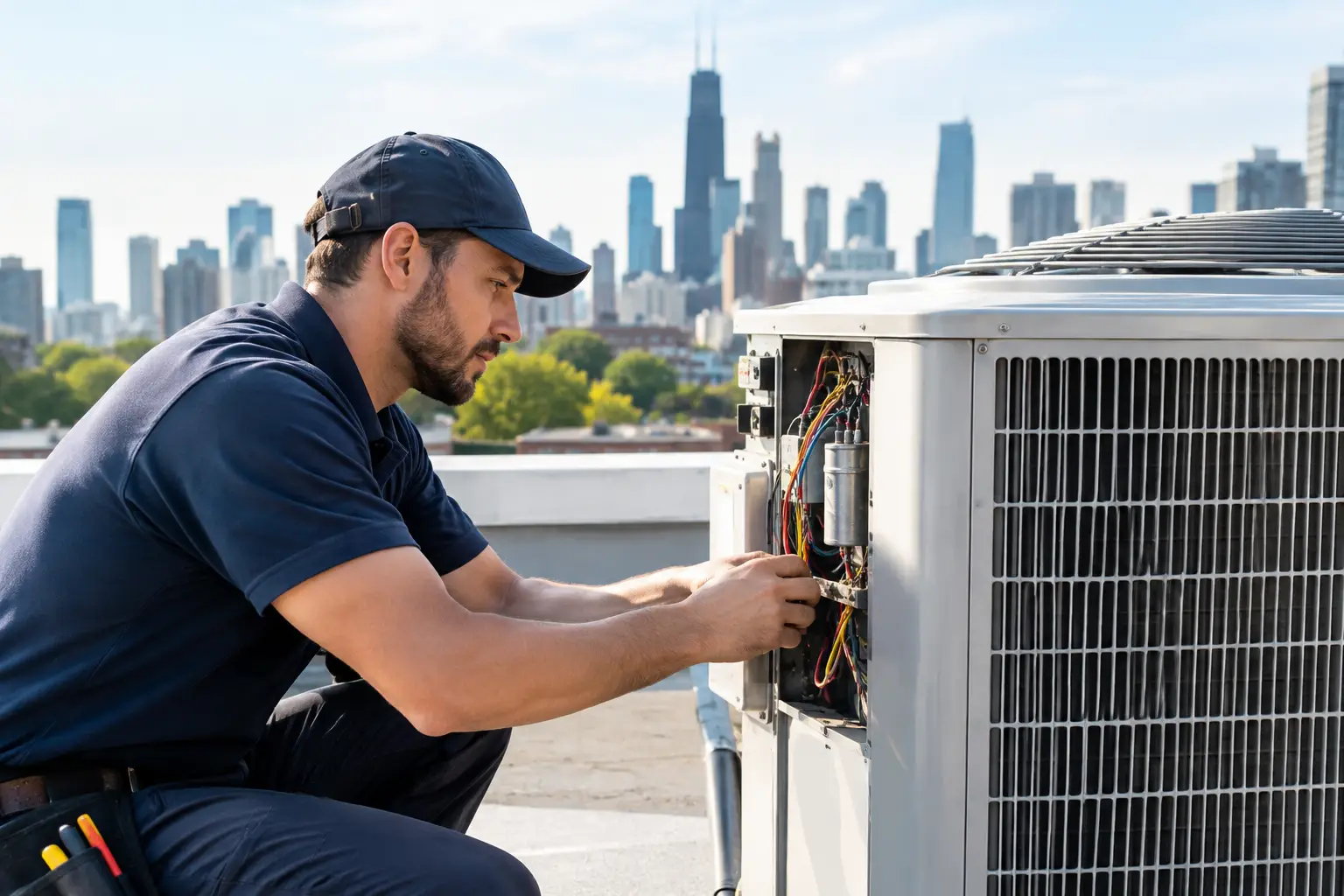
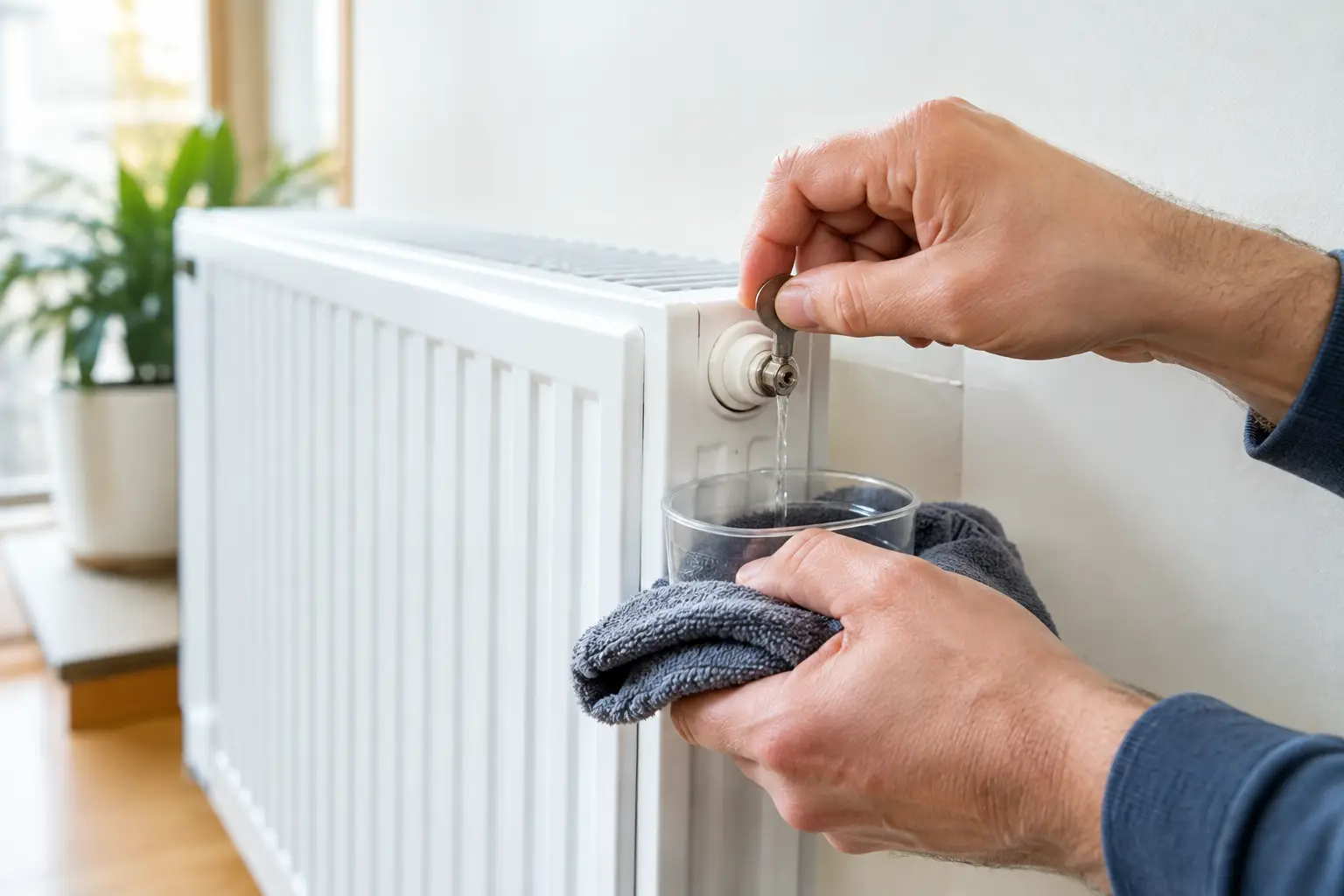
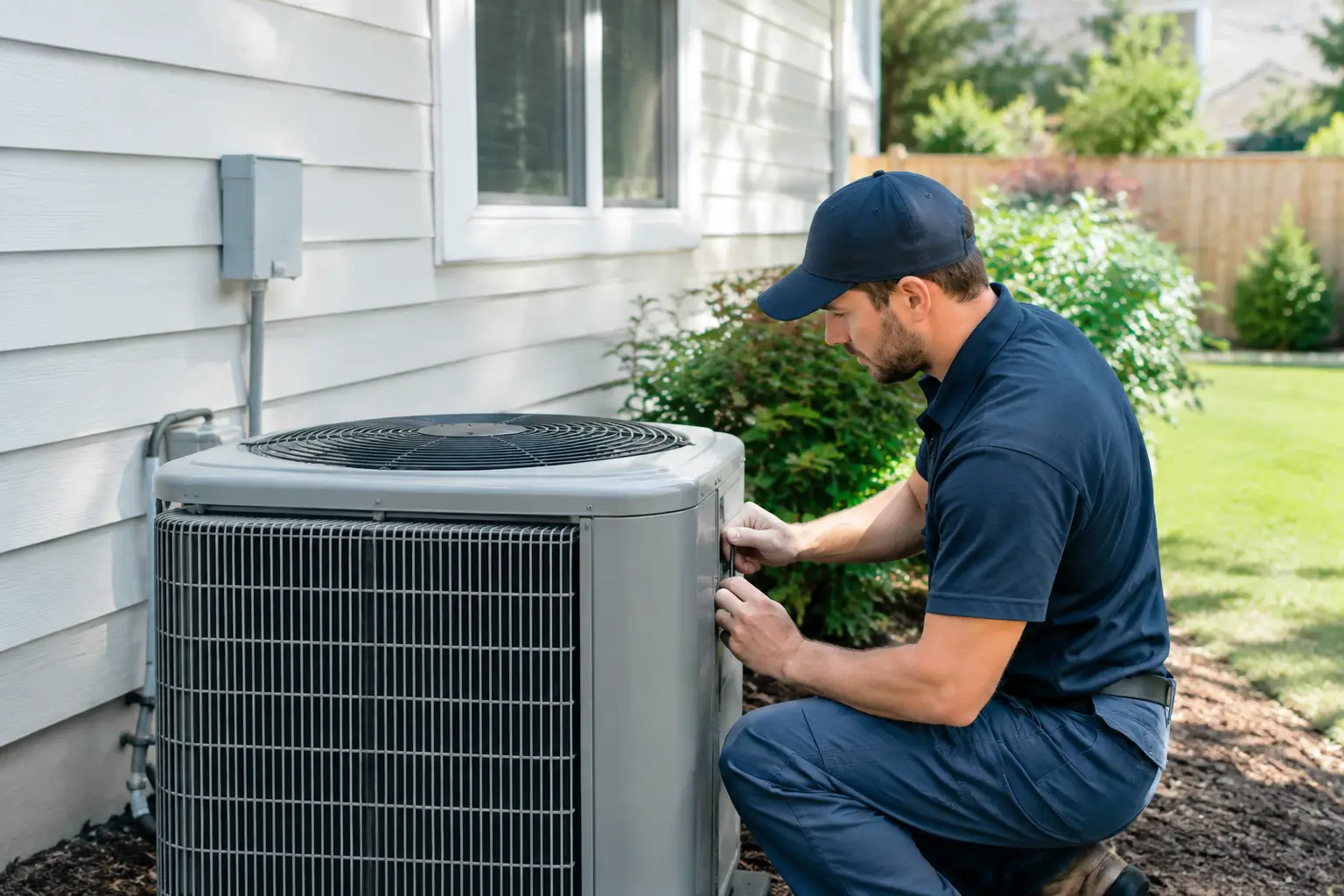
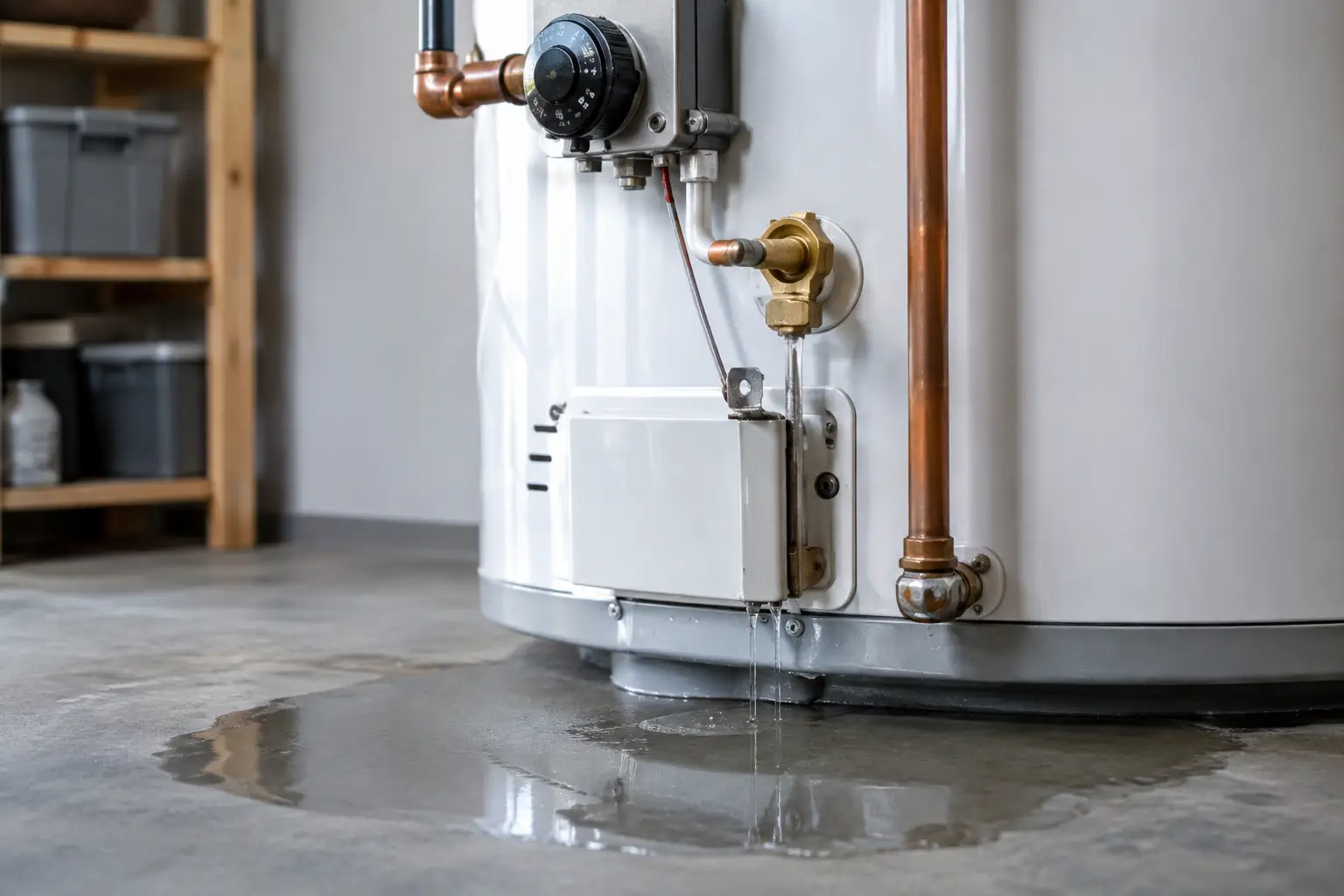
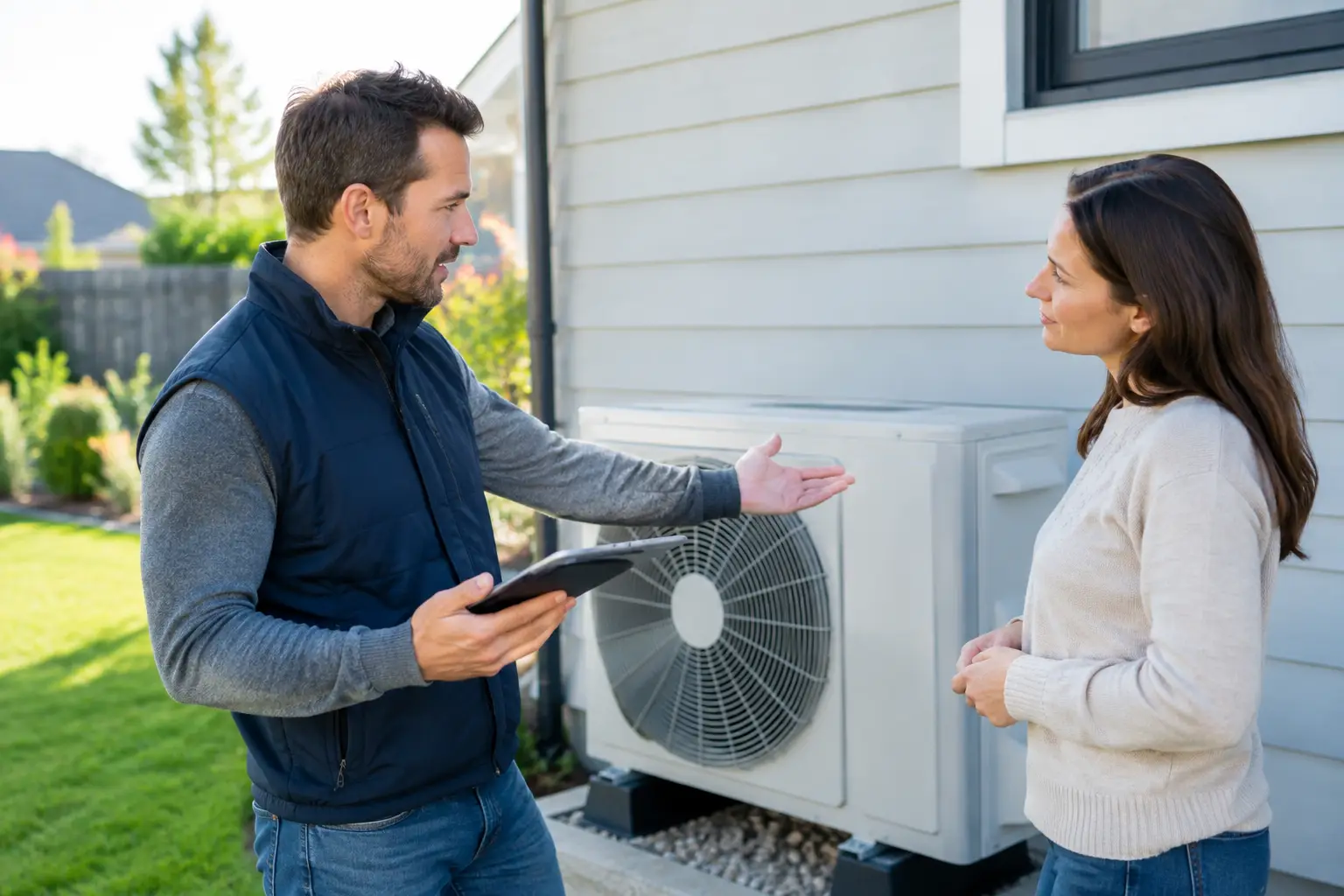
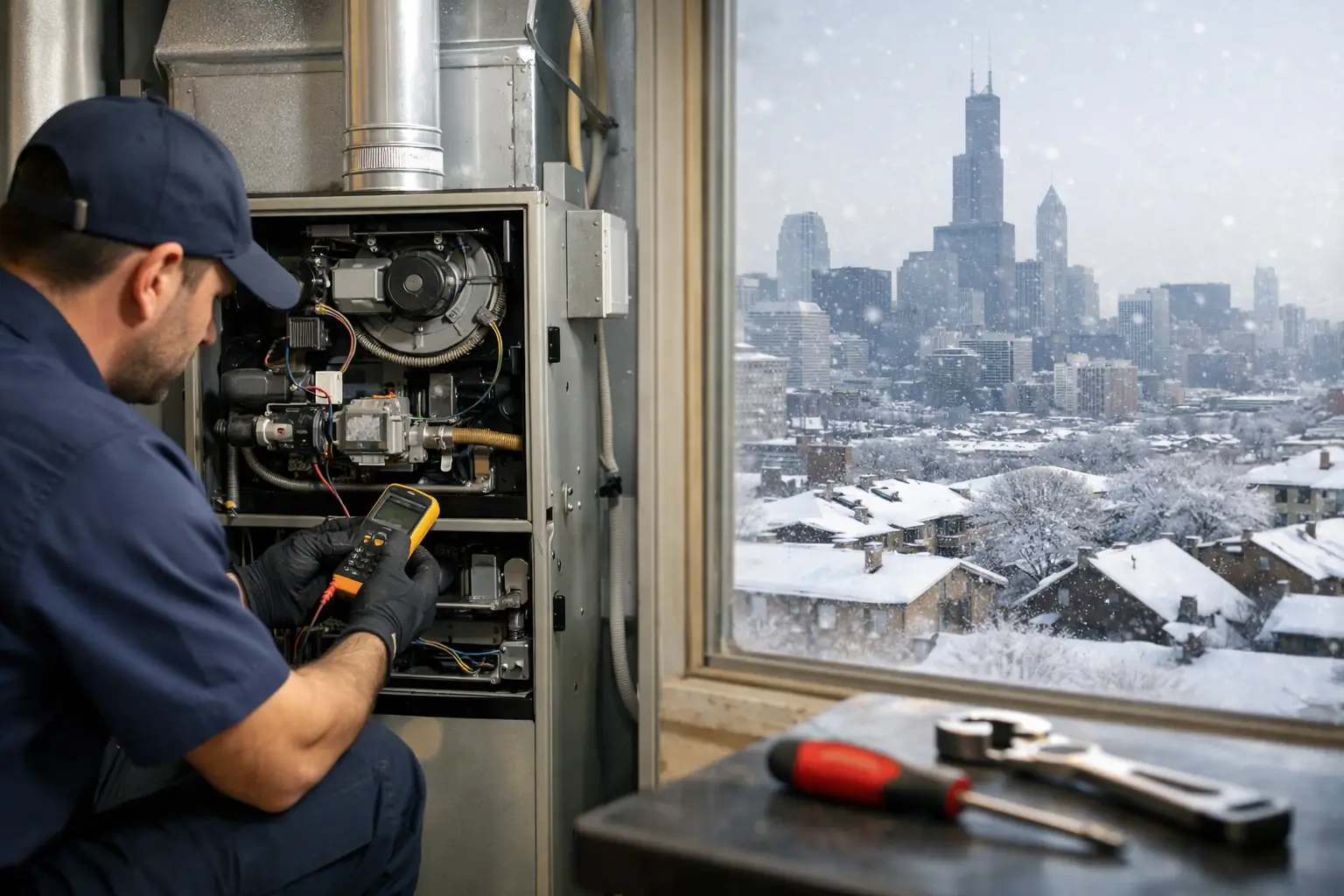
A furnace rarely chooses a convenient time to fail. In Chicago, a system that seemed fine during a mild fall week can struggle when temperatures drop and it has to run for hours at a time. A professional furnace tune up helps uncover developing problems before they leave your home, rental property, or business without dependable heat.
Written by the Shad Heating & Cooling team
Why a Furnace Tune Up Matters Before Winter
Your furnace has a demanding job. It must start safely, move air throughout the building, maintain a consistent temperature, and cycle off correctly – often dozens of times a day during a cold stretch. Dust buildup, worn parts, loose connections, airflow restrictions, and calibration issues can all affect that performance.
Maintenance is not a promise that a furnace will never need repair. Parts can fail unexpectedly, especially in older systems. But an annual visit gives a qualified technician the opportunity to spot warning signs early, correct common performance issues, and confirm that the system is operating as safely as possible.
For homeowners and property managers, that can mean fewer surprise service calls, more predictable heating costs, and better comfort from room to room. For small businesses, it can also reduce the risk of an uncomfortable workspace or interrupted operations during the busiest heating season.
What Is Included in a Professional Furnace Tune Up?
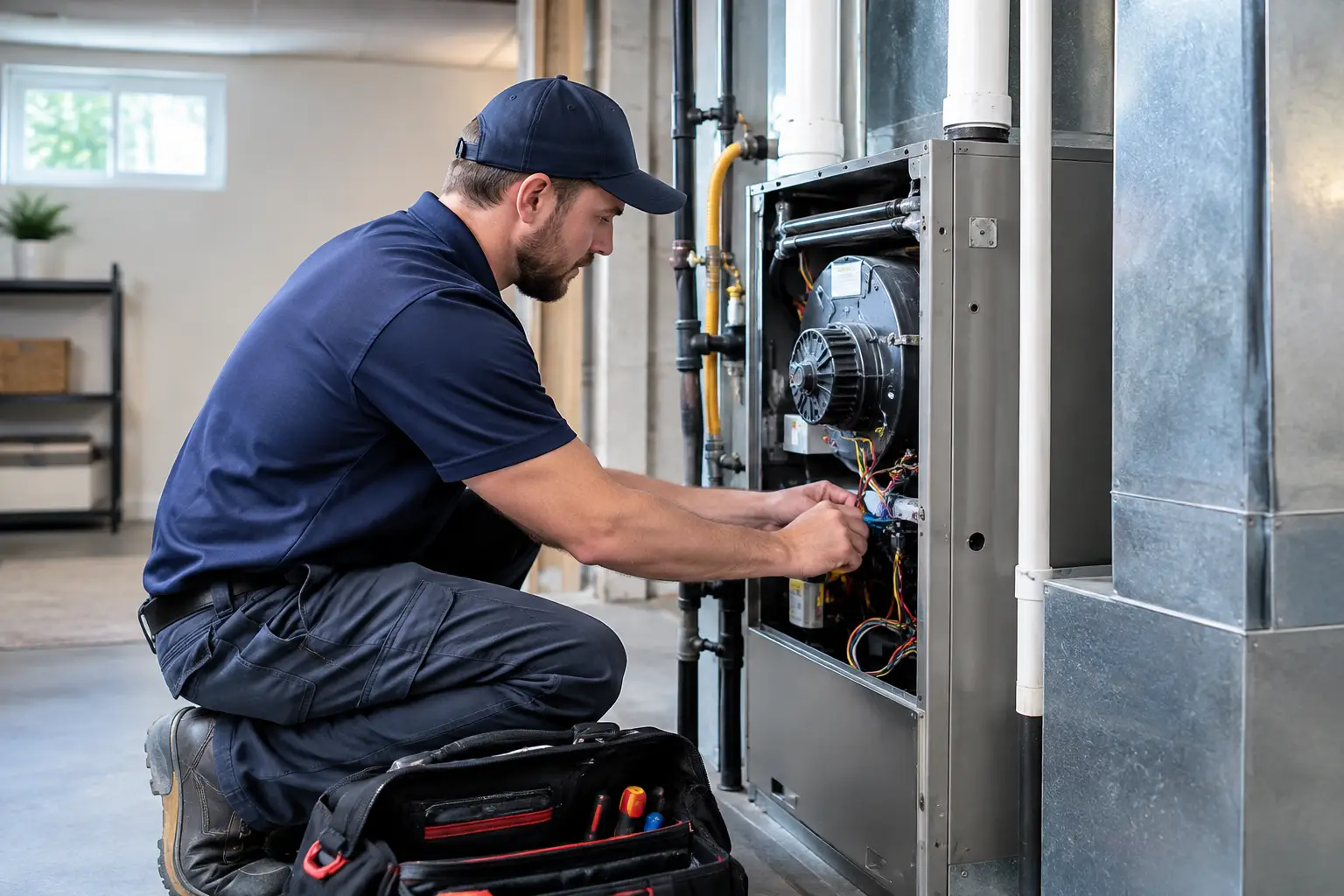
A thorough furnace tune up is more than changing a filter and turning the thermostat up and down. A trained technician evaluates the equipment as a complete operating system, with attention to safety, combustion, electrical components, airflow, and overall performance.
The exact work depends on the furnace type, age, condition, and manufacturer requirements. In general, a professional maintenance visit may include inspecting the burner assembly and ignition components, checking the heat exchanger for visible concerns, testing safety controls, and evaluating the venting system. The technician may also inspect electrical connections, measure system operation, clean accessible components as appropriate, and verify that the blower is moving air properly.
Airflow deserves special attention. A furnace can produce heat, but comfort still suffers if a dirty filter, blower issue, blocked return, or duct problem prevents that warmth from reaching the rooms that need it. Restricted airflow can also make the equipment work harder than necessary.
If the technician finds a concern, you should receive a clear explanation of what was observed, why it matters, and what the recommended next step is. Not every issue is an emergency, and not every older furnace needs replacement. A trustworthy recommendation distinguishes between a safety concern, a repair that should be scheduled soon, and a condition that can be monitored.
Safety Checks Are a Core Part of Maintenance
Gas furnaces create heat through combustion, so safety should always come before convenience. During a maintenance visit, the technician looks for conditions that could affect safe operation, such as improper venting, ignition problems, deteriorating components, or abnormal system behavior.
Homeowners should also pay attention between appointments. If you smell gas, notice soot around the equipment, hear a loud boom at startup, see a yellow or flickering burner flame where a steady blue flame is expected, or experience symptoms from a carbon monoxide alarm, treat the situation seriously. Leave the area if necessary and contact the appropriate emergency resource and an HVAC professional. Do not attempt to repair gas or electrical components yourself.
Signs Your Furnace Needs Service Now
The best time to schedule maintenance is before the coldest part of the season. Still, a tune up can be worthwhile at other times, particularly when your furnace is showing signs that it is not operating normally.
Watch for uneven temperatures between rooms, longer-than-usual heating cycles, frequent cycling on and off, weak airflow from vents, new rattling or grinding sounds, and a sudden increase in utility use without a clear explanation. A furnace that needs repeated thermostat adjustments to keep the home comfortable also deserves attention.
Some symptoms point to maintenance needs, while others may call for repair. For example, a clogged filter can restrict airflow, but persistent weak airflow may also involve the blower, ductwork, or another system issue. A professional inspection helps identify the actual cause instead of treating the most obvious symptom.
For landlords and owners of multifamily properties, prompt service is especially valuable. One weak furnace can affect tenant comfort, create avoidable emergency calls, and put added pressure on an already busy maintenance schedule. Keeping service records and planning seasonal maintenance makes it easier to address problems before they become urgent.
How Often Should You Schedule Furnace Maintenance?
Most furnaces benefit from professional maintenance once a year. Early fall is often ideal because the system can be inspected before it enters its heaviest period of use. It also allows time to schedule a recommended repair without having to make a rushed decision during a cold-weather breakdown.
That said, timing depends on the property. A furnace in a busy commercial space, a rental building, or a home with pets and heavy indoor dust may need closer attention to filters and airflow throughout the year. Older equipment may also warrant a more careful seasonal review because normal wear can become more significant over time.
If you recently moved into a home and do not know when the furnace was last serviced, scheduling an inspection is a sensible starting point. The same applies after a major renovation, ductwork change, or long period when the system was not used.
Simple Steps That Support Furnace Performance
Professional service handles the technical and safety-critical work. Between visits, a few basic habits can help your furnace operate with less strain.
Keep the area around the furnace clear so the technician can access it and so combustible items are not stored near heating equipment. Check your air filter regularly and replace it according to the filter type, household conditions, and system guidance. Avoid closing too many supply vents, since doing so can disrupt intended airflow and create comfort problems.
It also helps to keep return vents free of furniture, rugs, and clutter. If a room is consistently colder than the rest of the property, mention it during your appointment. The issue may involve airflow, duct design, insulation, thermostat placement, or zoning – and the right solution depends on the cause.
When Maintenance Becomes a Repair or Replacement Conversation
A tune up can reveal that a repair is needed. That does not automatically mean the furnace is at the end of its life. Many issues can be corrected when caught early, helping restore reliable operation.
Replacement becomes a more reasonable discussion when repairs are frequent, a major component has failed, efficiency has declined substantially, or the system can no longer provide dependable comfort. Furnace age is relevant, but it is not the only factor. A well-maintained older unit may still have useful service life, while a neglected newer unit may have more serious concerns.
A good HVAC professional will explain the condition of the equipment, the repair options, and the trade-offs in plain language. You should have the information needed to make a decision that fits your property, comfort needs, and budget – without pressure or hidden surprises.
For Chicago homes and businesses, preventive service is one of the most practical ways to protect comfort when winter weather is least forgiving. Schedule maintenance before your furnace has to prove itself on the coldest night of the year.
Frequently Asked Questions
How long does a furnace tune up take?
Most maintenance appointments take about an hour, though the timing varies based on the system, accessibility, and any issues found during the inspection.
Is a furnace tune up necessary every year?
Annual service is generally recommended to support safe operation, efficiency, and dependable heating. It also helps catch smaller concerns before winter demand increases.
Will a tune up lower my heating bill?
Maintenance can improve efficiency by addressing airflow restrictions, buildup, and operating issues. Savings vary based on furnace condition, home insulation, thermostat settings, and weather.
Should I wait until my furnace stops working to call?
No. Scheduling service when you notice unusual sounds, uneven heat, weak airflow, or frequent cycling can help prevent a complete breakdown and reduce stress during cold weather.