
A furnace rarely picks a convenient time to fail. In Chicago, a small issue that goes unnoticed in October can turn into a no-heat emergency during the first serious cold snap. Learning how to maintain home furnace equipment helps protect your comfort, reduce avoidable repair calls, and give you a clearer picture of when professional service is needed.
Good furnace maintenance is not about taking apart gas lines, electrical components, or sealed equipment. It is about simple, safe habits at home paired with a thorough annual inspection from a qualified HVAC technician. That combination supports reliable heat, cleaner indoor air, and longer system life.
Start With the Filter
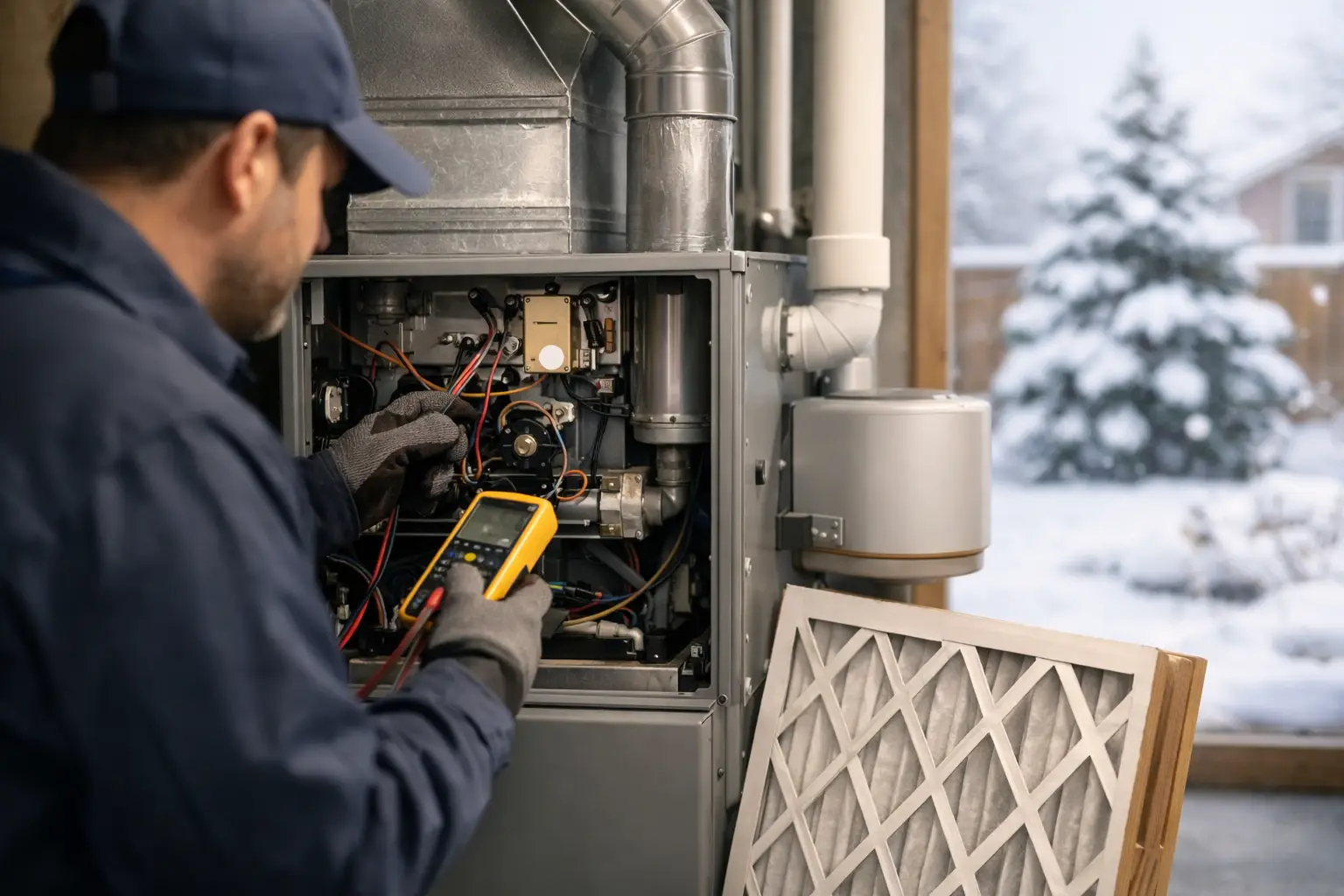
Your furnace filter is one of the most important maintenance items in the house. It catches dust, pet hair, pollen, and other airborne particles before they build up on internal components and circulate through your rooms. When the filter becomes clogged, airflow drops. Your furnace has to work harder to move warm air, which can increase energy use and put unnecessary strain on the blower motor.
Check the filter monthly during heating season, especially if you have pets, allergies, renovation dust, or a busy household. Many standard filters need replacement every one to three months, but the correct schedule depends on the filter type, your home, and the manufacturer’s guidance.
Before replacing a filter, turn the thermostat off. Match the new filter size to the old one, and install it with the airflow arrow pointing toward the furnace or air handler. If you are unsure which filter your system needs, asking during your annual tune-up is a simple way to avoid using a filter that is too restrictive for the equipment.
Keep Airflow Paths Clear
A furnace cannot heat a home evenly if supply and return vents are blocked. Walk through the house a few times each season and make sure furniture, rugs, curtains, storage bins, and other items are not covering registers or return grilles.
It can be tempting to close vents in rooms you use less, but closing too many can create airflow problems and uneven temperatures. Most forced-air systems are designed to operate with their airflow paths open. If certain rooms are consistently too warm or too cold, the answer may be a duct, insulation, thermostat, or zoning issue rather than shutting vents at random.
Keep the area around the furnace clear as well. Do not store paint, gasoline, cleaning chemicals, cardboard, or laundry directly beside the unit. A clear mechanical area gives technicians safe access and reduces fire and air-quality concerns.
Watch the Thermostat and Listen to the System
Your thermostat is the simplest place to spot changes in furnace performance. Set it to heat and choose a temperature a few degrees above the current room temperature. The system should start its normal heating cycle, deliver warm air, and shut off once the set temperature is reached.
Pay attention to patterns, not just one unusual sound. A brief whoosh at startup can be normal. Repeated banging, scraping, squealing, rattling, or loud humming is not something to ignore. The same applies if the furnace starts and stops frequently, runs much longer than usual, or leaves parts of the home cold.
A programmable or smart thermostat can help reduce wasted energy by lowering temperatures when the home is empty or everyone is asleep. Avoid dramatic temperature setbacks, though. In very cold weather, a large increase in the morning can make some systems run for extended periods without providing the savings homeowners expect. A modest, consistent schedule is often more practical.
Protect the Furnace From Common Winter Problems
Chicago winters put extra pressure on heating systems, particularly during long stretches of below-freezing weather. Snow, ice, and drifting debris can affect high-efficiency furnaces that use outdoor intake and exhaust pipes. From a safe distance, periodically confirm that these exterior vents are clear and not buried by snow, leaves, or ice.
Do not poke into vent pipes or attempt to remove a blockage you cannot safely reach. A blocked combustion vent can cause the furnace to shut down and may create a safety concern. Call a licensed HVAC professional if you see persistent ice buildup, damage, or a system that stops heating after heavy snow.
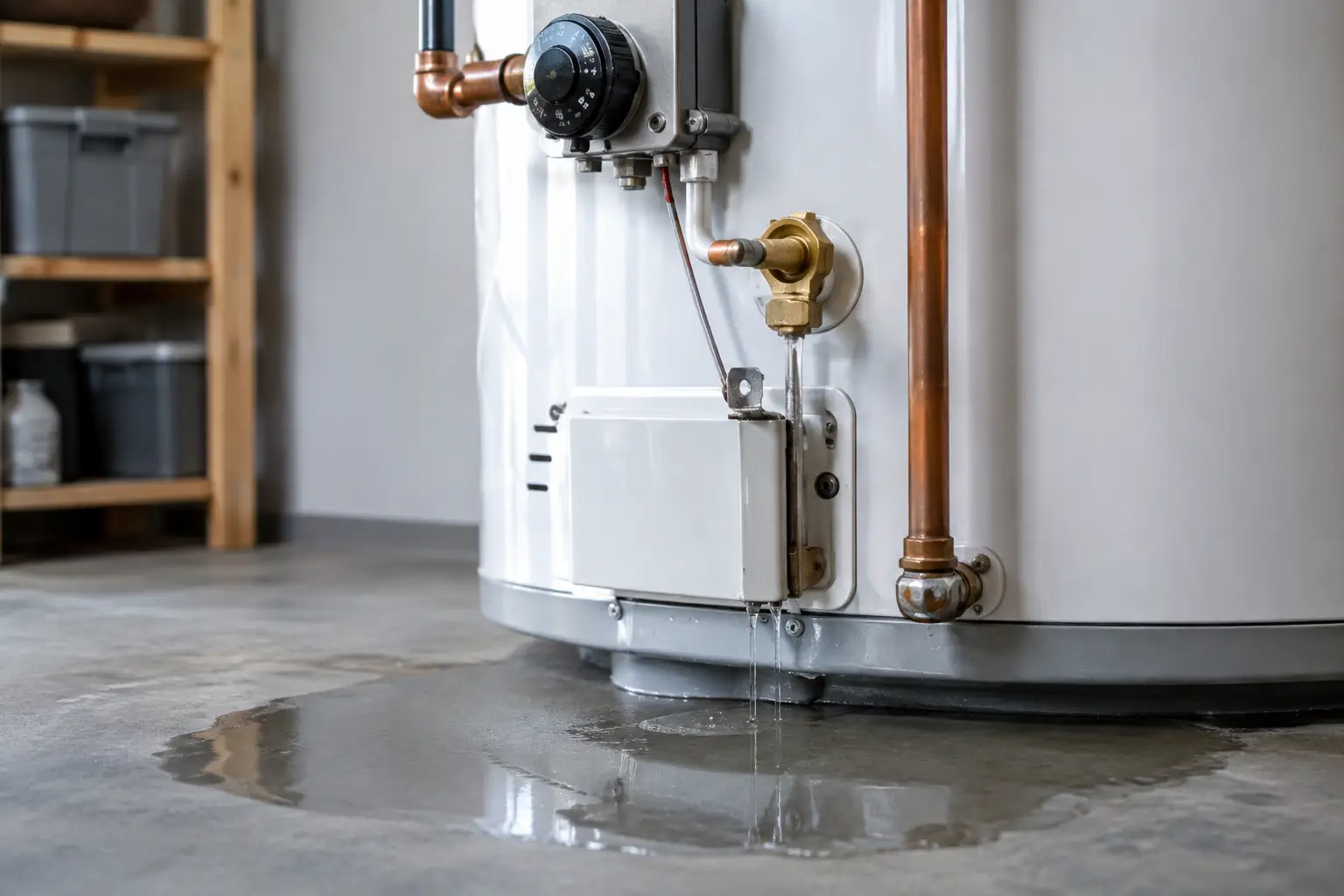
If your furnace has a condensate drain or pump, it also needs attention during annual service. High-efficiency systems produce water as part of normal operation, and a blocked drain can trigger shutdowns or leaks. This is a technician task, but homeowners can watch for water around the furnace or an unfamiliar musty smell in the utility area.
Make Carbon Monoxide Safety Part of Furnace Care
Every home with fuel-burning equipment should have working carbon monoxide detectors. Install them according to the manufacturer’s instructions, including near sleeping areas, and test them regularly. Replace batteries when required and replace the detector itself at the end of its listed service life.
Carbon monoxide has no color or odor. Symptoms of exposure can include headache, dizziness, nausea, confusion, and flu-like feelings that improve when you leave the home. If a carbon monoxide alarm sounds, leave the building, call emergency services from outside, and do not reenter until authorities say it is safe.
A yellow or flickering furnace flame, soot around the equipment, or unusual exhaust odors also warrant a professional inspection. Do not try to adjust burners, ignition components, wiring, or gas connections yourself. Those parts require trained service and proper testing equipment.
Schedule Professional Furnace Maintenance Every Year
The most effective step in maintaining a home furnace is scheduling a professional tune-up before the heating season is in full swing. Early fall is ideal, but maintenance is valuable at any point in the year if it has been skipped.
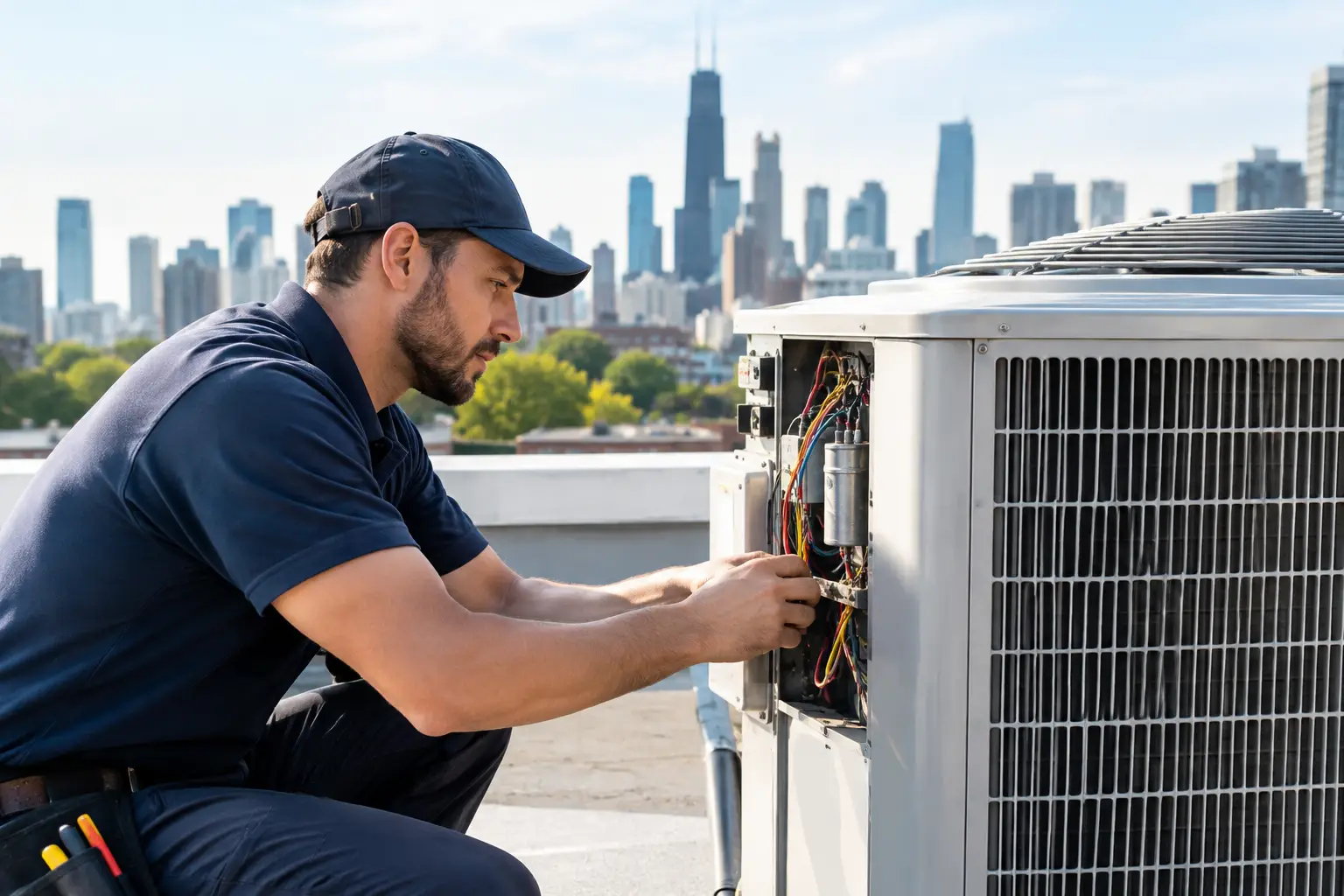
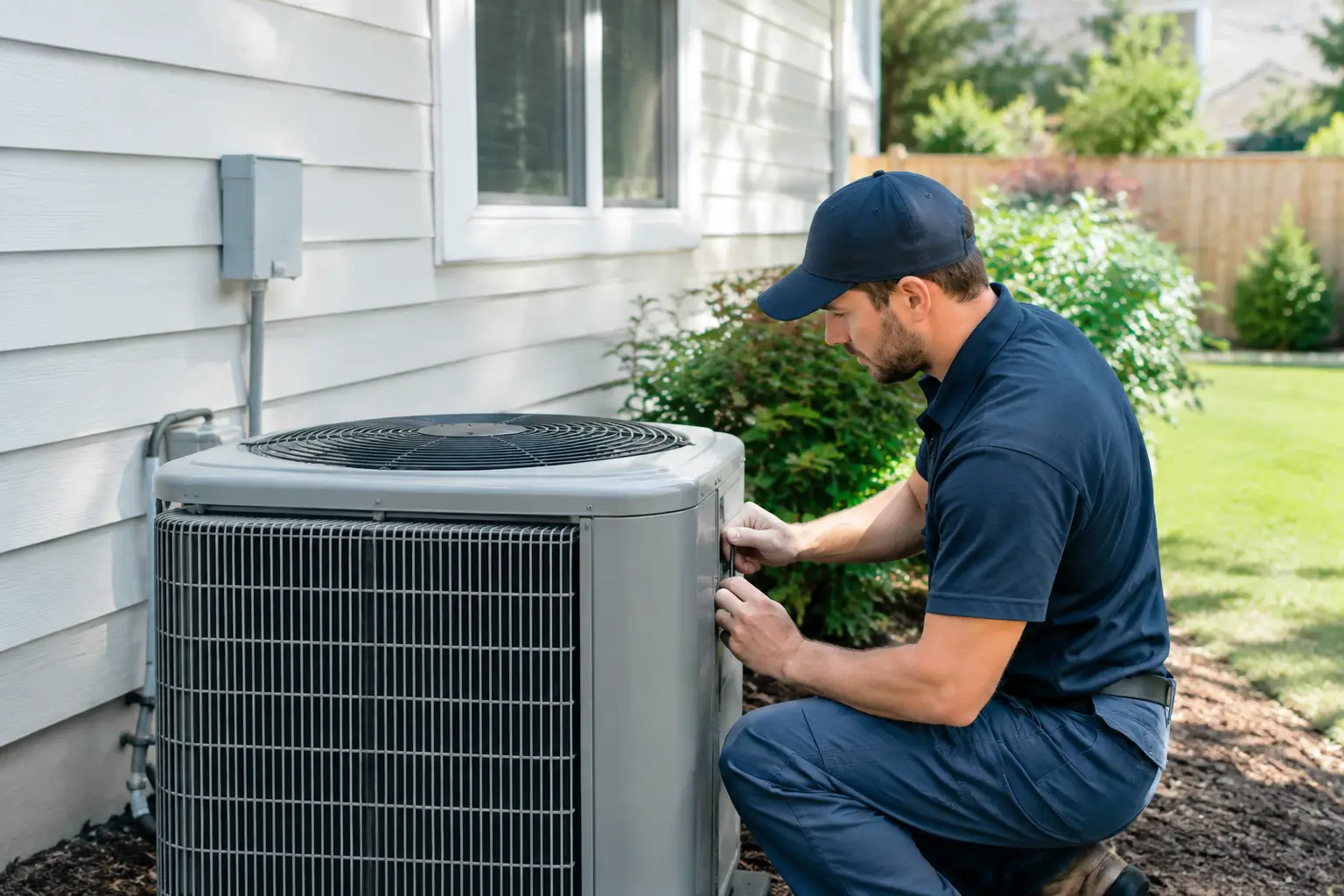
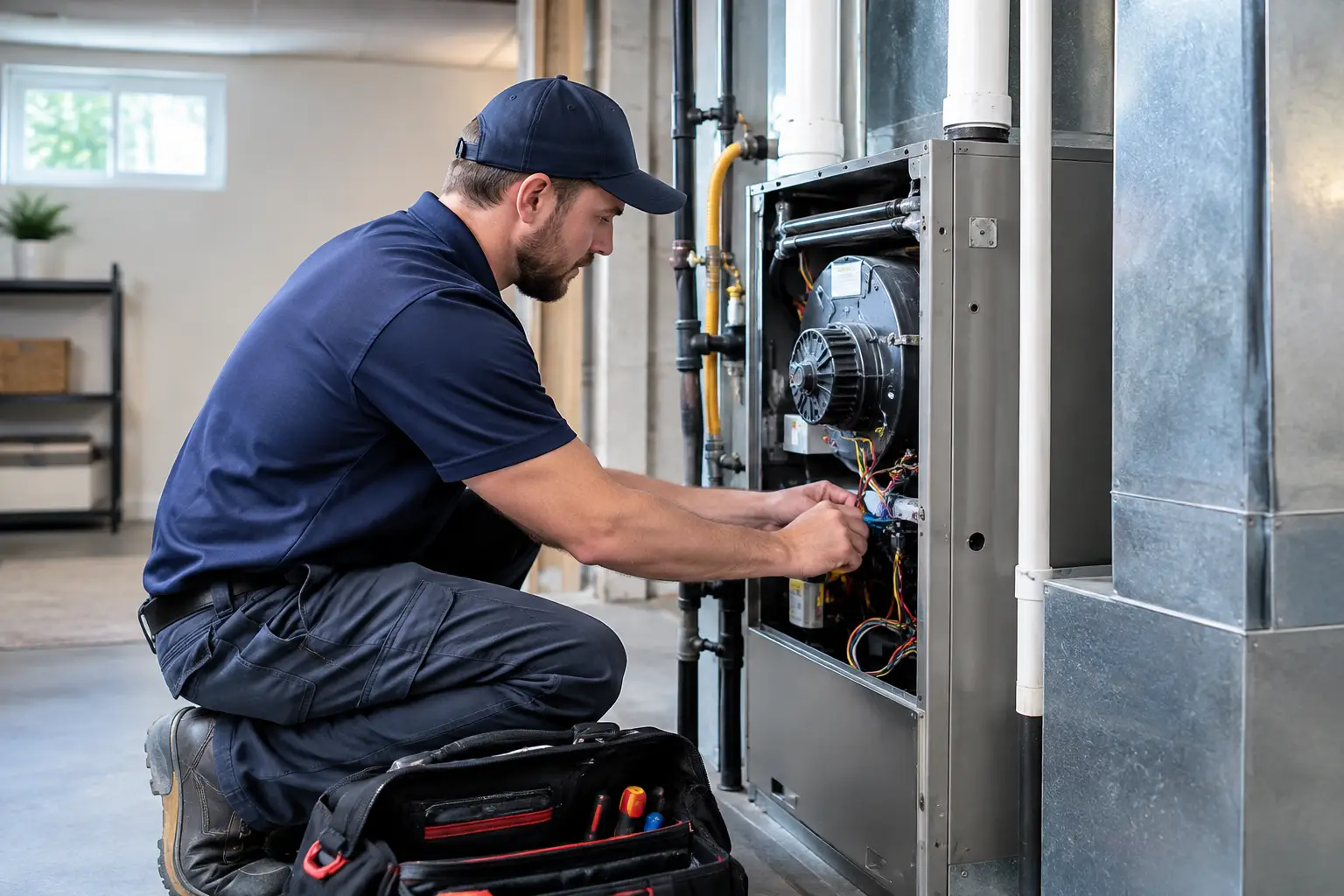
During a proper furnace maintenance visit, a technician can inspect the heat exchanger and combustion process, test safety controls, check electrical connections, evaluate blower performance, inspect venting, clean accessible components, and verify thermostat operation. The exact work varies by furnace type, age, and condition, but the goal remains the same: identify wear and safety issues before they become disruptive failures.
Annual maintenance is especially valuable for landlords and owners of multifamily properties. A furnace issue in one unit can quickly affect tenants, pipes, and neighboring spaces. Keeping service records for each system also helps with planning, budgeting, and deciding whether a repair remains sensible as equipment ages.
Shad Heating & Cooling provides professional maintenance focused on safe operation, clean workmanship, and clear recommendations. If a repair is needed, you should understand what was found, why it matters, and what options are available before work begins.
Know When Maintenance Is No Longer Enough
Maintenance can extend furnace life, but it cannot make every older system reliable forever. Frequent repairs, rising utility bills, uneven heating, persistent noise, or difficulty finding parts may signal that it is time to discuss replacement options.
That does not automatically mean replacement is the right choice. A newer furnace with an isolated repair may have many useful years left. An older unit with a minor issue may still be worth repairing if it has otherwise operated dependably. The decision depends on the system’s condition, repair history, safety, efficiency, and your plans for the property.
A trustworthy HVAC contractor should explain those trade-offs without pressure. The right recommendation is the one that protects your home and gives you dependable heat for the years ahead.
Written by the Shad Heating & Cooling team
Frequently Asked Questions
How often should I change my furnace filter?
Check it monthly during heating season. Most homes need a replacement every one to three months, though pets, allergies, and filter type can change that schedule.
Should I turn my furnace off when leaving town in winter?
Usually, no. Set the thermostat to a safe lower temperature to help prevent frozen pipes, particularly during severe cold. Your ideal setting can depend on insulation, plumbing location, and how long you will be away.
Why is my furnace running but my home still feels cold?
A dirty filter, blocked vents, thermostat issue, duct leakage, insulation gaps, or equipment problem may be involved. Start with the filter and open vents, then schedule service if the issue continues.
Is annual furnace maintenance really necessary?
Yes. Annual professional maintenance helps identify safety concerns and worn components early, while supporting more consistent comfort during the heating season.