
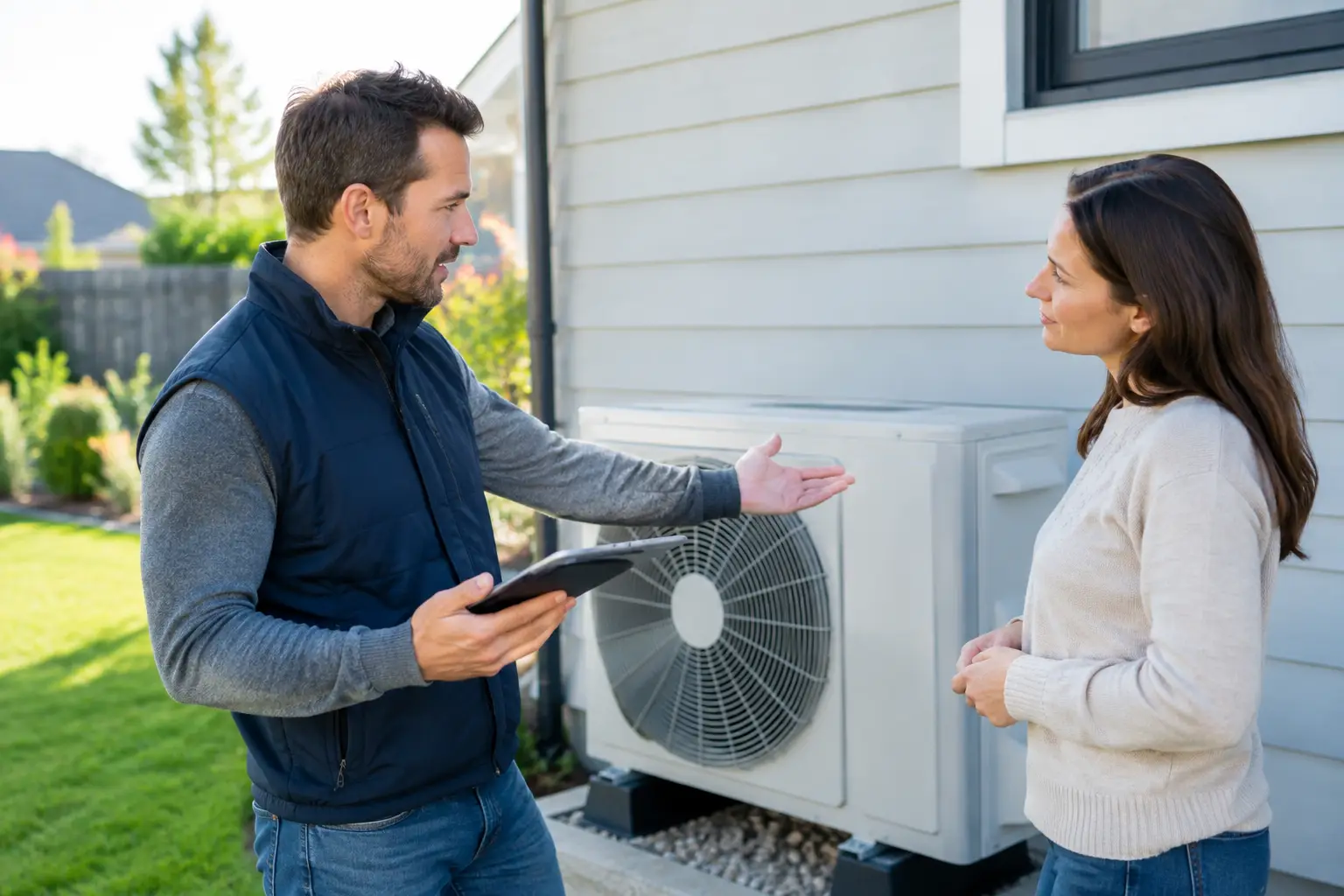
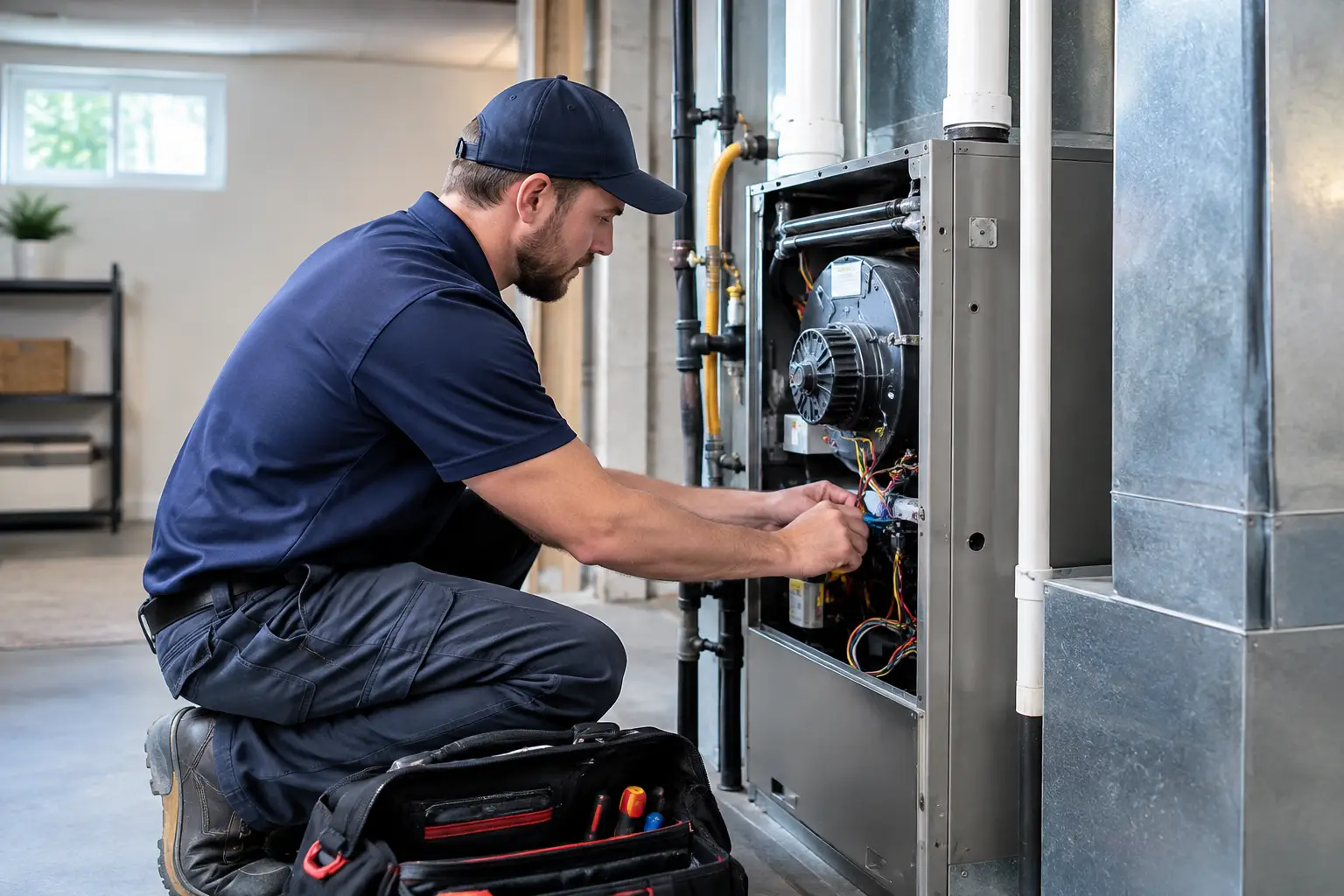
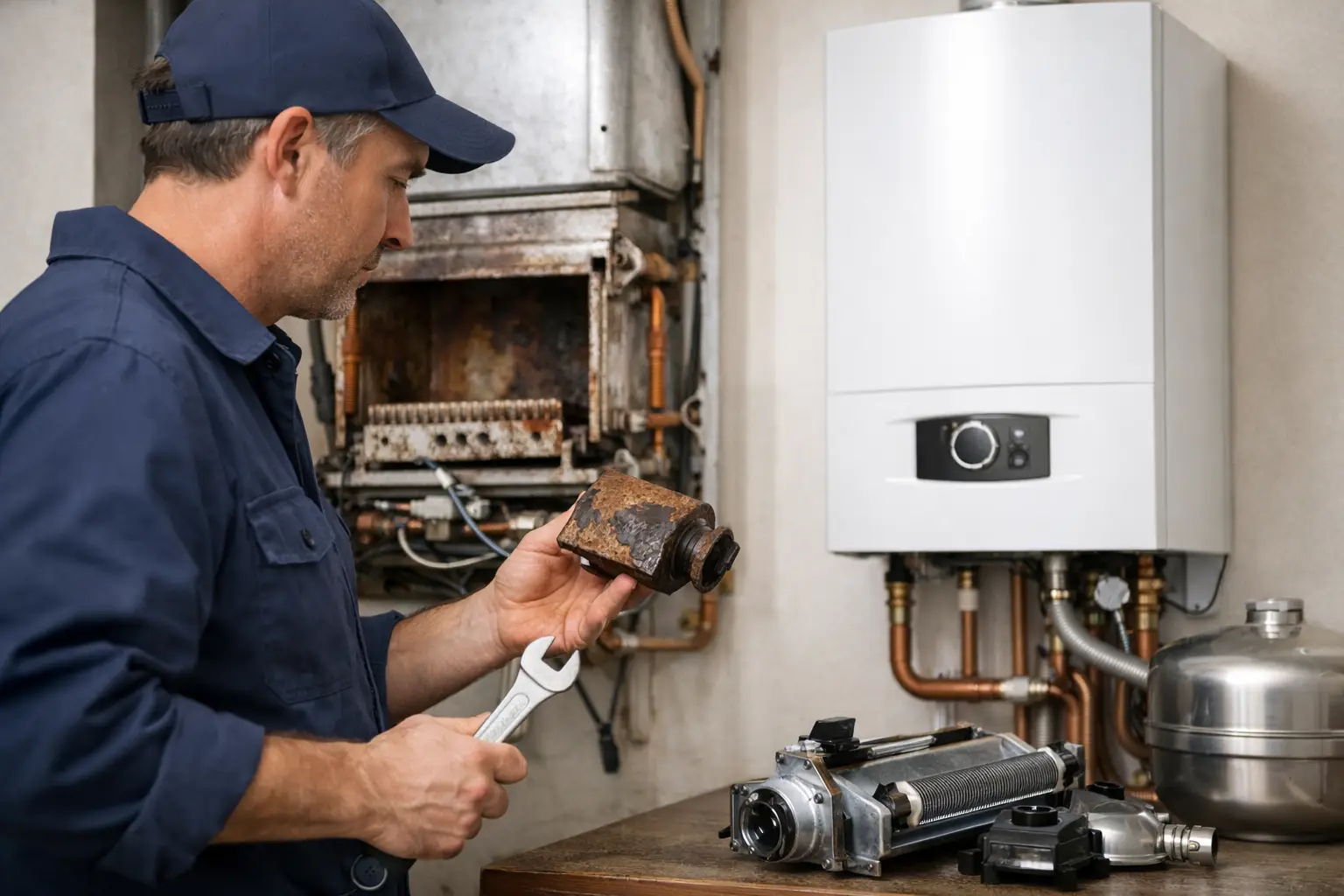
A boiler can seem fine right up until the first hard Chicago cold snap exposes a problem. If you are noticing the top signs boiler replacement may be needed, acting before a complete failure can protect your property, occupants, and budget from a much more stressful emergency.
Replacement is not automatically the answer whenever a boiler needs service. Many issues can be repaired safely and affordably, especially on a newer, well-maintained system. The decision comes down to the boiler’s age, condition, repair history, efficiency, and whether it can still provide reliable heat without creating a safety concern.
10 top signs boiler replacement may be needed
1. Your boiler is near or beyond its expected service life
A well-maintained boiler can often operate for 15 to 20 years, sometimes longer. But age changes the replacement conversation. Parts become harder to source, internal components wear down, and efficiency generally declines over time.
An older boiler that has been dependable may still be worth maintaining. However, when it begins needing major repairs, it is reasonable to compare the cost and remaining reliability of repair against a planned replacement. A professional assessment should look at the system’s actual condition, not age alone.
2. Repairs are becoming frequent
One repair does not mean you need a new boiler. Repeated service calls for different issues are another matter. If the circulator, controls, valves, ignition components, or other key parts keep failing, your system may be signaling broader wear.
Frequent breakdowns are especially disruptive for landlords, multifamily property owners, and small businesses. A planned replacement lets you choose equipment and schedule work thoughtfully rather than making a rushed decision during a no-heat situation.
3. Your heating costs keep rising without a clear reason
Energy bills vary with weather, utility rates, and how a building is used. Still, a consistent increase in heating costs can point to a boiler that is losing efficiency. It may be working harder and running longer to deliver the same level of comfort.
Before recommending replacement, a qualified technician should also consider other causes. Poor insulation, thermostat issues, air in the system, failing zone controls, or distribution problems can affect performance. Clear diagnosis matters because replacing a boiler will not solve every heating issue.
4. Rooms heat unevenly or never feel comfortable
Cold bedrooms, overheated living areas, noisy radiators, or zones that take too long to warm up can be frustrating. Sometimes the issue is a repairable circulation or control problem. In older systems, however, uneven heating can reflect declining boiler performance or a system that no longer matches the building’s needs.
This is an opportunity to evaluate the whole heating setup, including zoning and controls. The right replacement plan should focus on consistent comfort throughout the property, not simply installing a new unit in the same spot.
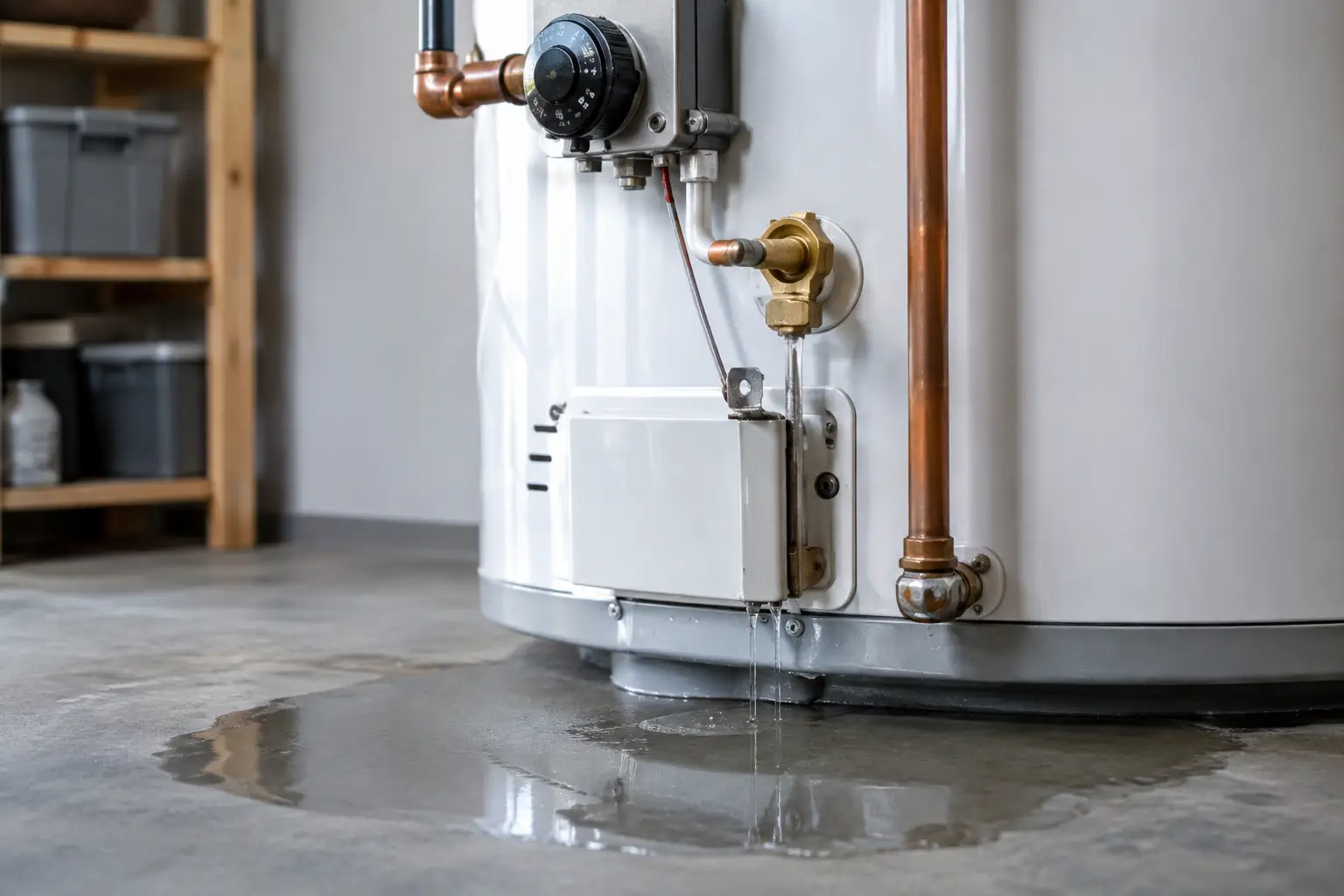
5. You see leaks, corrosion, or water around the boiler
Water where it does not belong deserves prompt attention. A small leak may come from a fitting, valve, pump seal, or pressure-relief component that can be repaired. But visible corrosion, recurring leaks, or a leaking boiler heat exchanger can indicate a more serious problem.
Do not ignore water damage around heating equipment. It can affect flooring, walls, electrical components, and nearby building materials. A technician can identify the source and explain whether a targeted repair is a sensible long-term solution.
6. The boiler makes new or increasingly loud noises
Boilers are not silent, but banging, whistling, rumbling, gurgling, or persistent clicking should not be dismissed as normal. These sounds may result from trapped air, mineral buildup, circulation issues, or internal component wear.
Noise alone does not confirm replacement is necessary. When it appears alongside poor heat, frequent repairs, leaks, or an aging system, it adds useful context. The goal is to determine what is causing the noise before it leads to a larger failure.
7. The pilot light or flame looks abnormal
For gas boilers, an abnormal flame or repeated ignition trouble needs professional attention. A healthy flame is typically steady and blue. A yellow or flickering flame, soot, unusual odors, or signs of scorching may point to incomplete combustion or another safety issue.
If you smell gas, leave the area, avoid operating switches or appliances, and follow your gas utility’s emergency guidance. Do not attempt to adjust gas components yourself. A licensed HVAC professional should inspect the boiler before it is returned to service.
8. Your boiler cannot keep up during cold weather
A boiler that runs continuously or struggles to maintain the thermostat setting on cold days may be undersized, inefficient, poorly maintained, or affected by a system problem. Chicago winters put real demand on heating equipment, so minor weaknesses can become obvious quickly.
Replacement may make sense when the existing boiler no longer has the capacity or reliability to serve the building. Proper sizing is critical. An oversized boiler can cycle inefficiently, while an undersized one can leave occupants uncomfortable when temperatures fall.
9. Replacement parts are obsolete or expensive
As systems age, certain controls and components may be discontinued or difficult to obtain. Waiting for an uncommon part during the heating season can leave a home or business without dependable heat longer than expected.
When a repair involves a costly part with no assurance that another aged component will not fail soon, a replacement quote provides useful information. It is not a pressure tactic. It is a way to compare two realistic paths with the facts in front of you.
10. You are planning renovations or a property upgrade
A renovation, addition, conversion, or major insulation project can change a building’s heating needs. It may be the right time to replace an aging boiler before walls are closed, access becomes more difficult, or new space places extra demand on the system.
Property owners can also use a planned installation to improve controls, address comfort complaints, and reduce the risk of an in-season breakdown. Planning ahead generally gives you more time to consider options and prepare the space for clean, efficient installation work.
Repair or replace? Ask for a clear comparison
The right decision is rarely based on one symptom. Ask your technician to explain the immediate repair, the condition of related components, expected reliability, and whether the boiler can operate safely and efficiently after service. You should understand what is urgent, what can wait, and why.
A transparent recommendation also accounts for your plans for the property. If you expect to move soon, a limited repair may be appropriate. If you intend to stay for years or manage a rental building where heat reliability is essential, investing in a replacement may provide greater peace of mind.
Shad Heating & Cooling approaches boiler decisions with honest upfront pricing, licensed and insured service, and a focus on lasting performance. A clean, professional evaluation should give you options without making you feel pushed into one.
What to do when you suspect a boiler problem
If the boiler is leaking, making unusual noises, failing to heat, or showing combustion concerns, schedule professional service promptly. Keep the area around the unit clear and note when the issue occurs, such as during a specific heating zone call or after a long run cycle. Those details can help speed up diagnosis.
For a suspected gas leak or carbon monoxide concern, treat it as a safety issue first. Leave the building if necessary, contact emergency services or your gas utility as appropriate, and do not operate the equipment until it has been inspected.
A boiler replacement is a significant home or property decision, but it does not have to be a rushed one. A timely inspection gives you the best chance to choose reliable heat before the next cold spell chooses for you.
Written by the Shad Heating & Cooling team
Frequently asked questions
How long does a boiler usually last?
Many boilers last 15 to 20 years with professional maintenance. Actual lifespan depends on installation quality, water conditions, usage, and how consistently the system has been serviced.
Is it better to repair or replace a 15-year-old boiler?
It depends on the repair needed, the boiler’s overall condition, and its history of breakdowns. A single minor repair may be worthwhile, while recurring or major failures can make replacement the more practical choice.
Can a leaking boiler be repaired?
Sometimes. Leaks from valves, fittings, or external components may be repairable. Corrosion, repeated leaks, or a compromised heat exchanger may make replacement a safer long-term option.
Should I replace my boiler before it fails completely?
If your boiler is aging, unreliable, or showing several warning signs, planned replacement can prevent a no-heat emergency and give you time to make a careful, informed decision.