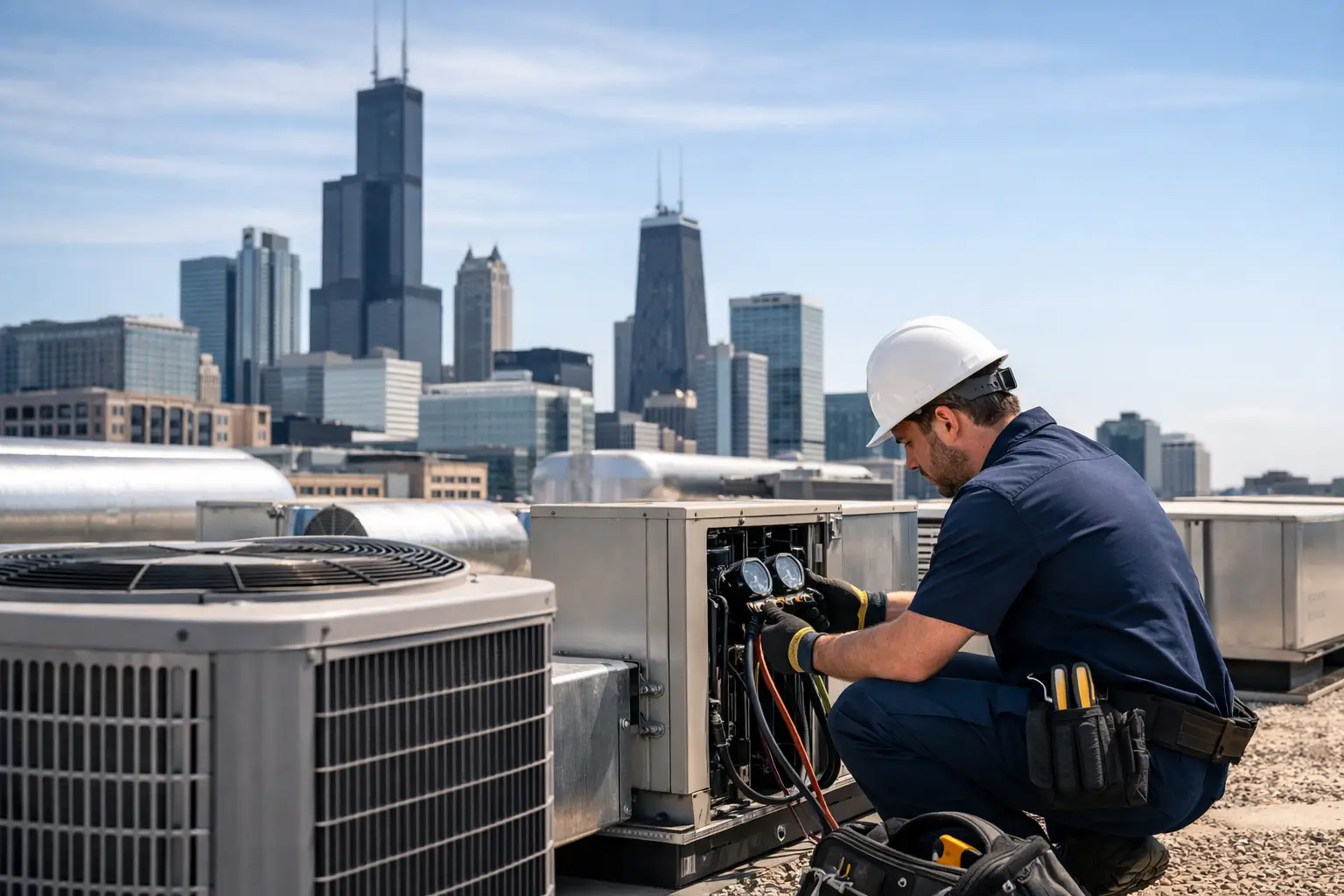
A rooftop unit that struggles through a humid July afternoon or a boiler that cycles unevenly during a January cold snap rarely fails without warning. For property owners and small-business managers, commercial HVAC maintenance Chicago is the practical work of catching those warnings before they become an uncomfortable space, a tenant complaint, or an emergency service call.
Chicago systems work hard. They may move from extreme cold to summer humidity in the same year, while serving spaces with varying occupancy, older construction, and different comfort needs. A thoughtful maintenance plan protects more than the equipment. It helps protect operations, indoor air quality, energy use, and the people who rely on the building every day.
Why Commercial HVAC Maintenance Matters in Chicago
Light commercial equipment is often expected to run for long hours with little attention. Restaurants, offices, retail spaces, rental properties, and multifamily common areas all depend on consistent heating and cooling, yet their systems face different demands. A storefront may have frequent door traffic. A multifamily building may need dependable boiler performance across several units. An office may see large changes in occupancy from one day to the next.
When maintenance is delayed, small issues tend to compound. A clogged filter can reduce airflow, forcing the system to work harder. A loose electrical connection can lead to unreliable operation. A worn belt, dirty coil, or drainage issue can put added strain on components that are already carrying a heavy seasonal load.
Preventive service does not eliminate every repair. Equipment can still fail unexpectedly, especially as it ages. It does, however, give a qualified technician a chance to identify wear, safety concerns, and declining performance early enough to make a clear, informed decision instead of reacting under pressure.
What a Professional Maintenance Visit Should Cover
Commercial maintenance should be based on the type of equipment, its age, how the space is used, and its service history. A small office with a single rooftop unit has different needs than a mixed-use property with boilers, unit heaters, and several cooling zones.
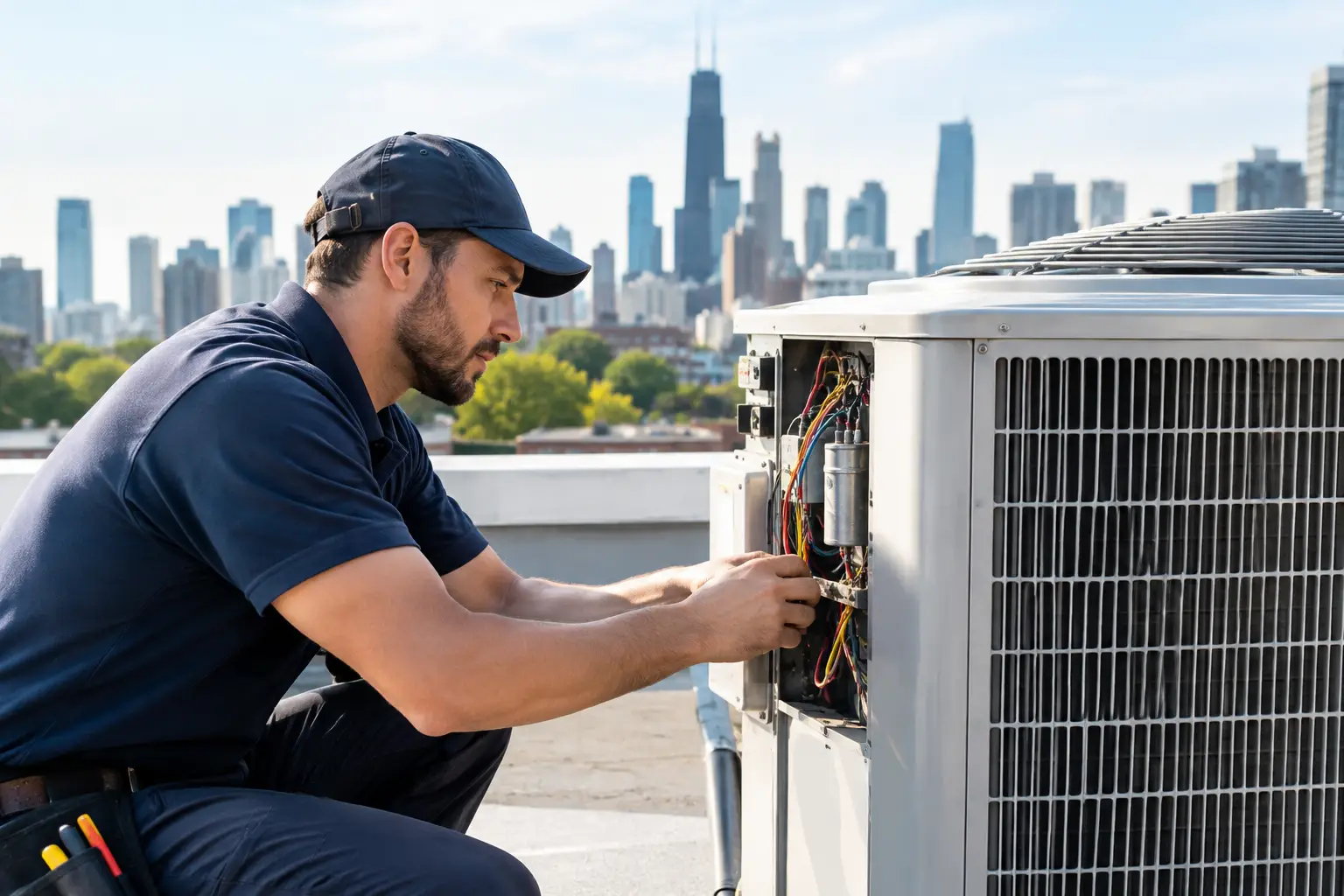
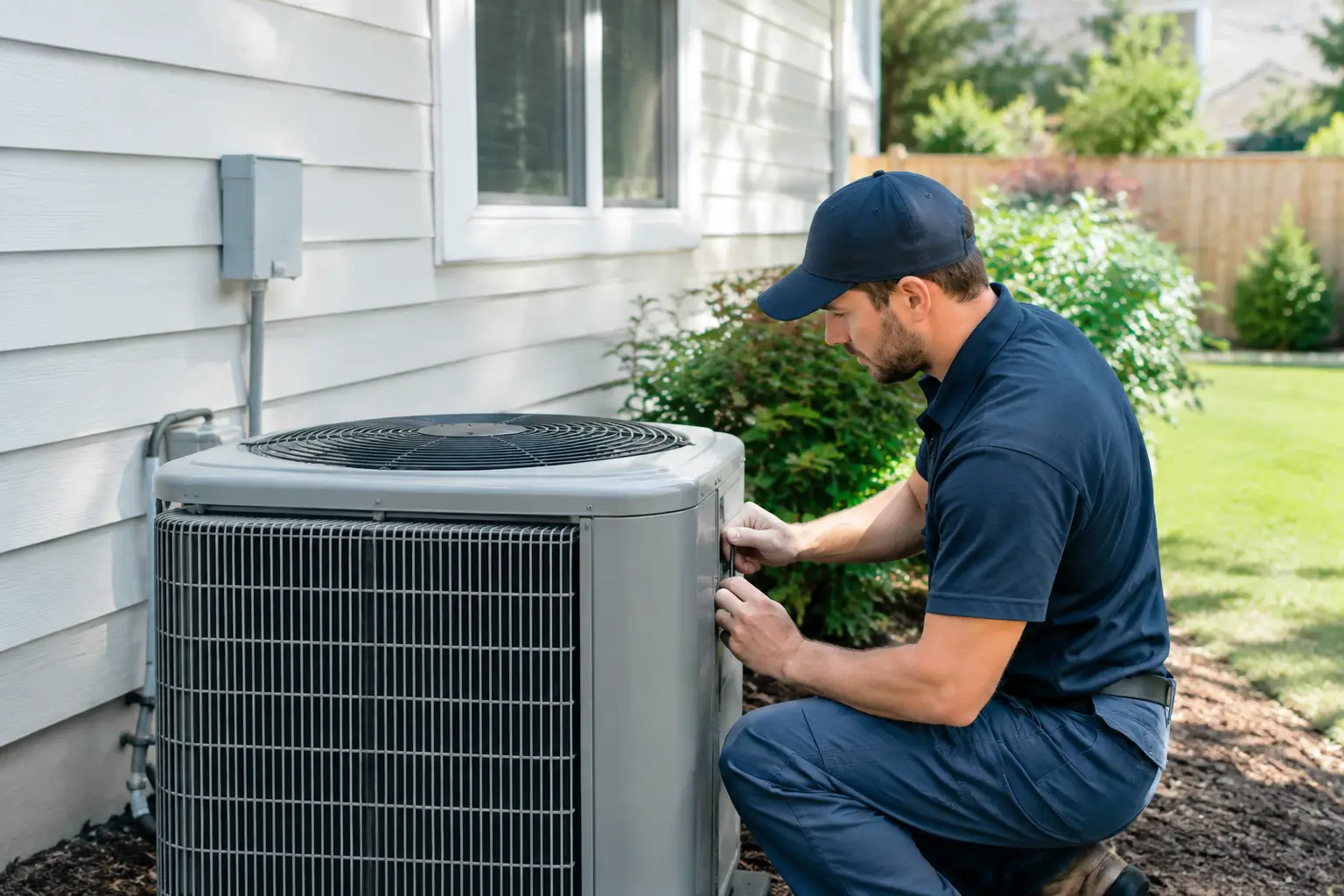
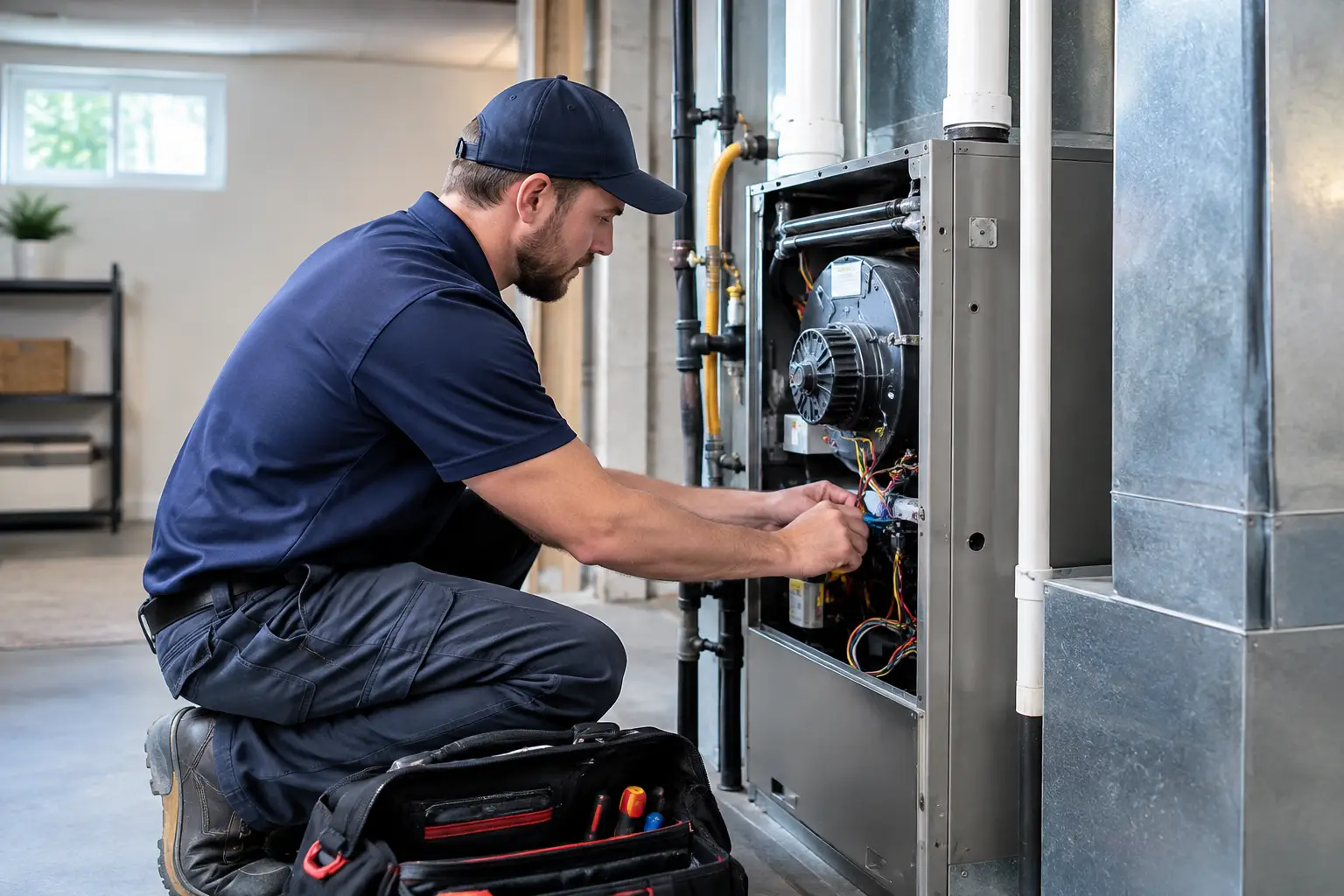
A thorough visit generally includes an inspection of operating performance, airflow, electrical components, controls, filters, safety systems, and visible wear. The technician should check that heating and cooling stages respond properly, look for signs of leaks or drainage problems, and verify that the equipment is operating within expected conditions.
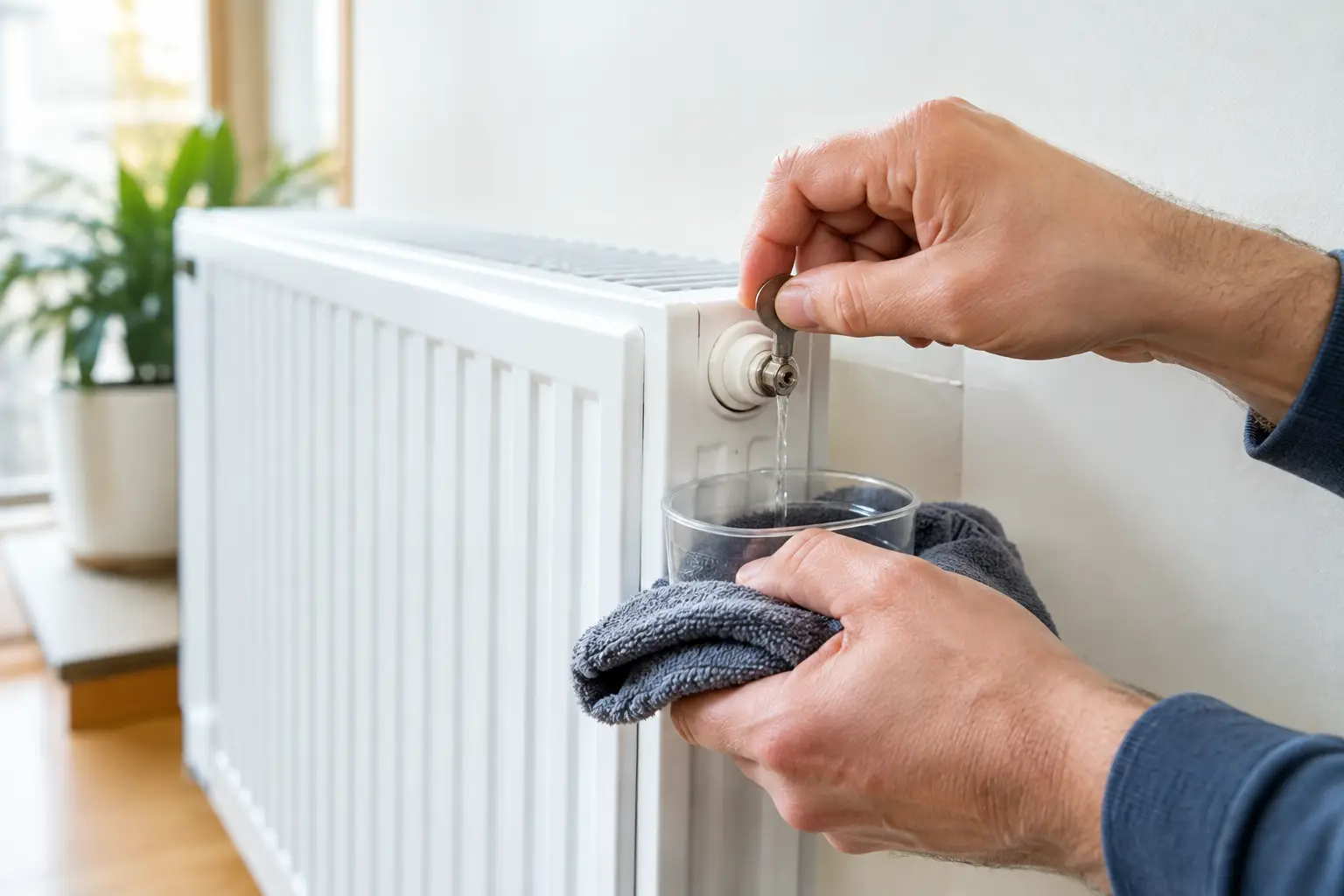
For heating equipment, that may include examining ignition components, burners, venting, gas connections, heat exchangers where accessible, and safety controls. For cooling systems, attention often goes to coils, condensate drains, refrigerant-related performance indicators, blower operation, and outdoor equipment condition. Boiler maintenance may also involve reviewing pressure, temperature, piping conditions, circulating components, and system controls.
The goal is not to create a list of unnecessary recommendations. It is to explain what is working, what needs attention now, and what should be planned for in the future. Clear findings and honest upfront pricing help owners make decisions that fit the building and budget.
Maintenance Is More Than Changing Filters
Filter replacement is essential, but it is only one part of HVAC care. Filters protect equipment and support better airflow when they are sized and installed correctly. In commercial spaces, replacement frequency depends on factors such as occupancy, pets in residential units, construction dust, outdoor air exposure, and the building’s indoor air quality needs.
A maintenance visit also looks beyond the filter. A system with a clean filter can still have a dirty coil, a failing capacitor, an imbalanced airflow issue, or a control problem that affects comfort and efficiency. Addressing those conditions early is where professional service adds real value.
A Seasonal Plan That Fits Local Weather
Most Chicago commercial properties benefit from service before the major heating and cooling seasons. Spring maintenance prepares air-conditioning equipment for humidity and high outdoor temperatures. Fall maintenance helps ensure furnaces, boilers, and other heating equipment are ready for sustained winter use.
The right schedule can vary. Properties with high occupancy, extended operating hours, older equipment, or critical temperature requirements may need more frequent attention. A neighborhood retail business may be fine with two planned visits each year, while a multifamily property with shared mechanical systems may need a more customized schedule.
Between appointments, building owners and managers should pay attention to recurring comfort complaints, unusual sounds, water near equipment, rising utility use, frequent cycling, or rooms that never reach the set temperature. These are useful details to share when scheduling service. They give the technician context and can help narrow down the cause faster.
Signs Your Building Should Be Checked Sooner
Waiting for a complete shutdown is rarely the best approach. Schedule an inspection when a system starts behaving differently, particularly before severe weather arrives.
Common warning signs include:
- Uneven temperatures between rooms, units, or zones
- Repeated thermostat adjustments with little improvement
- New banging, squealing, grinding, or rattling sounds
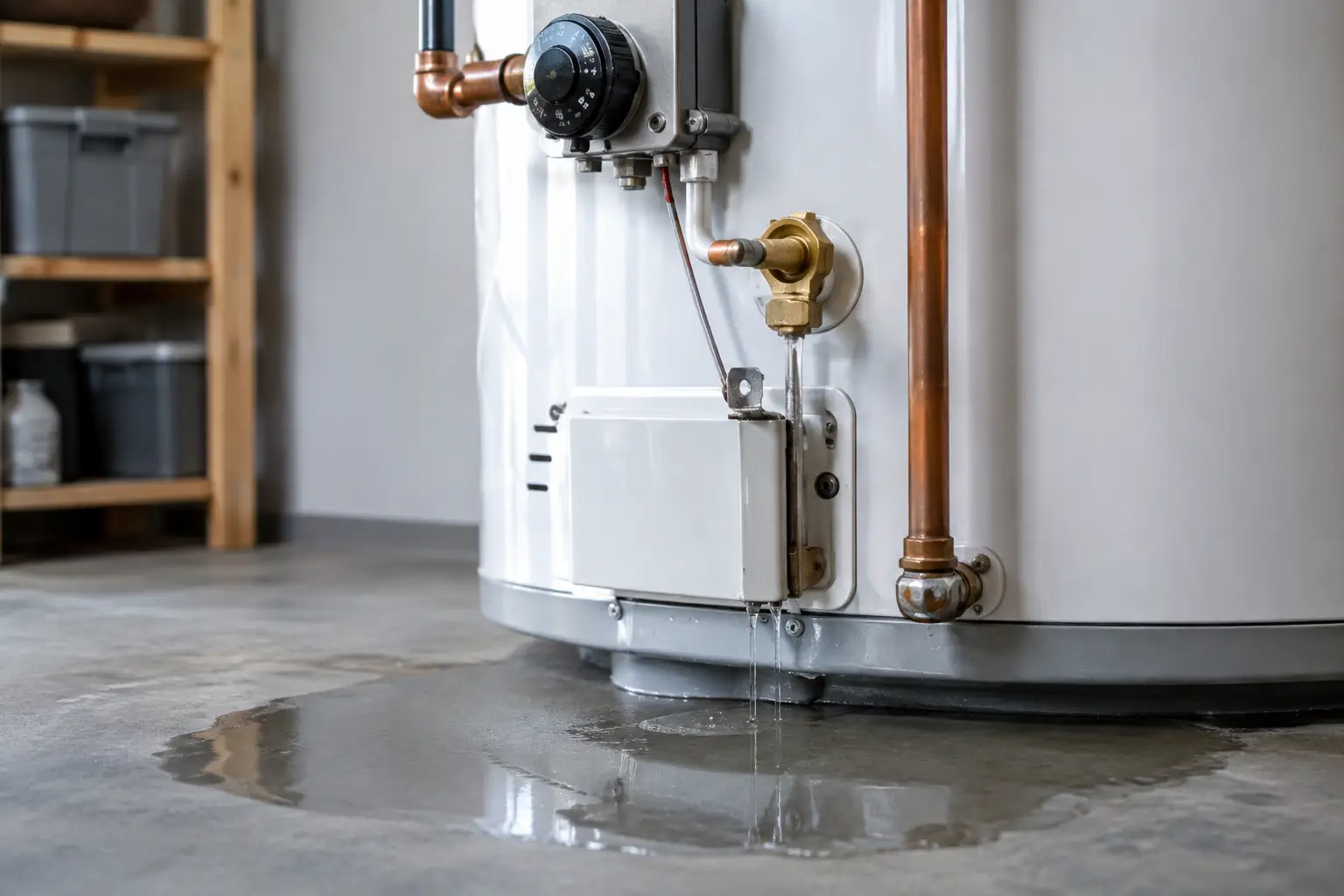
- Water around indoor equipment or a blocked condensate drain
- Short cycling, weak airflow, or unexpectedly high utility bills
- Boiler pressure concerns, unusual odors, or inconsistent heat
Some issues require faster attention than others. If there is a gas odor, suspected carbon monoxide issue, smoke, sparks, or a system that will not operate safely, stop using the equipment and contact a qualified HVAC professional promptly. Safety should always come before restoring comfort.
Maintenance, Repair, or Replacement: How to Decide
A dependable contractor should not recommend replacement simply because a unit needs service. Many maintenance-related issues can be corrected with a targeted repair, particularly when the equipment has been cared for and the repair addresses the actual cause of the problem.
Replacement becomes a more serious consideration when equipment has frequent breakdowns, cannot maintain comfort reliably, has major component failures, or is nearing the end of its useful service life. Energy use matters too, but it should be considered alongside repair history, equipment condition, installation quality, and the demands of the space.
For landlords and property owners, planning ahead can prevent a rushed decision during peak season. If a technician identifies a system that is becoming unreliable, you can evaluate options on your timetable and coordinate work around tenants or business hours. That is often less disruptive than replacing equipment after an unexpected failure.
Choosing a Commercial HVAC Partner
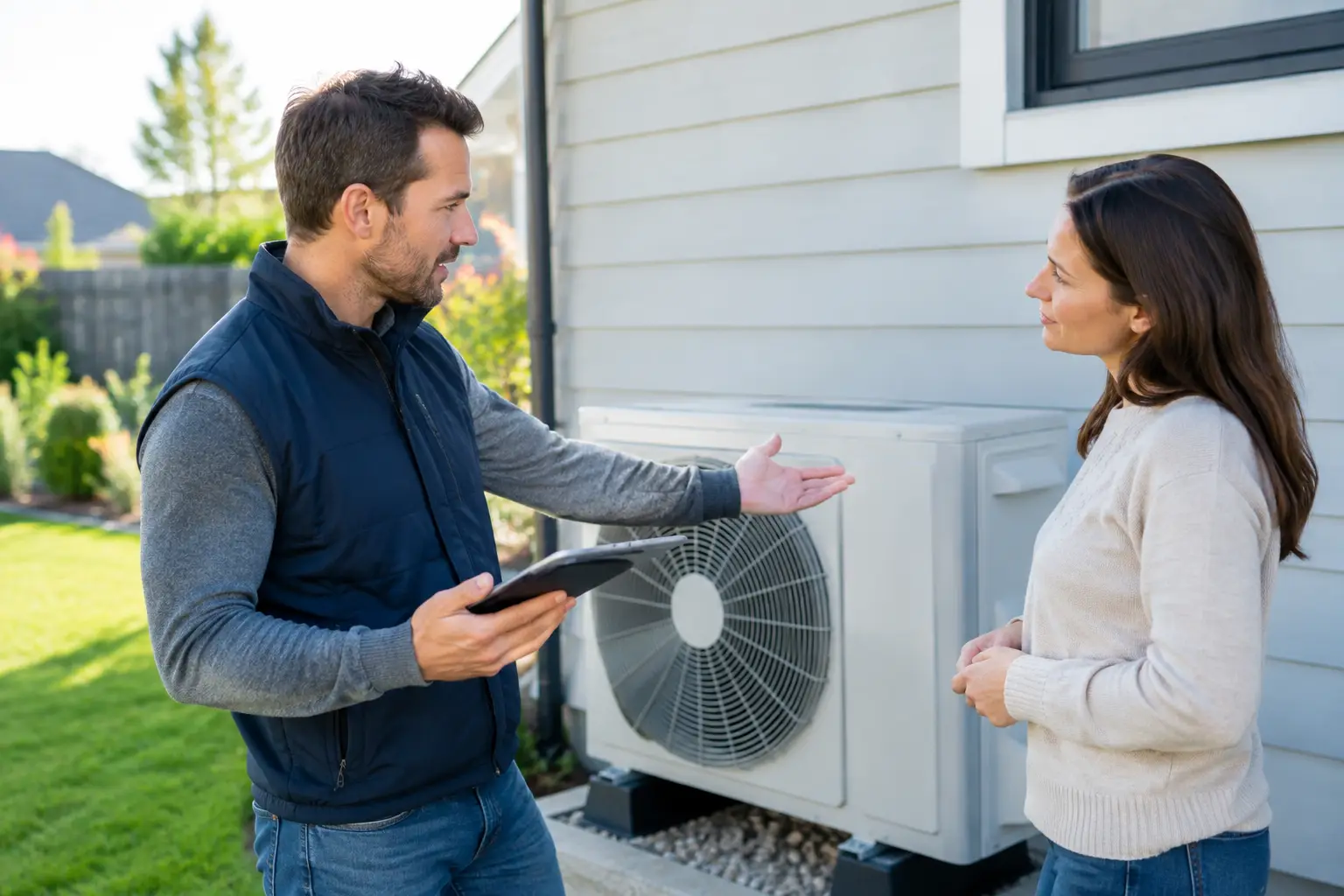
For light commercial properties, technical skill and communication both matter. You need a team that can work around occupants, keep the job site clean, explain findings plainly, and respect the fact that building downtime affects more than the equipment.
Look for licensed and insured professionals with properly trained technicians, a clear maintenance process, and transparent recommendations. Ask how service findings are documented, what the plan includes, and whether the company can support both routine visits and urgent repair needs. It is also reasonable to ask whether the technician has experience with the type of heating and cooling equipment in your property.
Shad Heating & Cooling provides maintenance and repair support designed around lasting system reliability, not temporary fixes. NATE-certified technicians assess the equipment carefully, communicate the condition clearly, and treat your property with care from arrival through cleanup.
A planned service visit is one of the simplest ways to protect reliable comfort before Chicago weather puts your equipment to the test. Scheduling maintenance before the next heating or cooling season gives you more time, more clarity, and fewer surprises when your building needs dependable performance most.
Written by the Shad Heating & Cooling team
Frequently Asked Questions
How often should commercial HVAC equipment be maintained?
Most light commercial systems should be professionally serviced at least twice a year, typically before cooling season and before heating season. High-use or older systems may benefit from more frequent visits.
Does preventive maintenance reduce emergency repairs?
It can reduce the likelihood of many avoidable breakdowns by identifying worn parts, airflow restrictions, drainage issues, and control problems before they worsen. It cannot prevent every unexpected failure.
What is included in boiler maintenance?
Boiler maintenance generally includes checking system operation, safety controls, pressure and temperature behavior, visible piping conditions, circulation components, and signs of leaks or wear. The exact scope depends on the boiler type and property setup.
When should I call for HVAC service instead of waiting for maintenance?
Call when you notice no heat or cooling, unusual odors or sounds, water leaks, repeated cycling, major temperature differences, or any concern that may affect safety. Early service can help limit disruption and protect the equipment.