
A furnace that quits during a January cold snap or an air conditioner that cannot keep up with a humid July afternoon rarely fails without warning. Small problems often build quietly: a dirty flame sensor, a weak capacitor, a clogged drain line, or airflow restricted by a neglected filter. An HVAC maintenance plan gives those issues a chance to be found early, when the repair is usually simpler, safer, and less disruptive.
For Chicago homeowners, landlords, and small-business owners, maintenance is not about paying for a visit that may not uncover a problem. It is about protecting the equipment responsible for heat, cooling, ventilation, and in some properties, hot-water boiler performance. A well-run plan creates a regular service record, supports reliable operation through severe weather, and gives you a clearer picture of what your system needs next.
Why an HVAC Maintenance Plan Is Worth It
Heating and cooling equipment works hardest when outdoor conditions are least forgiving. Furnaces, boilers, and heat pumps can run for long cycles in winter, while central air conditioners and ductless systems face sustained demand during humid weather. That workload exposes worn electrical parts, airflow problems, drainage issues, and combustion concerns that may not be noticeable during a mild week.
Routine service helps reduce the likelihood of a breakdown, but it cannot guarantee that a part will never fail. That distinction matters. A dependable contractor should not promise a maintenance visit will make an older system new again. Instead, the technician should inspect the equipment, perform appropriate cleaning and adjustments, test key safety and operating functions, and explain any findings in plain language.
The practical value is often early warning. If a blower motor is drawing abnormal amperage, a boiler pressure issue is developing, or refrigerant performance does not match expected readings, you can make a decision before comfort becomes an emergency. For rental properties and small commercial spaces, that predictability can also make scheduling and budgeting much easier.
What a Quality HVAC Maintenance Plan Should Include
The exact scope should match your equipment. A home with a gas furnace and central AC needs different checks than a two-flat with a boiler, or a business with several rooftop or ductless units. Still, a professional plan should include a thorough seasonal inspection rather than a quick look at the thermostat.
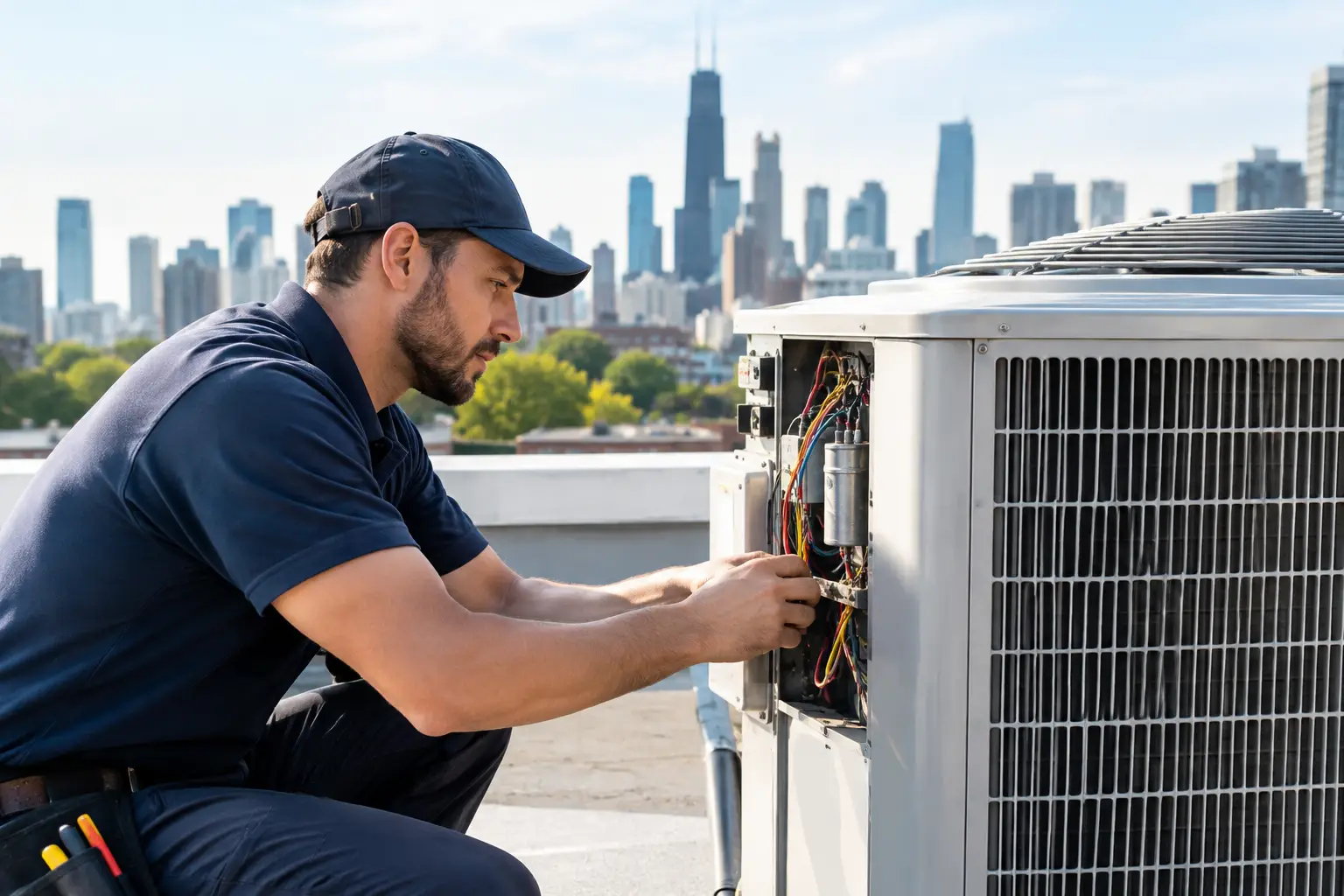
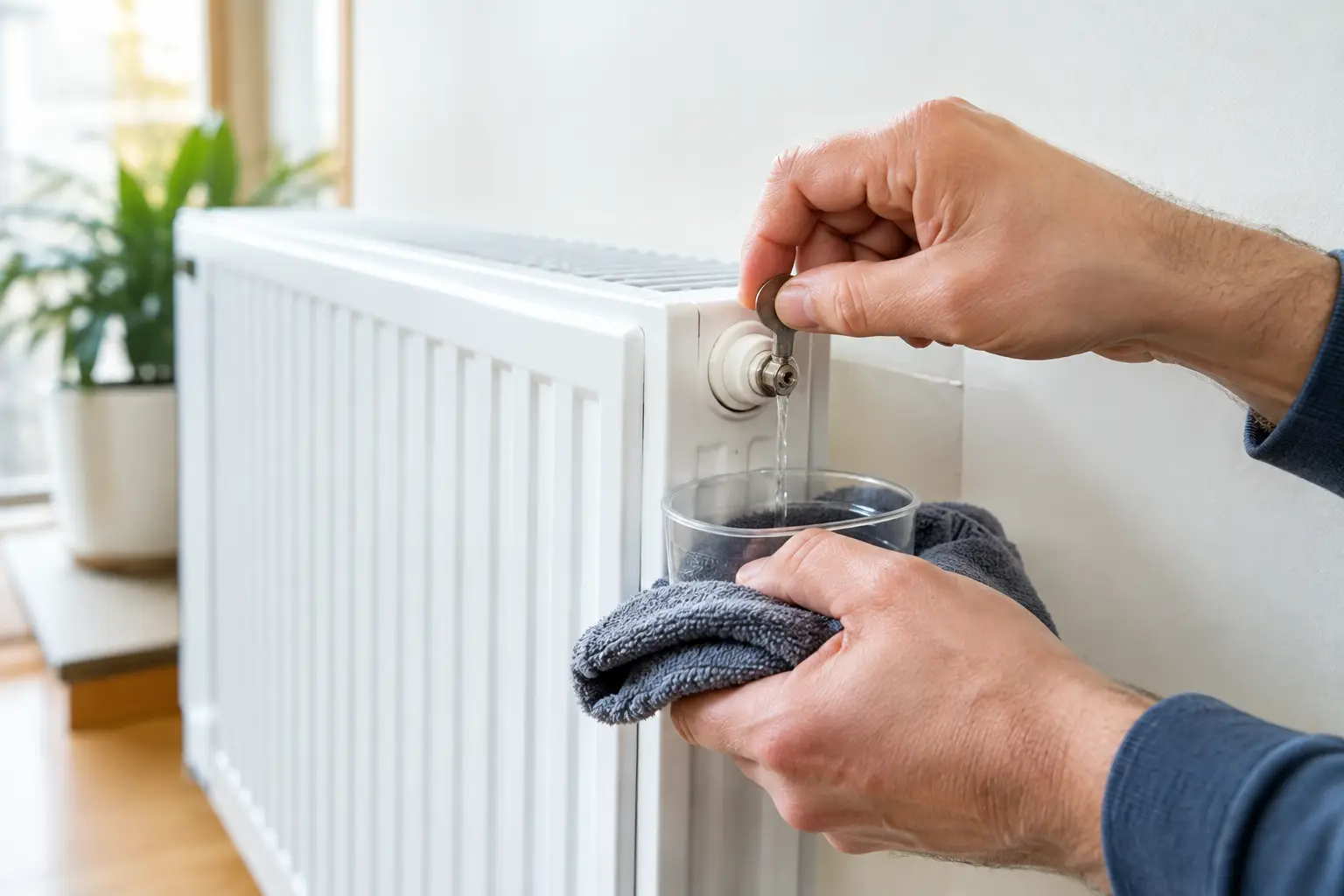
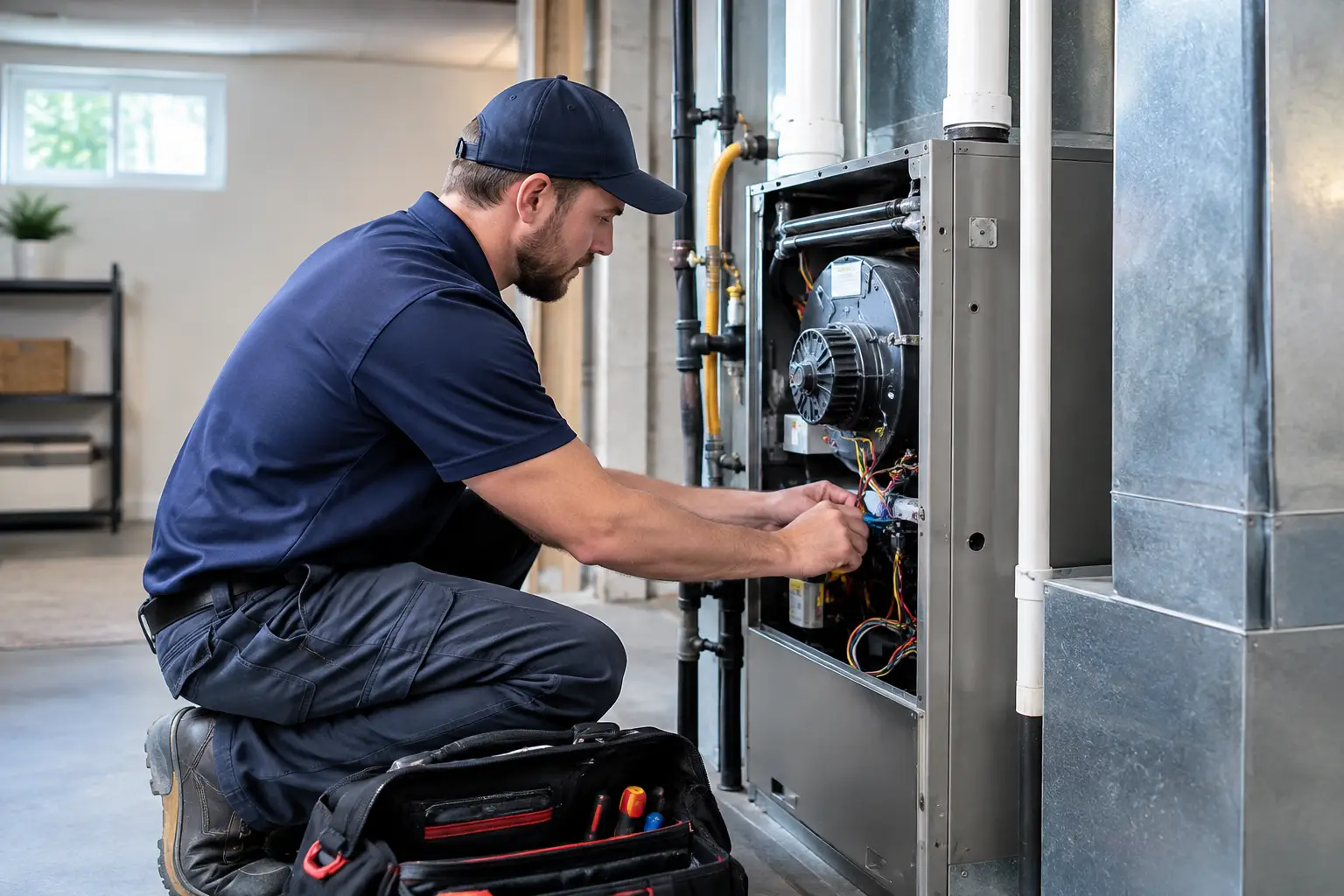
For heating equipment, technicians typically inspect the ignition system, burner operation, heat exchanger area, electrical connections, safety controls, blower components, filter condition, venting, and condensate drainage where applicable. For boilers, service may also include checking system pressure, circulator operation, expansion components, piping connections, and signs of leaks or corrosion. Combustion-related work requires trained, qualified service because safety is central to the job.
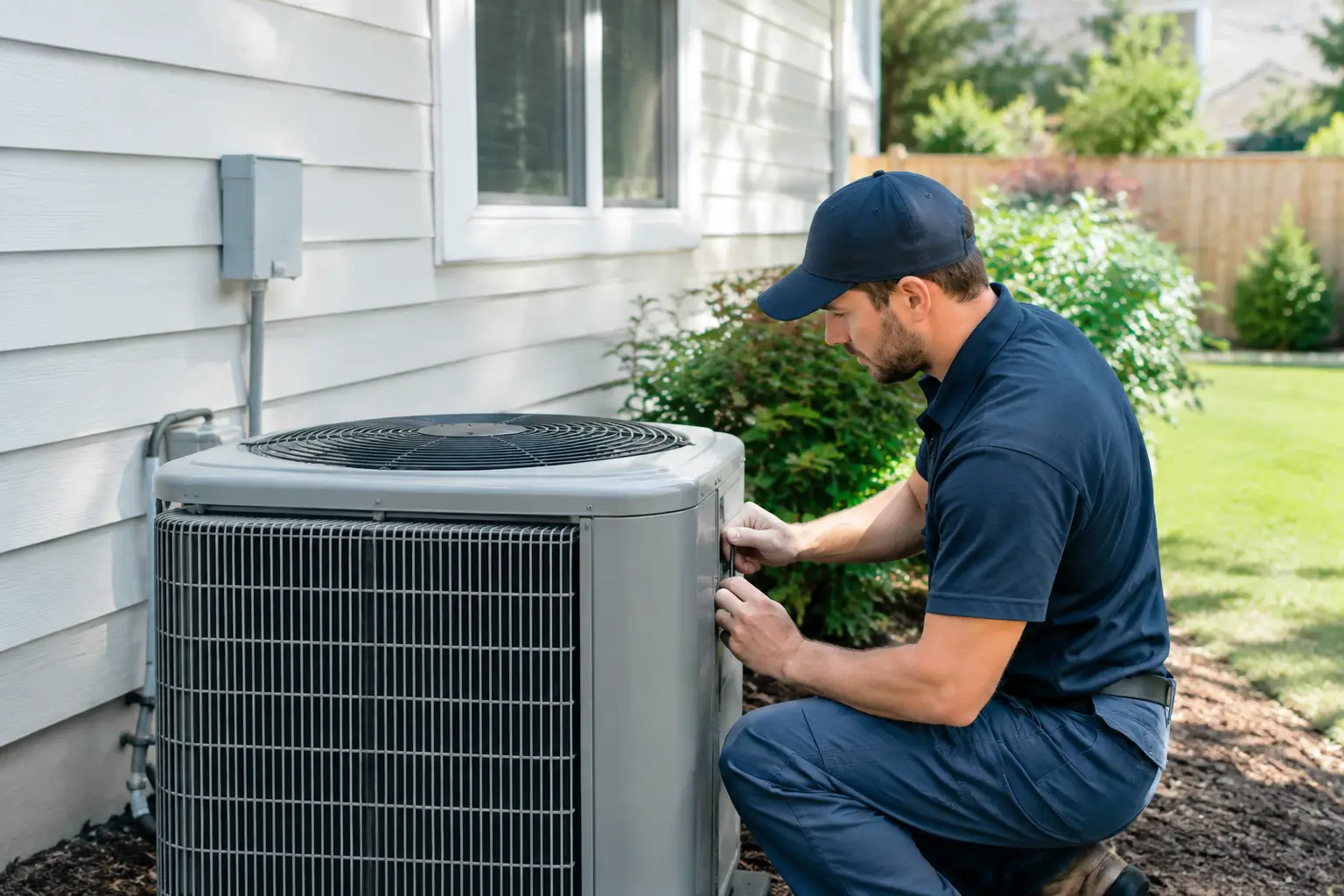
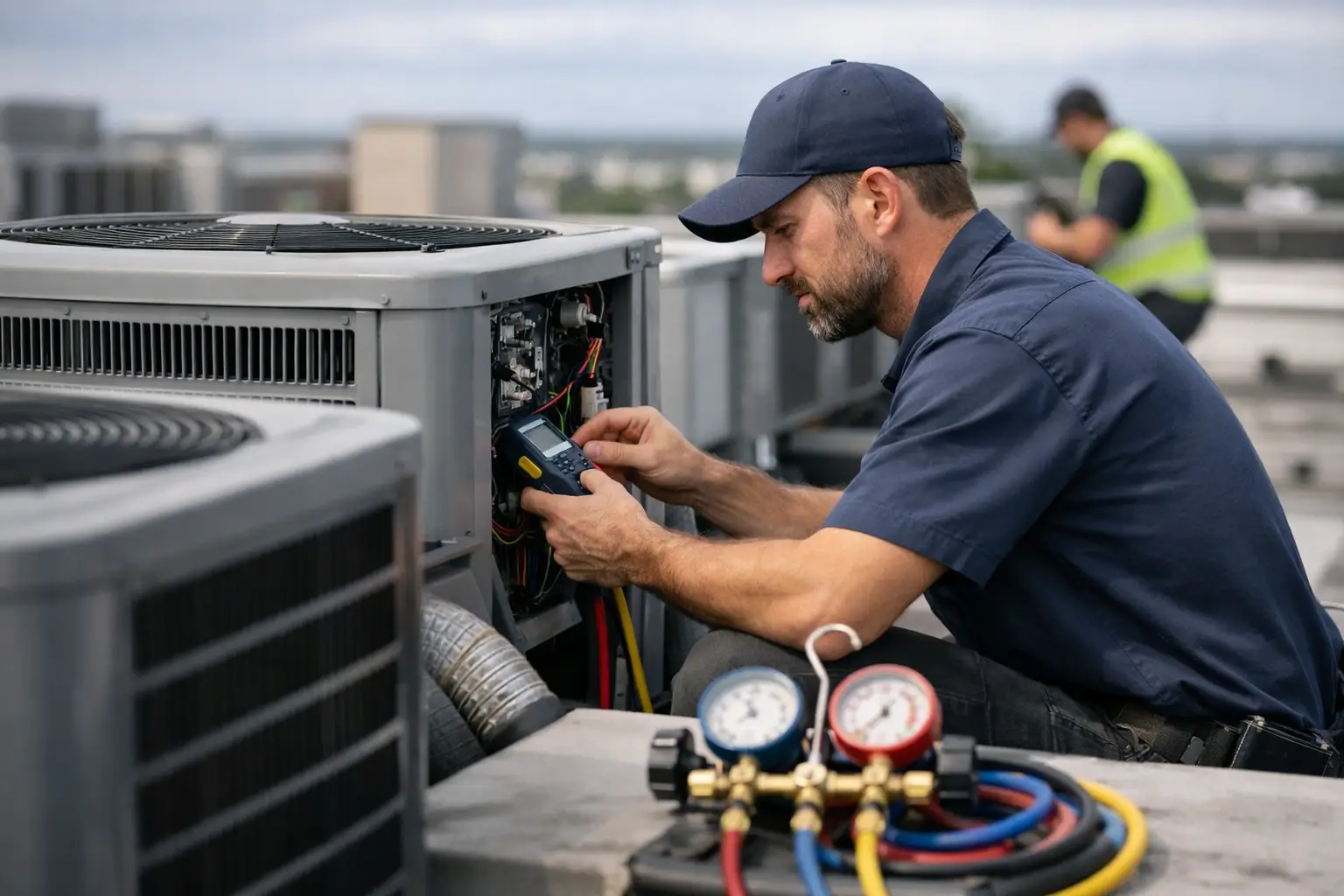
Cooling maintenance focuses on the outdoor condenser, indoor coil condition, refrigerant performance, electrical components, condensate drain, blower airflow, thermostat operation, and temperature split. Dirt on coils or a partially blocked drain may seem minor, but both can affect efficiency and lead to water damage or unnecessary wear if ignored.
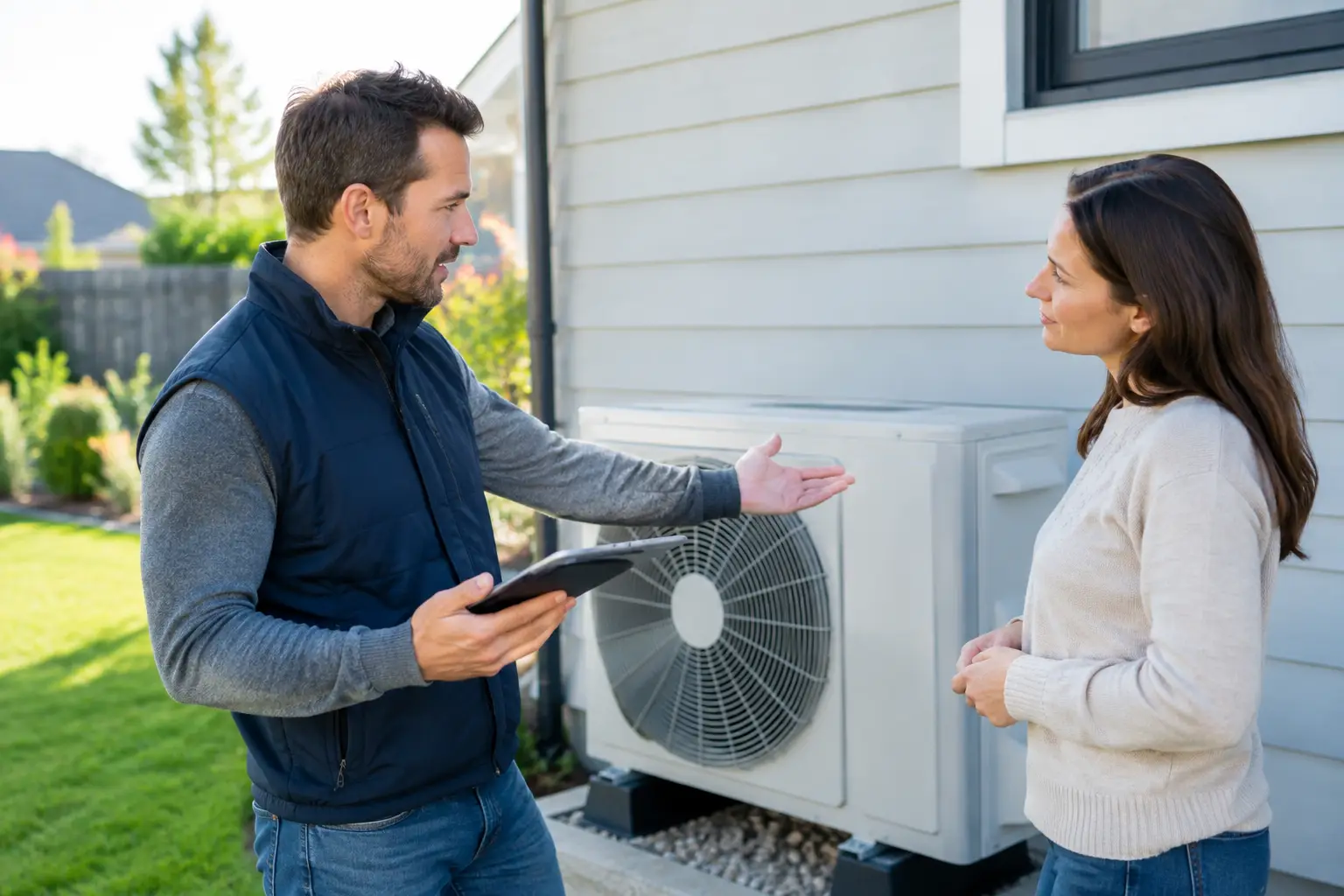
A worthwhile visit should also leave you with clear information. You should know what was checked, what was cleaned or adjusted, whether any repair is recommended, and how urgent that recommendation is. Honest upfront pricing means a repair recommendation is explained before work begins, not added as a surprise after the appointment.
Here are signs a maintenance plan is built around real system care rather than a rushed inspection:
- Seasonal appointments timed for heating and cooling demand
- Equipment-specific checks for furnaces, boilers, AC systems, heat pumps, or ductless units
- Safety testing and performance measurements, not just visual inspection
- Written findings with practical repair or replacement recommendations
- Priority scheduling or other defined benefits when service is needed
When to Schedule Heating and Cooling Service
Most properties benefit from two maintenance visits each year: one before the heating season and one before the cooling season. Early fall is a sensible time to prepare a furnace or boiler before extended cold weather arrives. Spring service gives your air conditioner time to be cleaned, tested, and repaired before the first stretch of high heat.
That schedule may need to change based on use and equipment. A light commercial space with long operating hours, a rental property with several systems, or a home with pets and heavy filter buildup may need more frequent attention. Older equipment may also deserve closer monitoring, especially when repair history suggests a recurring issue.
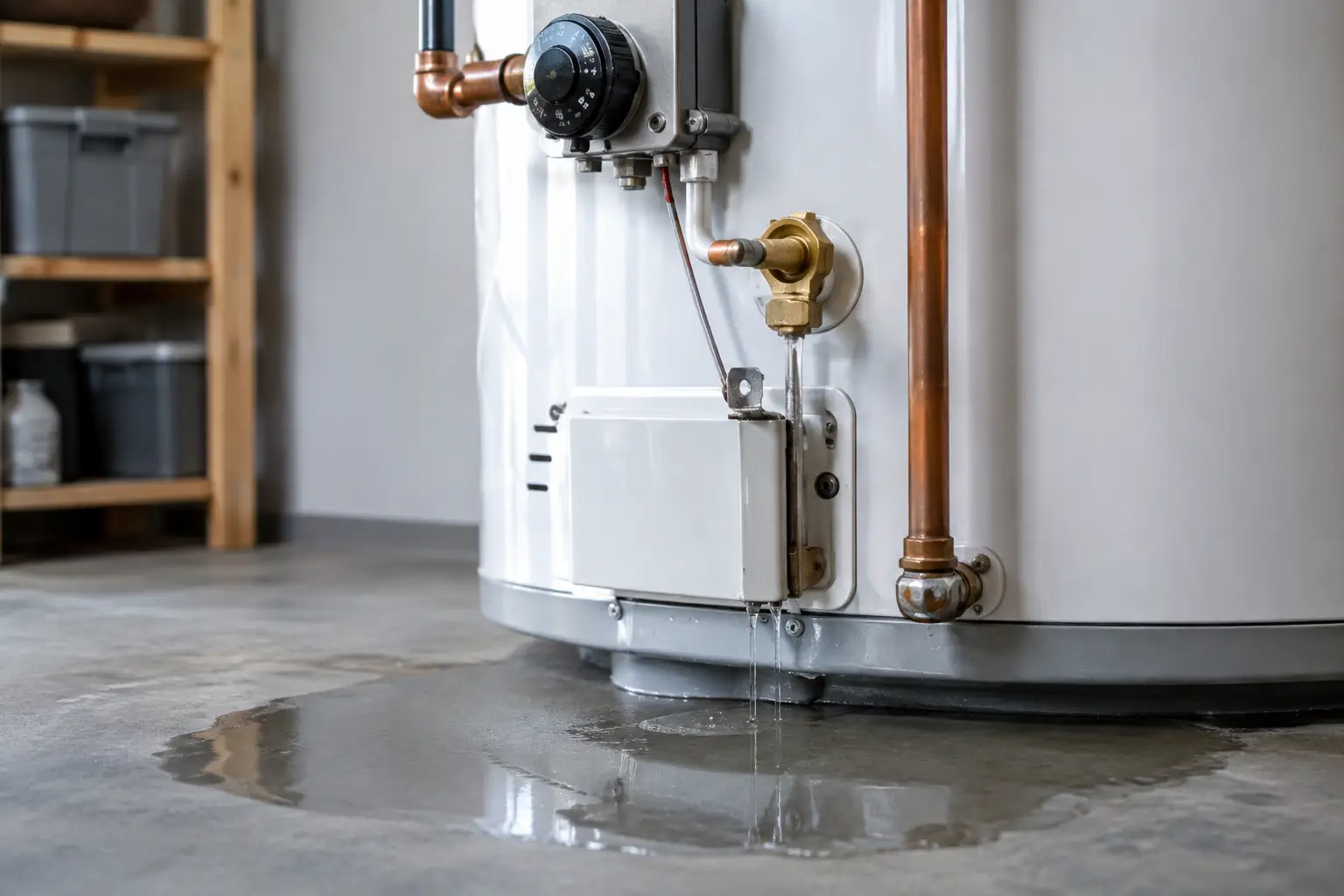
Do not wait for the “perfect” month if your system is already showing symptoms. Unusual noises, weak airflow, uneven rooms, water around equipment, repeated thermostat adjustments, or rising utility bills justify a service call now. Maintenance is preventive, but an active problem should be diagnosed rather than deferred until the next planned visit.
What You Can Do Between Professional Visits
Homeowners can help their system operate more reliably without attempting technical repairs. Replace or clean filters on the schedule recommended for your system and household conditions. A clogged filter can restrict airflow, reduce comfort, and put added strain on the blower.
Keep the area around your furnace, boiler, air handler, or outdoor unit clear. Outdoor condensers need room for airflow, while indoor mechanical areas should remain accessible for safe service. Check that supply and return vents are open and not blocked by furniture, rugs, or storage.
You can also pay attention to changes in normal operation. Note when the issue occurs, whether it affects every room, and whether you hear a new sound or smell something unusual. Those details help a technician diagnose the concern efficiently. Leave electrical repairs, refrigerant work, gas connections, and boiler adjustments to licensed professionals.
How to Choose the Right Plan and Provider
The lowest advertised plan price is not always the best value. Ask what the visit includes, whether the company services your specific equipment, and how recommendations are documented. A plan that skips combustion safety checks or does not include meaningful performance testing may offer less protection than it appears to.
Credentials and accountability matter as well. Look for a licensed and insured provider with trained technicians, clear pricing practices, and experience with the systems common in your property type. NATE-certified technicians bring recognized HVAC knowledge, but the customer experience matters too: arriving on time, protecting the work area, explaining options clearly, and cleaning up before leaving.
For landlords and property managers, confirm how scheduling, tenant communication, and service records will be handled. For homeowners, ask whether the plan provides priority response during peak seasons and whether repairs are reviewed with you before authorization. Shad Heating & Cooling approaches maintenance as an ongoing reliability service, not a reason to push unnecessary replacement.
Maintenance, Repairs, and Replacement Decisions
A maintenance visit may reveal that a repair is needed. That does not automatically mean replacement is the right answer. A newer system with a failed electrical component or drainage issue is often a straightforward repair. On the other hand, repeated major repairs, poor efficiency, safety concerns, unavailable parts, or an aging system near the end of its expected service life can make replacement worth considering.
The right decision depends on the condition of the equipment, the repair cost, your comfort goals, and the needs of the property. A clear recommendation should present the reason for the repair or replacement, the expected benefit, and the cost before you commit. You deserve enough information to choose confidently, without pressure.
Reliable comfort is built through small, timely decisions: changing the filter, responding to a new symptom, and scheduling professional care before peak season. Put your next maintenance visit on the calendar while your system is still working well, and you will be in a better position when Chicago weather makes it work hard.