A Chicago HVAC system has to handle more than a few uncomfortable days each year. It needs to keep a home safe during a subzero cold snap, manage heavy summer humidity, and operate reliably through long stretches of changing weather. For homeowners, landlords, and small-business owners, that makes heating and cooling decisions less about finding the lowest immediate price and more about protecting comfort, property, and operating costs over time.
The right solution depends on the system you have, the condition it is in, and how the space is used. A well-maintained boiler in a vintage two-flat needs a different approach than a high-efficiency furnace in a newer home or a ductless system serving a converted attic. Clear diagnosis and honest options matter because a temporary fix can become an expensive repeat problem when Chicago weather puts the system under pressure.
What Chicago HVAC Systems Are Up Against
Chicago winters place serious demands on furnaces, boilers, thermostats, venting, and electrical components. When temperatures fall quickly, a marginal part can fail without much warning. A furnace that has been cycling irregularly, a boiler with pressure issues, or a thermostat that is not communicating correctly may seem manageable until the heat is needed around the clock.
Summer creates a different kind of strain. Air conditioners must remove heat and moisture at the same time. If an AC unit is undersized, poorly maintained, or affected by restricted airflow, it may run for long periods without delivering even comfort. That can leave upstairs bedrooms warm, indoor air sticky, and utility bills higher than expected.
Older Chicago buildings add another layer of complexity. Many homes and multifamily properties have aging ductwork, radiators, boilers, limited mechanical space, or additions that were never fully accounted for in the original system design. Reliable comfort may require a focused repair, but it can also call for zoning, ductless AC, humidity control, or an equipment upgrade designed around the building rather than a one-size-fits-all recommendation.
When to Repair and When to Replace HVAC Equipment
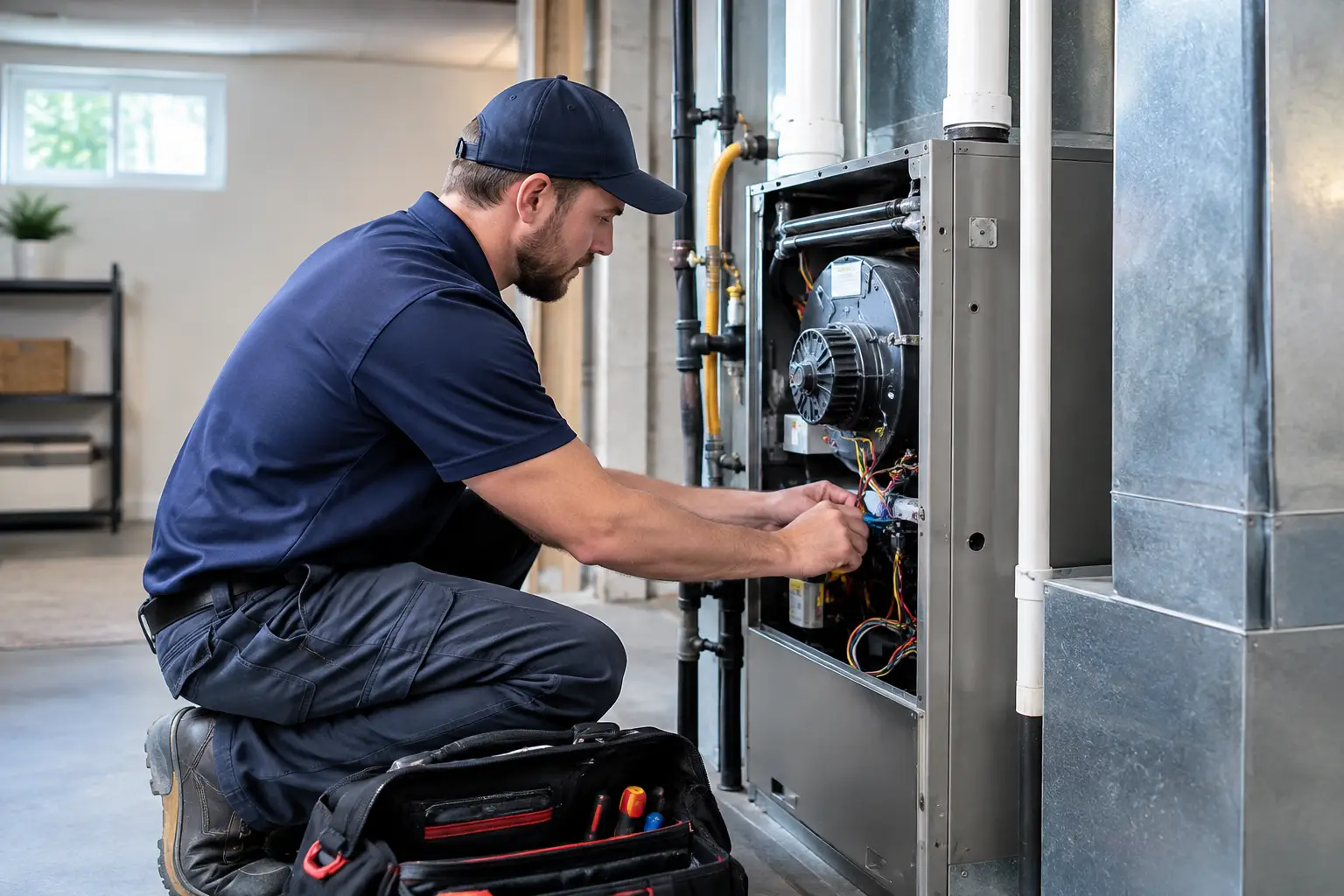
A repair is often the sensible choice when the equipment is relatively young, the issue is isolated, and the system has otherwise been dependable. Replacing a failed capacitor, ignition component, blower motor, control board, or thermostat can restore performance without requiring a major investment. The key is understanding why the part failed and whether the rest of the system is operating safely and efficiently.
Replacement deserves a serious conversation when repairs are becoming frequent, energy costs are climbing, or the system can no longer maintain consistent temperatures. Equipment age matters, but it is not the only factor. A 12-year-old furnace that has been maintained well may have useful life remaining. On the other hand, an older system with a cracked heat exchanger, major boiler corrosion, refrigerant concerns, or repeated breakdowns can become a safety and reliability risk.
Questions that lead to a better decision
Before approving a major repair or replacement, ask for a plain-language explanation of the diagnosis, the estimated cost, and the expected result. It is reasonable to ask whether the repair addresses the root cause or simply gets the unit running for now. You should also know whether a replacement would improve comfort, efficiency, safety, or long-term maintenance needs.
The least expensive option is not always the best value, but neither is the most expensive equipment. Proper sizing, careful installation, and clean workmanship have a major effect on performance. A premium system installed incorrectly can still short-cycle, leave rooms uneven, and cost more to operate.
Preventive Maintenance Is a Chicago HVAC Essential
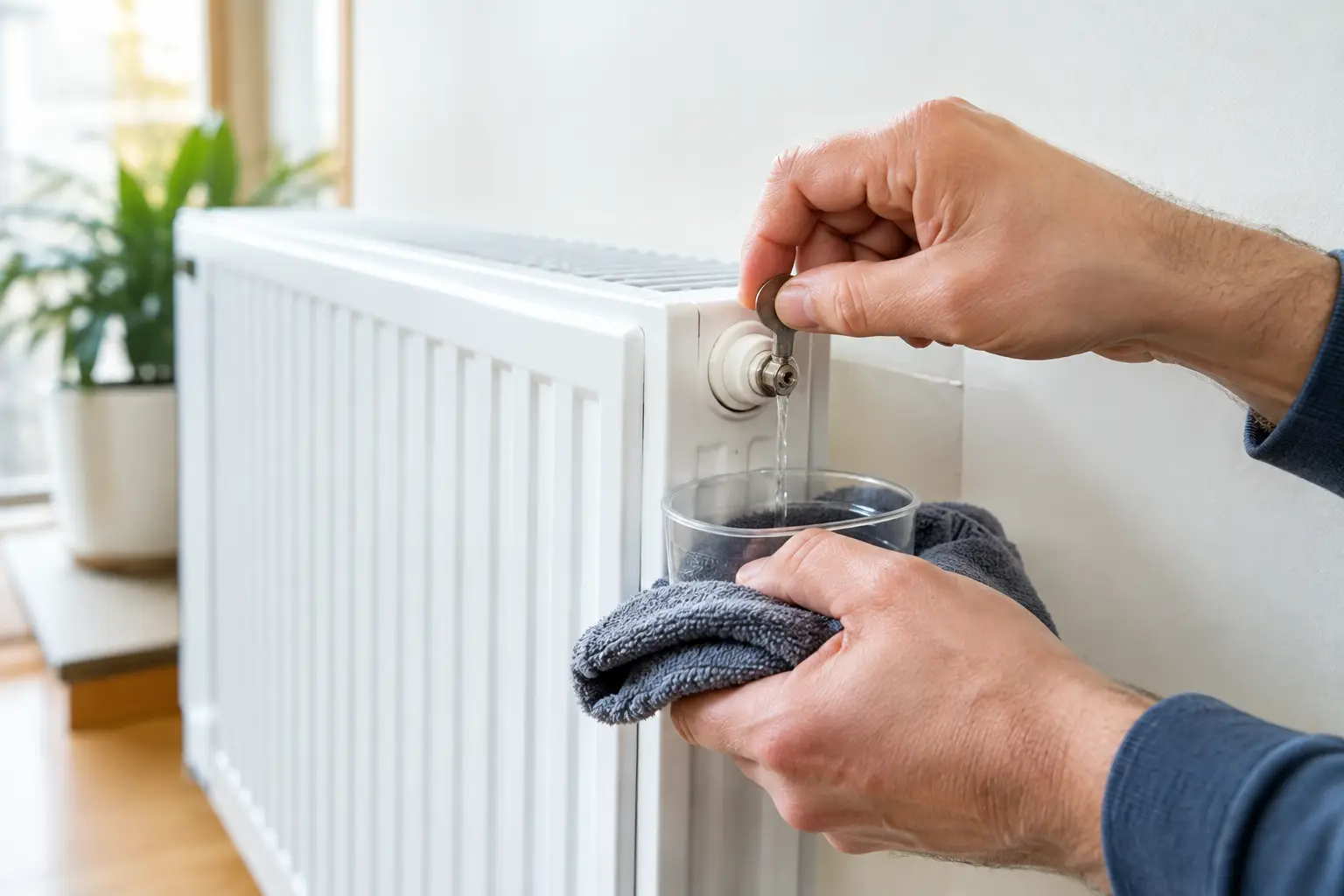
Maintenance is one of the most practical ways to prevent an emergency call. It gives a qualified technician the opportunity to inspect components before extreme weather exposes a weakness. For heating equipment, that includes checking safe operation, ignition, airflow, filters, electrical connections, venting, and system controls. Boiler maintenance may also involve checking pressure, piping, pumps, radiators, and signs of leaks or corrosion.
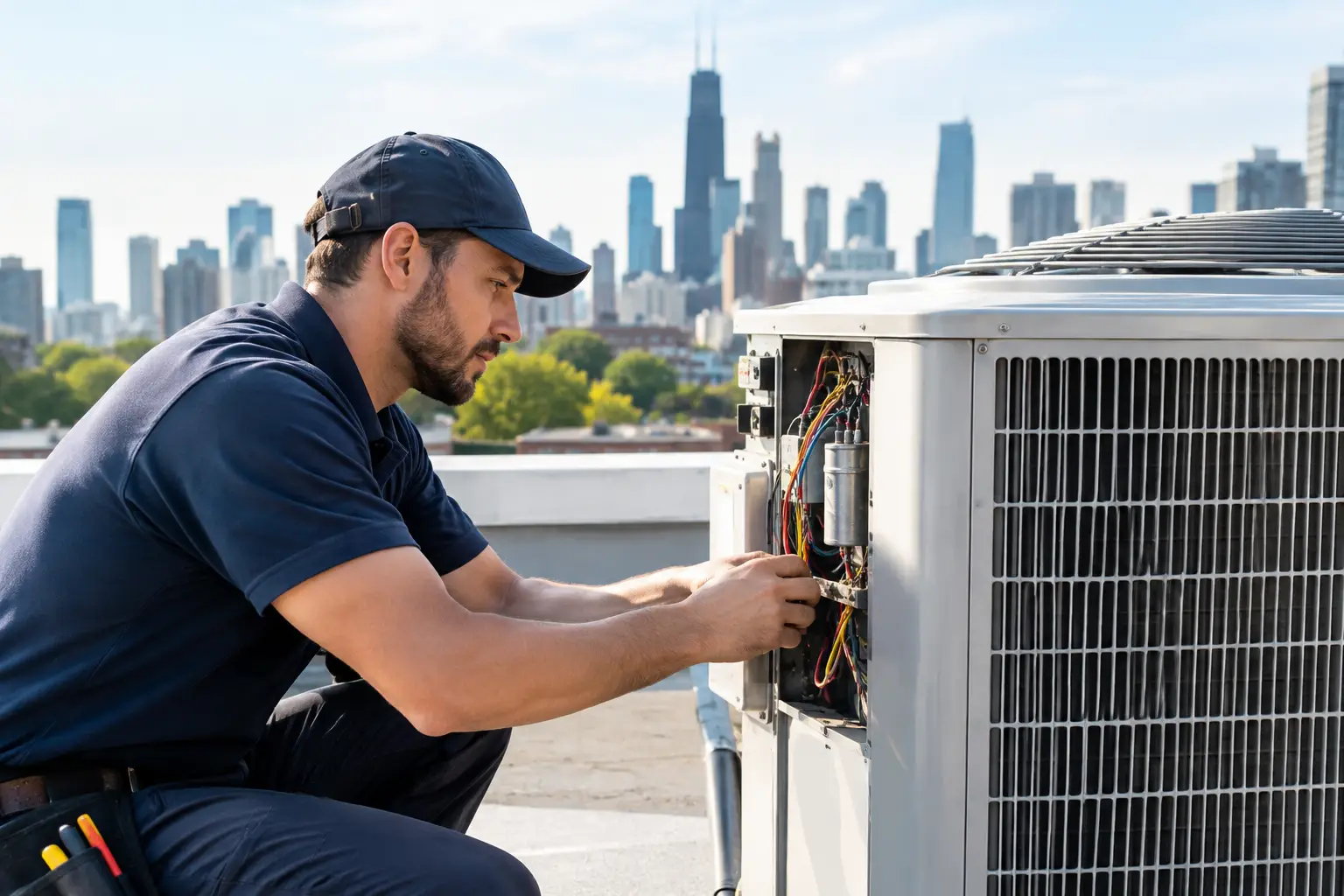
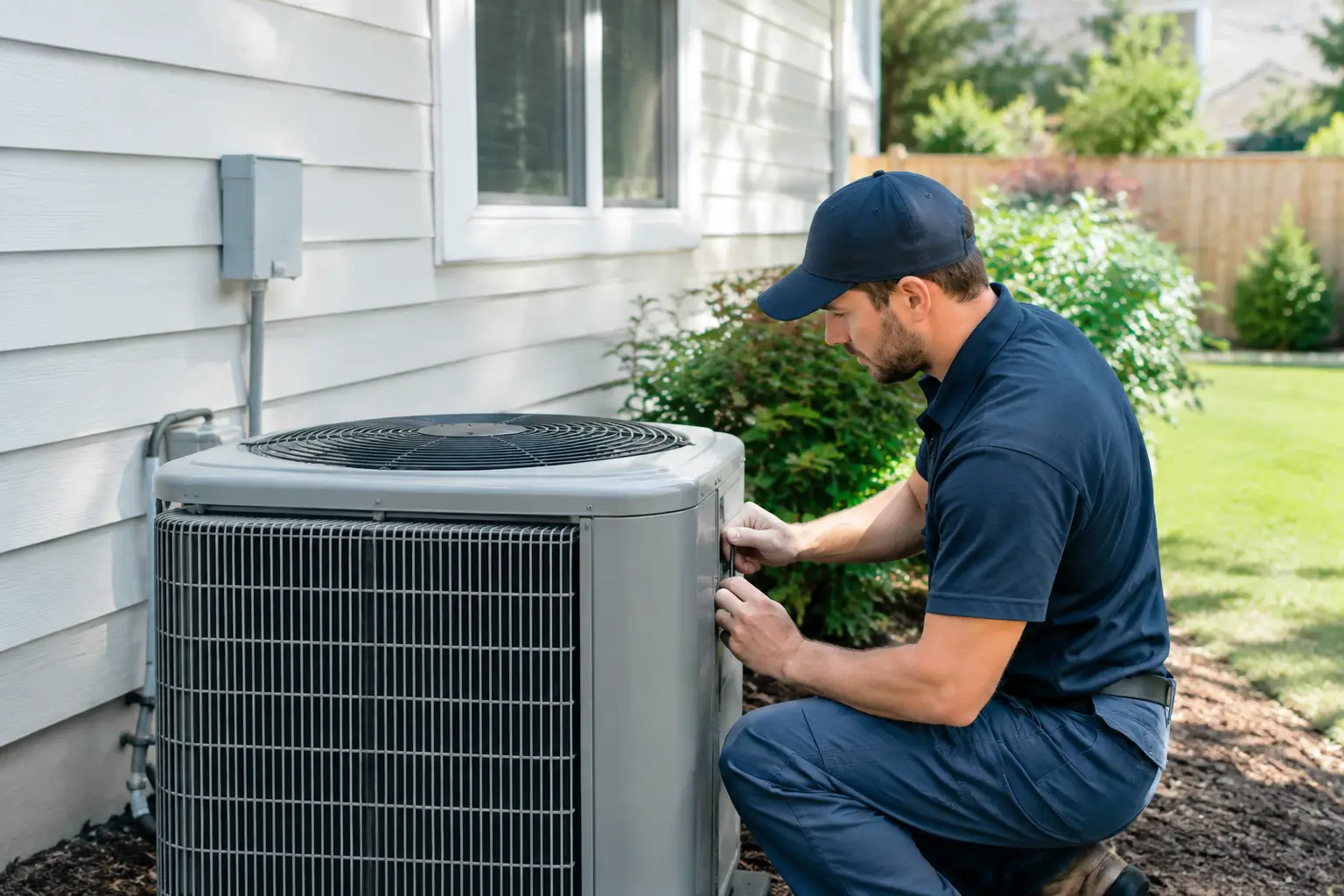
Air-conditioning maintenance focuses on the parts that affect cooling capacity and efficiency: coils, condensate drainage, refrigerant performance, blower operation, electrical components, and airflow. A clogged drain or dirty coil may not sound urgent, but either issue can lead to water damage, reduced cooling, or a shutdown during a hot week.
For most properties, heating maintenance in early fall and AC maintenance in spring is a practical schedule. Rental and commercial properties may benefit from more frequent attention, especially when multiple occupants depend on one system or downtime creates a business disruption. Maintenance plans can also help property owners keep service history organized and reduce the chances of a surprise failure.
Indoor Air Quality Affects More Than Comfort
Temperature is only one part of a healthy indoor environment. Chicago homes are often closed tightly during winter, which can trap dust, allergens, odors, and dry air indoors. During humid weather, excess moisture can make a home feel warmer and encourage conditions that are uncomfortable for occupants.
Whole-home humidifiers can help address overly dry winter air, which may contribute to dry skin, static electricity, and discomfort. Dehumidifiers can make summer spaces feel more comfortable without forcing the air conditioner to work as hard. Air purification and improved filtration can be useful for households concerned about allergens, pet dander, dust, or other airborne particles.
The best indoor air quality recommendation depends on the home and the concern. A family with allergies may benefit from filtration and air purification, while a home with persistent humidity needs may require drainage, ventilation, or equipment adjustments. A careful evaluation prevents spending money on an accessory that does not solve the actual problem.
Common Warning Signs to Address Early
Some HVAC issues announce themselves clearly, while others begin as small changes in comfort or system behavior. It is wise to schedule service when you notice any of the following:
- Uneven heating or cooling between rooms
- New banging, grinding, rattling, or whistling noises
- Frequent cycling or a system that runs continuously
- Weak airflow from vents or rooms that never reach the set temperature
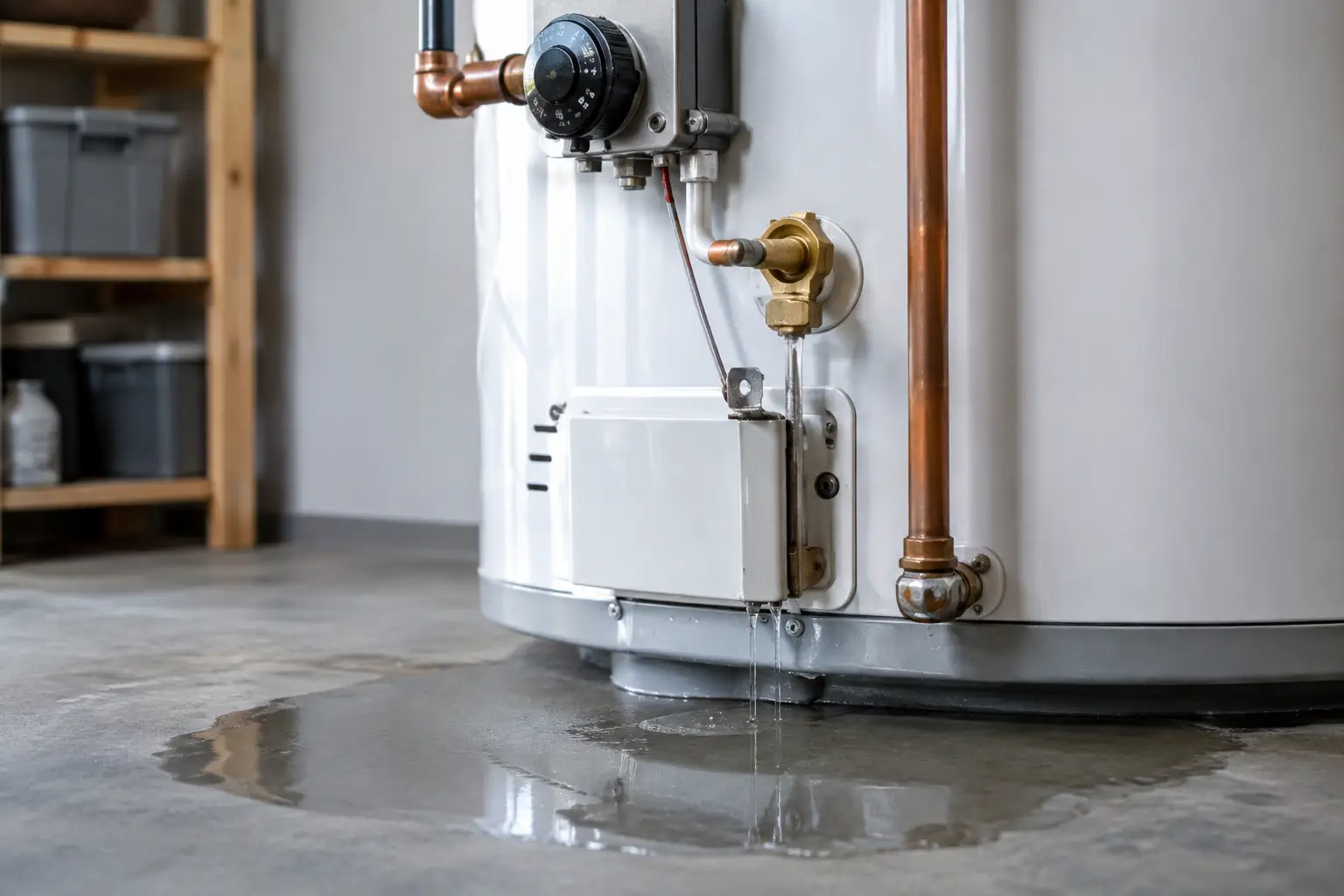
- Water near indoor equipment, boiler piping, or the AC unit
- Unusual odors, rising utility costs, or a thermostat that behaves inconsistently
A loss of heat in winter, a suspected gas odor, a carbon monoxide alarm, smoke, or electrical burning smells require immediate attention. Turn off equipment when it is safe to do so, follow emergency safety guidance, and arrange professional service promptly. Waiting for normal business hours can put people and property at risk when a heating or cooling failure is severe.
What Dependable Service Should Look Like
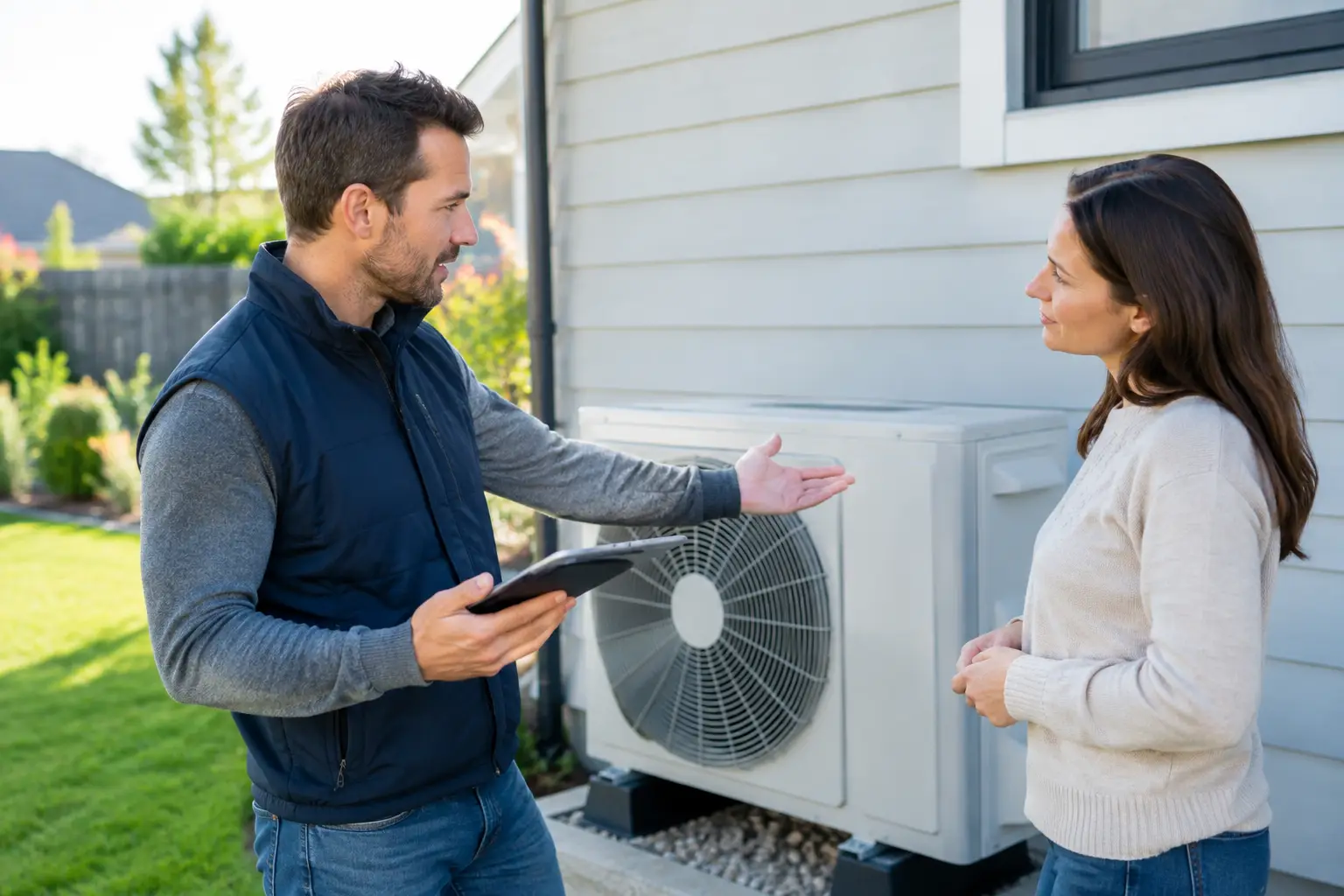
When an HVAC technician arrives, you should receive more than a quick guess and a large invoice. Dependable service begins with listening to the problem, inspecting the system, and explaining the findings in terms you can understand. It includes upfront pricing before work begins, respect for the home or business, and a clean work area when the job is finished.
Credentials also matter. NATE-certified technicians, licensed and insured operations, and experience with furnaces, boilers, air conditioners, heat pumps, ductless systems, and zoning all help protect the quality of the work. For complex repairs or replacements, the contractor should consider equipment compatibility, airflow, drainage, electrical requirements, combustion safety, and future maintenance access.
Shad Heating & Cooling approaches service with that long-term perspective: solve the immediate comfort problem, explain the available options clearly, and avoid recommending work that does not serve the property. That matters whether the job is an emergency furnace repair, a boiler tune-up, an AC replacement, or an indoor air quality improvement.
Plan Before the Weather Forces the Issue
The best time to assess an aging system is usually before it fails. If your furnace, boiler, or air conditioner has shown signs of decline, schedule an inspection while there is time to compare repair and replacement options without pressure. Keep filters changed, do not block supply or return vents, and pay attention to changes in noise, airflow, and energy use.
Reliable comfort is built through timely maintenance, accurate diagnosis, and work that is done carefully the first time. A small concern addressed early can protect your home, your budget, and the people who depend on the space when Chicago weather becomes less forgiving.