
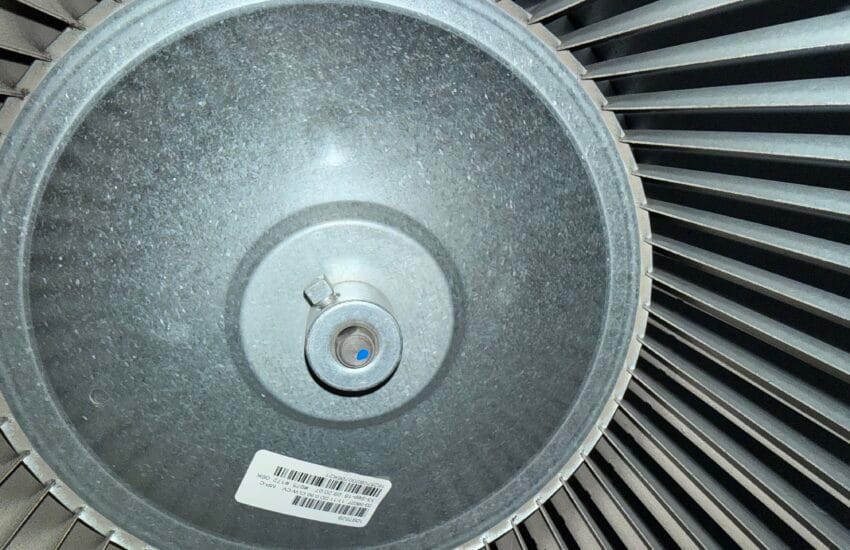
In heating, ventilation, and air conditioning (HVAC) systems, blower motors are pivotal components that facilitate the movement of conditioned air throughout a building. These electric motors function by driving a fan, which actively circulates air from the heating or cooling unit into the spaces within a structure. The efficient operation of blower motors directly impacts the overall efficacy and comfort of the HVAC systems, making their understanding crucial for optimal performance.
Blower motors are responsible for regulating airflow, which is essential in maintaining desired temperature levels in various settings. When the thermostat signals for heating or cooling, the blower motor kicks in to push air across the heating or cooling coils, allowing the system to alter the air temperature before it enters living or working spaces. This process ensures that occupants experience consistent indoor comfort regardless of external weather conditions.
Components of a blower motor typically include the motor itself, the fan, and various electrical elements that facilitate its operation. The motor is usually a single-phase induction motor, which is known for its reliability and efficiency. The fan, often a squirrel cage type, is designed to move a substantial amount of air with minimal noise and energy consumption. Additionally, components such as capacitors and relays are vital for controlling the motor’s speed and ensuring its responsive operation within the HVAC system.
The performance of the blower motor not only affects the immediate climate of a space but also influences the efficiency of the entire HVAC system. For instance, a well-maintained motor can improve energy efficiency, while a dirty or malfunctioning motor may lead to increased energy costs and a diminished lifespan of the system. Therefore, understanding the role and functionality of blower motors is essential for anyone seeking to enhance HVAC performance in Chicago’s varying climate.
The Impact of a Clean Blower Motor on HVAC Performance
A clean blower motor is pivotal for the optimal functioning of HVAC systems. When blower motors are free from dust, debris, and other contaminants, their efficiency significantly improves. A clean blower motor reduces the workload on the system, allowing it to operate smoothly and effectively. This not only results in enhanced airflow but also minimizes the strain on other components, leading to a longer lifespan for the entire HVAC unit.
Efficiency is perhaps the most crucial aspect affected by cleanliness. According to industry studies, a dirty blower motor can cause a decrease in efficiency of up to 15%. This drop is significant and can lead to higher energy bills, as the system compensates for its inefficiency by consuming more power. Regular maintenance, including thorough cleaning of the blower motor, ensures that the system operates at peak performance, thereby reducing energy consumption and costs.
Moreover, a clean blower motor plays a vital role in maintaining indoor air quality. When dust and pollutants accumulate on the motor and within the HVAC system, they can be dispersed throughout the building, compromising the air that occupants breathe. Clean blower motors help keep air quality high by facilitating proper airflow and reducing allergens. For instance, a study conducted in Chicago highlighted that homes with regularly maintained HVAC systems reported a 30% reduction in airborne particulates compared to those with neglected systems.
In conclusion, regular maintenance and thorough cleaning of blower motors not only enhance HVAC efficiency but also improve overall air quality and energy savings. Investing in these routine cleanings leads to long-term benefits, confirming the significance of a clean blower motor in sustaining HVAC performance.
Consequences of a Dirty Blower Motor
Neglecting blower motor maintenance can have far-reaching consequences that directly impact HVAC efficiency. A dirty blower motor is often a primary culprit in decreased airflow and hesitation in heating or cooling performance. As dust and debris accumulate on the motor and fan, their ability to operate optimally diminishes. This obstructions can drastically lower system efficiency, making it work harder to achieve desired indoor temperatures.
Higher energy bills are typically observed in systems afflicted by a dirty blower motor. Consequently, homeowners may experience increased operating costs due to the additional energy required to push air through a congested system. This arduous task leads to an overworked blower motor, further exacerbating energy consumption and undermining budgeted expenses.
Furthermore, the prolonged use of a dirty blower motor can result in premature wear and tear on various HVAC components. Friction caused by contamination can shorten the lifespan of the motor, necessitating costly repairs or replacements. This presents a clear example of how neglecting blower motor cleanliness can lead to alarming, unexpected financial burdens.
Case studies have shown the detrimental effects associated with dirty motors. For instance, a Chicago-based HVAC company recounted an incident involving a commercial building where a neglected blower motor led to a system failure during peak heating season. The owner faced exorbitant emergency repair costs and prolonged downtime, which not only affected the comfort of occupants but also led to a loss in business revenue. Such testimonials underline the critical importance of maintaining blower motor cleanliness to ensure efficient HVAC functionality.
In conclusion, the consequences of a dirty blower motor can be profound, affecting efficiency, costs, and the overall reliability of HVAC systems. Regular maintenance is essential to circumvent these adverse effects and maintain optimal performance.
Maintenance Tips for Optimal Blower Motor Performance
Proper maintenance of blower motors is crucial for ensuring the efficient operation of HVAC systems, particularly in a climate such as Chicago’s, where heating and cooling demands can fluctuate significantly. Regular maintenance can help prevent issues related to dirty blower motors and extend the lifespan of the equipment.
One of the most effective practices is to establish a regular cleaning schedule. Homeowners should aim to clean the blower motor at least once a year, ideally before the peak heating or cooling seasons. This involves disconnecting the power, removing dust and debris, and checking for any blockages that may impede airflow. Utilizing a soft brush or vacuum can effectively remove buildup without damaging the motor components.
Additionally, vigilance for signs of a dirty blower motor is essential. Symptoms may include unusual noises, decreased airflow, or inconsistent temperature control throughout the home. Homeowners should also monitor the energy bills; a sudden spike may indicate that the blower motor is working harder due to a layer of dust or debris affecting its performance.
If cleaning does not resolve the issues, it may be time to consult a professional. Seeking expert assistance is advisable when abnormalities persist, as trained technicians can provide a comprehensive check and service for the entire HVAC system. They can identify underlying problems that may not be immediately evident, ensuring that the blower motor and HVAC system operate efficiently.
By implementing these maintenance tips, homeowners can significantly improve the performance of their blower motors, ultimately enhancing their HVAC systems’ efficiency and reliability. Regular care and proactive monitoring play pivotal roles in maintaining optimal indoor climate conditions.
