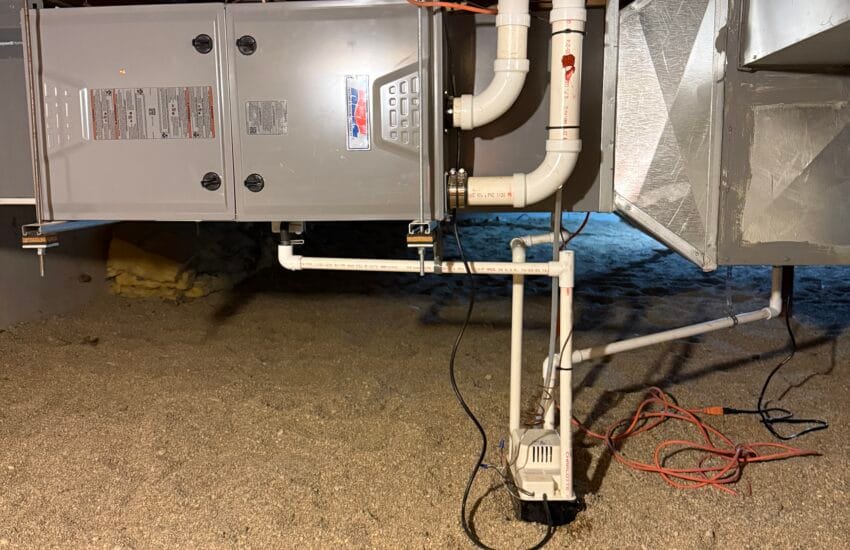
High-efficiency HVAC systems have emerged as a paramount choice for residential heating and cooling, particularly for the residents of Chicago, where extreme weather conditions pose unique challenges. One of the most significant benefits of these systems is their ability to reduce energy consumption, leading to substantial cost savings on utility bills. High-efficiency units typically utilize advanced technology that optimizes energy use, allowing homeowners to maintain comfortable indoor temperatures without incurring excessive energy costs.
In addition to financial savings, these systems contribute to improved indoor air quality, which is crucial for the health and well-being of occupants. High-efficiency HVAC systems often include enhanced filtration features that capture airborne particles such as dust, pollen, and allergens, leading to cleaner and healthier air. This aspect is particularly beneficial for Chicagoans during the city’s fluctuating seasonal conditions, as residents may spend significant amounts of time indoors during harsh winters and hot summers.
Moreover, by installing a high-efficiency HVAC system, homeowners contribute to the reduction of greenhouse gas emissions. These systems are designed to use less energy, which, in turn, minimizes the overall demand on local power grids and decreases the carbon footprint. In an era where environmental concerns are increasingly pressing, investing in a high-efficiency model not only supports personal comfort and savings but also aligns with broader sustainability efforts.
The combination of energy efficiency, health benefits, and environmental impact makes high-efficiency HVAC systems an essential investment for Chicago residents. With the potential for heavy energy savings, enhanced air quality, and a smaller ecological footprint, the advantages of choosing these advanced heating and cooling systems become clear. Embracing high-efficiency technology not only benefits individual households but also supports a collective move toward a more sustainable and healthy community.
Choosing the Right Chicago HVAC Company for Installation
Selecting an HVAC company for the installation of a high-efficiency system in Chicago is a critical decision that requires careful consideration. Given the complexities associated with HVAC systems, it is paramount to choose a company that is not only qualified but also experienced in installing high-efficiency models. This decision can significantly impact the system’s performance and energy efficiency over its lifespan.
When evaluating potential HVAC contractors, ensure they have the necessary certifications and licenses. Be sure to check for affiliations with reputable industry organizations, which often provide additional training and resources for their members. A company that invests in training is likely to be more adept at installing advanced systems, ensuring optimal performance and efficiency.
Customer reviews provide significant insight into the quality of service offered by an HVAC company. Online review platforms and social media can be valuable resources for discovering the experiences of previous customers. Look for patterns in feedback regarding aspects such as punctuality, professionalism, and overall satisfaction with the installation process. Positive reviews often indicate a company’s reliability and commitment to high standards.
In addition to qualifications and customer feedback, assessing the industry experience of an HVAC company is essential. A contractor with several years of experience in the Chicago market is likely to have a better understanding of local regulations, climate considerations, and common challenges faced by homeowners. This knowledge can be invaluable during the installation process, ensuring that your high-efficiency HVAC system operates effectively in the city’s unique environment.
Ultimately, investing time in selecting the right HVAC company can lead to a smoother installation and a more efficient heating and cooling solution for your home. Opt for professionals who demonstrate expertise in high-efficiency systems to achieve the best results.
Step-by-Step Process for Installing a High-Efficiency HVAC System
The installation of a high-efficiency HVAC system is a critical investment that ensures optimal heating and cooling for residential and commercial spaces. The process typically begins with an initial assessment. A qualified HVAC technician conducts a thorough evaluation of the property, considering factors such as the size, insulation levels, and existing ductwork. This assessment is vital for determining the appropriate size and type of HVAC system to meet the specific needs and energy efficiency requirements of the space.
Upon completion of the assessment, the next step involves selecting the right unit. High-efficiency HVAC systems vary widely in terms of performance ratings, energy consumption, and features. It is essential to consider options that boast a high Seasonal Energy Efficiency Ratio (SEER) rating, which indicates superior energy performance. Additionally, homeowners may discuss options for advanced technology, such as smart thermostats or zoned systems, which can enhance comfort and efficiency.
After selecting the HVAC unit, the required equipment for the installation process must be gathered. This typically includes tools for mounting the unit, ductwork materials, refrigerant lines, and electrical components. Ensuring that all necessary equipment is on hand can help facilitate a smoother installation process.
The installation itself involves specific practices to ensure a successful setup. This includes proper placement of the unit, connecting ductwork, ensuring tight seals to prevent leaks, and accurately installing electrical wiring. It is crucial to adhere to local building codes and manufacturer guidelines to ensure safety and efficiency.
Lastly, safety measures must be observed throughout the installation. Technicians should wear appropriate safety gear and follow protocols to protect both personnel and the property. By following this step-by-step process, a high-efficiency HVAC system can be installed effectively, paving the way for a more energy-efficient and comfortable environment.
Maintenance and Longevity of Your High-Efficiency HVAC System
Maintaining a high-efficiency HVAC system is crucial for ensuring its optimal performance and longevity. Regular maintenance can significantly enhance the system’s efficiency while preventing costly repairs down the line. A proactive approach to HVAC maintenance is essential for achieving maximum energy savings.
One of the primary aspects of maintenance is conducting routine check-ups. It is advisable to have a professional technician inspect the system at least once a year. During these inspections, key components such as the compressor, evaporator coils, and ductwork are evaluated to ensure they function correctly. Any potential issues can be identified early, preventing further complications and prolonging the system’s lifespan.
Another critical maintenance task is the regular cleaning and replacement of air filters. Dirty or clogged filters can severely affect airflow and reduce the efficiency of your HVAC system. It is recommended to check filters monthly and replace them every three months or as needed, especially if the system is used frequently or if there are pets in the household. Clean filters improve indoor air quality and allow the system to operate efficiently.
Homeowners should also be vigilant about addressing common issues as they arise. Unusual noises, irregular temperatures, or increased energy bills may indicate that your HVAC system requires attention. Early intervention can avoid more significant problems and expenses. Additionally, ensuring that the outdoor unit is free from debris, such as leaves or snow, allows for improved airflow and efficiency.
By adhering to these maintenance practices, you can extend the life of your high-efficiency HVAC system, ensuring it continues to operate effectively while minimizing energy costs. Regular attention to maintenance will contribute to a comfortable living environment and safeguard your investment in the long run.
