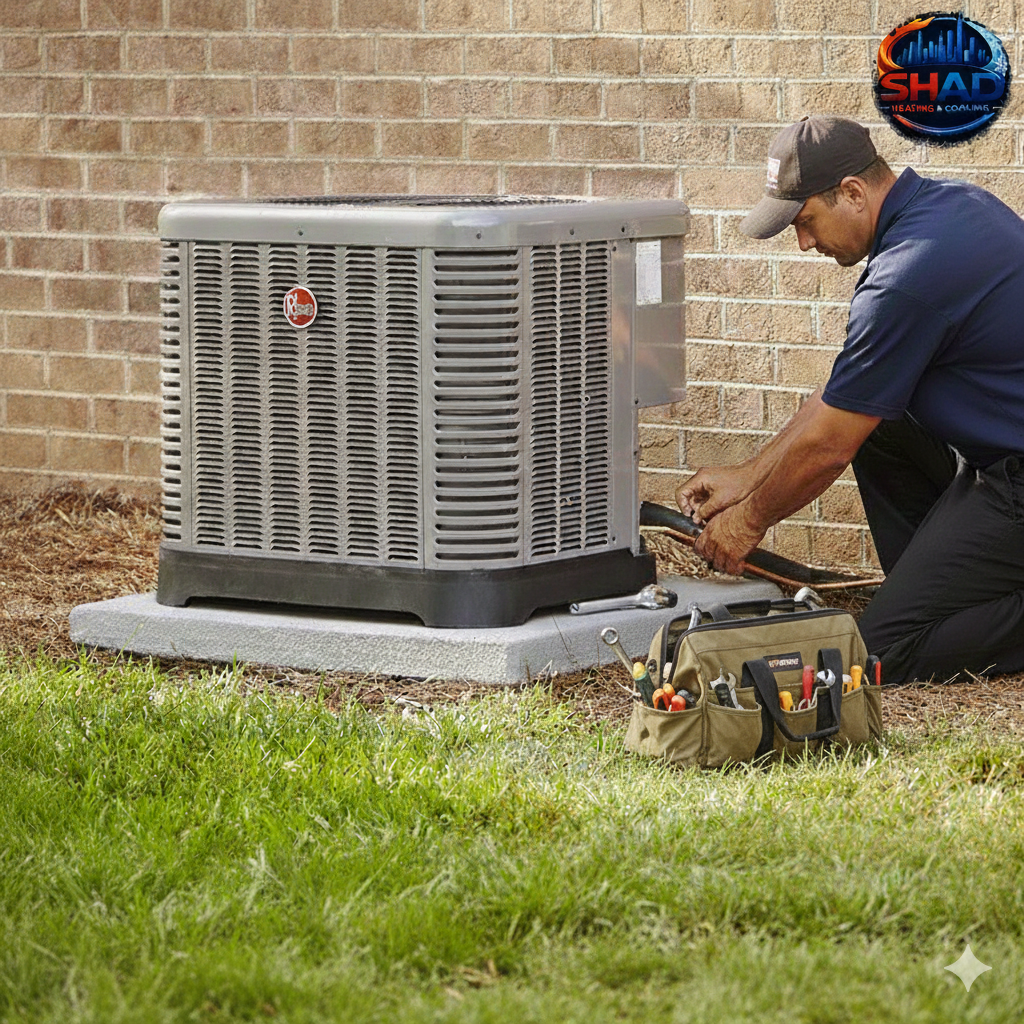
When your AC is blowing warm air in Chicago, it’s more than just uncomfortable. During peak summer heat and humidity, a malfunctioning air conditioner can quickly make your home unbearable. Several issues may be causing the problem, ranging from simple maintenance needs to serious system failures.
Common Reasons Your AC Is Blowing Warm Air
Cooling problems usually start with airflow or refrigerant issues.
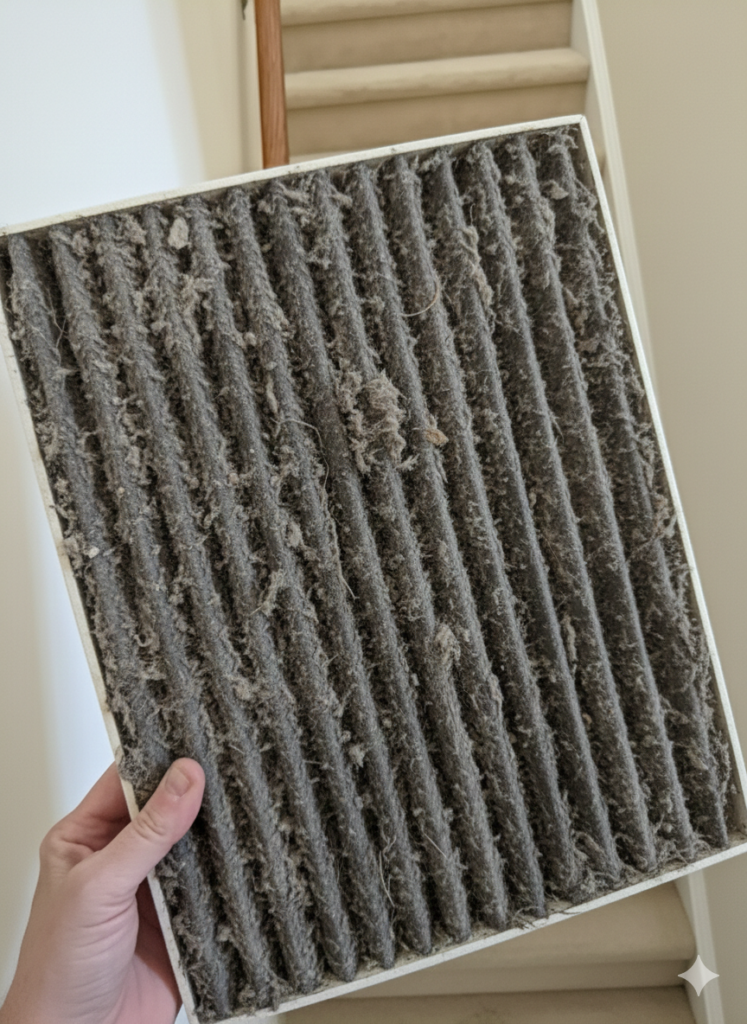
A clogged air filter is one of the most common causes. Dirty filters block airflow and reduce efficiency. Replace filters every 1 to 3 months during heavy use.
Low refrigerant can also stop your system from cooling. This often signals a leak that needs professional repair.
Frozen evaporator coils may develop when airflow is restricted. Ice buildup prevents proper heat exchange.
Electrical issues can interrupt compressor operation. Without the compressor, cooling stops.
According to the U.S. Department of Energy, proper maintenance improves efficiency and reduces breakdown risk.
Chicago-Specific Factors That Affect AC Performance
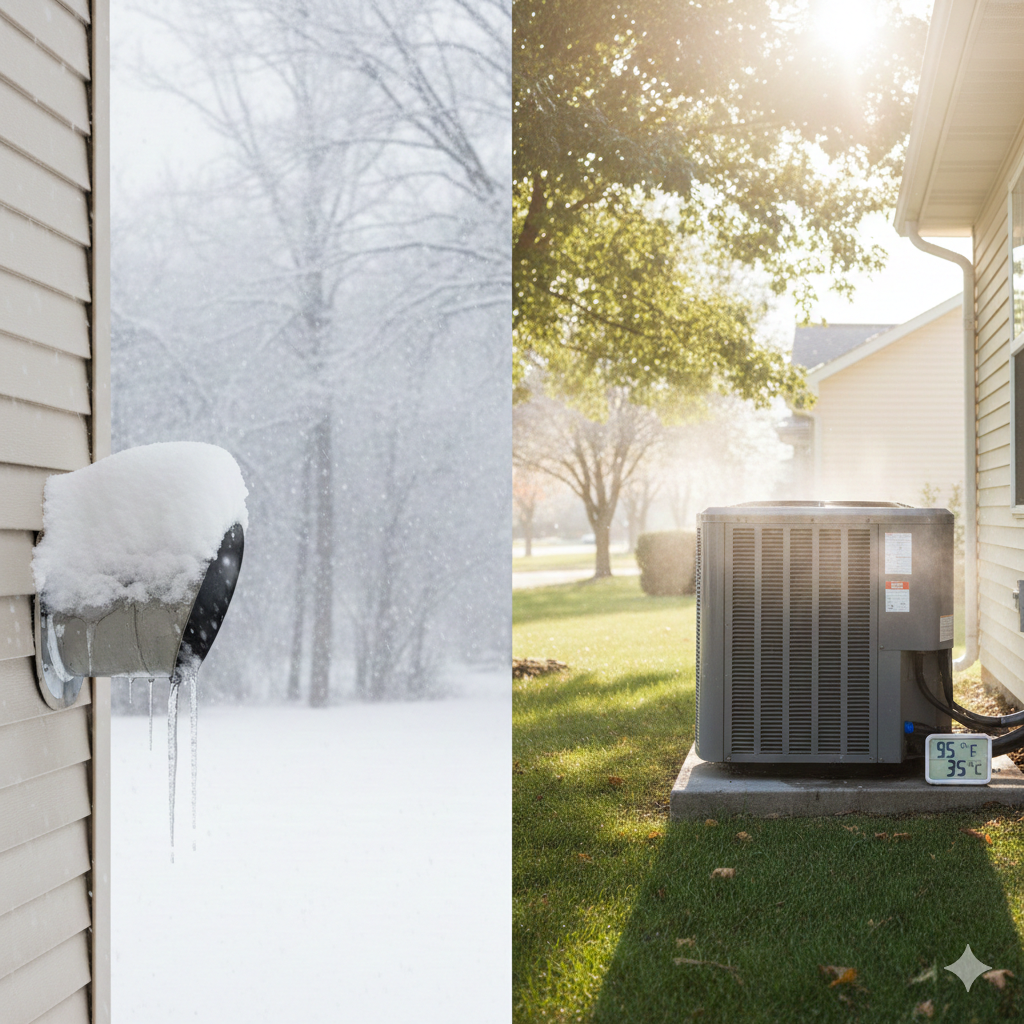
Chicago’s extreme temperature swings and high humidity place extra strain on cooling systems. Extended use during heat waves can cause wear on compressors and coils faster than in milder climates.
Homes with older systems are particularly vulnerable during peak summer months.
What You Can Check Before Calling a Technician
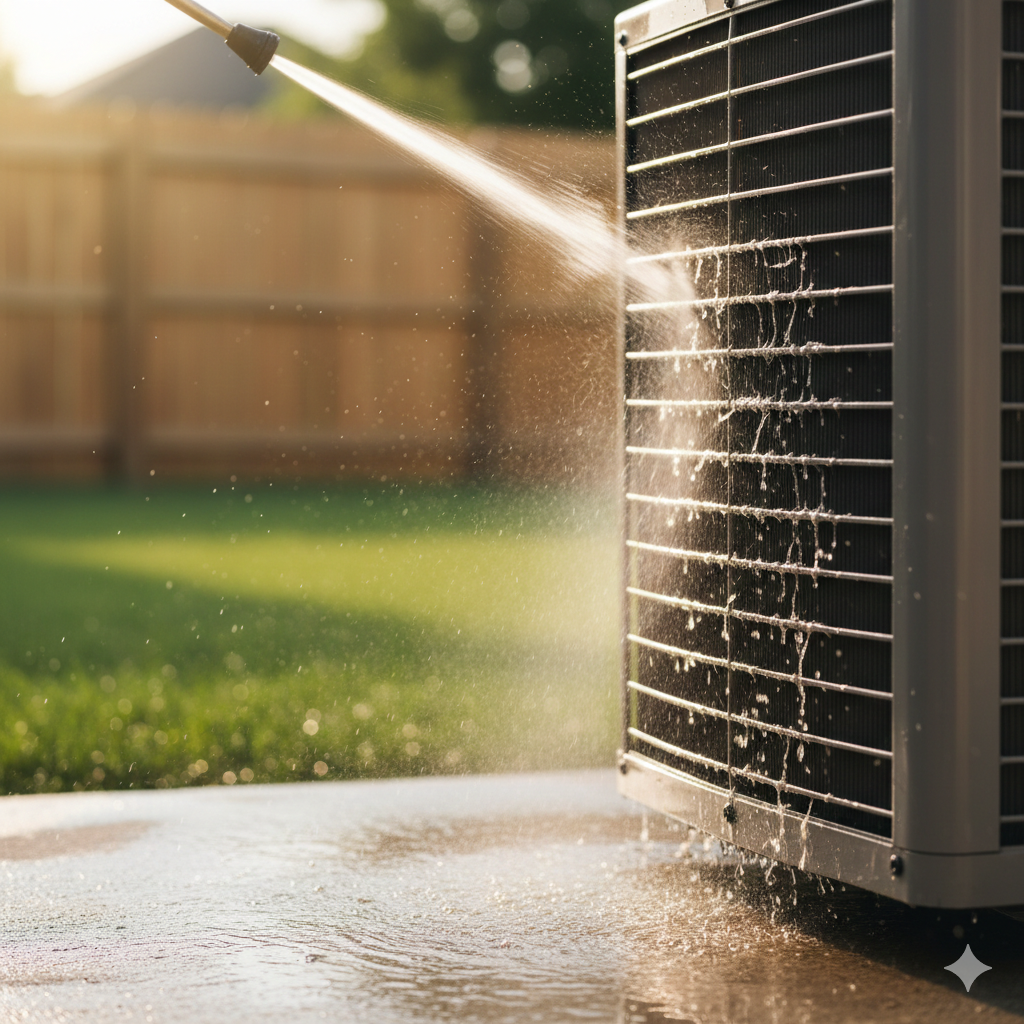
Before scheduling service, you can:
• Replace a dirty air filter
• Check thermostat settings
• Ensure the outdoor unit is clear of debris
• Verify the circuit breaker hasn’t tripped
If the issue persists, professional AC repair services in Chicago may be necessary.
When to Call for Professional AC Repair in Chicago

If your AC continues blowing warm air, professional diagnosis is essential. Refrigerant leaks, compressor issues, and electrical faults require licensed HVAC technicians to repair safely.
Delaying service can increase energy bills and cause further system damage.
How to Prevent Future Cooling Problems
Preventative maintenance protects your system. Schedule tune-ups each spring before peak cooling season. Regular inspections catch small issues early.
The Environmental Protection Agency also recommends seasonal maintenance to improve indoor air quality.